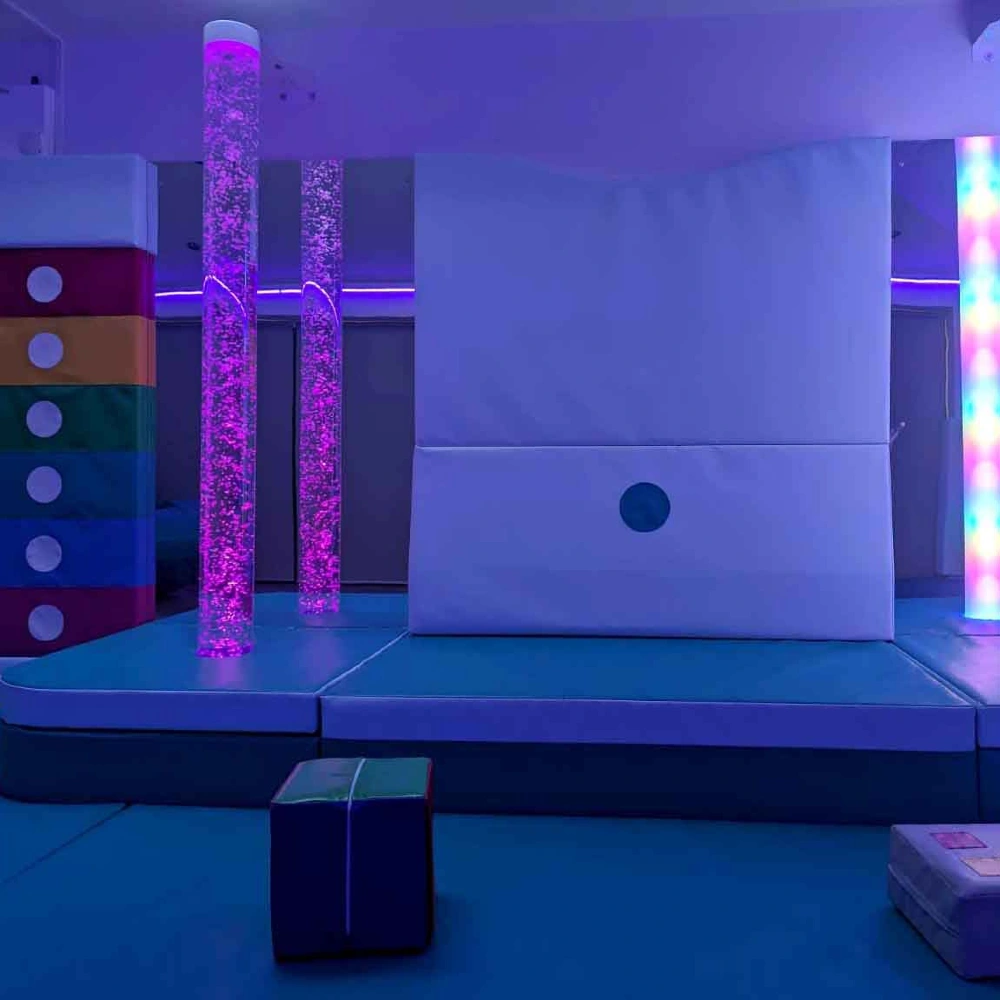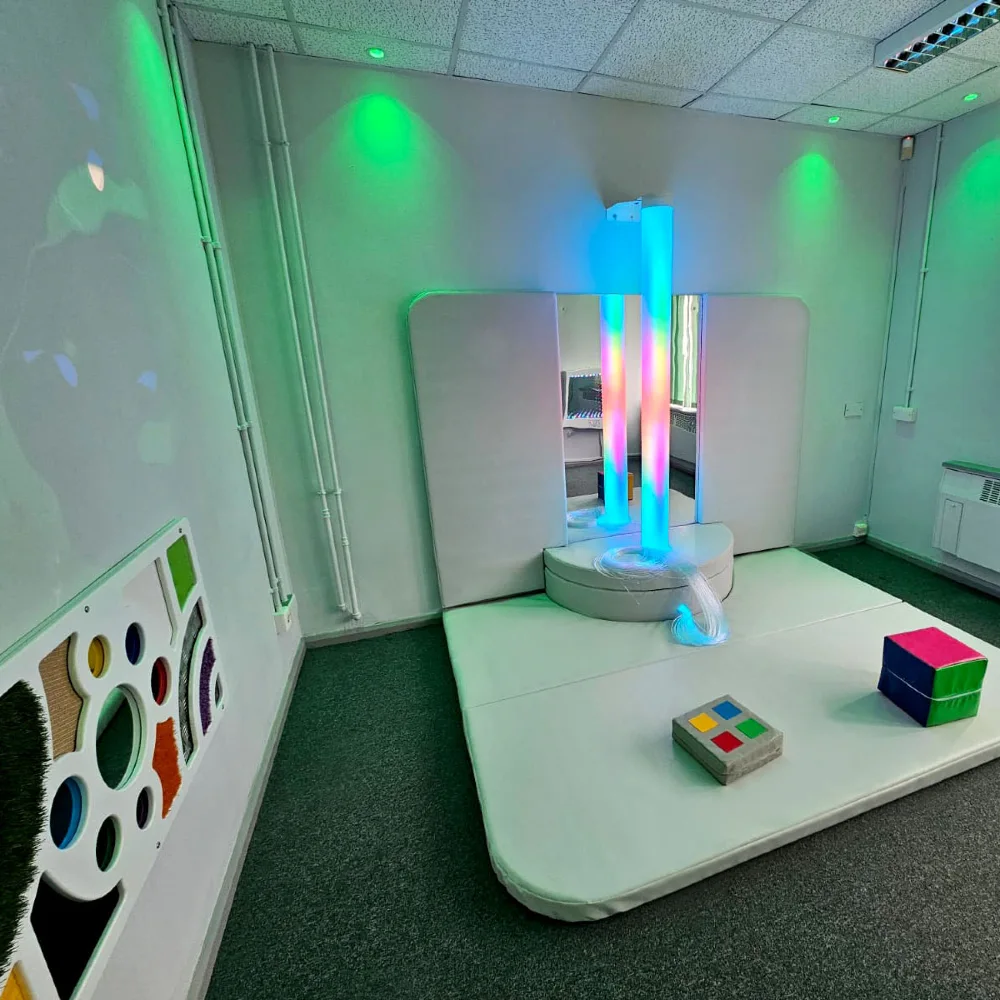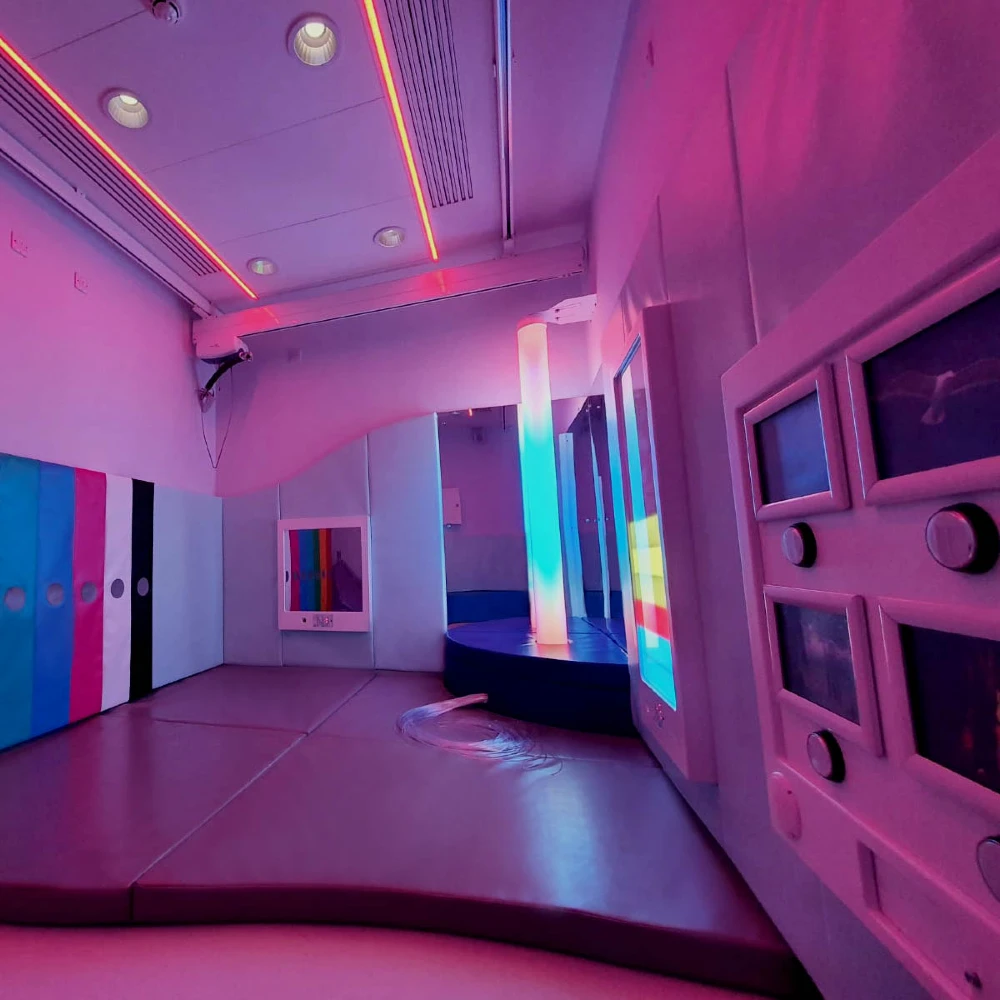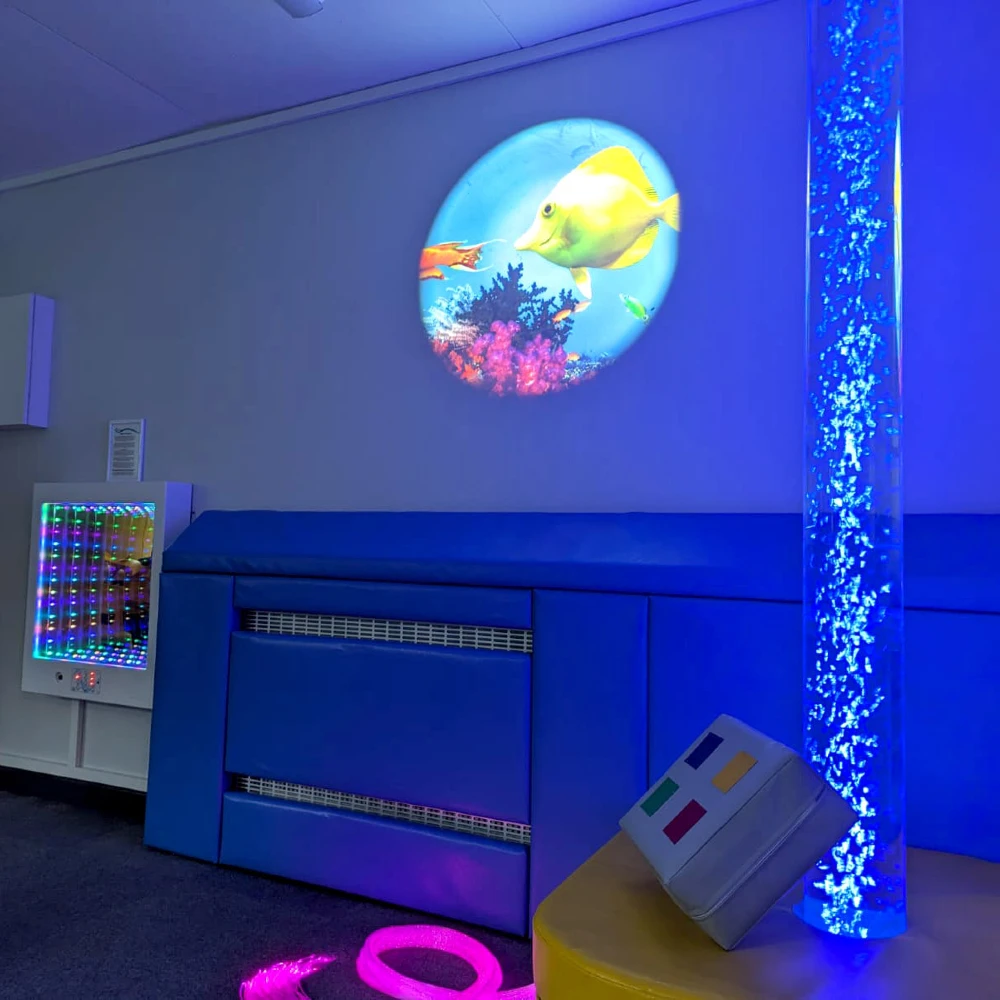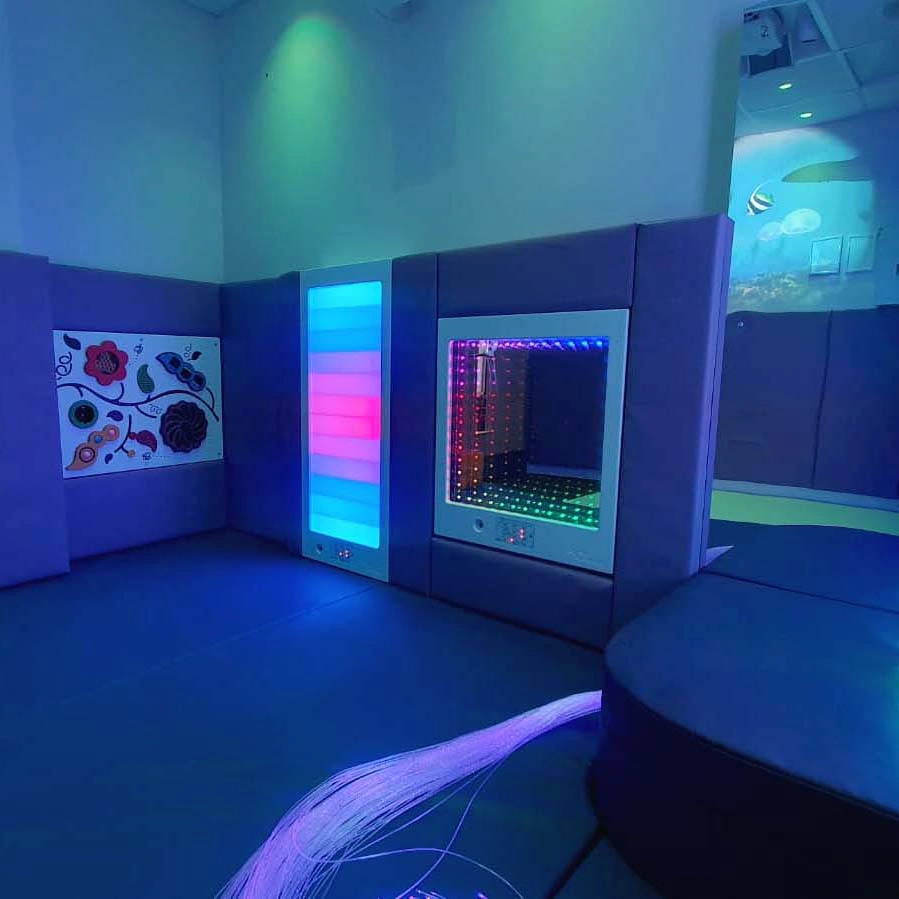
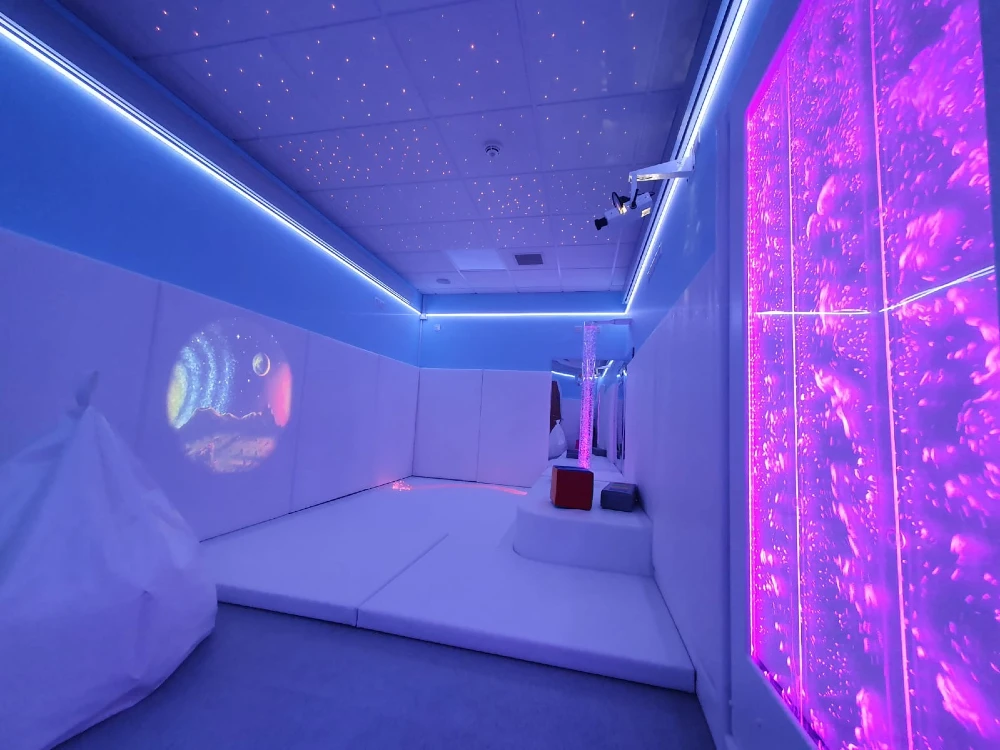
A sensory room is much more than a space filled with lights, soft furnishings and interactive equipment. At its heart, it’s a carefully designed environment created to support wellbeing, communication, development and emotional regulation. You’ll find sensory rooms in schools supporting children with additional needs, in care homes helping residents with dementia, in hospitals providing calming spaces for patients and increasingly in private homes where families seek tailored support for a loved one.
When professionally designed and installed, a sensory room can be transformative. It can offer a safe place to self-regulate during moments of overwhelm, a stimulating environment that encourages exploration and interaction, or a calming retreat that reduces anxiety and stress. For individuals with learning disabilities and special needs, it becomes a key tool in improving focus, communication, mobility or overall emotional wellbeing.
That’s why choosing the right sensory room installer matters so much. A sensory room isn’t simply about selecting equipment, it’s about creating an environment that truly works for the people using it. The installer you choose will directly influence the room’s safety, its effectiveness, how long it lasts and ultimately whether it delivers real value for your investment. Getting it right from the start can make all the difference.
A Sensory Room Isn’t Just Equipment – It’s an Experience
It’s easy to think of a sensory room as a collection of products – bubble tubes, fibre optics, soft play equipment, projectors or interactive panels. But in reality, it’s the way these elements are brought together that makes the real difference.
A well-designed sensory room focuses on the overall experience, not just the equipment. This includes:
- Thoughtful Layout & Zoning - creating clear areas for calm, exploration or interaction.
- Careful Control of Lighting & Sound - ensuring the space can either soothe or stimulate as required.
- Appropriate Spacing & Accessibility - allowing safe movement for wheelchair users, carers and groups.
- Balanced Sensory Input - avoiding overstimulation or under-stimulation.
- Smooth Transitions Between Activities - helping users feel secure and regulated.
Without thoughtful planning, a room can quickly become overwhelming, underwhelming or simply impractical. Equipment placed without consideration of sensory needs may distract rather than support, poor spacing can limit accessibility and lighting that isn’t properly controlled can reduce the calming impact the room was meant to provide.
The key element behind putting together a sensory room is about creating an environment that feels safe, intuitive and purposeful. When everything works together harmoniously, the space becomes far more than a collection of products. It becomes a supportive experience that truly benefits its users.
Every User Is Different: The Importance of Bespoke Design
No two individuals experience the world in the same way, and that’s especially true when it comes to sensory needs. What feels calming and grounding for one person may feel overwhelming or distracting for another. That’s why bespoke design is so important.
A thoughtfully designed sensory room takes into account the specific needs of its users, including:
- Age and developmental stage – A nursery setting will require a very different approach to an adult day centre or care home.
- Specific conditions or diagnoses – Such as autism, ADHD, sensory processing disorders, PMLD or dementia.
- Mobility and accessibility requirements – Including wheelchair access, hoisting needs or safe floor space for movement.
- Emotional regulation goals – Whether the space is designed primarily for calming, stimulation or a balance of both.
- Cognitive ability and engagement levels – Ensuring equipment is meaningful, accessible and not overwhelming.
In many settings (particularly schools, hospitals and care environments) the space may need to support a wide range of needs and abilities throughout the day. This makes flexibility just as important as personalisation. Multi-use, adaptable equipment allows the room to evolve depending on who is using it, whether that’s a calming session for one individual or a more interactive, engaging activity for a small group.
Ready-made sensory room packages or lower-cost options can be tempting at first glance. However, they often follow a “one size fits all” approach that doesn’t fully consider the unique, day-to-day needs of the individuals using the space. While they may look impressive initially, they can fall short in terms of practicality, lasting impact and long-term durability.
Choosing a sensory room installer with genuine sector experience means your room is designed with intention, not assumption. Through consultation and careful planning, they can create an environment that feels welcoming, flexible and built around long-term success.
Safety Should Never Be Compromised
When creating a sensory room, safety should always guide every decision. These spaces are designed to support individuals who may be vulnerable, have complex needs or require additional supervision – which makes thoughtful planning and careful installation essential.
A safe sensory environment should take into account:
- Secure and appropriate fixings – Ensuring wall-mounted equipment, padding and interactive features are safely and professionally installed.
- Electrical safety and compliance – Particularly important for lighting systems, projectors and interactive technology.
- Fire-rated and suitable materials – Meeting current regulations and installation standards.
- Impact-absorbing surfaces and padding – Reducing the risk of injury during movement or physical interaction.
- Accessible, well-considered layouts – Allowing safe movement for wheelchair users, carers and small groups.
- Safe cable management – Preventing trip hazards and minimising tampering.
- Durable, commercial-grade materials – Designed to withstand regular, heavy use without compromising safety.
- Hygienic, wipe-clean finishes – Especially important in healthcare and high-use environments.
In settings such as schools, healthcare environments and care homes, there are often additional safeguarding requirements, infection control measures and accessibility regulations to follow. Overlooking these details can lead to avoidable risks, costly adjustments or disruption later on.
Working with a knowledgeable sensory room installer means these considerations are built into the design from the very beginning. Rather than treating safety as an afterthought, it becomes an integral part of the process – giving you confidence that the space is not only engaging and supportive, but secure, compliant and built to last.
Buying Cheap Can Cost More in the Long Run
When budgets are tight, it’s completely understandable to look for cost-effective options. However, with sensory rooms, the lowest upfront price doesn’t always represent the best long-term value.
Lower-cost equipment or installation services may reduce initial spend, but they can often lead to challenges later on, such as:
- Reduced durability – Domestic-grade products may not withstand frequent or intensive use.
- Limited warranties or aftercare – Leaving you without support if issues arise.
- Higher maintenance or replacement costs – Equipment may need repairing or replacing sooner than expected.
- Design limitations – A poorly planned layout can reduce the room’s effectiveness, meaning the space doesn’t deliver the intended outcomes.
- Future redesign expenses – If the room doesn’t meet users’ needs, adjustments can become costly and disruptive.
There’s also the hidden cost of lost impact. If a sensory room isn’t thoughtfully designed or built to last, it may not provide the calming, engaging or therapeutic benefits you were hoping for. In that sense, the real investment isn’t just in equipment, it’s in outcomes.
Choosing quality materials, professional installation and a tailored design approach helps protect your budget over time. A well-planned sensory room should serve your setting for years to come, adapting as needs evolve and continuing to deliver meaningful value long after installation is complete.
The Value of Experience and Expertise
Choosing a sensory room installer isn’t simply about finding a supplier, it’s about selecting a partner who understands the environments you work in and the people you support. Experience brings insight, foresight and an ability to anticipate challenges before they arise.
A provider with genuine sector knowledge will understand how sensory spaces function in real-world settings. They recognise the pressures staff face, the variety of needs within one room and the importance of balancing creativity with practicality.
When evaluating potential installers, it can be helpful to look for:
- Proven experience within your sector – Whether it’s in mainstream and special education, healthcare, care homes or private settings.
- A clear consultation and design process – Demonstrating that planning comes before products.
- A portfolio of completed projects – Showing a range of bespoke environments, not identical packages.
- Case studies or testimonials – Offering reassurance from other organisations.
- Transparent pricing and detailed proposals – So you understand exactly what’s included.
- Aftercare and ongoing support – Ensuring help is available long after installation.
An experienced team will not only design an engaging space, but will also consider how it will be used day to day, how it may need to evolve and how to make the most of your available space and budget.
Ultimately, expertise provides confidence. It ensures your sensory room is designed with purpose, installed with care, and created to deliver meaningful, lasting impact.
Invest in the Right Foundation
Choosing the right sensory room installer plays a vital role in that success. From safety and compliance to bespoke design and long-term durability, the decisions made at the beginning will shape how effective and adaptable the space is over time.
If you’re considering creating or upgrading a sensory space, partnering with an experienced specialist ensures you get more than just equipment – you gain insight, guidance and a team committed to delivering a space that truly works.
Here at Sensory Technology, we offer a free bespoke design and consultation, tailored to your setting, users and available space. Our team takes the time to fully understand your objectives, challenges and budget, creating a personalised proposal that balances creativity, practicality and long-term value.
Choose a partner who prioritises safety, quality and meaningful results. Get in touch today and take the first step towards a sensory room designed with purpose, built to last and centred around the people who matter most.