Mental health and emotional wellbeing are becoming increasingly important considerations across education, healthcare, social care and community settings. Alongside traditional support approaches, there is growing recognition of the role that physical environments can play in helping people feel calmer, more comfortable and better able to manage their emotions.
Sensory rooms for mental health provide dedicated spaces designed to support relaxation, emotional regulation and overall wellbeing. By creating environments that reduce stress, encourage self-regulation and provide a sense of comfort, these spaces can help children and adults navigate moments of anxiety, sensory overload or emotional overwhelm.
For some individuals, everyday environments can feel challenging. Having access to a dedicated sensory environment provides an opportunity to step away, reset and regain a sense of balance.
In this blog, we explore the benefits of sensory rooms for mental health, how they support children and adults and why they are becoming an increasingly valuable addition to schools, healthcare settings, workplaces and social care environments.
Why Environment Matters for Mental Health
The environments we spend time in can have a significant impact on how we feel, think and respond to the world around us. Factors such as lighting, noise levels, layout and sensory stimulation can influence whether a space feels calming and supportive or overwhelming and stressful.
For individuals experiencing anxiety, sensory processing differences or emotional challenges, everyday environments can sometimes increase feelings of stress. Bright lighting, loud sounds, crowded spaces or unpredictable surroundings may make it harder to regulate emotions, remain focused or feel at ease.
In contrast, carefully considered environments can help create a greater sense of comfort and security. Softer lighting, reduced noise, calming colours and purposeful sensory features can encourage relaxation and provide individuals with the space they need to pause and regulate.
This is where mental health sensory rooms can make a meaningful difference. By reducing stress and promoting emotional regulation, these supportive spaces can help people feel more settled, confident and better prepared to engage with everyday activities.
What Is a Mental Health Sensory Room?
A mental health sensory room is a specially designed environment that uses sensory experiences to support relaxation, emotional regulation and wellbeing. While sensory rooms are often associated with autism and learning disabilities, they can also provide valuable support for individuals experiencing anxiety, stress, sensory overload and emotional difficulties.
Every sensory room is unique because every user has different needs. The design, layout and equipment are incorporated around the people using the space, the purpose of the environment and the outcomes it aims to support.
Rather than only being used during moments of distress, sensory rooms can form part of everyday wellbeing strategies. They offer a proactive approach to supporting emotional regulation, helping individuals develop awareness of what they need to feel calm, focused and comfortable.
Depending on the requirements of the setting, a mental health sensory room may be designed as a calming sensory room, multisensory environment, low arousal space or de-escalation area.
Calming Sensory Rooms
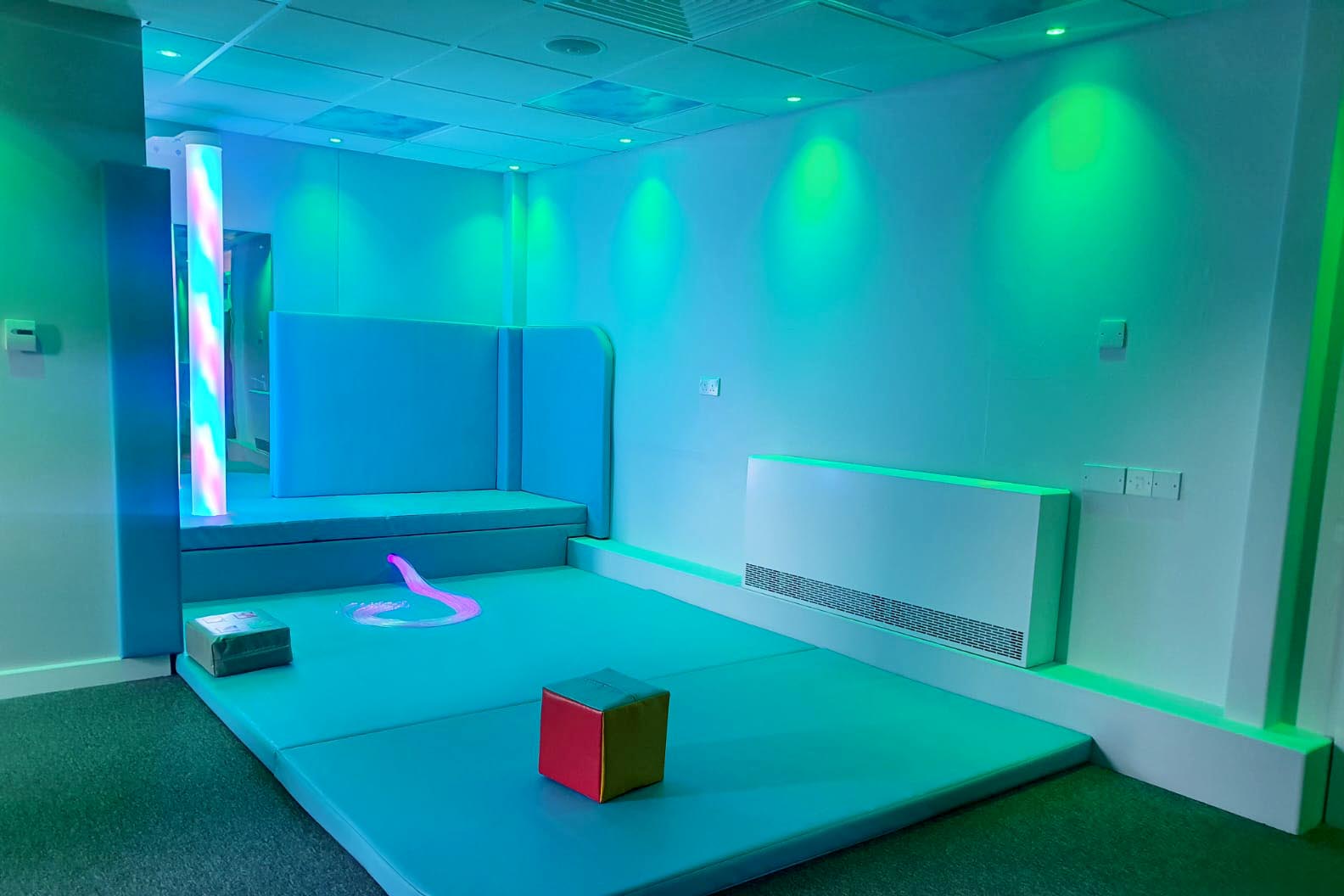
Calming sensory rooms are designed to provide a peaceful and reassuring environment where individuals can relax, regulate their emotions and take time away from everyday pressures.
These spaces use sensory features to create a feeling of comfort without becoming overwhelming. Elements such as soft lighting, gentle colour changes, calming sounds, comfortable seating and tactile resources can help users feel settled and supported.
The focus is on providing controlled sensory input that encourages relaxation and emotional balance. For individuals experiencing anxiety, stress or sensory overload, a calming sensory room can offer a safe place to pause, practise self-regulation strategies and return to daily activities feeling more prepared.
Multisensory Rooms
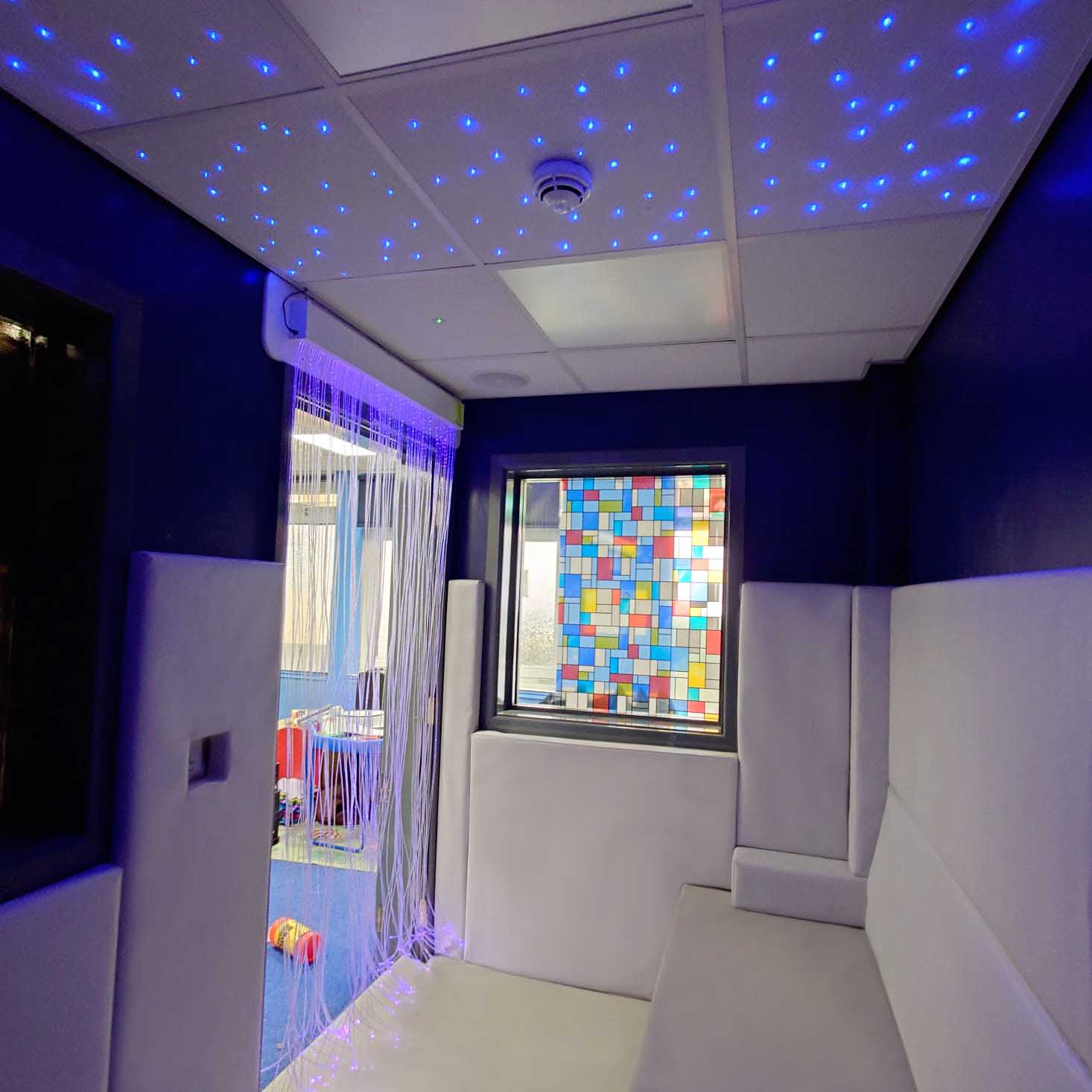
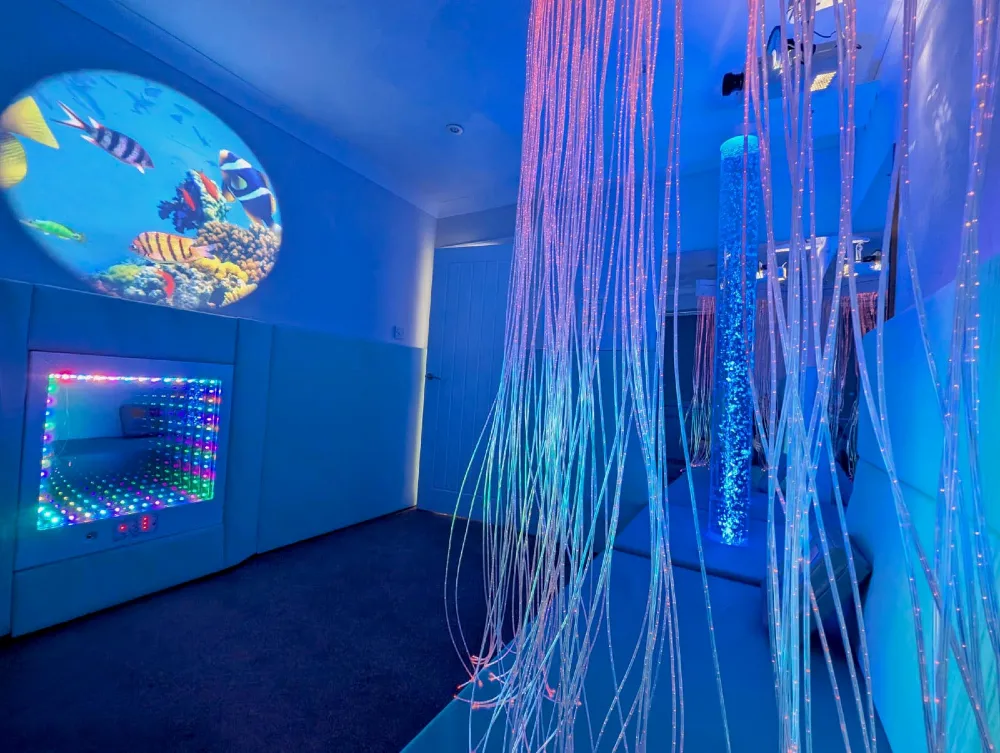
Multisensory rooms provide opportunities for individuals to explore a range of sensory experiences through sight, sound, touch and movement. These environments are designed to encourage interaction, engagement and personal choice, allowing users to engage with sensory elements at their own pace.
Equipment may include interactive lighting, tactile resources, sound features, projections and other sensory equipment that creates a flexible and engaging experience.
By offering opportunities for exploration and choice, multisensory rooms can support communication, confidence, relaxation and emotional regulation. They allow individuals to discover which sensory experiences work best for them while developing a greater understanding of their own needs.
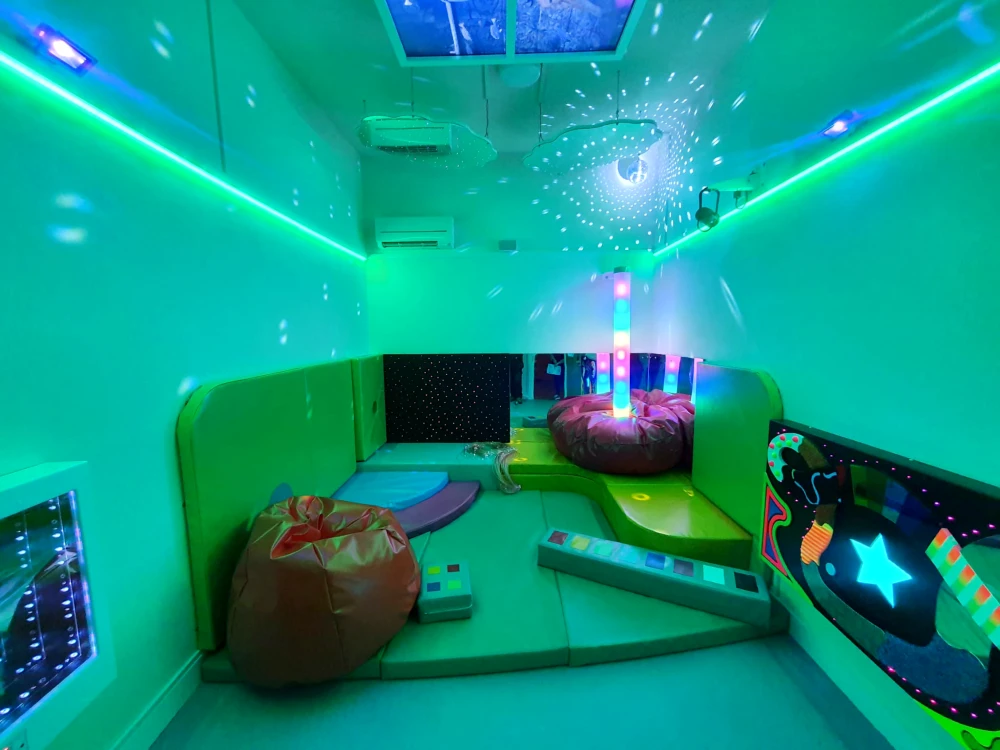
Low Arousal Environments
Low arousal environments are designed to minimise sensory demands and create calm, predictable spaces for individuals who may become overwhelmed by their surroundings.
Unlike multisensory rooms, which encourage engagement through varied sensory experiences, low arousal spaces focus on reducing stimulation. The aim is to create an environment that feels consistent, safe and easy to navigate.
These spaces can be particularly beneficial for individuals who experience sensory overload, emotional dysregulation or difficulty coping in busy environments. Through bespoke design choices such as reduced visual clutter, comfortable furnishings and controlled sensory input, low arousal environments provide a place where individuals can feel secure and supported.
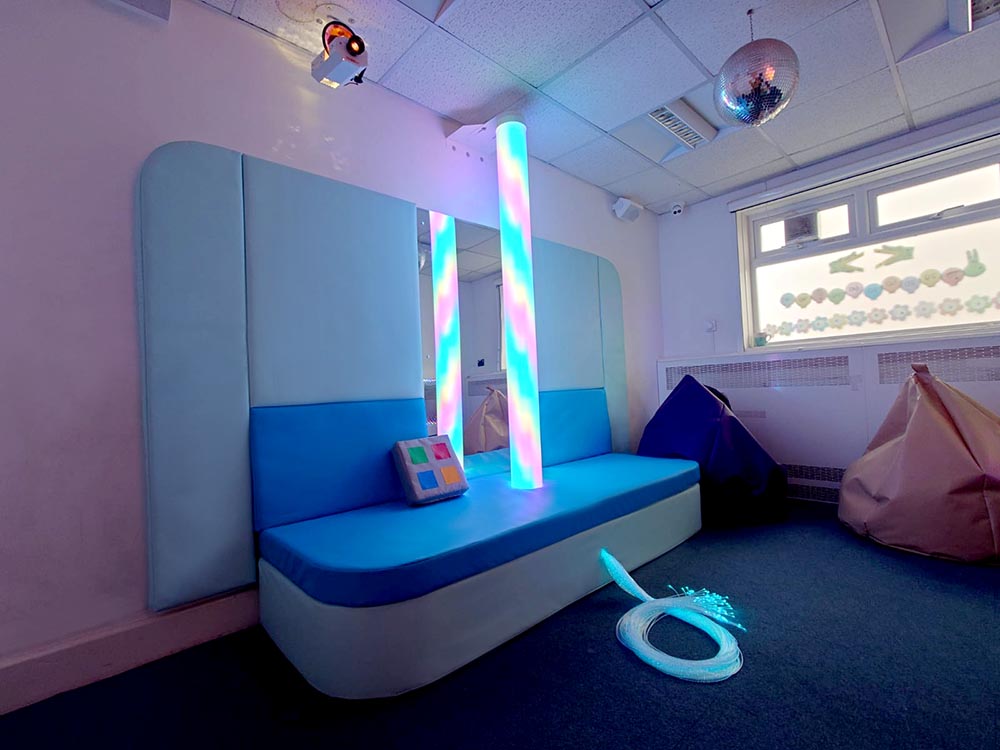
De-escalation Spaces
De-escalation spaces are designed to provide a safe and supportive environment during periods of heightened distress. Their purpose is to reduce stimulation, minimise triggers and help individuals regain emotional control in a calm setting.
These environments mainly incorporate features such as safety padding, durable finishes, soft furnishings and calming lighting to balance comfort with safety. Rather than focusing on sensory exploration, de-escalation spaces prioritise reassurance, security and emotional recovery.
For individuals experiencing moments of crisis or significant distress, having access to a dedicated de-escalation space can provide an alternative to environments that may intensify feelings of anxiety or overwhelm. They also support staff by enabling a more person-centred approach during challenging situations.
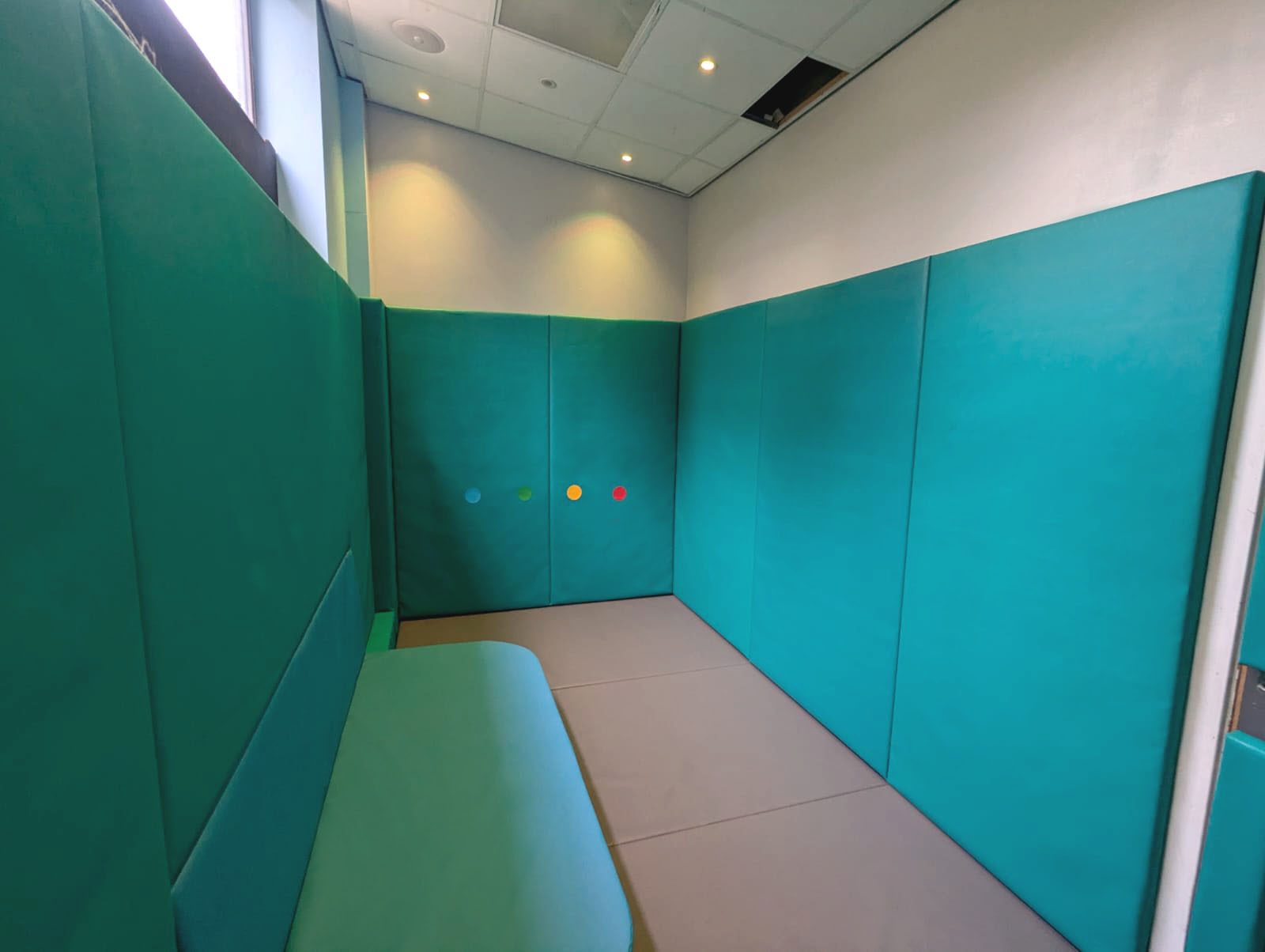
The Benefits of Sensory Rooms for Children's Mental Health
For children and young people, managing emotions, coping with stress and navigating busy environments can sometimes be challenging. Schools are increasingly recognising that creating supportive environments is an important part of helping pupils feel safe, confident and ready to learn.
Sensory rooms for mental health provide children with a dedicated space where they can pause, regulate their emotions and develop strategies that support their wellbeing throughout the school day.
Supporting Emotional Regulation
A sensory room provides a safe environment where children can recognise what helps them feel calm and develop strategies that support self-regulation. This may include quiet reflection, calming lighting, tactile activities or gentle sensory experiences that help them feel more balanced. Over time, access to these spaces can encourage greater self-awareness, confidence and independence.
Helping Manage Anxiety and Stress
Sensory rooms offer pupils a calm and predictable space where they can step away from these pressures, reduce feelings of overwhelm and take time to reset. By providing a supportive environment when children need it most, sensory spaces can help pupils return to classroom activities feeling calmer, more focused and better prepared to engage.
Supporting Children with SEMH, Autism and ADHD
Children with social, emotional and mental health (SEMH) needs, autism and ADHD may experience additional challenges with sensory processing, emotional regulation and managing their surroundings. A thoughtfully designed sensory room can provide a supportive space where children can regulate their emotions, explore strategies that work for them and develop a greater understanding of their own sensory needs.
Creating Safe Spaces Within Schools
Many schools are introducing dedicated wellbeing areas, including breakout rooms, calm spaces and sensory hubs, as part of a wider approach to supporting pupil wellbeing. These spaces provide children with somewhere to step away, reflect and recharge when they need additional support. They can also form part of everyday routines that encourage emotional awareness and positive wellbeing. By making regulation support available proactively, schools can create a more inclusive environment where children feel supported before challenges escalate.
Improving Engagement and Participation
When children feel calm and regulated, they are often better able to engage with learning, social interactions and daily activities. Sensory rooms can help reduce barriers caused by anxiety, sensory overload or emotional distress, creating the conditions for children to participate more confidently within the wider school environment.
The Benefits of Sensory Rooms for Adult Mental Health
Sensory rooms are not only beneficial for children – they can also provide valuable support for adults across a wide range of settings. From healthcare and social care environments to supported living services, community spaces and workplaces, sensory rooms for mental health can help create calmer surroundings that promote relaxation, emotional regulation and overall wellbeing.
For adults experiencing stress, anxiety or emotional challenges, having access to a carefully designed sensory environment can provide an opportunity to pause, reset and regain a sense of control.
Supporting Relaxation and Reducing Distress
Everyday environments can sometimes contribute to feelings of stress and overwhelm. Sensory rooms provide a dedicated space where adults can step away from these pressures into a calmer, more supportive environment. By offering a place to pause and regulate, sensory rooms can support emotional wellbeing and provide individuals with strategies they can use to feel more settled.
Supporting Adults with Learning Disabilities and Dementia
For adults with learning disabilities, dementia and additional needs, sensory environments can offer meaningful opportunities for engagement, communication and comfort. Sensory experiences can be adapted around individual preferences, allowing users to interact with the environment in ways that feel familiar and enjoyable. In care settings, sensory rooms can also provide opportunities for person-centred support by giving individuals greater choice over how they engage with their surroundings.
Supporting Mental Health Services and Rehabilitation
Within mental health services and rehabilitation environments, sensory rooms can complement existing care approaches by providing a calming space for reflection, relaxation and emotional regulation. For individuals managing anxiety, emotional distress or periods of heightened stress, rhey can help create moments of calm while encouraging individuals to develop coping strategies alongside professional support.
By incorporating sensory spaces into wider care plans, organisations can provide a more holistic approach that considers both emotional needs and the importance of the environment itself.
Promoting Wellbeing in Supported Living and Workplaces
Sensory spaces are becoming increasingly common within supported living environments and workplaces as organisations place greater focus on wellbeing, inclusion and accessibility.
In supported living settings, these spaces can provide residents with somewhere to relax, enjoy sensory experiences and manage emotions in a way that promotes independence and choice. Within workplaces, sensory or wellbeing spaces can give employees a dedicated area to take a break, reduce stress and recharge during busy periods.
A Person-Centred Approach to Wellbeing
The most effective sensory rooms are designed around the individuals who will use them. By considering personal preferences, sensory needs, the purpose of the space and the outcomes it aims to support, these environments can provide meaningful and personalised experiences. A successful sensory environment is not defined by the equipment it contains, but by how well it meets the needs of the people using it.
Creating Supportive Environments for Mental Wellbeing
Sensory rooms can play an important role in creating environments that support emotional wellbeing, relaxation and self-regulation for both children and adults.
As explored throughout this blog, the most effective sensory rooms are those designed with purpose. Understanding the needs of the individuals using the space, the challenges they may experience and the outcomes they hope to achieve ensures the environment provides meaningful long-term support.
By combining thoughtful design with personalised sensory experiences, sensory rooms can help individuals feel calmer, more comfortable and better equipped to manage their emotions.
Looking to create a sensory room that supports mental health and wellbeing? Contact our team today for a free design and consultation.
FAQs
Are sensory rooms good for mental health?
Yes. Sensory rooms can support mental health by providing a calm, controlled environment where individuals can relax, regulate their emotions and reduce feelings of stress or anxiety. While they are not a replacement for professional mental health support, they can complement wider wellbeing strategies across schools, healthcare and social care settings.
Who can benefit from a mental health sensory room?
Sensory rooms for mental health can benefit children and adults experiencing anxiety, stress or sensory overload, as well as individuals with SEMH needs, autism, ADHD, learning disabilities or dementia. They can also provide valuable support in workplaces, community settings and rehabilitation environments.
Where can mental health sensory rooms be installed?
Mental health sensory rooms can be installed in a wide range of settings, including schools, colleges, hospitals, CAMHS, mental health units, supported living services, residential care homes, workplaces, community wellbeing hubs, charities and family hubs.
What equipment is used in a mental health sensory room?
The equipment depends on the purpose of the room and the needs of its users. Common features include calming LED lighting, bubble tubes, fibre optic lighting, projection systems, tactile wall panels, comfortable seating and sound systems. Every sensory room should be tailored to the individuals who will use it rather than following a standard design.
How do sensory rooms help with stress and anxiety?
Sensory rooms can help create a calmer environment by reducing overwhelming sensory input and providing opportunities for relaxation. Features such as controlled lighting, soothing sounds and comfortable surroundings can help individuals feel more settled and supported during periods of stress or anxiety.
How are sensory rooms used in schools to support mental health?
Schools use sensory rooms, wellbeing rooms and calm spaces to support pupils who may need time to regulate emotions, manage anxiety or take a break from busy classroom environments. They form part of a wider approach to supporting pupil wellbeing and inclusion.
Are sensory rooms used alongside therapy?
Yes. Sensory rooms can complement existing therapeutic approaches by providing an additional space for relaxation, emotional regulation and reflection. They are designed to support wider wellbeing strategies rather than replace professional care or interventions.