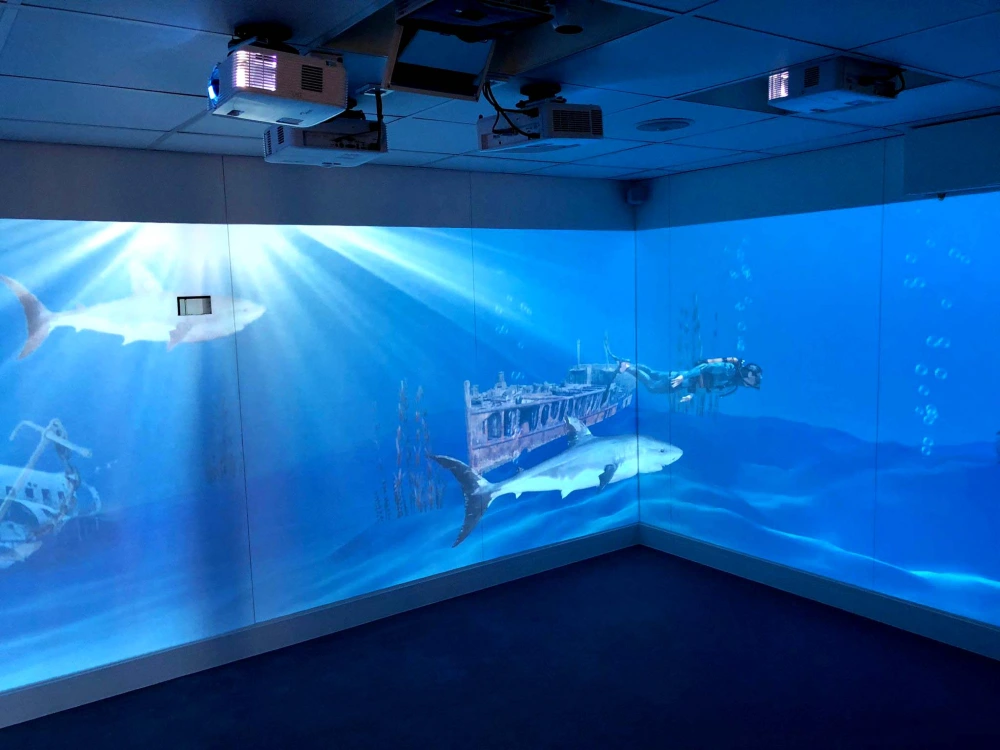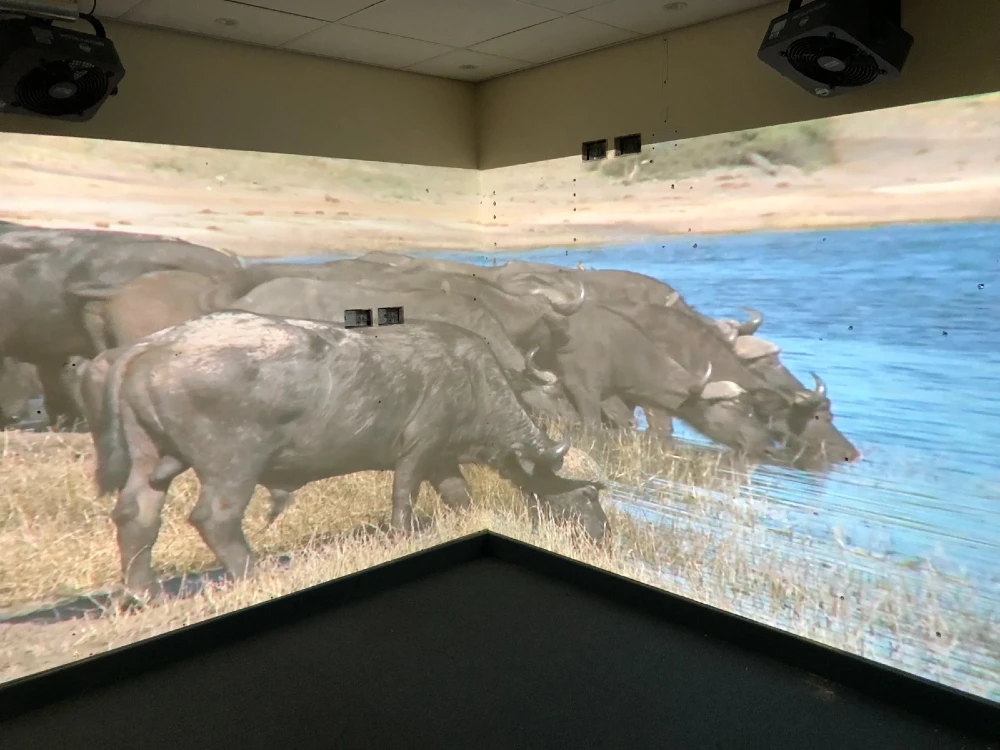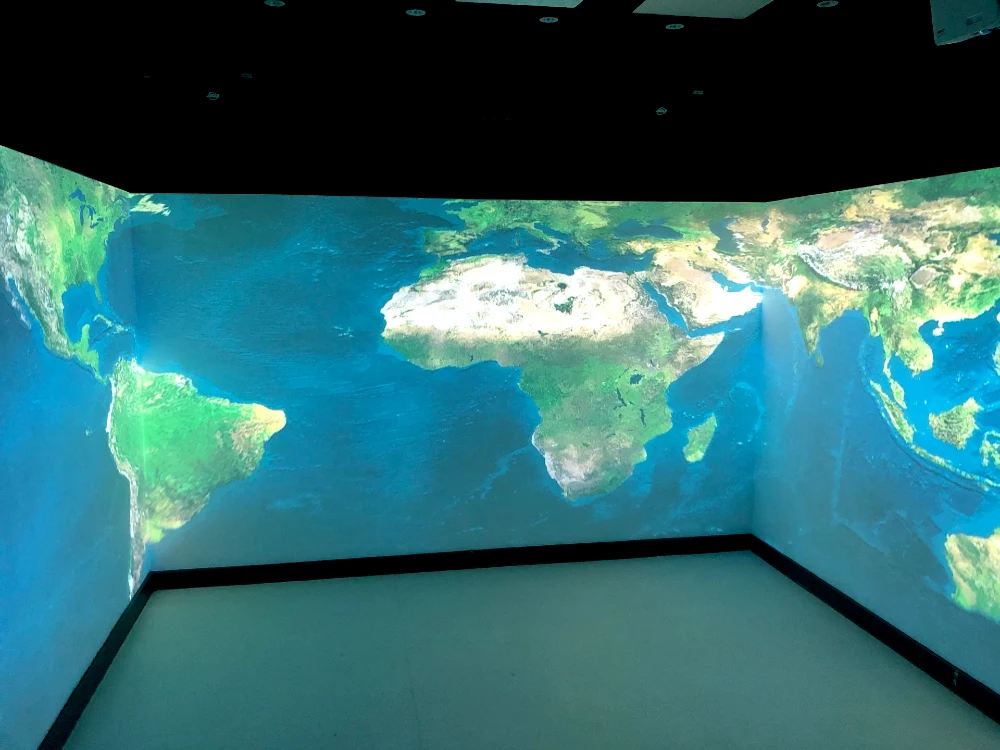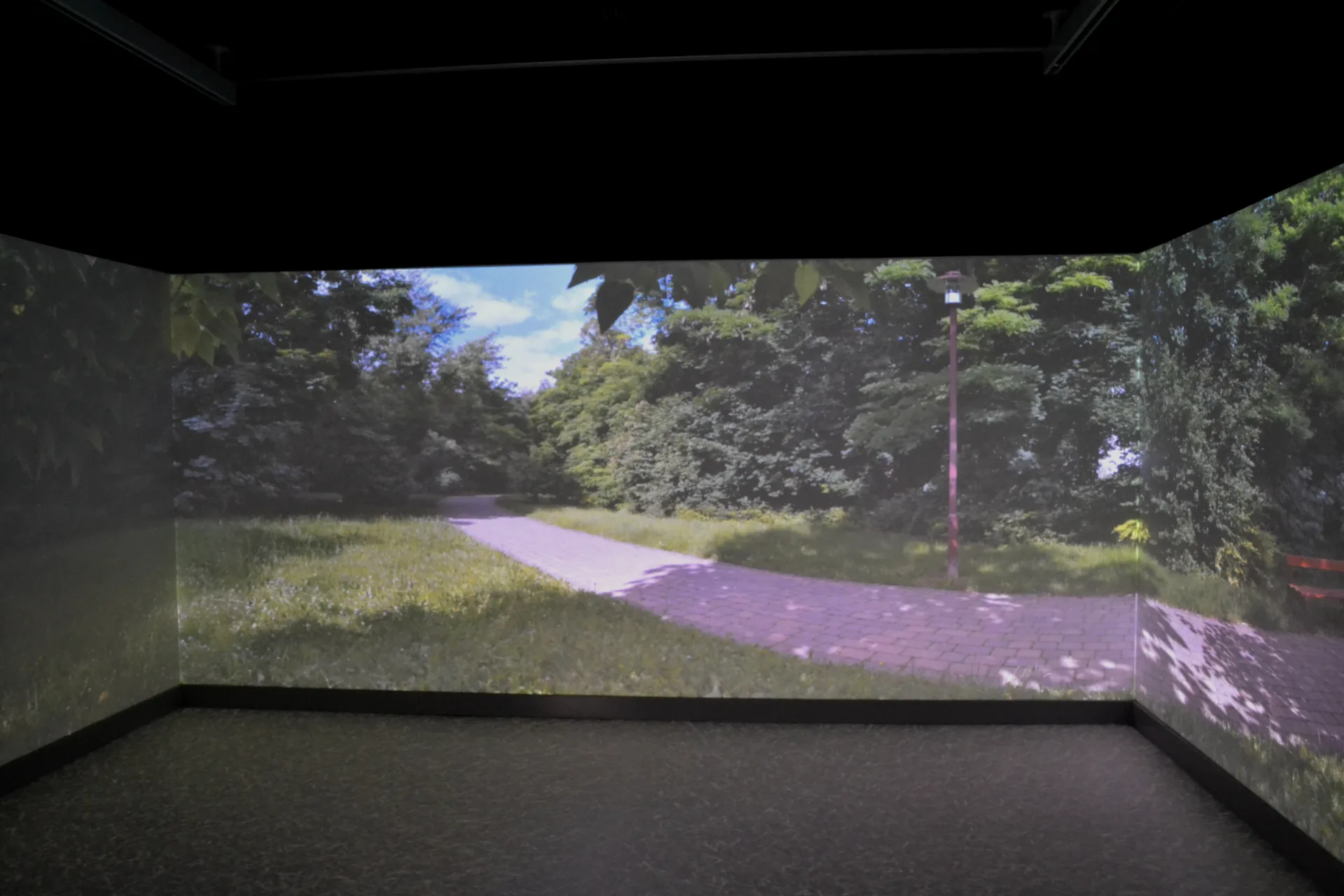
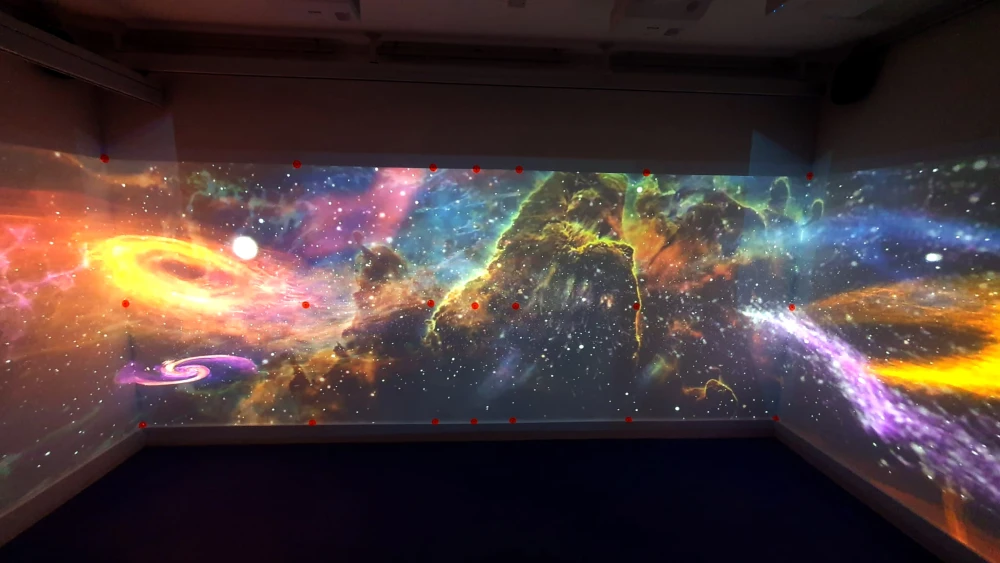
Every learner experiences the world differently, which is why an immersive room for SEND can be such a valuable addition to a school or educational setting. For many children and young people with Special Educational Needs and Disabilities (SEND), busy classrooms, bright lighting, noise and constant activity can sometimes make it more difficult to focus, communicate, regulate emotions or fully engage in learning.
That’s where immersive sensory rooms can make a real difference.
Using interactive projection, sound, lighting and sensory technology, immersive rooms create engaging environments that can be tailored to the individual needs of each learner. Whether the goal is to provide a calming space for emotional regulation, encourage communication, support sensory exploration or bring lessons to life, these adaptable spaces offer a flexible solution that evolves throughout the school day.
From supporting pupils with autism, ADHD and sensory processing differences to creating inclusive learning experiences for whole classes, an immersive room for SEND gives educators another valuable tool to help every learner feel supported, engaged and ready to thrive.
What Is an Immersive Room?
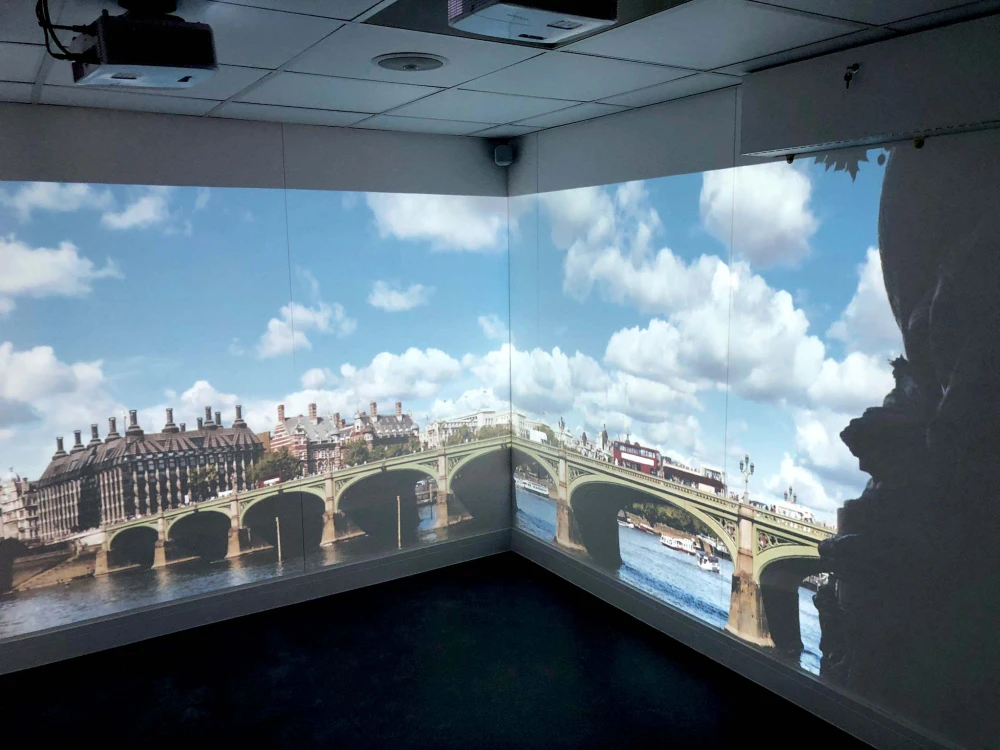
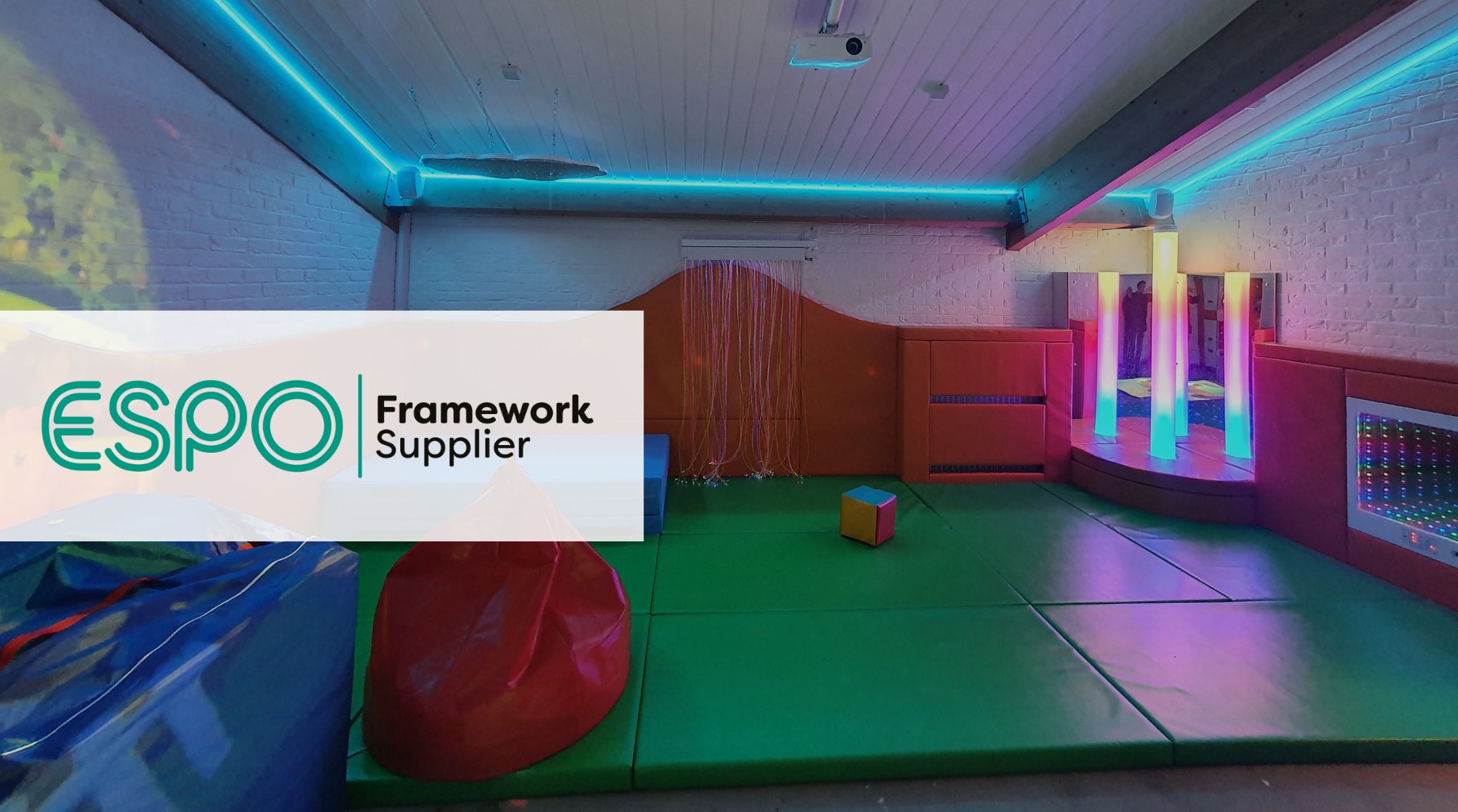
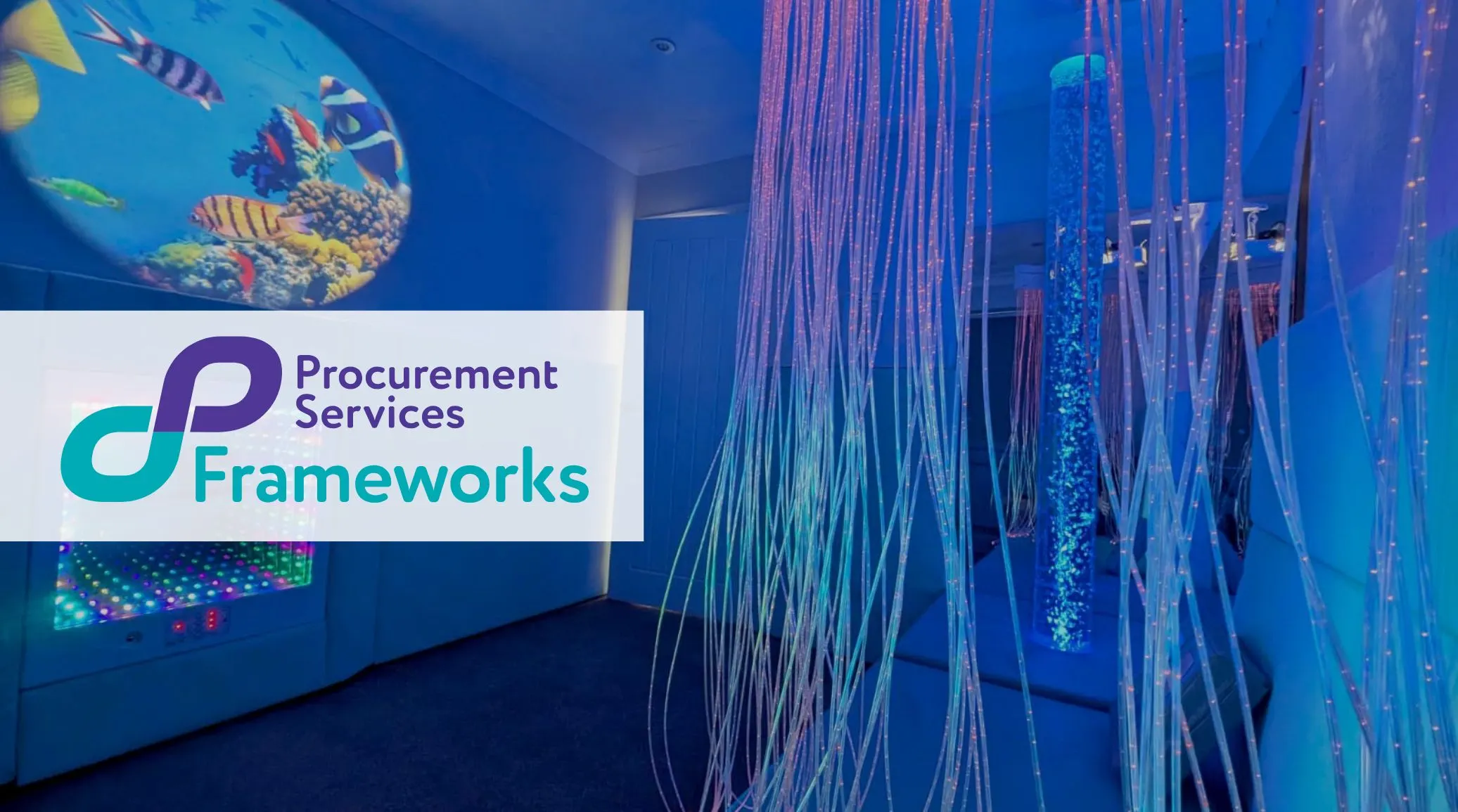
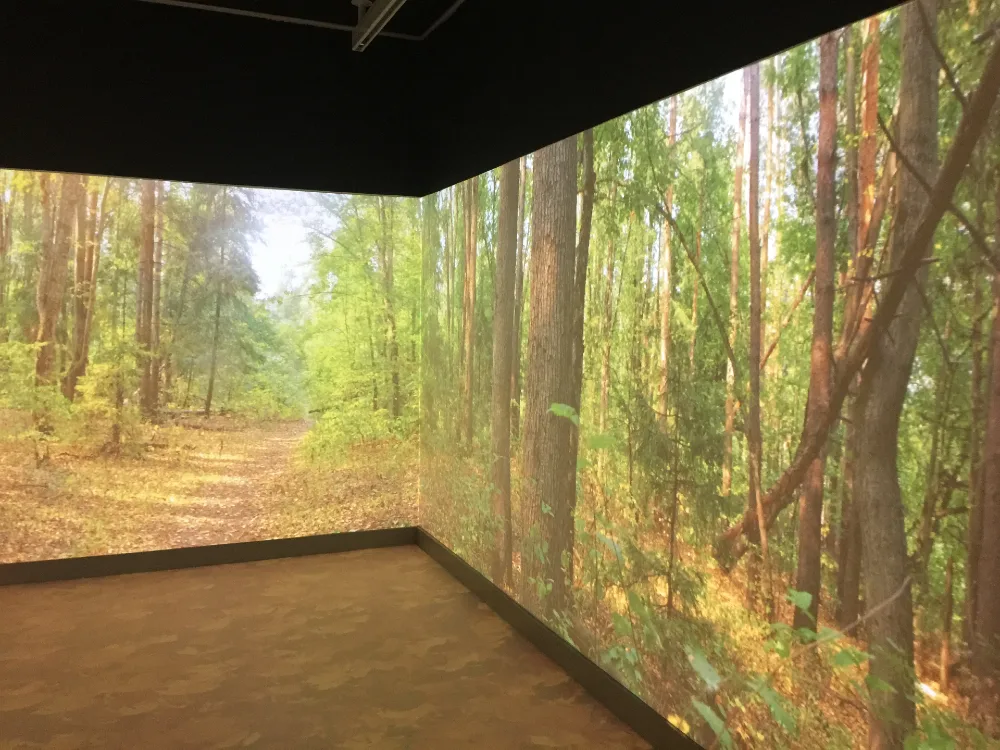
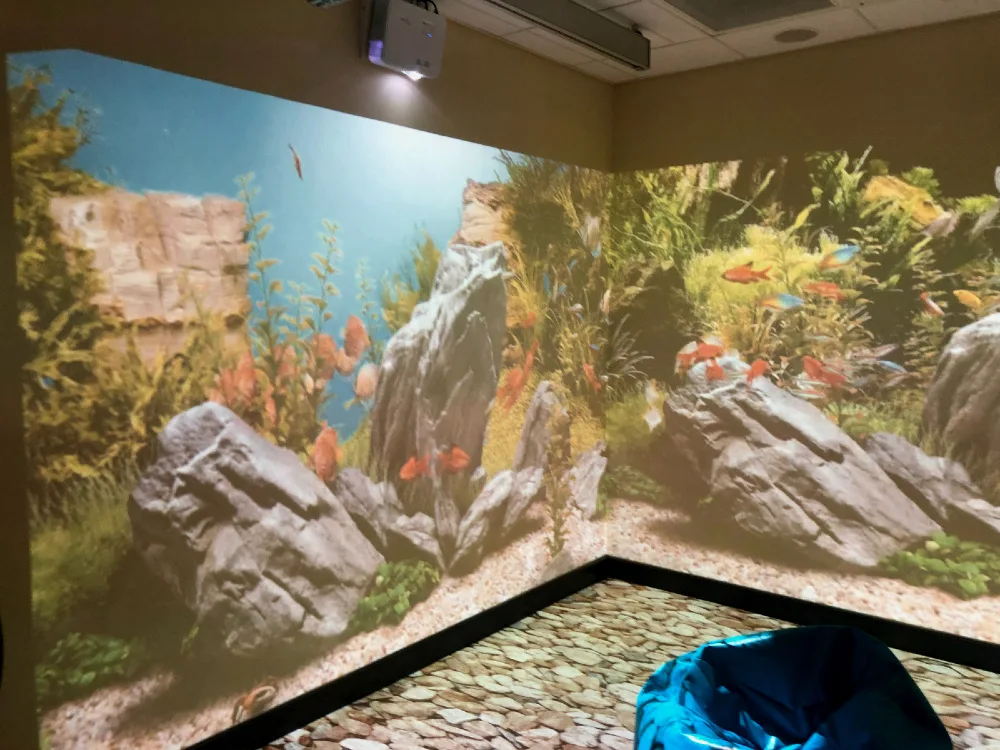
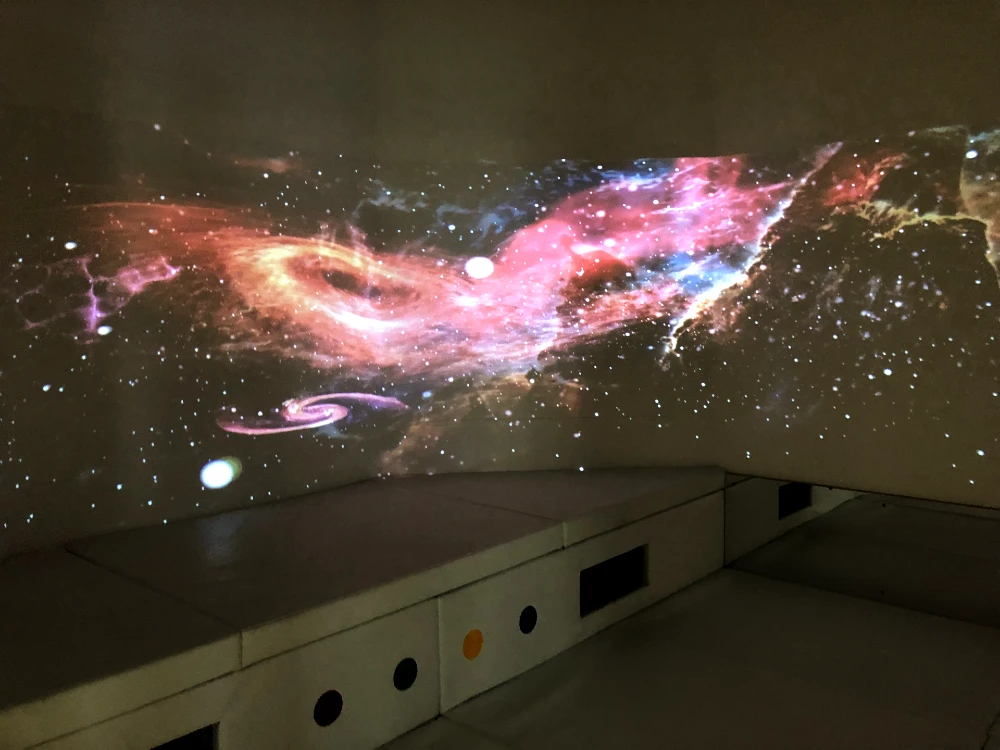
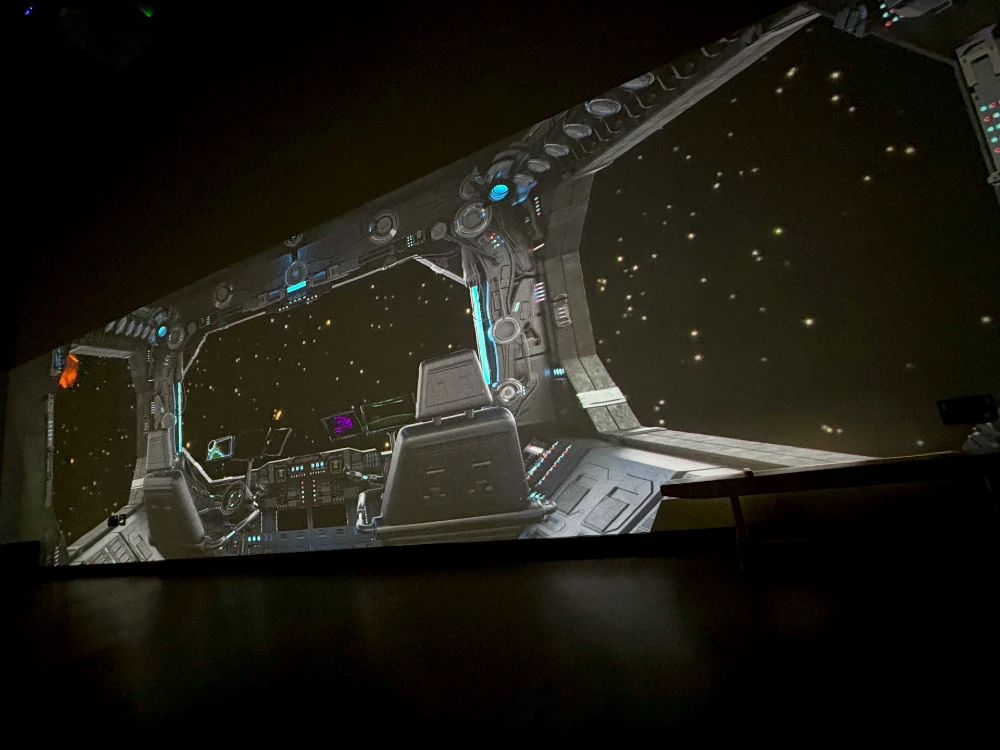
An immersive sensory room transforms an ordinary space into a fully interactive, multi-sensory environment using cutting-edge projection, sound, lighting and interactive technology. Unlike a traditional sensory room, which typically features individual pieces of equipment, an immersive room surrounds users with dynamic visuals, sounds and sensory experiences designed to engage all of the senses.
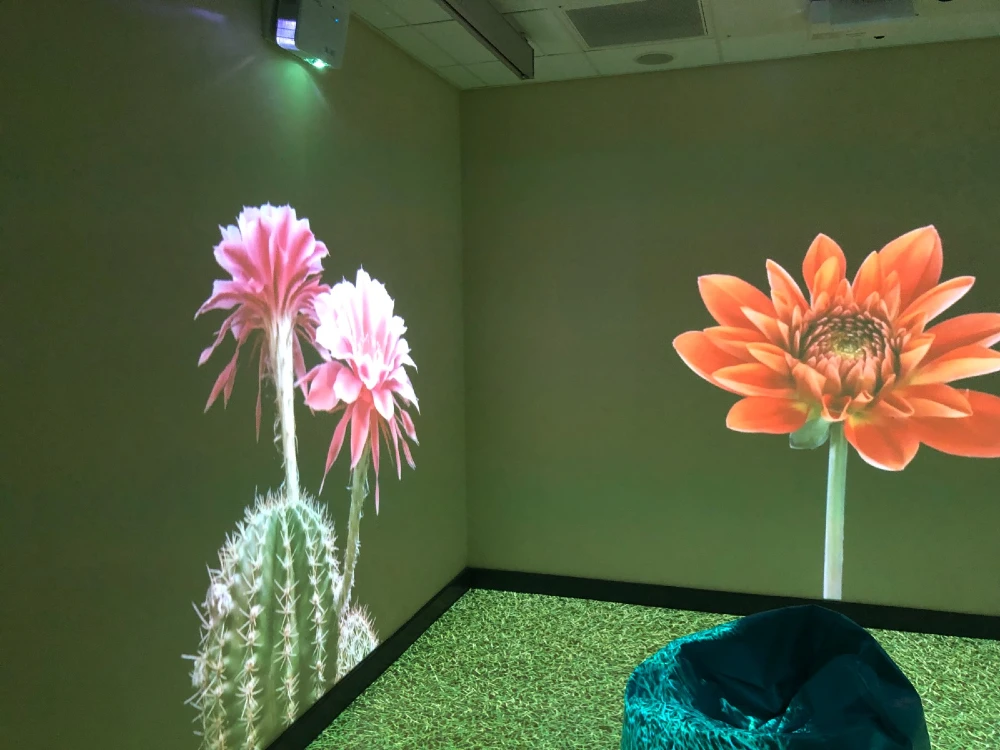
At the touch of a button, the environment can transform from a calming natural landscape that supports emotional regulation to an engaging learning experience designed to encourage communication, sensory exploration and curriculum-based activities. This flexibility allows immersive rooms to be tailored to the needs of each user, whether supporting relaxation, learning, interaction or discovery.
Why Immersive Rooms Benefit SEND Learners
For many children and young people with SEND, sensory input, communication barriers and busy environments can impact their ability to engage and learn. An immersive sensory room provides a flexible, controlled space where experiences can be adapted to support individual needs.
By combining interactive visuals, sound, lighting and sensory experiences, an immersive room for SEND can help to:
- Reduce Sensory Overload
- Encourage Engagement and Participation
- Support Emotional Regulation
- Create Inclusive Learning Opportunities
- Meet Individual Needs
Supporting Different SEND Needs
One of the key benefits of an immersive sensory room is its flexibility. Experiences can be personalised to suit each learner’s strengths, preferences and support needs, creating a space that feels engaging, comfortable and purposeful.
Supporting Learners with Autism
For learners with autism, immersive rooms for SEND can provide a predictable and controlled environment where sensory input can be carefully managed. This can help reduce anxiety, support routines and create opportunities for exploration without overwhelming stimulation.
Examples include:
- Calming scenescapes such as ocean or forest environments
- Practical, scenario-based experiences that support life skills development
- Gentle lighting and relaxing visuals
- Interactive, social scenarios
Supporting Learners with ADHD
Immersive rooms for SEND can help learners with ADHD stay engaged through interactive, movement-based experiences. Combining physical activity with learning can support focus, participation and short regulation breaks throughout the day.
Examples include:
- Interactive floor projections
- Educational games
- Movement-based learning activities
- Short sensory breaks to help refocus
Supporting Pupils with SEMH Needs
For pupils with Social, Emotional and Mental Health (SEMH) needs, immersive environments can provide a safe space to regulate emotions, reflect and develop positive coping strategies.
Examples include:
- Guided breathing experiences
- Calming nature environments
- Relaxation sessions
- Positive reward activities
Supporting Communication Needs
Immersive rooms for SEND can encourage communication and interaction by providing shared experiences that are accessible to a wide range of learners, including those with speech and language difficulties or social communication differences.
Examples include:
- Interactive storytelling scenarios
- Visual communication activities
- Turn-taking games
- Experiences that encourage interaction and confidence building
Supporting Learners with Anxiety
A bespoke immersive environment can provide a calm, predictable space where learners can relax, manage anxiety and feel more prepared for the school day. These spaces can also support transitions and provide a quiet retreat when needed.
Examples include:
- Peaceful beach scenes
- Rainforest environments
- Space exploration themes
- Underwater worlds
Supporting Sensory Processing Differences
For sensory seekers, immersive rooms can provide:
- Interactive movement experiences
- Dynamic visuals
- Stimuating sounds
For sensory avoiders, they can offer:
- Reduced brightness
- Slow-moving projections
- Minimal distractions
Supporting Learning Beyond Regulation
While immersive rooms are often used to support emotional regulation and sensory needs, their benefits extend far beyond creating a calming space. These flexible environments can also become valuable learning tools, helping bring lessons to life in a way that encourages curiosity, engagement and participation.
By transforming the learning environment, immersive rooms can help pupils explore topics in a more interactive and memorable way. From stepping into a rainforest during a geography lesson to exploring space in science, learners can experience subjects rather than simply read about them.
Examples of curriculum-based activities include:
Geography: Exploring different countries, environments and natural landscapes
Science: Discovering the human body, space, animals and natural phenomena
History: Visiting historical settings and bringing past events to life
Literacy: Supporting storytelling, creative writing and communication activities
Maths: Using interactive games and visual experiences to reinforce concepts
PSHE: Exploring emotions, relationships and wellbeing topics
Life Skills: Practising everyday scenarios in a safe, engaging environment
By making learning more interactive and multisensory, immersive rooms can help increase motivation, encourage active participation and support stronger knowledge retention. For SEND learners in particular, these experiences provide alternative ways to access learning and develop confidence within the classroom.
Creating Inclusive Learning Environments with Immersive Rooms
From creating calming spaces for emotional regulation to providing interactive opportunities for communication, exploration and learning, immersive rooms offer schools a flexible resource that supports pupils across a wide range of SEND needs.
When thoughtfully designed, an immersive learning environment can become much more than a sensory space – it can be a place where learners feel supported, engaged and encouraged to explore new experiences.
Looking to create an immersive learning environment tailored to your pupils’ needs? Our team designs and installs bespoke immersive sensory rooms for schools, specialist settings and education providers across the UK. Get in touch to discuss your project or arrange a demonstration.