When we think about our senses, we typically think of the five we learn about from an early age: sight, sound, touch, taste and smell. However, our sensory experiences extend far beyond these. We also rely on sensory systems that help us understand movement, balance, body awareness and internal sensations, all of which play an important role in how we interact with the world around us.
This is where Sensory Integration comes in. Sensory Integration is the process through which our brains receive, organise and interpret information from our different sensory systems, helping us make sense of our surroundings and respond to everyday experiences. From recognising different textures to maintaining balance, coordinating movements and understanding where our bodies are in space, Sensory Integration influences many aspects of daily life.
Understanding these additional senses, particularly vestibular, proprioceptive and tactile input, can provide valuable insight into how individuals experience and respond to sensory information. It also highlights the importance of creating environments that offer opportunities for varied sensory experiences, exploration and interaction.
In this guide, we’ll explore the eight sensory systems, how they work together and how thoughtfully designed Sensory Integration Rooms can provide opportunities to engage with different types of sensory input and sensory integration therapy.
Understanding the Eight Sensory Systems
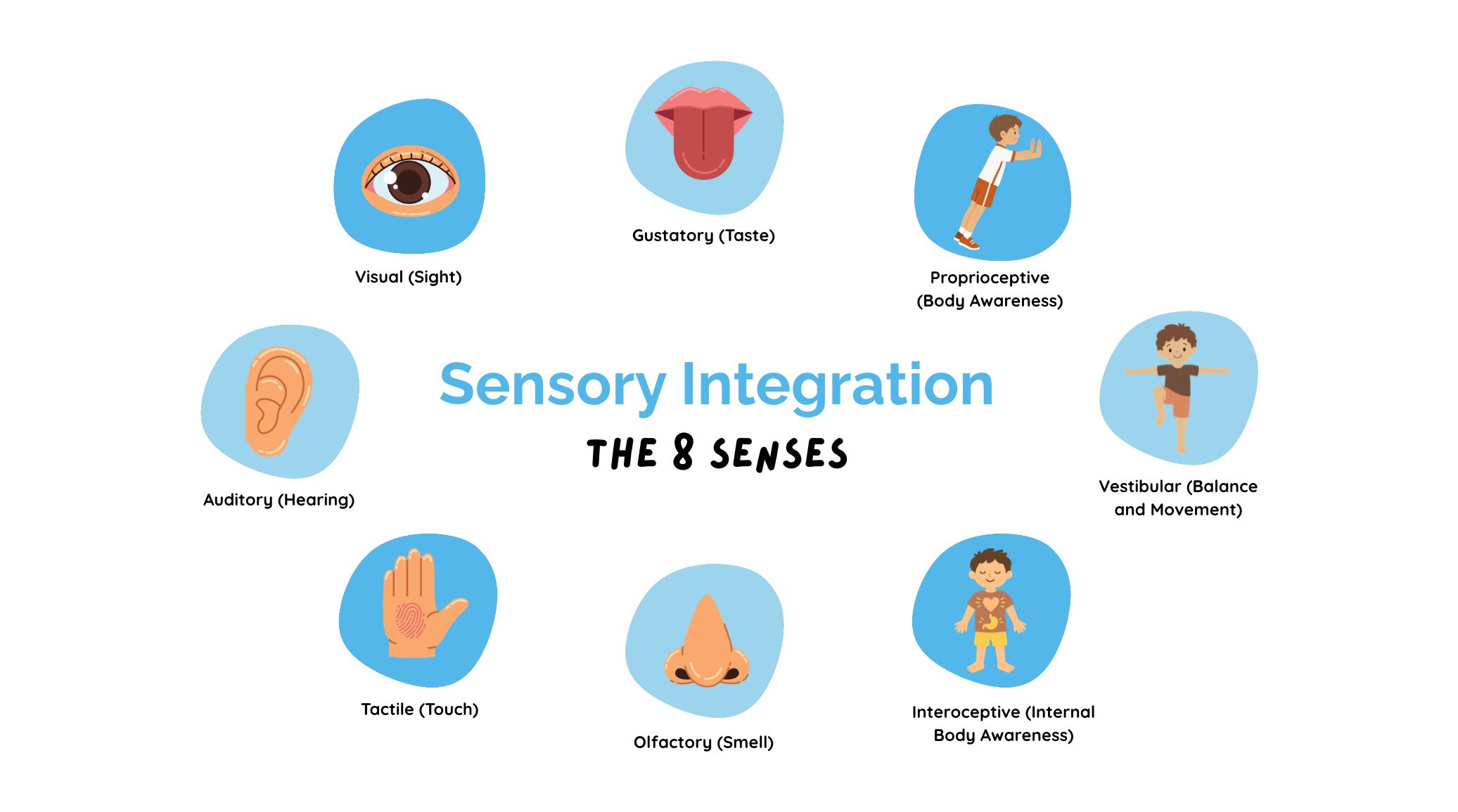
Although we’re mostly familiar with the five traditional senses, our bodies actually rely on eight sensory systems to gather and process information. Each provides different information about ourselves and the environment around us, helping us understand what we’re experiencing and how to respond.
These sensory systems work together continuously, influencing everything from movement and coordination to concentration, interaction and awareness of our surroundings.
Here’s a closer look at the eight sensory systems and the role each plays:
Visual (Sight)
Our visual system processes information through our eyes, helping us recognise colours, shapes, patterns, movement and changes in our surroundings. It plays an important role in visual awareness, tracking objects and understanding the environment around us.
Auditory (Hearing)
The auditory system allows us to process sounds, from speech and music to background noises and environmental sounds. It helps us recognise different sounds, respond to auditory cues and make sense of what is happening around us.
Tactile (Touch)
Our tactile system processes information through receptors in the skin, allowing us to experience different textures, temperatures, pressure and physical sensations. It contributes to our awareness of objects, surfaces and physical contact.
Gustatory (Taste)
The gustatory system allows us to recognise different tastes, including sweet, sour, salty, bitter and savoury. It helps us identify flavours and distinguish between different foods and drinks.
Olfactory (Smell)
Our olfactory system processes different smells and scents, helping us recognise and distinguish odours in our surroundings. Smell can also be closely linked to memories, emotions and familiar experiences.
Vestibular (Balance and Movement)
Located within the inner ear, the vestibular system provides information about movement, balance, gravity and changes in head position. It helps us understand how our bodies move through space and supports posture, coordination and spatial awareness.
Proprioceptive (Body Awareness)
The proprioceptive system provides information from our muscles, joints and connective tissues, helping us understand the position and movement of our bodies without needing to look. It supports body awareness, coordination and the ability to judge how much force to use when carrying out different activities.
Interoceptive (Internal Body Awareness)
Interoception relates to our ability to recognise and interpret signals from inside our bodies. These include sensations such as hunger, thirst, temperature, tiredness, breathing and the need to use the toilet, helping us recognise and respond to our internal needs.
The Important Senses in Sensory Integration Rooms
While all eight sensory systems play an important role in how we process and respond to information, some are particularly relevant when considering the design and use of Sensory Integration Rooms.
The vestibular, proprioceptive and tactile systems are especially important when exploring movement, body awareness and physical interaction. Through carefully selected equipment and activities, sensory integration rooms can provide opportunities to engage with these systems in different ways, encouraging movement, tactile exploration and interaction with the surrounding environment.
In the following sections, we’ll take a closer look at each of these systems and explore the types of activities and equipment that can provide opportunities for sensory exploration.
What is the Vestibular System? (Balance and Movement)
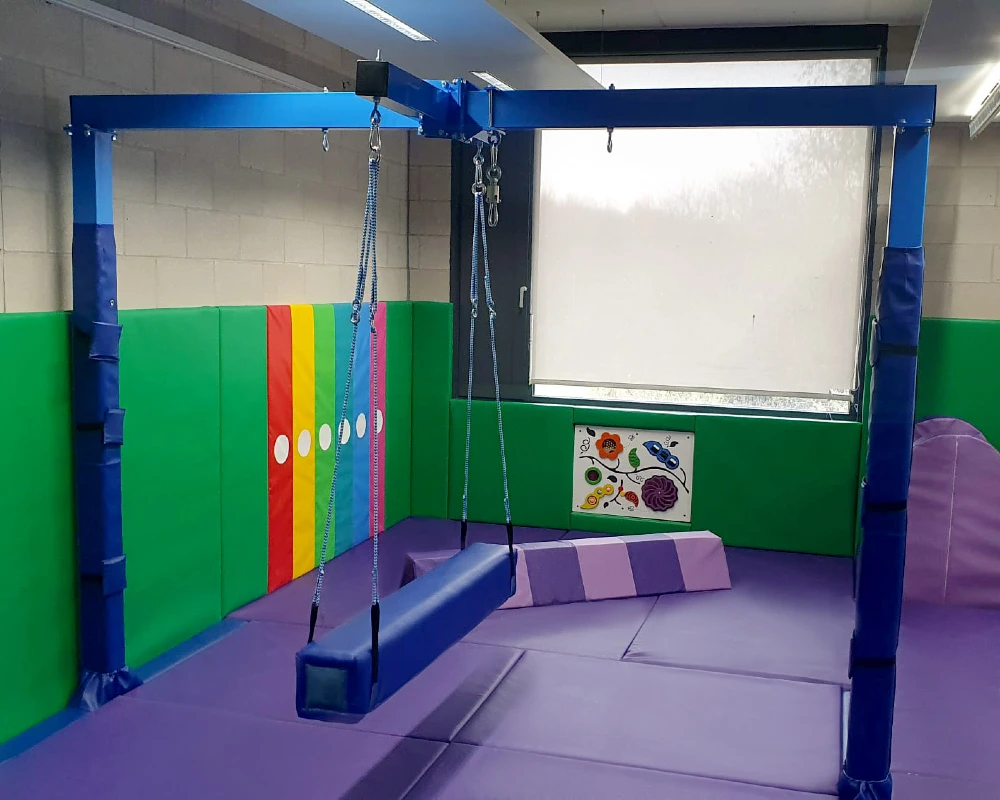
Located within the inner ear, the vestibular system helps us understand movement, balance, gravity and changes in head position. It provides information about how our bodies move through space, supporting posture, coordination and spatial awareness.
Vestibular input is experienced through activities involving movement and changes in body position, such as swinging, rocking, spinning and balancing. These experiences help us develop an awareness of movement and maintain stability as we navigate our surroundings.
Individuals can experience vestibular input differently. Some may actively seek movement and enjoy activities involving swinging or spinning, while others may be more sensitive to movement and prefer slower, more predictable experiences.
Sensory activities and equipment that provide opportunities for vestibular input include:
- Sensory swings: Encourages gentle rocking, swinging and changes in body position.
- Balance equipment: Provides opportunities to develop balance, stability and coordination.
- Rocking equipment: Introduces gentle, repetitive movement.
- Climbing and movement equipment: Encourages exploration of movement, different levels and body positioning.
What is the Proprioceptive System? (Body Awareness)
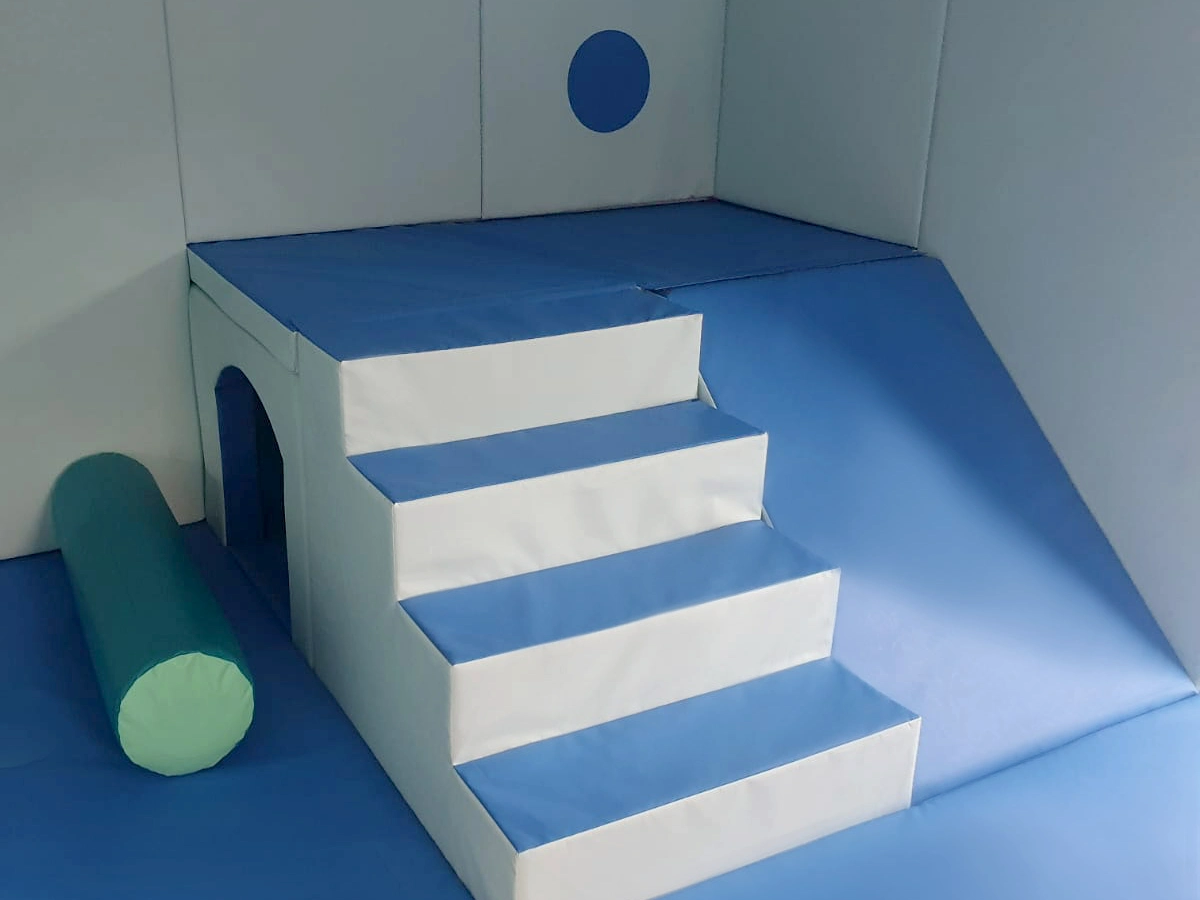
The proprioceptive system helps us understand where our bodies are in space and how different parts are moving, without relying on sight. Sensory receptors in our muscles, joints and connective tissues provide information about body position, movement and the amount of force needed for different activities.
Proprioceptive input is experienced through activities involving pushing, pulling, lifting, stretching and resistance. These movements provide feedback to the brain, supporting body awareness, coordination and movement control.
Some individuals may actively seek proprioceptive input through physical activities, while others may benefit from opportunities to explore different types of movement and resistance.
Sensory activities and equipment that provide opportunities for proprioceptive input include:
- Climbing equipment: Encourages physical effort and coordinated body movements.
- Push and pull activities: Provide opportunities to explore resistance and muscle movement.
- Soft play equipment: Encourages crawling, climbing and navigating different surfaces.
- Weighted equipment: Introduces additional resistance or pressure when appropriately selected.
What is the Tactile System? (Touch and Texture)
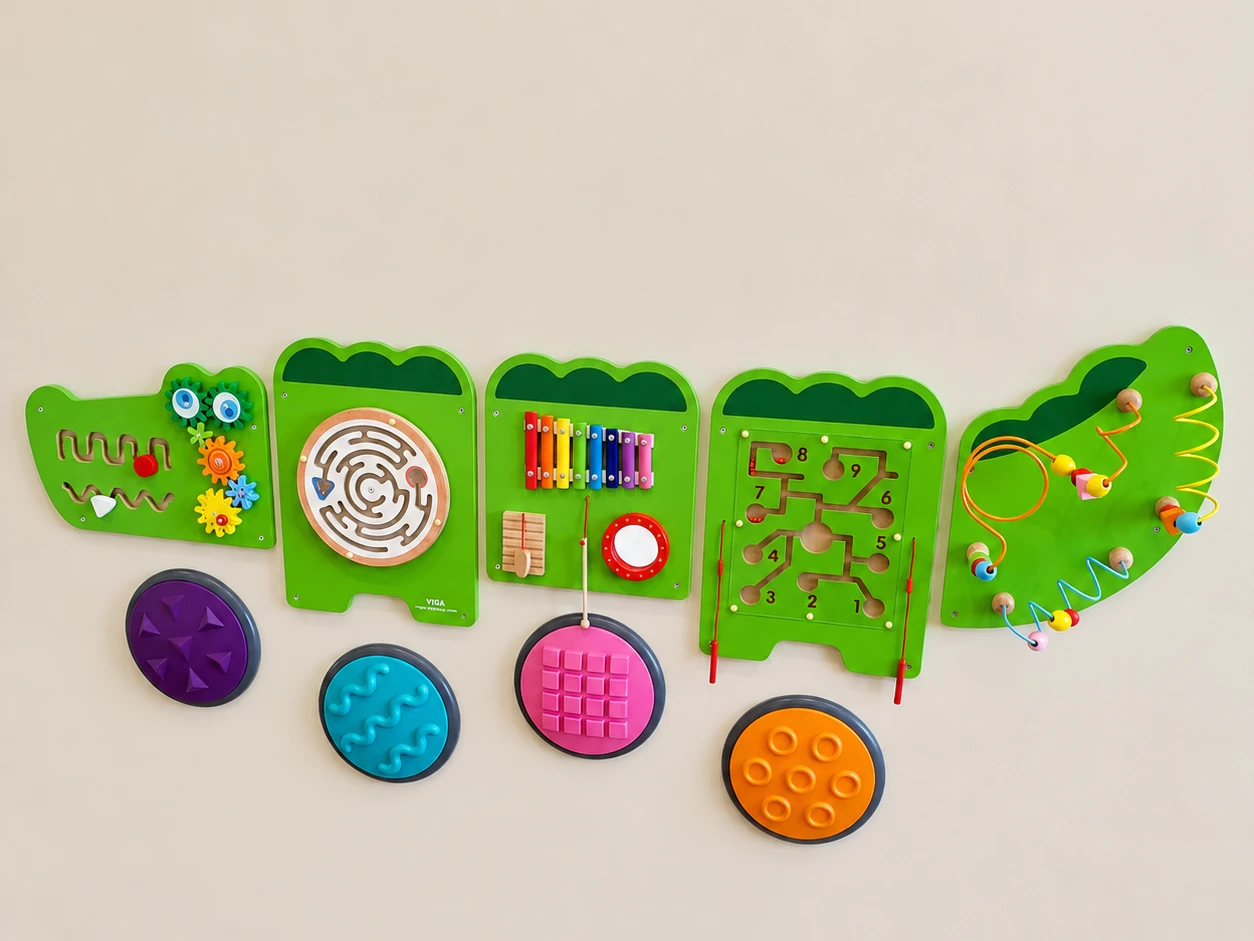
The tactile system processes information through receptors in our skin, allowing us to experience different textures, temperatures, pressure and physical sensations. It helps us understand and interact with objects and surfaces, while contributing to our awareness of touch and physical surroundings.
Tactile input is experienced through activities involving different materials, textures and levels of pressure. From exploring soft fabrics and textured surfaces to handling sensory objects, these experiences provide opportunities to develop tactile awareness and explore different sensations.
Individuals can respond to tactile experiences differently. Some may enjoy exploring a wide variety of textures, while others may be more sensitive to certain materials or types of touch.
Sensory activities and equipment that provide opportunities for tactile input include:
- Tactile wall panels: Offers different textures and surfaces to explore through touch.
- Sensory cushions and fabrics: Introduces a variety of materials and tactile experiences.
- Textured play equipment: Encourages hands-on exploration of different surfaces and patterns.
- Sensory materials: Provides opportunities to handle, manipulate and explore different textures.
The Role of Sensory Integration Rooms and Equipment
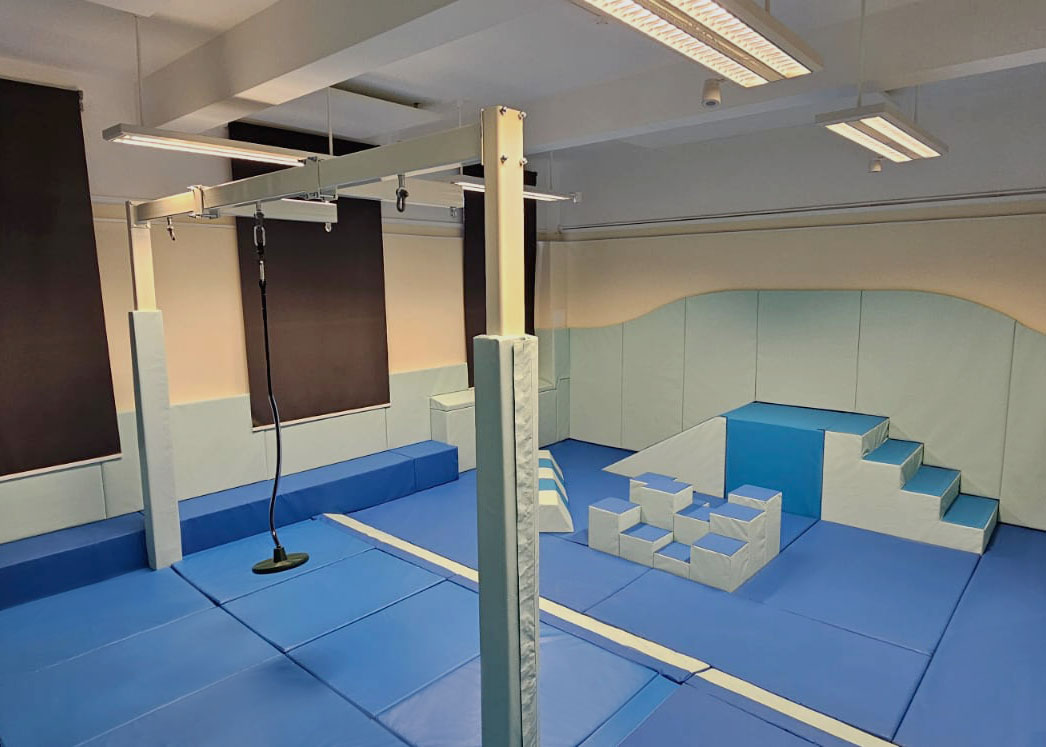
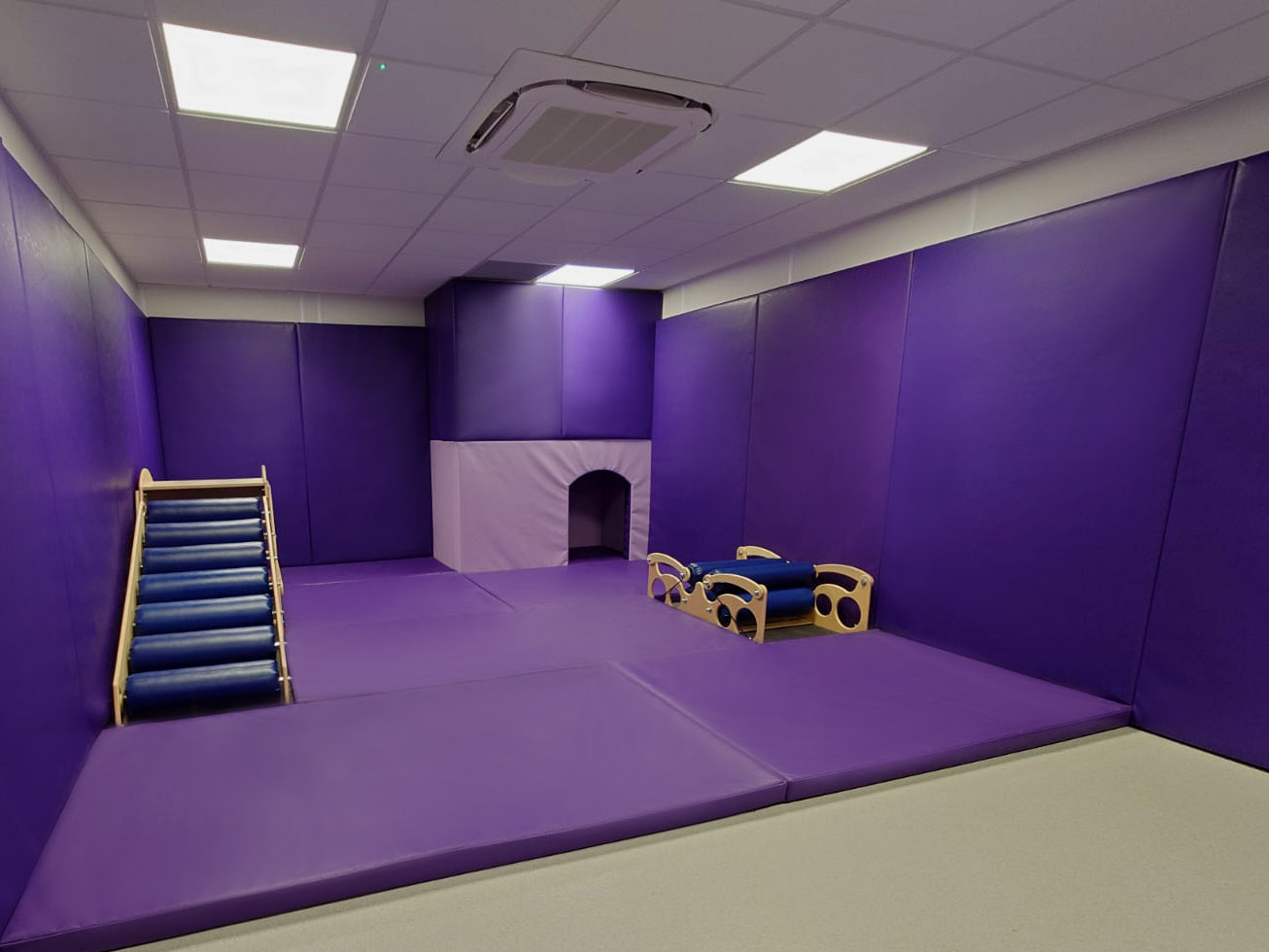
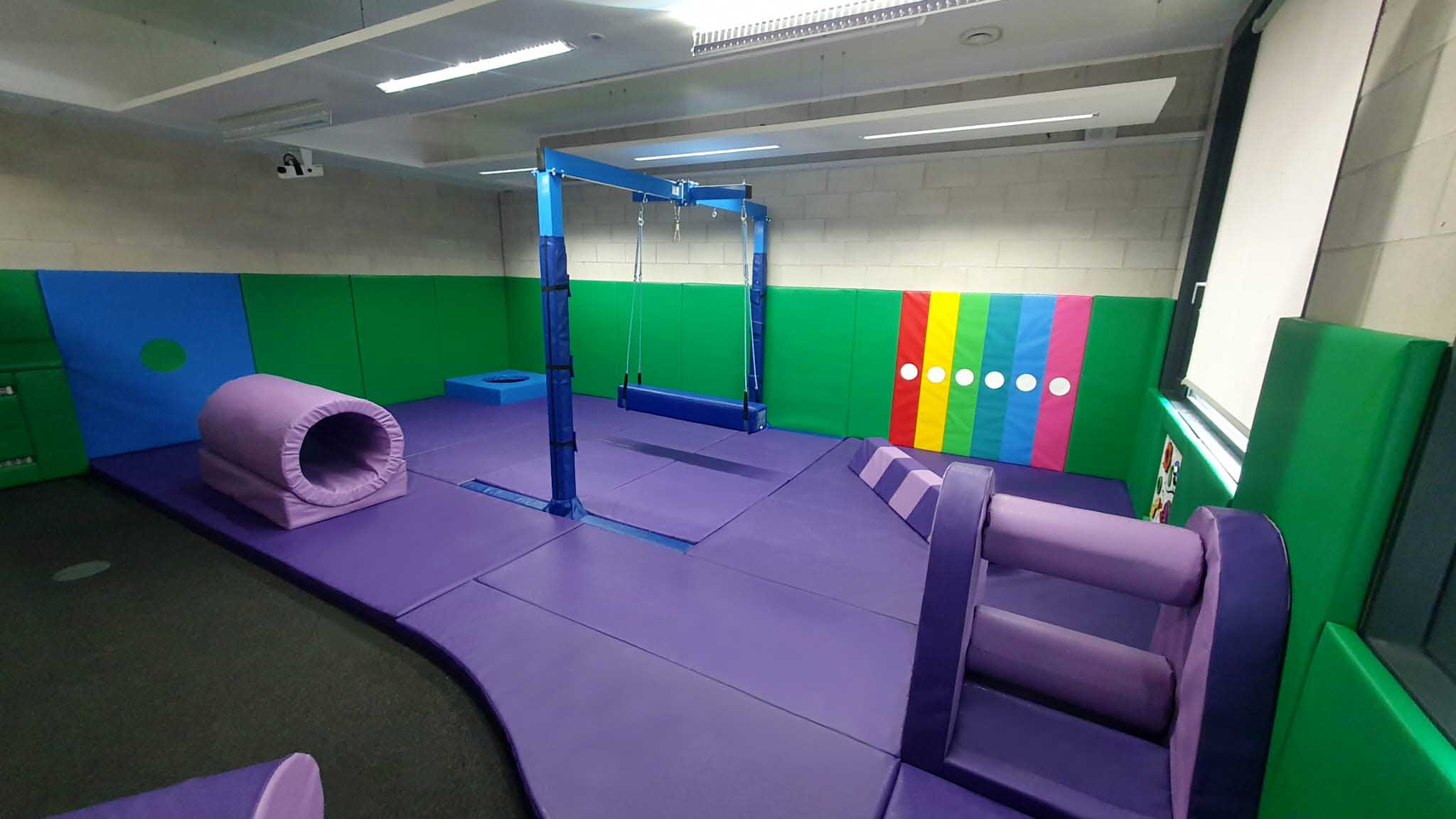
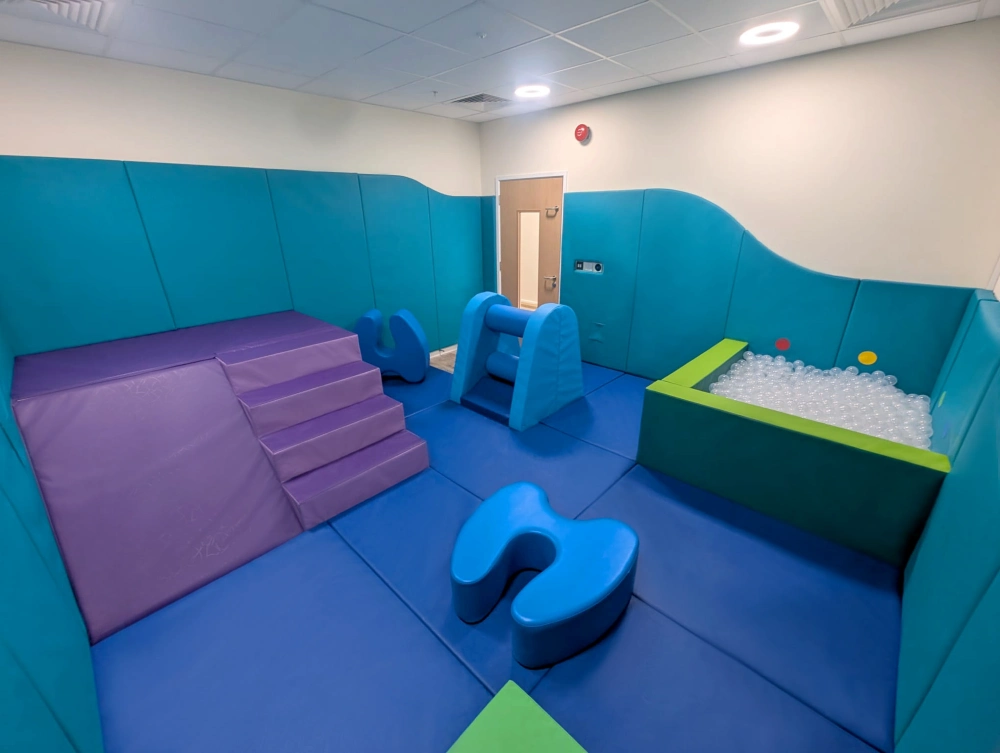
Sensory Integration Rooms provide dedicated environments where individuals can explore different types of sensory input through a carefully selected range of equipment and activities. Designed around the needs of their users, these spaces offer opportunities for movement, tactile exploration, visual engagement and interaction and more.
From sensory swings and climbing equipment that encourage vestibular and proprioceptive input to tactile panels and interactive lighting, different features can be incorporated to create varied sensory experiences. Unlike a standard Sensory Room, which may focus more broadly on relaxation, visual stimulation or interactive experiences, a Sensory Integration Room can place greater emphasis on activities that engage different sensory systems through movement and physical interaction.
The layout and selection of equipment are just as important as the individual features. Providing dedicated activity areas, suitable floor space and opportunities for movement can help create a flexible environment that accommodates a variety of activities and individual requirements.
How Do the Sensory Systems Work Together?
Although each sensory system has its own role, they don’t work in isolation. Our brains continually combine information from all eight senses to help us understand our surroundings, coordinate movements and respond to different experiences.
For example, climbing involves several sensory systems working together. The vestibular system helps us maintain balance, proprioception provides awareness of body position and movement, while the tactile system processes information about the surfaces we touch.
The way individuals process sensory information can vary, influencing how they respond to different environments and activities. Understanding these differences is important when considering how to provide suitable sensory experiences.
This is why a varied approach to sensory integration therapy is so important. Offering opportunities to engage with different sensory systems through movement, touch, visual experiences and sound can help create more engaging and adaptable sensory environments.
Here at Sensory Technology, we design, manufacture and install bespoke Sensory Integration Rooms, working closely with organisations to understand their requirements and the people who will use the space. From individual equipment features to fully equipped environments, every design is carefully considered to make the best use of the available space.
Whether you’re looking to create a dedicated Sensory Integration Room or incorporate Sensory Integration Equipment into an existing space, we can help develop a bespoke solution tailored to your users and environment.