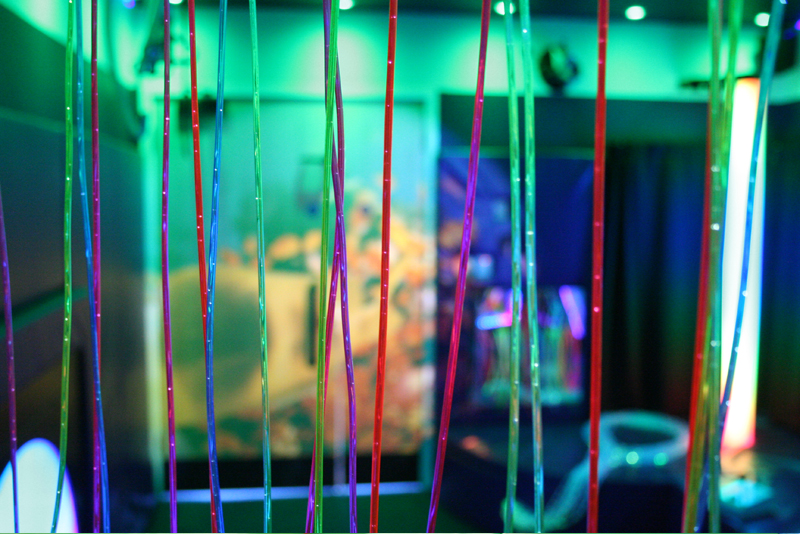
Sensory Dark Rooms provide carefully controlled environments where lighting, colour and visual stimuli can be used to encourage exploration, engagement and visual development. Often designed with individuals with visual impairments and additional sensory needs in mind, these specialist spaces offer opportunities to explore light, movement, patterns and contrast in an environment tailored to individual abilities and requirements.
From UV lighting and fluorescent resources to fibre optics and interactive sensory equipment, there are many ways to create an engaging and purposeful dark room. However, choosing the right features involves more than simply selecting equipment.
In this guide, we explore what Sensory Dark Rooms are, the benefits they can offer, the equipment commonly used and the key considerations when designing an environment that makes the most of visual sensory experiences.
What Is a Sensory Dark Room?
A Sensory Dark Room is a specialist environment designed to provide controlled lighting conditions, allowing visual stimuli to become more prominent and easier to explore. By minimising external light and distractions, these spaces help highlight specific colours, shapes, patterns and movements, creating an environment where visual experiences can be introduced in a more focused and controlled way.
Sometimes referred to as VI (Visual Impairment) Rooms or Visual Assessment Rooms, Sensory Dark Rooms are particularly valuable for individuals with visual impairments, including those with limited or developing vision. They provide opportunities to explore how users respond to different light sources, follow moving objects and engage with illuminated features at their own pace.

Unlike traditional Multisensory Rooms, which often incorporate a combination of lighting, sound, tactile and interactive experiences, dark rooms place a greater emphasis on visual stimulation. Carefully selected equipment, contrasting colours and adjustable lighting can help create distinct visual experiences, whether the aim is to encourage visual tracking, explore cause and effect or simply enjoy the movement and changing effects of light.
Who Can Benefit from a Sensory Dark Room?
Sensory Dark Rooms can be valuable resources across a range of educational, healthcare and specialist care environments. While they are particularly beneficial for individuals with visual impairments, their adaptable nature means they can support people with a variety of abilities, needs and levels of vision.
Some of the settings and users who may benefit include:
- Individuals with Visual Impairments
For individuals with visual impairments or complex visual needs, Dark Rooms can provide opportunities to explore light, colour, movement and contrast in a controlled setting. Carefully selected equipment can encourage visual awareness, tracking and responses to different visual stimuli, with activities adapted to suit each individual’s level of vision.
- Schools and SEND Settings
Dark Rooms can offer valuable additional resources for Special Schools, Mainstream Schools and other SEND Provisions. They provide an adaptable environment for incorporating visual activities into individual learning programmes, supporting exploration, engagement and opportunities to develop visual skills.
- Healthcare and Specialist Care Settings
Hospitals, Rehabilitation Centres and Specialist Care Environments can use Dark Rooms to provide dedicated spaces for visual exploration and structured sensory activities. Working alongside relevant healthcare professionals, equipment and lighting can be selected to reflect individual requirements and support specific programmes of activity.
- Occupational Therapists and VI Specialists
For Occupational Therapists, Qualified Vision Specialists and other supporting professionals, Dark Rooms can provide a controlled environment in which to introduce visual stimuli and observe individual responses. Different lighting effects, illuminated objects and interactive resources can be incorporated into activities, helping professionals tailor experiences to the needs and abilities of each user.
What Equipment Do You Need in a Sensory Dark Room?
Choosing the right sensory equipment is an important part of creating an effective Dark Room. Different lighting effects, illuminated features and interactive resources can be combined to introduce a variety of visual experiences, from gentle changes in colour and movement to more engaging, hands-on activities.
The most suitable equipment will depend on the intended users, their individual abilities and the purpose of the space. Below are some popular options to consider when planning a Sensory Dark Room.
UV and Blacklight Lighting
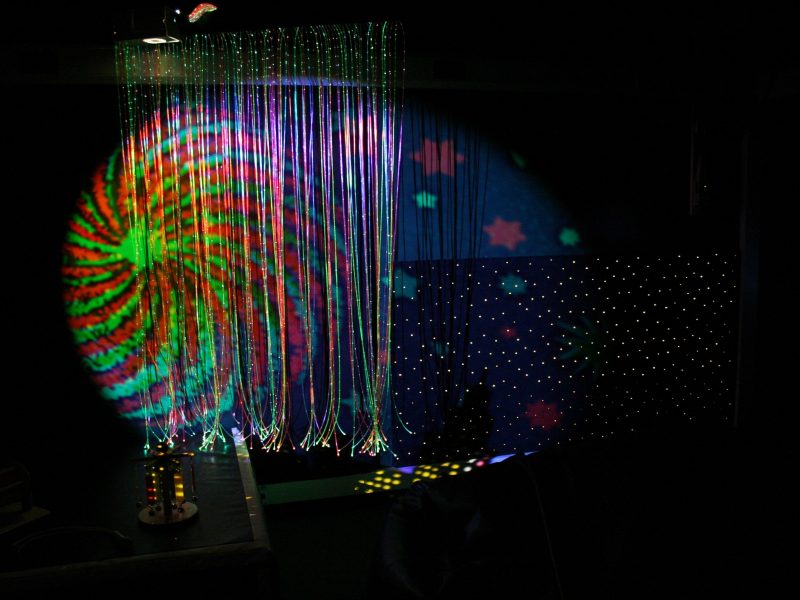
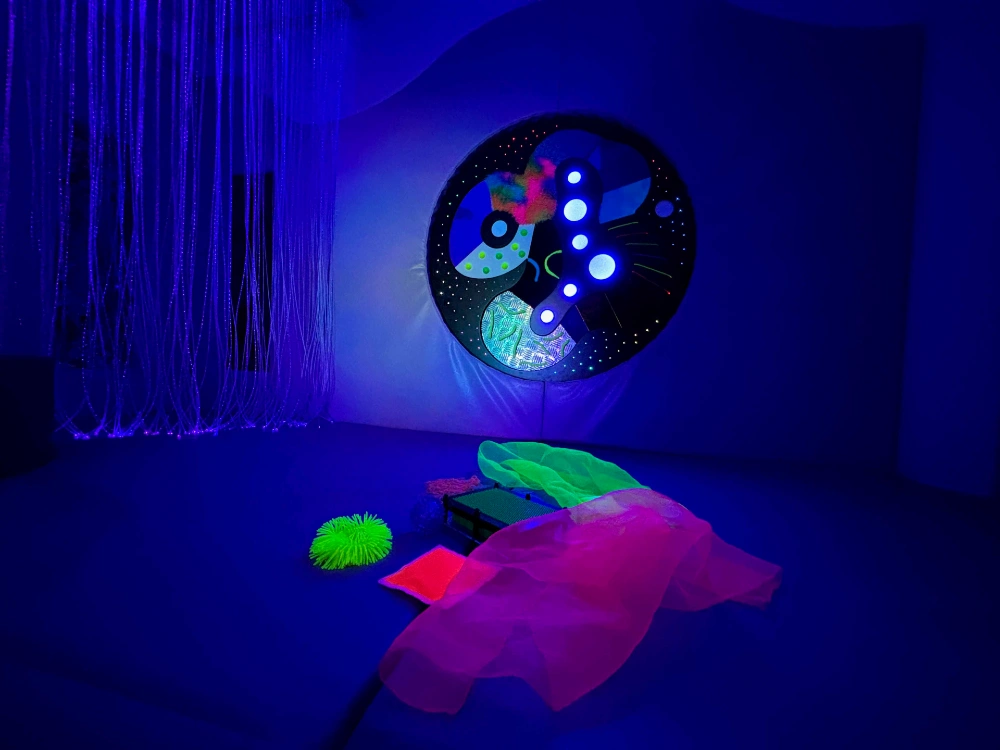
UV lighting, often referred to as blacklight, is a popular feature in Sensory Dark Rooms. It causes specially selected fluorescent materials and objects to glow brightly, creating striking visual contrasts against darker surroundings.
UV-reactive wall features, fluorescent toys, clothing and accessories can all be incorporated to introduce colour and visual interest, providing opportunities for exploration and interaction.
Fibre Optic Lighting
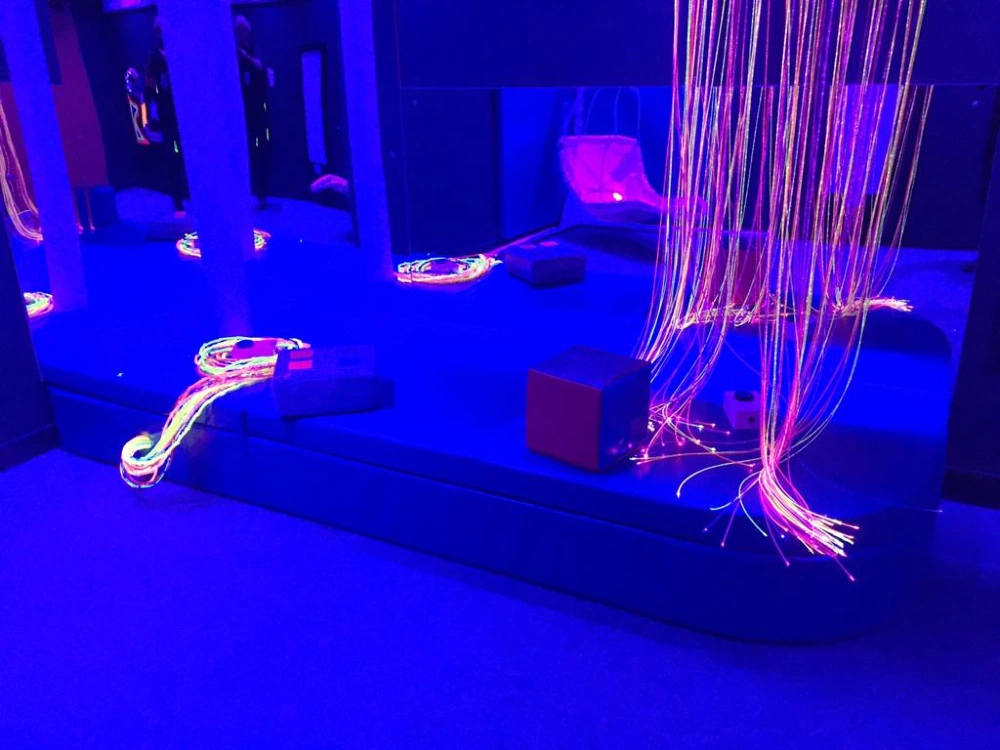
Fibre Optic Lighting offers a versatile way to introduce colour, movement and illuminated textures. Available in a variety of formats, including curtains, waterfalls and tactile bundles, fibre optics can create captivating visual effects within a darkened environment.
The illuminated strands can also be handled and explored, combining visual interest with tactile interaction. With colour-changing effects, they provide a flexible resource for different sensory activities.
Interactive Sensory Panels
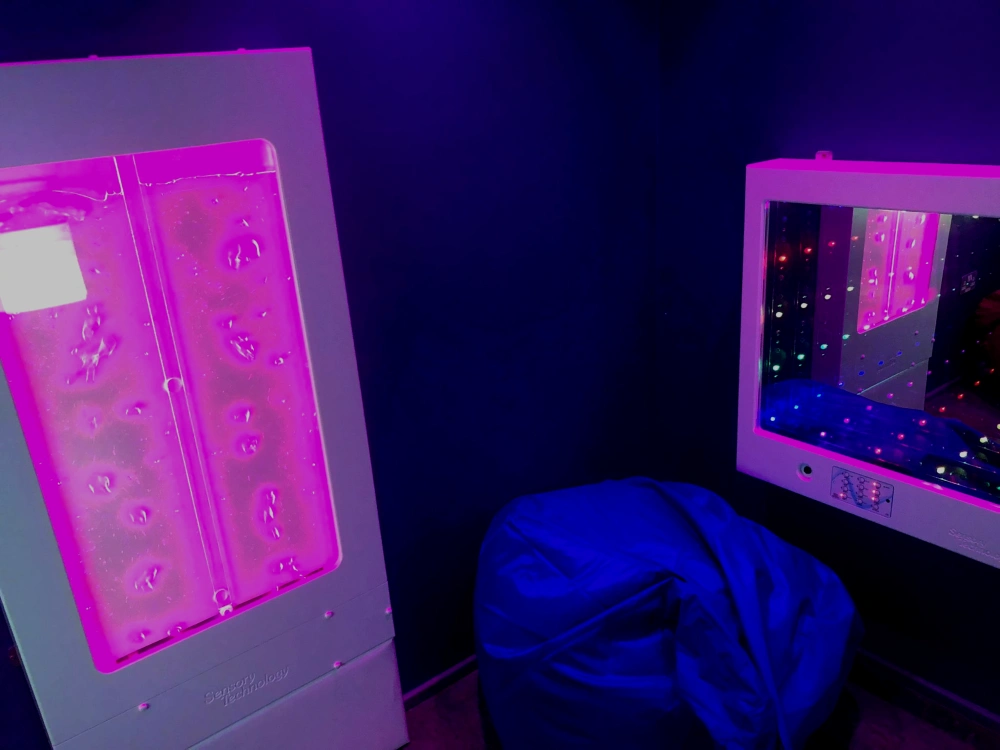
Interactive Sensory Panels introduce opportunities for users to engage directly with their surroundings. Featuring illuminated buttons, switches and touch-sensitive elements, these resources can encourage interaction, cause-and-effect exploration and visual attention.
Many options incorporate colour-changing effects and different lighting sequences, allowing users to influence what they see through their own movements and interactions.
Sensory Bubble Tubes
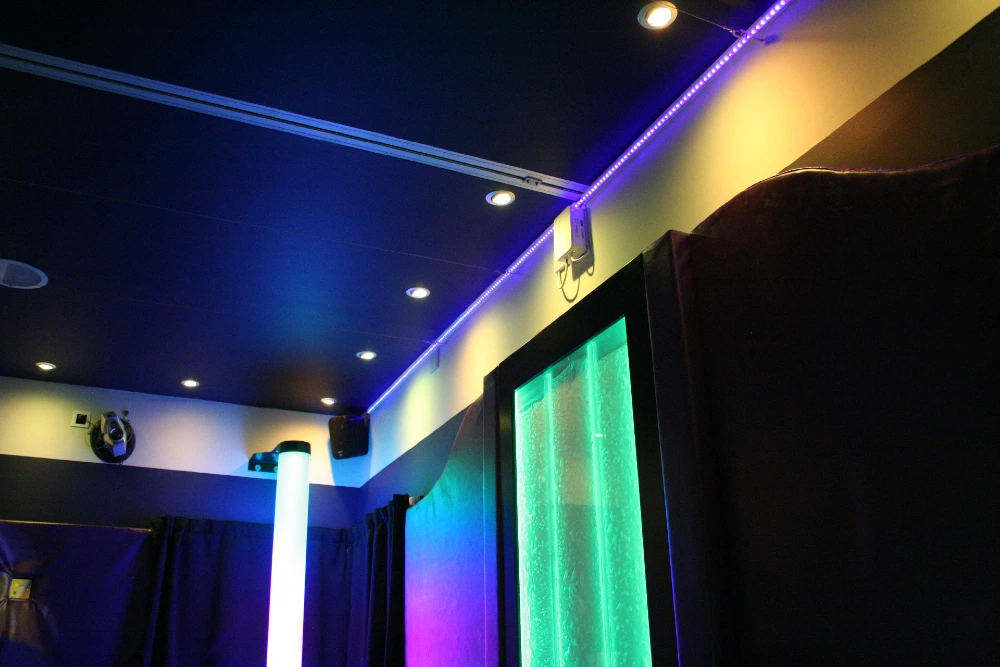
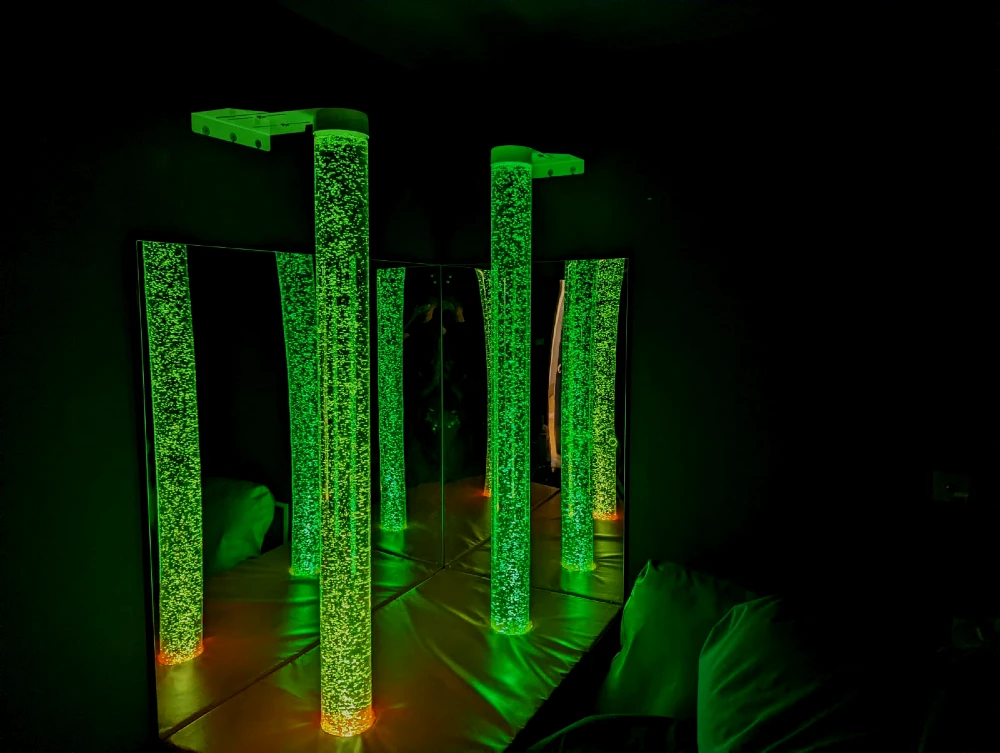
Combining gently rising bubbles with colour-changing illumination, Sensory Bubble Tubes introduce movement and visual interest into sensory dark rooms. The continuous movement of bubbles provides an engaging visual feature, while changing colours offer opportunities to explore different lighting effects.
They can also be incorporated alongside interactive switches, allowing users to influence the colours and effects themselves.
UV-Reactive and Fluorescent Resources
Smaller UV-reactive resources can make a valuable addition to a dark room, offering simple ways to introduce different colours, shapes and textures. From fluorescent tactile panels and sensory toys to illuminated objects and contrasting materials, these features can encourage users to explore their surroundings through both sight and touch.
When used alongside UV lighting, they can help create a visually engaging environment without requiring extensive equipment or complicated installations.
The Value of a Dedicated Sensory Dark Room
We’ve covered what makes a Sensory Dark Room, the users they can support and the equipment that can be incorporated. But what are the benefits of bringing all these elements together? Let’s take a closer look.
- Supporting Visual Tracking and Attention
Moving lights, illuminated objects and changing visual patterns can encourage users to follow stimuli with their eyes, supporting opportunities to practise visual tracking and attention.
- Encouraging Visual Exploration
A controlled lighting environment can help highlight colours, shapes, patterns and contrasts that may otherwise be less noticeable.
- Developing Hand-Eye Coordination
Interactive activities encourage users to combine visual attention with physical movement, creating opportunities to look, reach and respond while supporting hand-eye coordination and cause-and-effect learning.
- Providing Opportunities for Visual Assessment
For individuals with visual impairments, dark rooms can provide a dedicated environment where different lighting conditions and visual stimuli can be introduced in a controlled way. This can help supporting professionals observe how users respond to light, movement, colour and contrast, informing the selection of appropriate activities and resources.
- Creating Individualised Sensory Experiences
One of the greatest advantages of a sensory dark room is its flexibility. Lighting levels, equipment and activities can be adjusted to reflect individual preferences, abilities and requirements. Whether introducing a single illuminated feature or creating a more immersive visual experience, the environment can be adapted to suit different users and purposes.
Creating a Bespoke Sensory Dark Room with Sensory Technology
At Sensory Technology, we understand that every sensory environment should be as individual as the people who use it. That’s why we take a collaborative approach to designing Sensory Dark Rooms, working closely with schools, healthcare providers, visual impairment specialists and other organisations to create spaces tailored to their needs.
From initial consultation and room planning through to equipment selection, manufacture and installation, our experienced in-house team manages every stage. We take the time to understand how the space will be used, the needs of its intended users and the visual experiences you want to create.
Whether you’re looking for a dedicated visual assessment room, a specialist VI environment or a more interactive sensory space, we’ll help you find the right combination of lighting, equipment and design features to make the most of your available space.