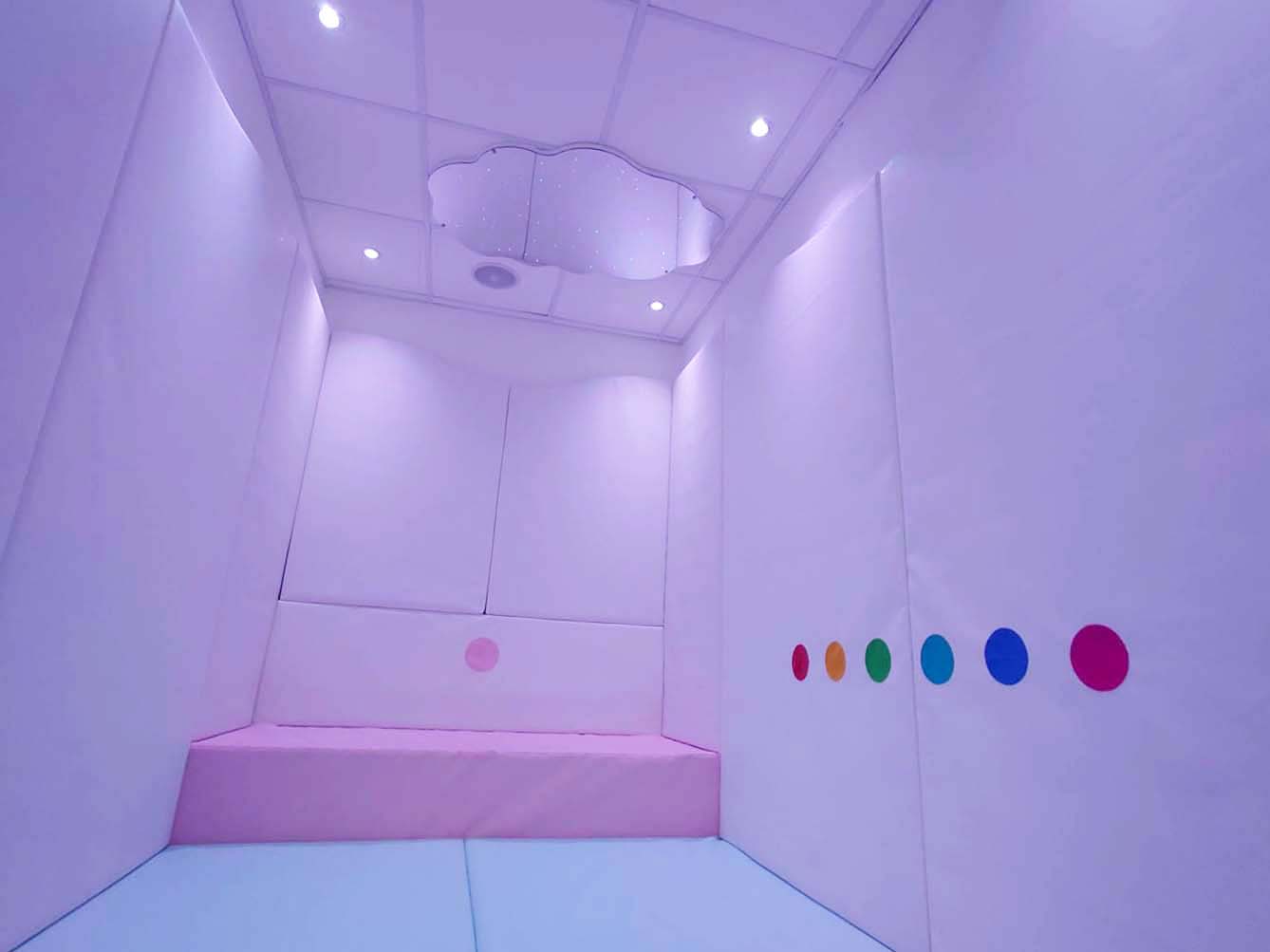
Every school has pupils who occasionally need time and space away from the demands of the classroom. Whether it’s due to sensory overload, heightened emotions, anxiety or behavioural escalation, having the right environment available can make a significant difference.
This is where breakout rooms come in. Designed to provide a safe, supportive environment for pupils to regulate their emotions and regain a sense of calm, breakout spaces are becoming an increasingly important part of behaviour support and wellbeing strategies in schools.
What Is a Breakout Room?
A Safe Place to Pause, Regulate and Re-Engage
A breakout space is a dedicated area within a school where pupils can step away from the classroom when they need additional support.
Rather than focusing on removal from learning, breakout spaces are designed to support emotional regulation, reduce stress and help pupils return to the classroom in a more settled state.
Depending on the school’s approach and needs, a breakout space may also be referred to as:
- A reset room
- A de-escalation room
- A calm room
- A sensory regulation space
- A wellbeing support area
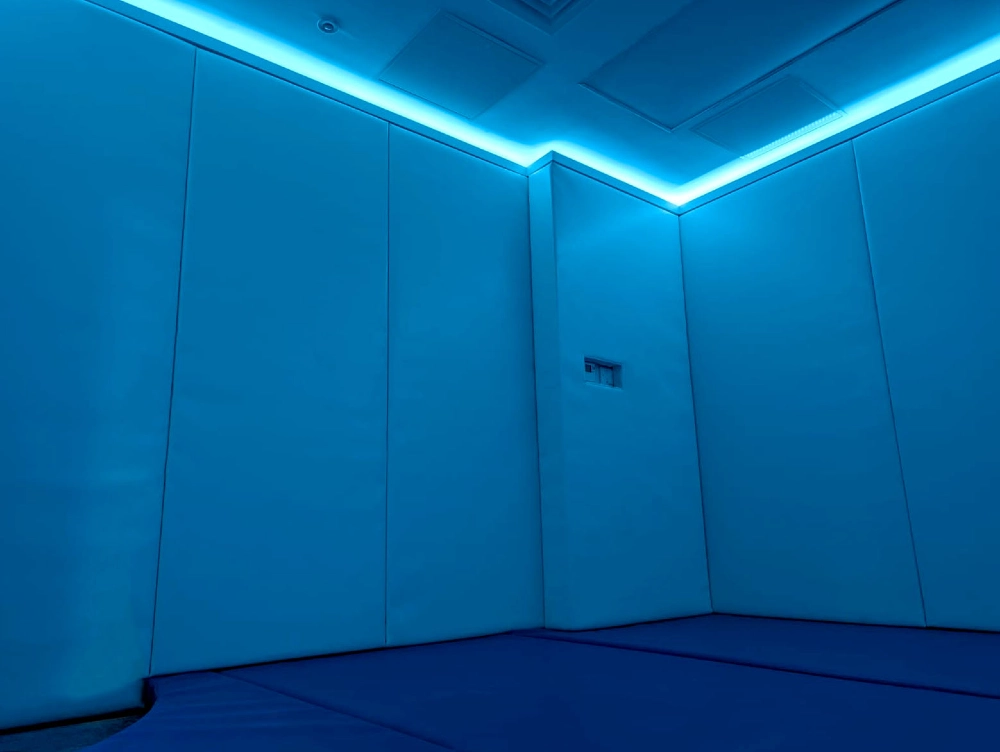
While the terminology may vary, the overall aim remains consistent: to provide a safe, structured environment that supports emotional regulation and positive learning outcomes.
Why Schools Are Introducing De-escalation Spaces
Supporting Pupils Before Behaviour Escalates
Many behaviours are a form of communication. When pupils feel overwhelmed, frustrated or anxious, they often require support to help them regulate, knot simply consequences.
Breakout spaces allow schools to take a more proactive approach by:
- Reducing behavioural incidents
- Supporting emotional regulation
- Minimising disruption to learning
- Enabling early intervention
- Promoting positive behaviour strategies
- Improving overall pupil wellbeing
By offering a calm, safe environment at the right moment, schools can often prevent escalation while helping pupils build self-regulation skills over time.
Who Can Benefit from Breakout Rooms?
Supporting a Wide Range of Needs Across the School
Although often associated with SEND provision, breakout rooms can support a wide range of pupils across both mainstream and specialist settings.
They are particularly beneficial for:
- Pupils with Autism
- Pupils with ADHD
- Children with Sensory Processing Differences (SPD)
- Pupils with Social, Emotional and Mental Health (SEMH) Needs
- Learners experiencing anxiety or emotional distress
- Pupils who become overwhelmed in busy classroom environments
These spaces allow schools to provide more personalised support while strengthening inclusion across the whole school community.
Breakout Rooms, Reset Rooms and De-escalation Rooms
Schools often use different terms to describe spaces designed to support emotional regulation. While breakout rooms, reset rooms and de-escalation rooms may vary slightly in purpose or intensity of use, they all share the same core aim: to provide a safe environment where pupils can regulate their emotions, regain control and return to learning when ready.
Breakout Rooms and Reset Rooms
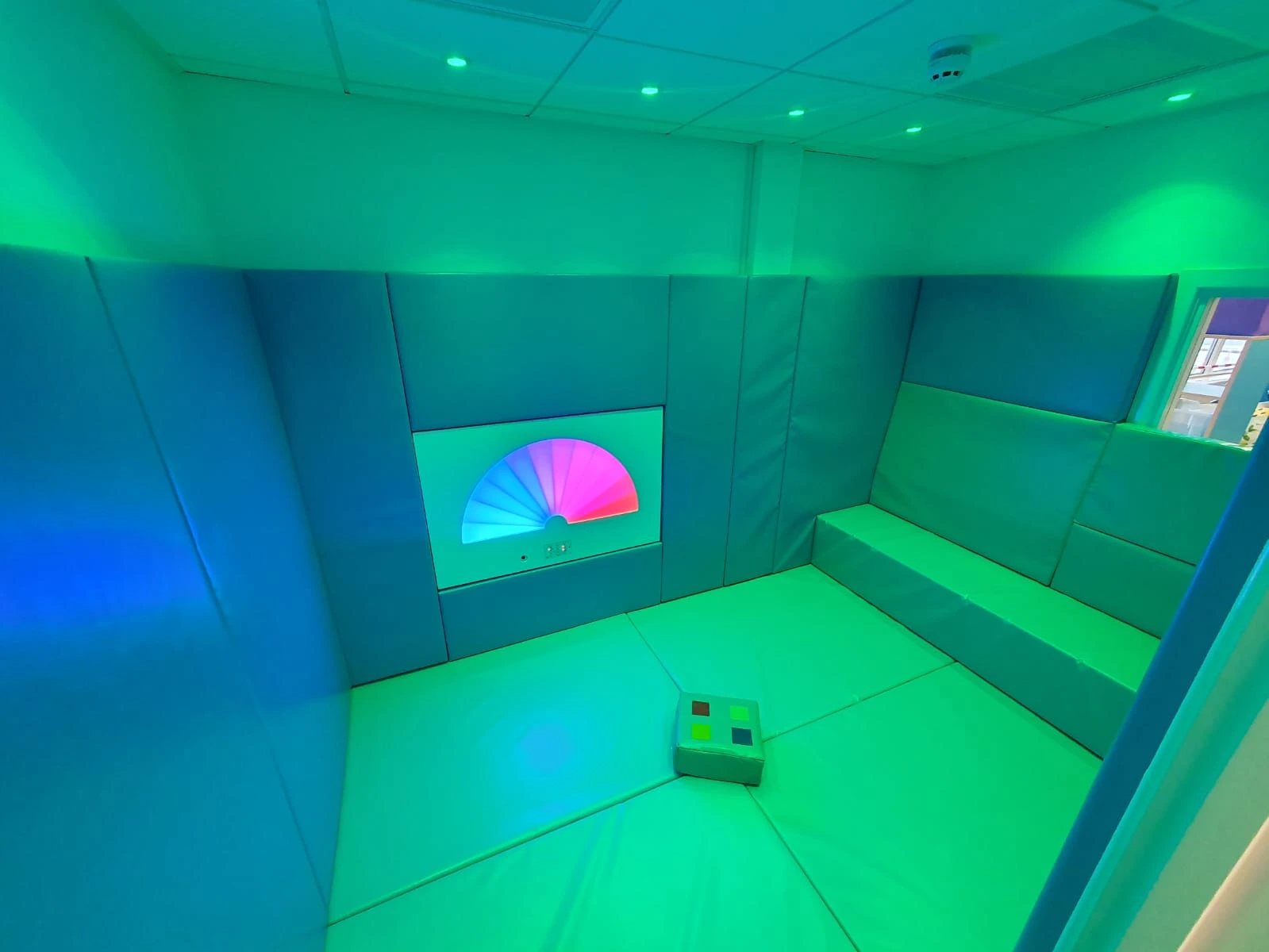
Breakout Rooms and Reset Rooms are often very similar in both design and function. They provide flexible environments where pupils can step away from the classroom to calm down, refocus or receive additional support before re-engaging with learning.
These spaces typically support a wide range of uses, from quiet reflection to one-to-one or small group intervention.
Typical features include:
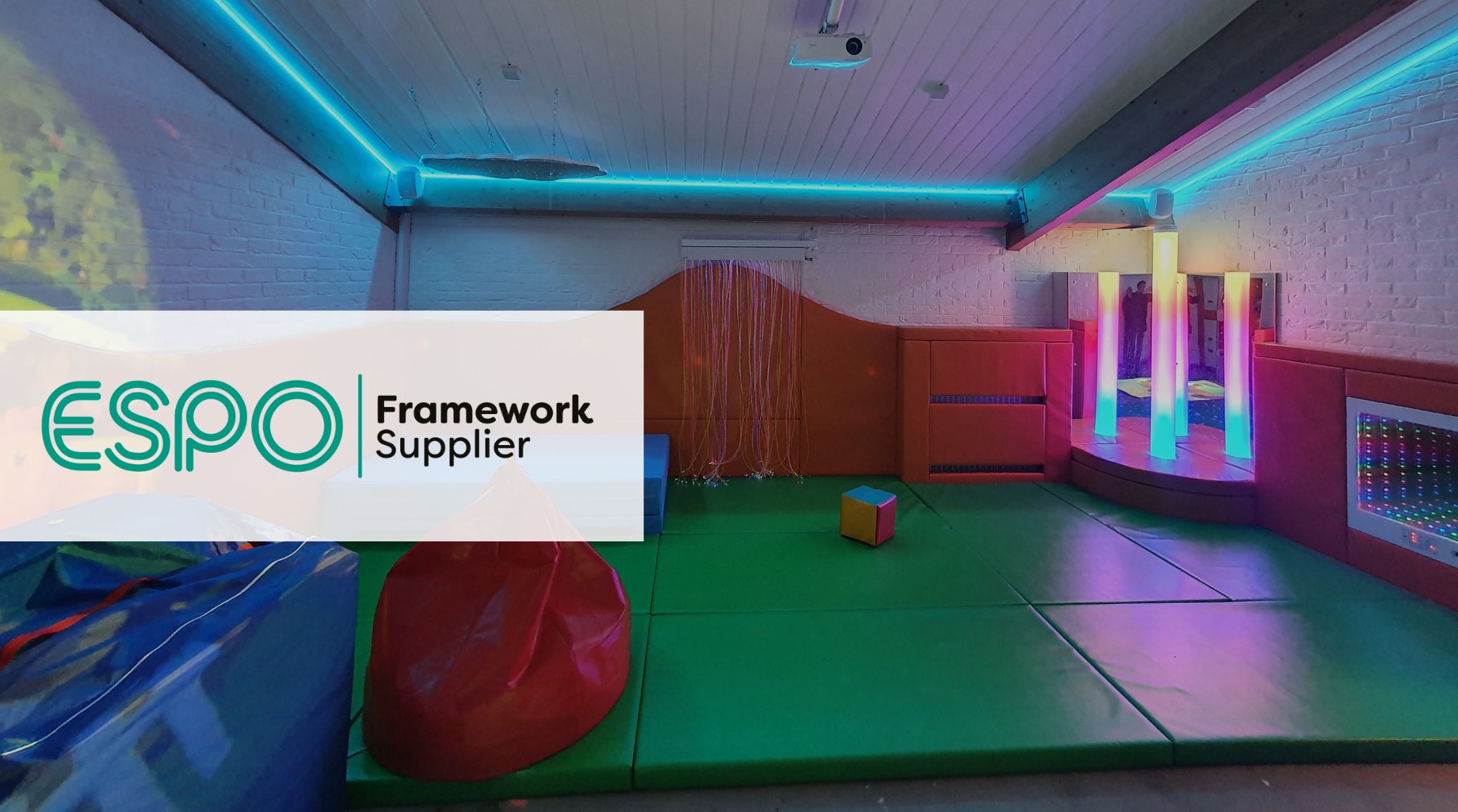
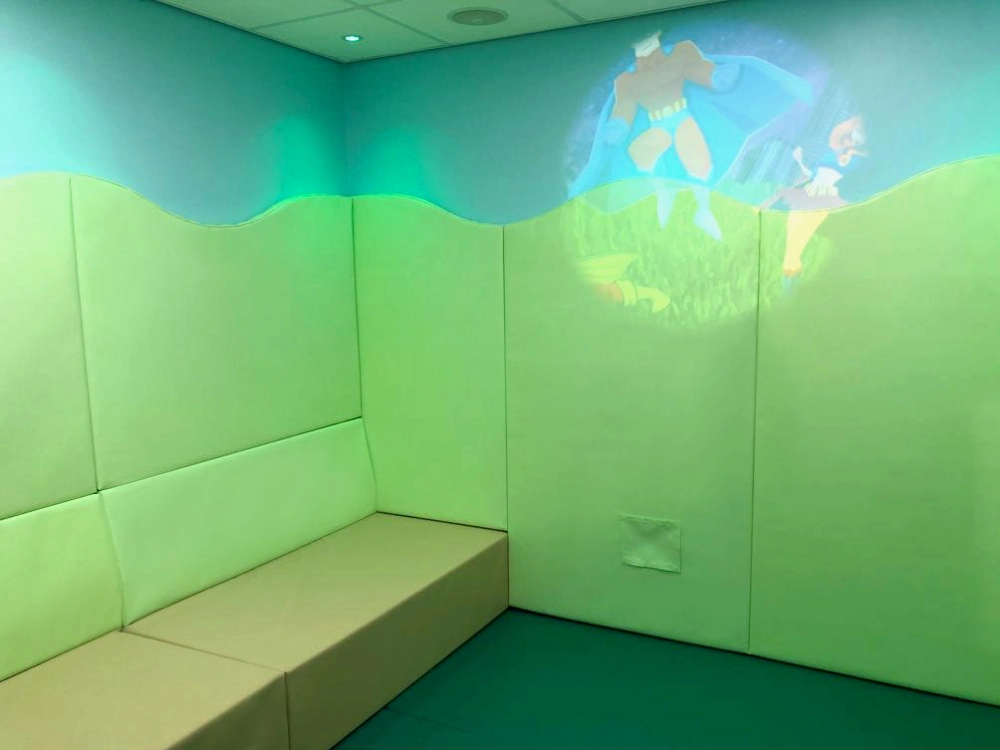
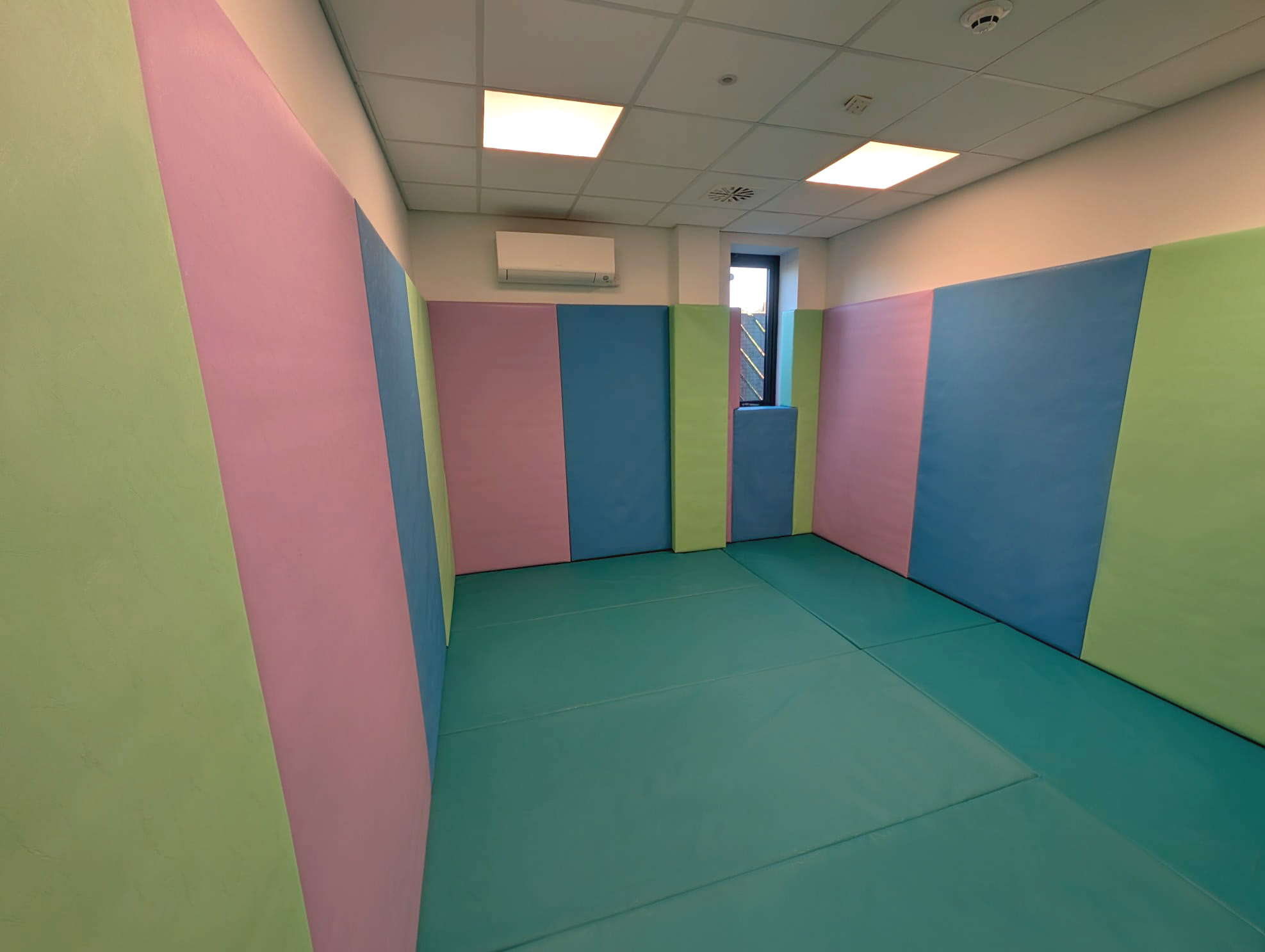
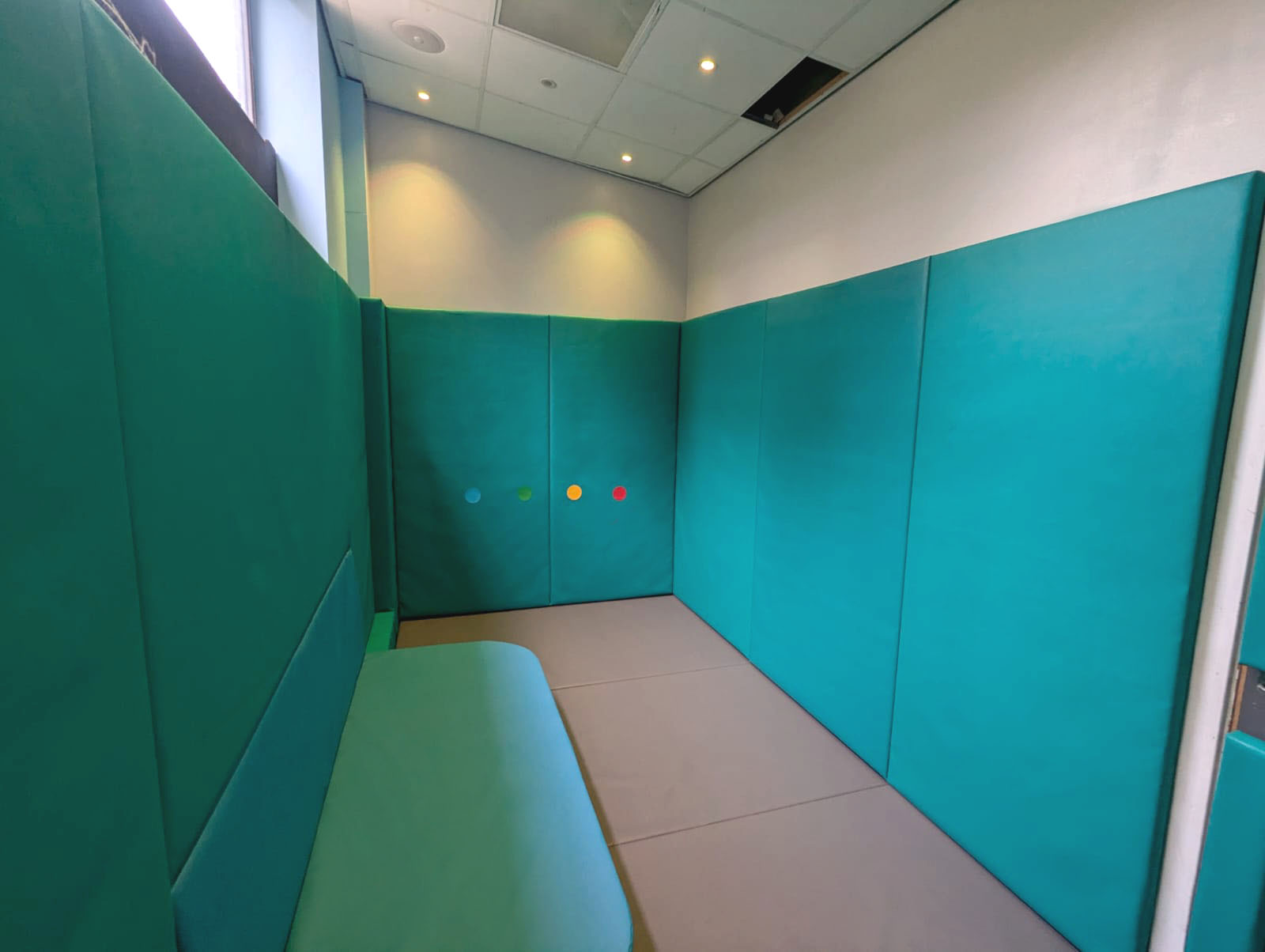
- Protective floor and wall padding where required for safety
- Comfortable seating such as beanbags, soft chairs or floor cushions
- Calming, low-stimulation colour schemes to reduce sensory overload
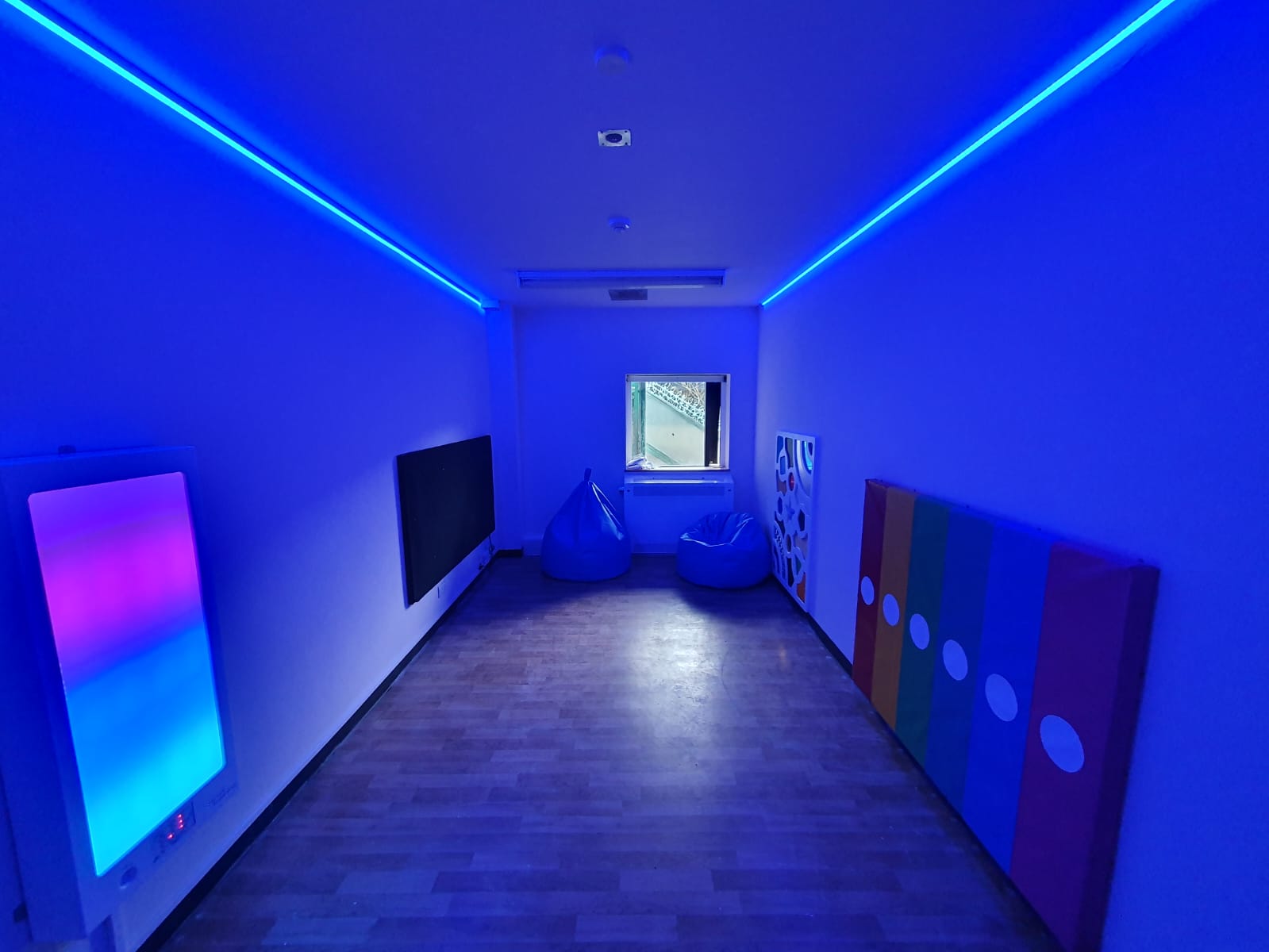
- Adjustable lighting, including soft or dimmable options
- Quiet zones for reflection, rest or emotional regulation
- Simple sensory resources such as tactile tools and visual aids
- Space for one-to-one or small group support sessions
- Optional audio systems for calming music or soundscapes
- Clear supervision sightlines for safeguarding
- Flexible layouts that can adapt to different pupil needs
De-escalation Rooms
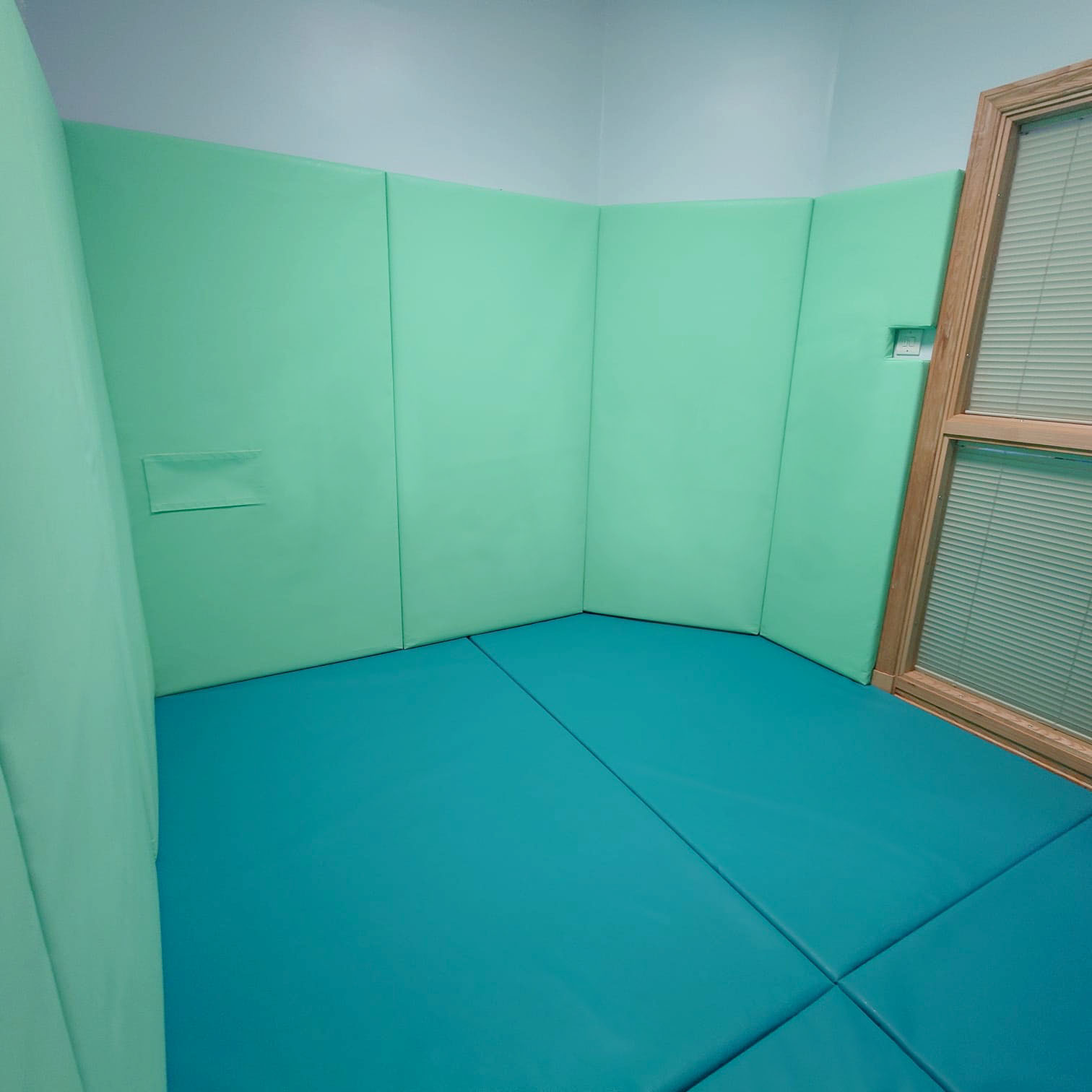
A de-escalation room serves a slightly different purpose and is typically used when a pupil is experiencing higher levels of emotional distress, anxiety or agitation. The focus is on providing a safe, contained environment that supports the early stages of calming and regulation.
For this reason, de-escalation rooms often follow a more robust and simplified design approach, with safety as a key priority.
Typical features may include:
- Full floor and wall protective padding for maximum safety
- Minimal furnishings to reduce risk and sensory stimulation
- Soft, impact-resistant materials where appropriate
- Enclosed, safe layout designed to reduce distraction
- Clear visibility for staff supervision and safeguarding
- Low-stimulation or calming lighting, including optional colour-changing features
- Optional sensory elements to support grounding and emotional regulation
Creating Safer School Environments Through Early Intervention
Supporting Wellbeing, Inclusion and Positive Outcomes
As schools continue to prioritise inclusion and pupil wellbeing, breakout rooms are becoming an essential tool for supporting emotional regulation and effective behaviour management.
By providing dedicated environments where pupils can safely de-escalate, schools can build emotional resilience, improve engagement with learning, and better support staff in managing challenging situations. These spaces also help reduce behavioural disruption and contribute to more inclusive environments where every pupil has the opportunity to succeed.
Looking to create a Breakout Space, Reset Room or De-escalation room in your school?
Discover how bespoke breakout room design, sensory equipment and protective padding can help you create a safe, supportive environment tailored to your pupils’ needs.
FAQs
Where should a breakout room be located in a school?
Ideally, these spaces should be easily accessible but slightly removed from busy classrooms or high-traffic areas to maintain a calm, low-stimulation environment while still allowing quick staff access when needed.
Can breakout spaces be used for small group teaching?
Yes. Many schools design breakout spaces as flexible environments that can be used for both emotional regulation and small group or one-to-one learning support.
What size should a breakout room be?
There is no fixed size requirement, but the room should be large enough to ensure safety and comfort while avoiding overcrowding or unnecessary stimulation. The design is often more important than the size itself.
How do sensory elements help in breakout rooms?
Sensory features such as lighting, tactile resources and calming visuals help pupils regulate their emotions by reducing stress, supporting grounding and encouraging a return to a calm state.
Are these rooms only for SEND pupils?
No. While they are particularly beneficial for pupils with SEND – breakout, reset and de-escalation spaces can support any pupil who may become overwhelmed, anxious, or dysregulated at times.
How do these spaces support behaviour management?
These rooms help prevent escalation by giving pupils a safe space to regulate emotions early. This can reduce classroom disruption, support positive behaviour strategies and encourage pupils to return to learning more quickly.
How do I get started with designing a breakout room?
The best place to start is by thinking about what you want the space to achieve. Consider which pupils will use it and your key concerns / requirements / goals for the space.
From there, our bespoke design process takes this further by tailoring the space to your specific requirements. We work with you to understand your needs, space and budget, then develop a solution that includes suitable sensory features, safety considerations and layout options to create an effective, purpose-built breakout room for your school.