Family Hubs provide a welcoming, community-based space where children, young people and families can access a wide range of services, activities and support. From support for new parents and babies to youth services, family support, SEND and additional needs and mental health and wellbeing, Family Hubs can support families at different stages of life, often bringing multiple services together under one roof.
With such a diverse range of people using these spaces, the environment itself needs to be flexible, welcoming and inclusive. Alongside areas for activities, play and support, quieter spaces can give children, young people and families somewhere to take a break, manage sensory input and feel more comfortable within a busy community setting.
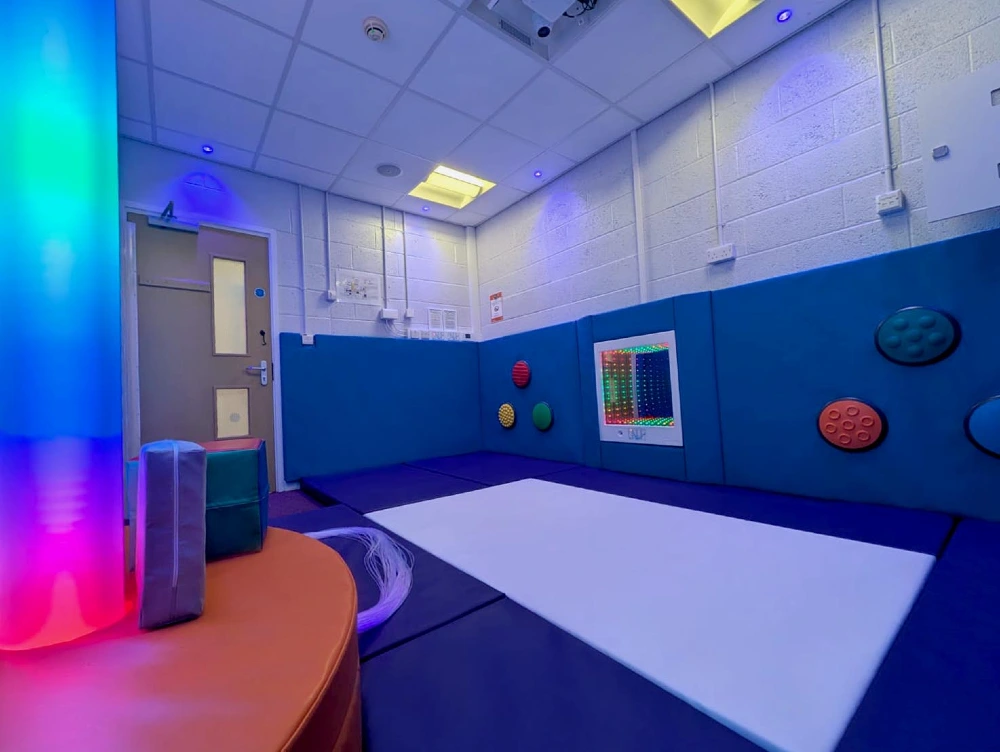
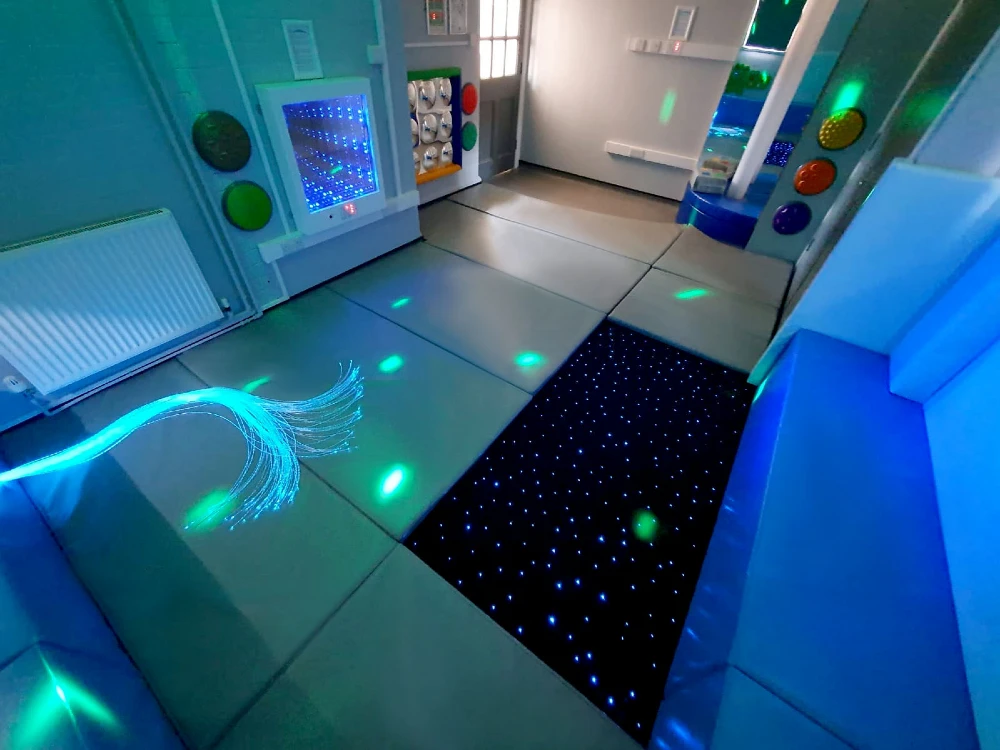
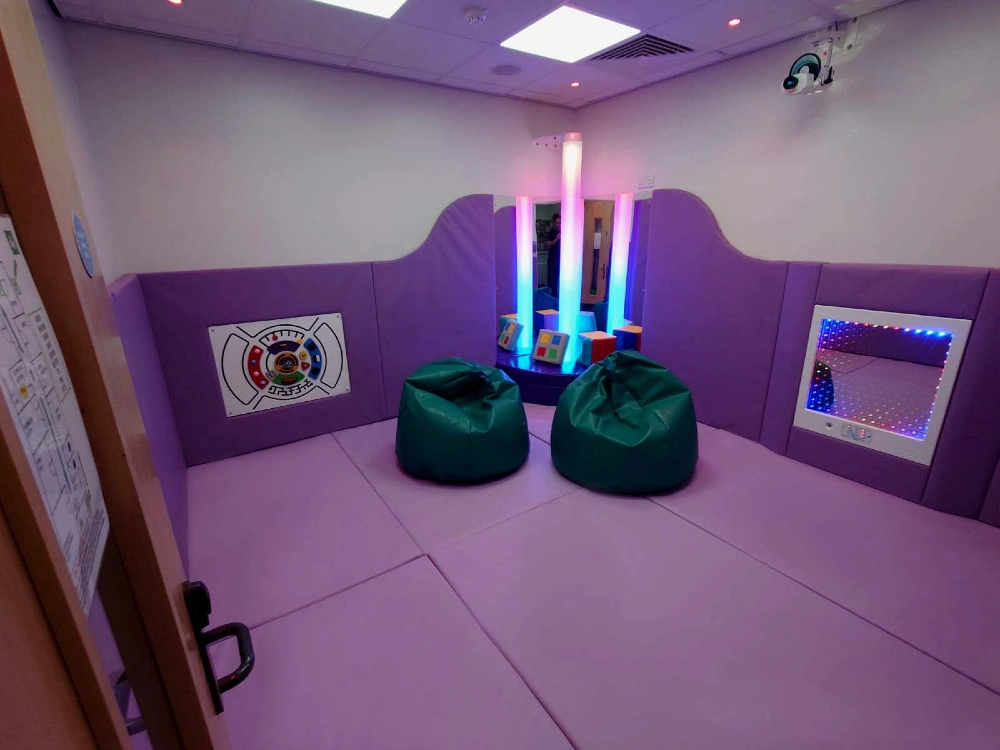
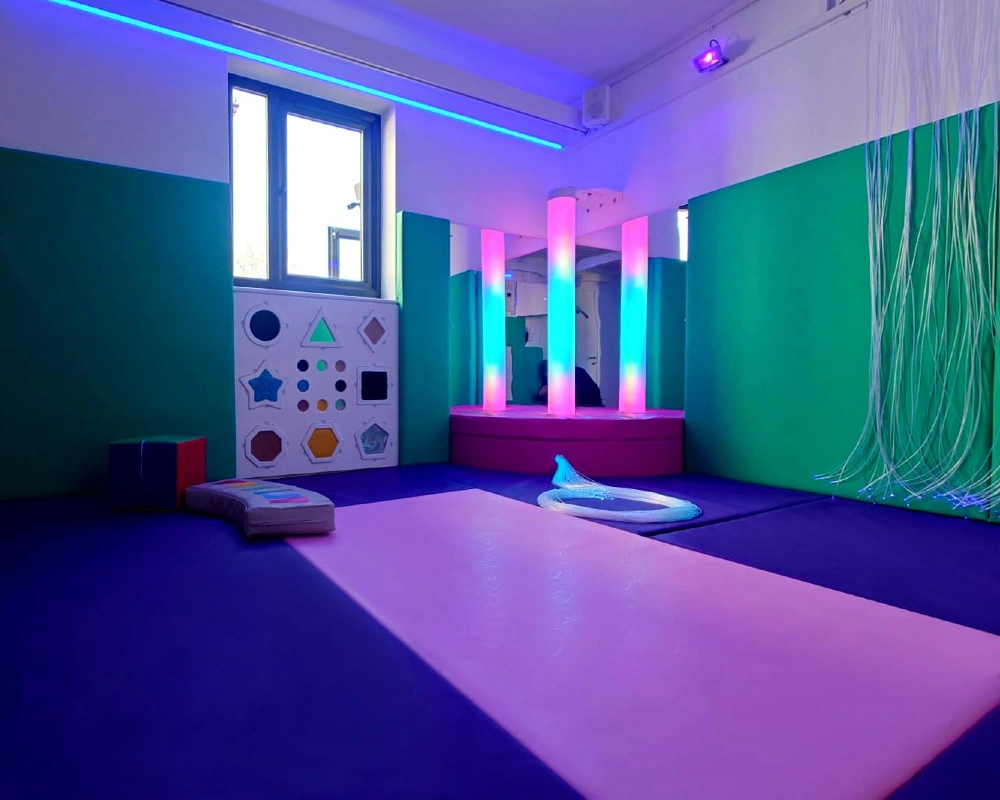
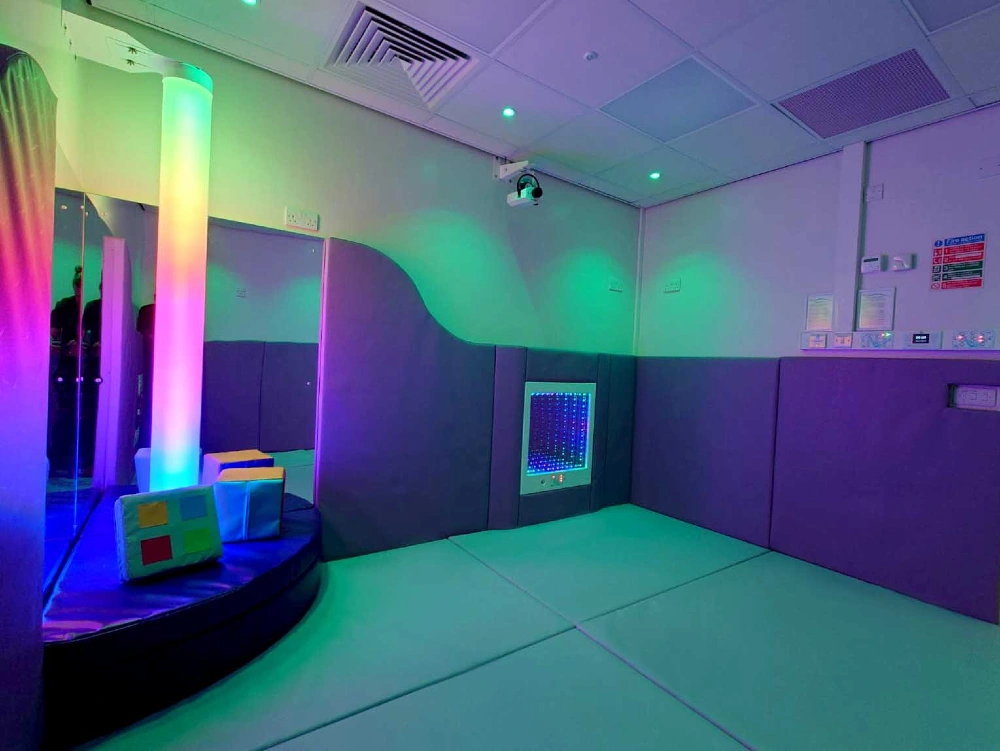
This is where sensory spaces can play an important role. Whether it’s a dedicated sensory room, a calming space or a smaller sensory corner, incorporating sensory design can help Family Hubs create environments that respond to different needs, abilities and ages. In this blog, we explore how sensory spaces can be incorporated into Family Hubs and the different ways they can support the families and communities who use them.
What Are Family Hubs?
Family Hubs are designed to bring together services, information and support for families, children and young people within their local communities. Rather than focusing on one particular type of support, they can provide access to a wide range of services, activities and resources, helping families find the support they need in one accessible place.
The services available can vary between Family Hubs depending on the needs of the local community. This can include:
- Support for babies and new parents, including early-years activities, parenting support and opportunities for parents and babies to connect with others.
- Family activities, play and community resources, providing opportunities for children and families to learn, play, socialise and take part in activities together.
- Mental health and wellbeing support, including spaces, activities and services designed to support emotional wellbeing.
- Youth support providing activities, advice and dedicated services for older children and teenagers.
- SEND and additional needs support, helping children and young people with special educational needs and disabilities, as well as providing support and information for their families.
- Family support and early intervention, helping families access advice and practical support when they need it.
- Family court and other specialist services, with some Family Hubs also providing links to services involved in more complex family support.
With such a broad range of services and users, there is no single blueprint for what a Family Hub should look like. The environment needs to work for different ages, abilities and circumstances, while helping people feel comfortable, supported and included. Sensory rooms can play an important role within family hubs, with sensory spaces offering an effective way to support the varied needs of the families using these settings.
Why Consider Sensory Spaces Within Family Hubs?
Family Hubs can be busy environments, with different services, activities and people using the space throughout the day. They may also be places where families are accessing support during difficult or stressful times, whether they are looking for help, advice or specialist services. Creating a comfortable and welcoming environment can therefore be an important part of the experience for everyone who visits.
Sensory spaces can provide an additional option within the wider Family Hub, giving people greater choice in how and where they spend their time. Depending on the needs of the Hub and the people using it, a sensory space could provide:
- Quieter spaces within busy settings, offering somewhere to step away from activity and noise.
- Opportunities for regulation, giving children and young people somewhere to take a break and manage their sensory needs.
- Support for sensory differences, particularly for people who may find busy, noisy or highly stimulating environments overwhelming.
- Sensory exploration and engagement, with opportunities to explore different lights, colours, sounds, textures and movement.
- More accessible activities and services, helping create an environment where more people can feel comfortable taking part.
- Choice between active and calming environments, allowing individuals to move between different types of space depending on what they need.
Supporting Different Users and Services
One of the key considerations in any sensory room design for a Family Hub is the wide range of people and services they need to support. A space that works well for a parent and baby may look very different from one designed for a teenager or a child with additional needs.
Rather than taking a one-size-fits-all approach, sensory spaces can be designed around the different users, activities and services within the family hub.
For Babies and New Parents
Family Hubs often provide activities and support for babies and new parents, making calm and comfortable environments particularly valuable. Soft, welcoming spaces can provide opportunities for parent-child interaction, early-years activities and gentle sensory exploration, while giving families somewhere quieter to spend time together.
For Children and Families
Sensory spaces can complement family activities and community sessions, providing opportunities for children to explore and engage through play. Interactive sensory equipment, tactile activities, lighting and movement can add another dimension to family-friendly spaces, while flexible areas can be adapted for different activities and age groups.
For Children and Young People with SEND
For children and young people with SEND, a dedicated sensory area can provide an alternative to busier communal spaces. These environments can offer opportunities for regulation, sensory exploration and engagement, allowing individuals to take a break or spend time in a space that better suits their sensory preferences.
For Mental Health and Wellbeing Support
People visiting a Family Hub may also be accessing support around their mental health and emotional wellbeing. Calmer, less stimulating spaces can provide somewhere to step away from the activity of the main family hub, whether someone needs a quieter environment before or after an appointment or simply wants somewhere comfortable to take a break.
For Older Children and Teenagers
Some families may visit Family Hubs for appointments, meetings or support connected with family services and family courts. In these situations, creating a welcoming and supportive environment can be particularly important.
Comfortable spaces, appropriate levels of privacy, accessible facilities and somewhere quieter to wait or take a break can all help create a more comfortable environment for children and families, particularly when they may be attending during a difficult or unfamiliar time.
Creating Sensory-Friendly Family Hubs
A Family Hub doesn’t need to have a single dedicated sensory room to create a more sensory-friendly environment. Thoughtfully designed sensory spaces and features can be incorporated in different ways, depending on the building, services and families using them.
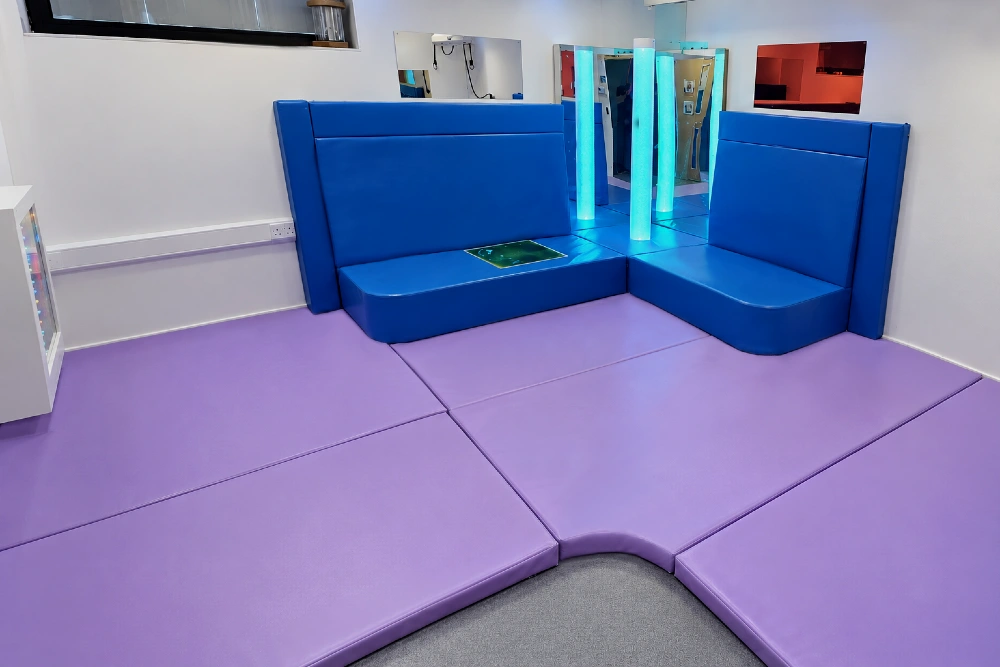
For some Family Hubs, this could mean a dedicated sensory room. For others, a smaller sensory corner, calming space or interactive area may be a better fit. Flexible and portable sensory equipment can also provide opportunities to adapt existing spaces for different activities and users.
The key is to create choice, flexibility and welcoming spaces that can support people at different ages, with different needs and in different circumstances. By considering the environment alongside the services being provided, Family Hubs can create spaces that feel more inclusive, accessible and comfortable for the communities they serve.
Planning a Sensory Space for Your Family Hub?
Whether you’re considering a dedicated Family Hub sensory room, a calming space, sensory corner or flexible sensory area, the right approach will depend on your building, services and the people using it.
At Sensory Technology, we design sensory spaces for Family Hubs around the needs of each setting, creating flexible and inclusive environments for children, young people and families.
Get in touch to discuss your Family Hub sensory room or arrange a free design consultation.