If your school is looking at ways to strengthen its approach to inclusion, the new Inclusive Mainstream Fund (IMF) 2026–27 could provide an opportunity to invest in resources, support and environments that help more pupils thrive.
The Department for Education has introduced the fund to help mainstream schools move towards practices that are inclusive by design, with a focus on identifying and responding to pupils’ needs earlier and removing commonly occurring barriers to learning. For 2026–27, the fund is worth over £500 million, with £400 million allocated to schools.
But what does this actually mean for schools, and could sensory provision be part of the picture?
What is the Inclusive Mainstream Fund?
The Inclusive Mainstream Fund is additional funding for mainstream state-funded schools in England, supporting the wider move towards a more inclusive education system.
The funding is intended to help schools develop their universal provision, with the Department for Education highlighting areas such as high-quality adaptive teaching, inclusive practice, early support and safe, calm and accessible learning environments.
Schools can decide how to use their allocation based on the needs of their own pupils and setting. The guidance recommends considering seven areas of activity, including inclusive environments, accessibility and creating learning experiences that meet a range of sensory and regulatory needs.
This means that, for schools reviewing their existing provision, it could be a good time to think about whether the physical environment is supporting pupils as effectively as it could.
Could Sensory Provision Support Your School?
Creating an inclusive school isn’t just about what’s happening in the classroom. The environment itself can play an important role in helping pupils feel comfortable, supported and ready to learn.
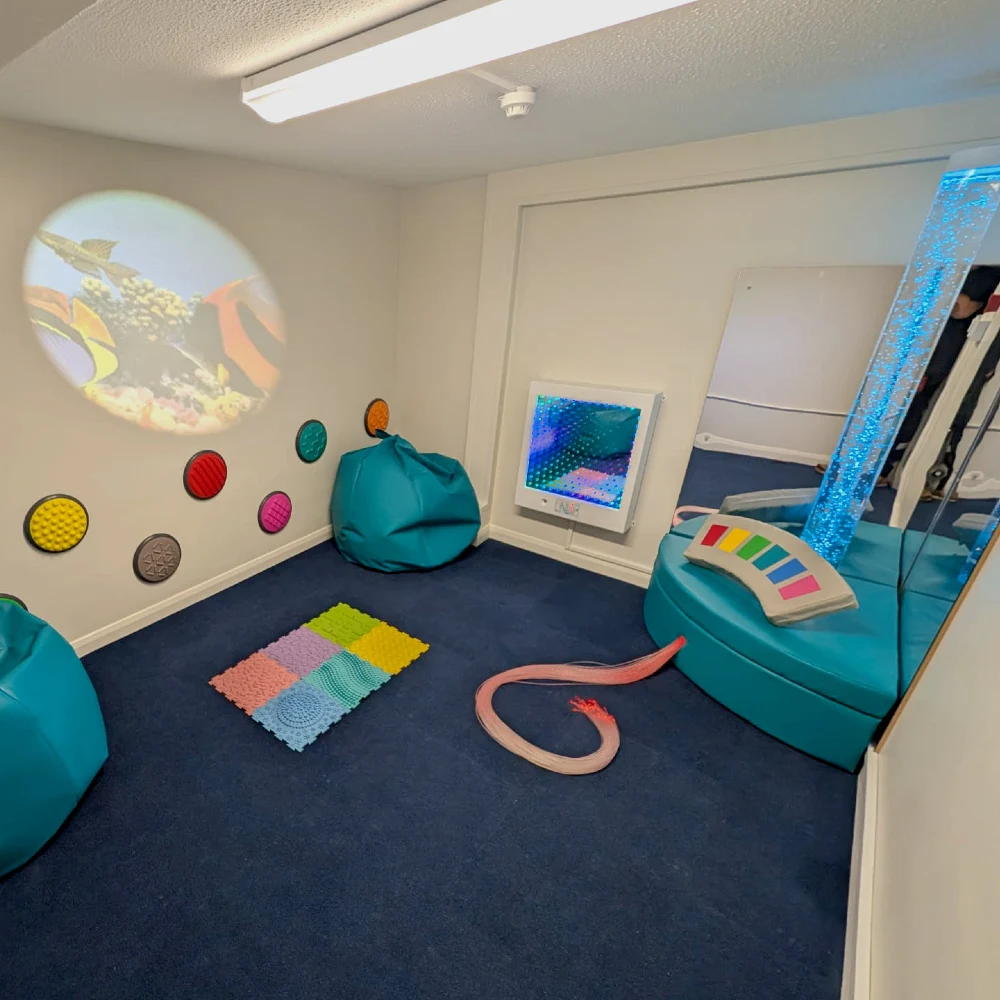
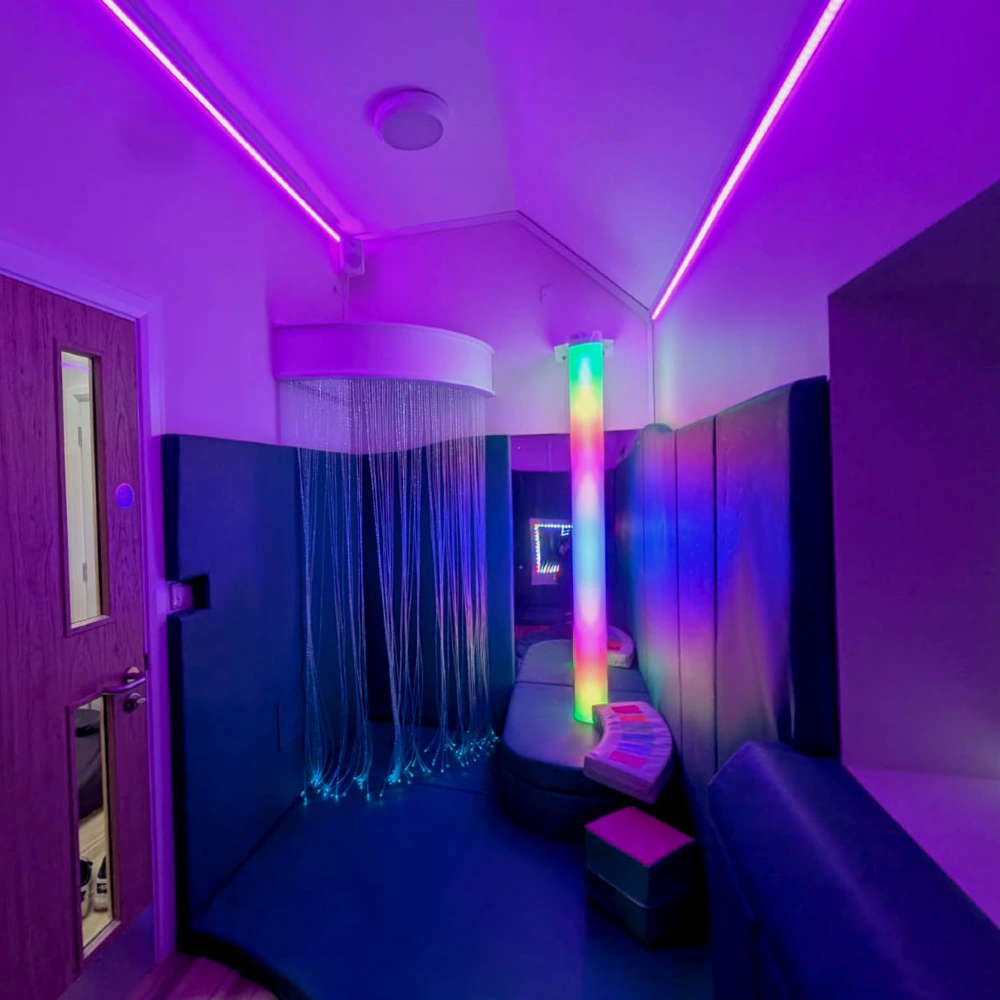
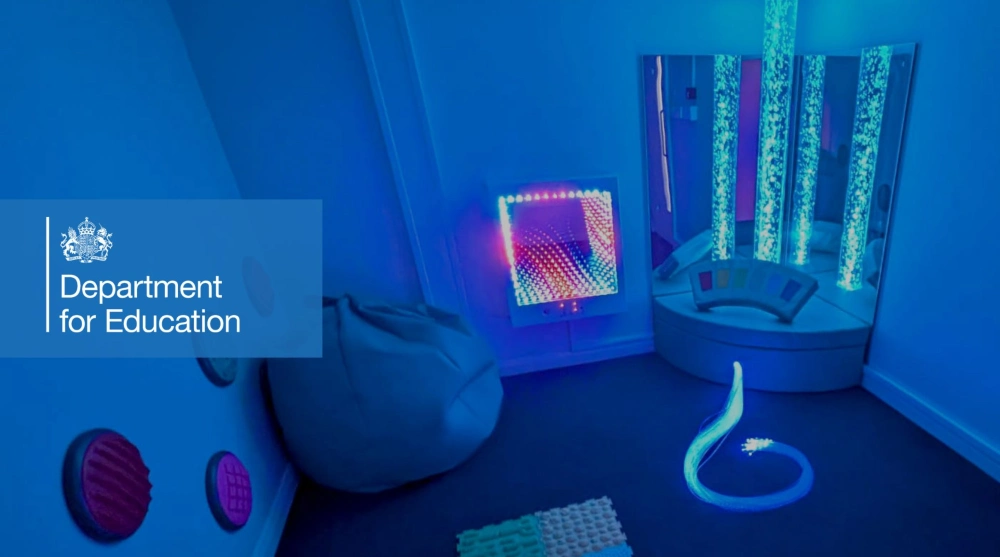
For some pupils, a busy classroom can become overwhelming, and having somewhere to step away for a few minutes can make a real difference. A dedicated sensory room or calm space can provide an opportunity to pause, regulate and return to learning when they feel ready.
For other schools, inclusion might involve making smaller changes across the setting – introducing sensory resources into classrooms, creating quiet areas or adding interactive sensory features to shared spaces.
The right approach will look different for every school. It’s about understanding the needs of your pupils and finding solutions that work within your existing environment.
It Doesn't Have to Mean a Whole New Room...
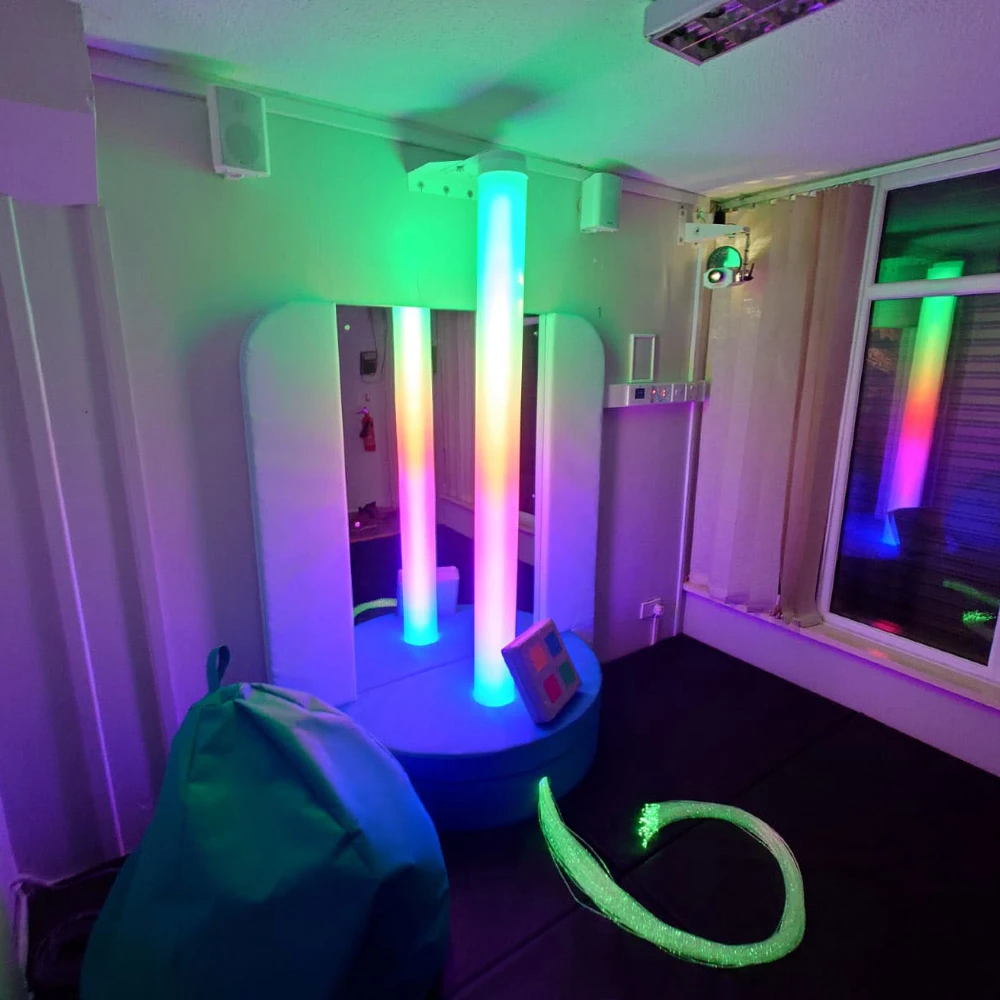
A dedicated sensory room can be a fantastic addition to a school, but it’s not the only way to introduce sensory support. If space is limited, there are plenty of ways to make sensory provision part of your existing school environment.
Depending on your space, pupils and priorities, you could consider:
- Transforming an existing space
A staff or break room, unused classroom, meeting room or other underused area could potentially be adapted into a more supportive, flexible space.
- Creating a shared multi-use space
Rather than being used solely as a sensory room, a space could be designed to support a range of purposes, such as sensory activities, small-group learning, one-to-one support, quiet time or wellbeing activities.
- Sensory equipment within classrooms
Introducing sensory resources into everyday learning environments can give pupils opportunities for sensory exploration and regulation without needing to leave the classroom.
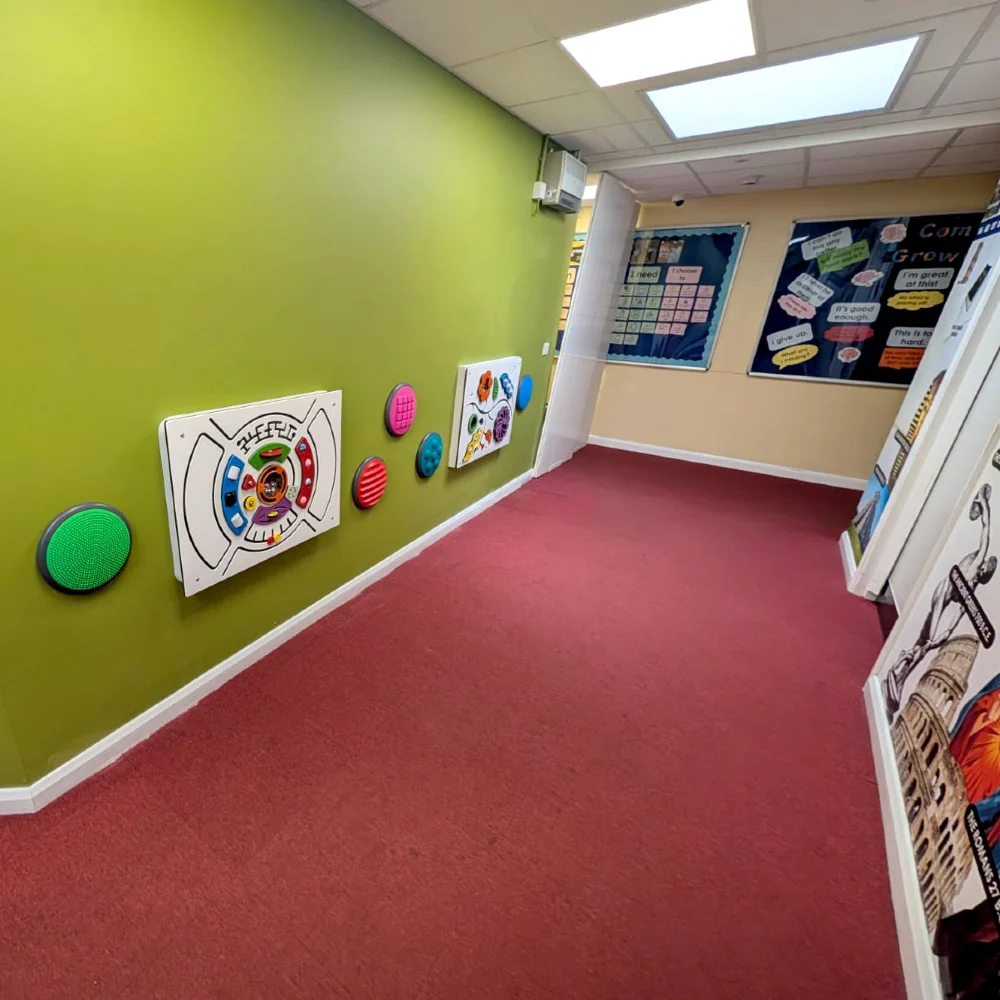
- Sensory corridors and interactive areas
Bringing sensory experiences into shared spaces can make provision accessible throughout the school without requiring a dedicated room.
- A portable sensory trolley
A flexible option that can be moved between classrooms and different areas of the school, bringing sensory resources directly to pupils.
The best solution doesn’t necessarily involve creating a completely new space. By looking at what you already have and how different areas are currently being used, you may be able to create sensory opportunities that benefit pupils while making the most of the space available.
Ultimately, it’s about finding an approach that works for your pupils, your school and the different ways you need your spaces to be used.
Making the Most of Your Funding
If your school has received Inclusive Mainstream Fund funding, it could be a useful opportunity to step back and look at your existing provision.
You might want to consider:
- Are there pupils who would benefit from somewhere to take a break and regulate?
- Are there areas of the school that could be made calmer, more accessible or engaging?
- Could sensory resources complement the support already available?
- Would a dedicated sensory space benefit a wider range of pupils?
- Are there opportunities to build sensory support into everyday classroom environments?
The DfE guidance makes clear that the Inclusive Mainstream Fund should be considered alongside a school’s wider funding and inclusion planning, rather than as a standalone pot for individual pupils. Schools are also required to publish an inclusion strategy setting out how they plan to identify and meet the needs of their cohort.
Planning Sensory Provision Around Your Pupils
Before deciding what to invest in, it can be helpful to start with the pupils themselves.
Think about the needs you see across your school and the points in the day when pupils may need additional support. Is there somewhere they can go when the classroom feels too busy? Do staff have access to resources that can help pupils regulate? Are there spaces that could be adapted to provide a calmer or more engaging experience?
From there, you can start to consider what type of sensory provision would genuinely add value.
At Sensory Technology, we take a tailored approach to every school project. We consider your pupils, available space, existing provision and what you want the finished environment to achieve before developing a solution.
Thinking About How to Use Your Funding?
If you’re considering how to use your allocated funds from the Inclusive Mainstream Fund, our team can help you explore the possibilities and find an approach that works for your school.
Get in touch with Senteq to discuss your requirements and explore how sensory provision could support your pupils and wider inclusion strategy.
Funding information is based on Department for Education guidance for the 2026–27 funding year. Schools should refer to the latest official guidance and their confirmed allocation when planning expenditure.