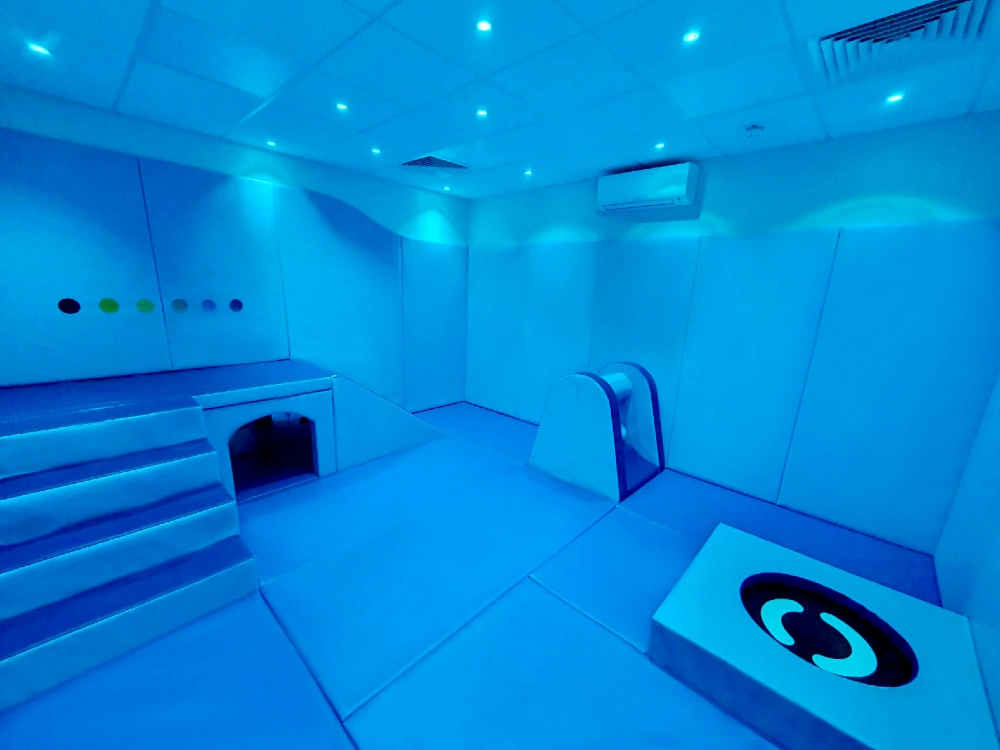
Hybrid sensory soft play environments are becoming a popular choice for schools, SEND settings, family hubs and healthcare facilities that want to create more engaging, inclusive spaces. By blending traditional soft play equipment with interactive sensory features, these environments bring together physical activity, sensory exploration and developmental learning in one flexible setting.
They’re designed to support a wide range of abilities and sensory needs, giving users opportunities to move, communicate, self-regulate and interact socially – all within the same adaptable space.
What Is a Hybrid Sensory Soft Play Environment?
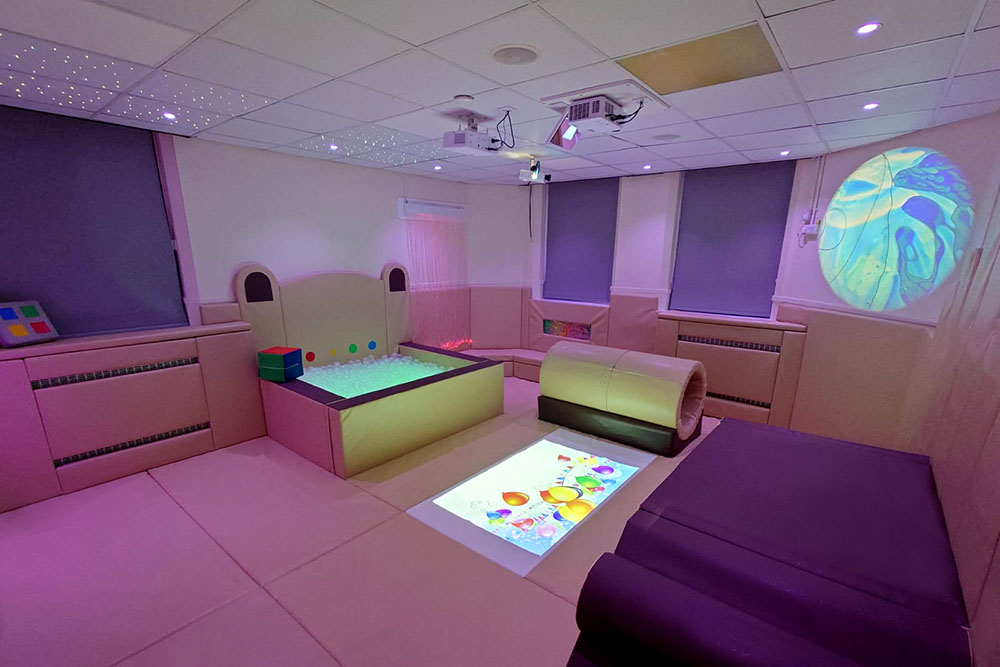
A hybrid sensory soft play room brings together the movement-focused benefits of soft play with the interactive, responsive nature of sensory equipment.
Traditional soft play encourages children to climb, jump, crawl and explore. A hybrid space builds on that by adding sensory elements that responds to what users do. Making the experience more engaging, immersive and meaningful.
Rather than having separate sensory rooms and soft play areas, more organisations are now combining the two into one joined-up space. This means users can move freely between active play and sensory interaction, creating a richer experience that supports a wider range of needs.
The result is a space that doesn’t just support play – it supports learning, exploration and sensory development throughout.
Why Hybrid Environments Are Growing in Popularity
More organisations are trying to do more with the space they have, while also meeting increasingly diverse user needs. That’s where hybrid sensory-soft play environments really come into their own.
By combining active play and sensory technology in one room, they can support:
- Active sensory seekers
- Children with SEND
- Neurodivergent learners
- Mainstream pupils
- Therapy and intervention sessions
- Group activities
- Independent exploration
The real benefit is flexibility. The same space can be used in completely different ways throughout the day, depending on who’s using it and what they need. It’s a practical approach that makes better use of space while still delivering a high-quality experience for every user.
The Benefits of Combining Soft Play and Sensory
Physical Development Through Movement
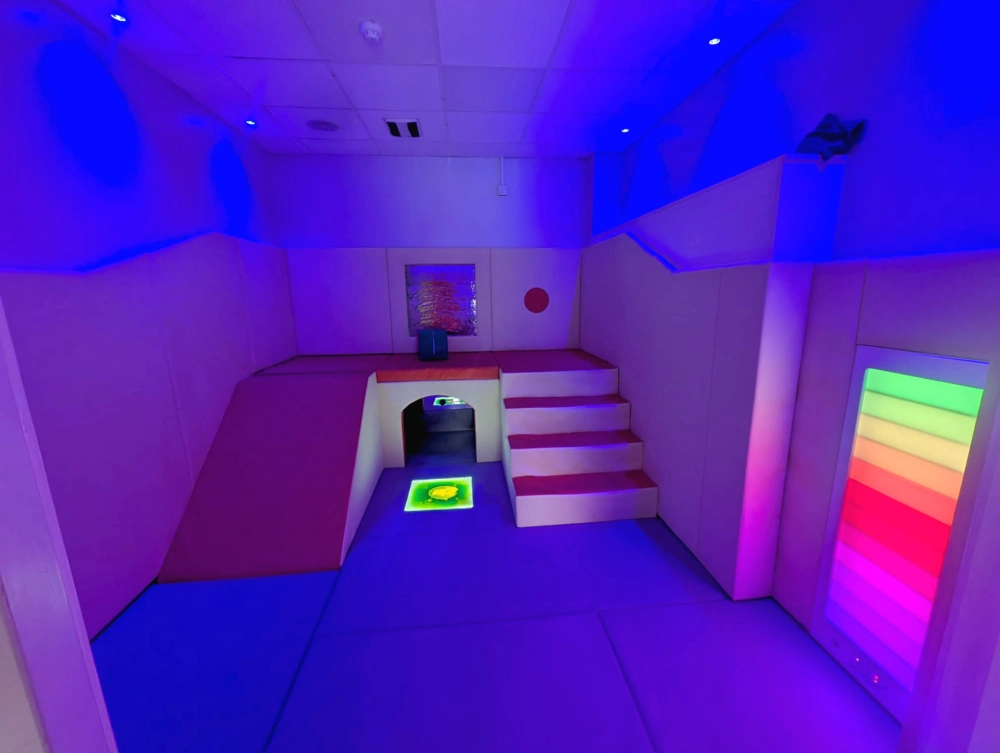
Soft play remains a great way to support physical development. It encourages children to move freely, explore and build confidence in a safe environment. Climbing frames, tunnels, slides and stepping pods all encourage active, purposeful movement through play.
It helps develop:
- Gross motor skills
- Balance and coordination
- Spatial awareness
- Core strength
- Confidence in movement
Enhanced Sensory Learning
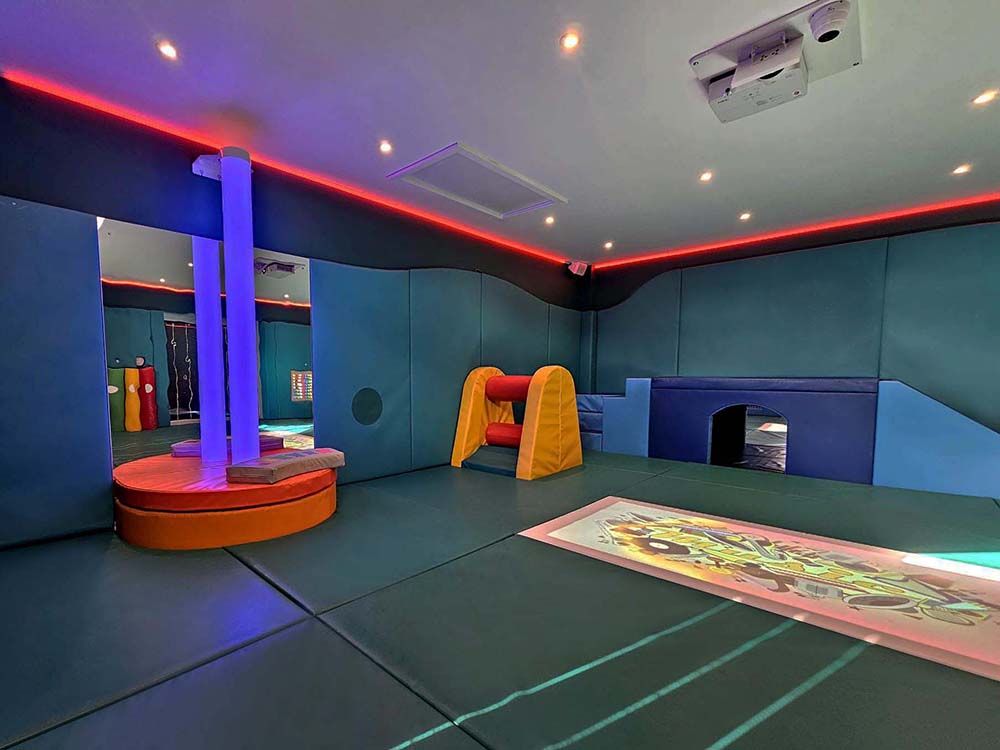
Adding sensory elements takes the experience a step further. Movement becomes more interactive, with visual and audio feedback that responds to what users are doing. Instead of just playing, users are actively shaping their environment, which helps strengthen attention and learning.
This supports:
- Visual stimulation
- Auditory feedback
- Interactive learning
- Cause-and-effect understanding
- Focus and engagement
Improved Emotional Regulation
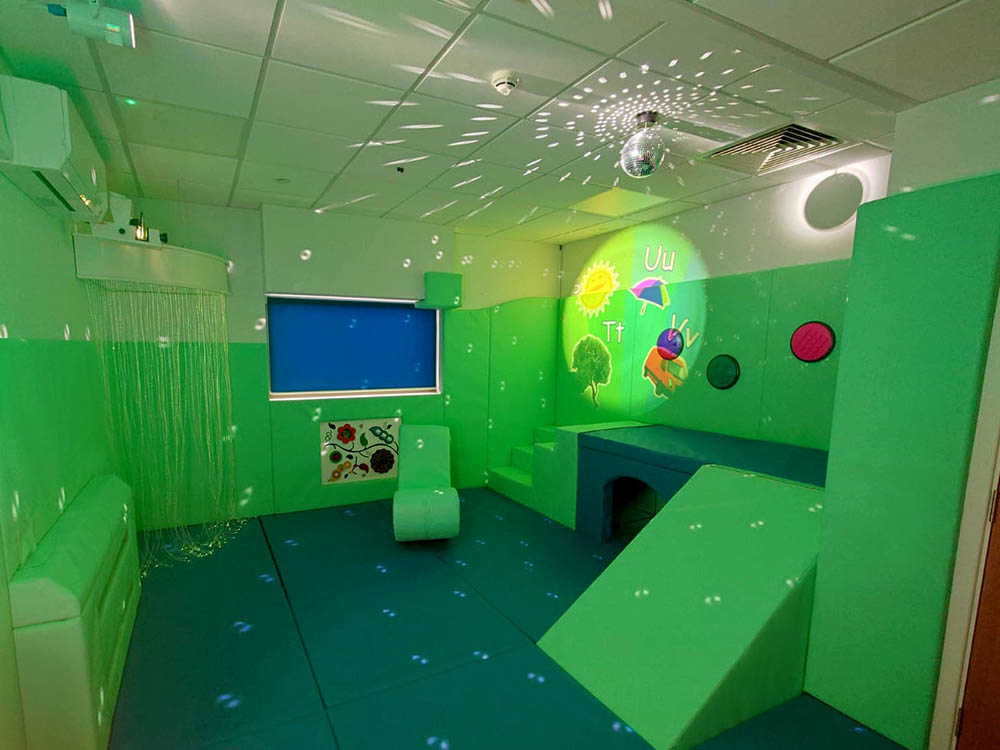
A strength of hybrid sensory soft play spaces is how easily they can shift between high-energy play and calmer sensory experiences. This flexibility helps users manage their sensory input in a way that works for them in the moment.
This might include:
- Colour-changing lighting
- Interactive projections
- Sound-responsive features
- Simple sensory switches
- Calming, controlled environments
Social Interaction and Communication
These spaces naturally encourage children to play together. Whether it’s taking turns, exploring shared features or working together, social interaction happens in a really natural way.
This helps support:
- Turn-taking and sharing
- Communication skills
- Collaborative play
- Confidence in group settings
Inclusive Engagement for All Abilities
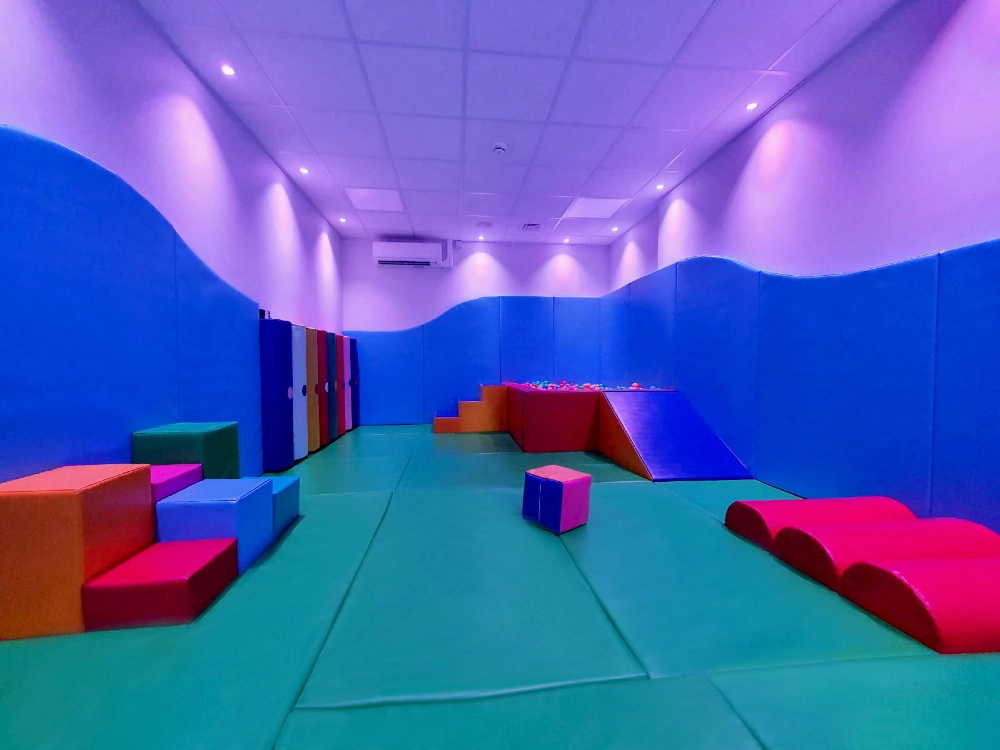
One of the biggest advantages of hybrid sensory soft play environments is how inclusive they are. Instead of separating users based on ability or need, everyone can use the same space in different ways. It creates a space where everyone can take part in a way that feels right for them.
This supports:
- Mixed-ability groups
- SEND and mainstream inclusion
- Different engagement levels
- Independent or supported use
The Future of Inclusive Play Spaces
As expectations around inclusivity continue to grow, organisations are looking for play spaces that go beyond traditional soft play. It’s not just about movement anymore, it’s about creating environments that also support learning, sensory needs and wellbeing in a more connected way.
Hybrid sensory soft play rooms are leading this shift. By bringing interactive sensory technology together with soft play equipment, they create spaces that are more engaging, flexible and responsive to different users. They also make much better use of space by combining different types of play and learning in one environment.
What really makes them stand out is how adaptable they are. Instead of separating activities or needs into different areas, everything happens within one flexible space that can be used in lots of different ways throughout the day. Whether it’s supporting regulation, encouraging communication or boosting engagement, the environment adapts to the user. This balance of movement, sensory experience and accessibility is what’s shaping the future of inclusive play.
Hybrid sensory soft play spaces are a real step forward in how we design play and learning spaces. By combining the physical benefits of soft play with the interactive potential of sensory technology, they create environments that feel more purposeful, engaging and dynamic than traditional setups.
Ready to create your own Sensory Soft Play Room?
If you’re looking to design a bespoke sensory soft play room, we can help. Get in touch for a free design and consultation and see how interactive sensory features could completely transform your soft play environment.