Understanding Sensory Rooms For Children and Adults
It’s natural that sensory rooms are associated with children, particularly those with autism or sensory processing needs. However, these sensory environments are just as beneficial for adults.
Whether installed in schools, care homes, supported living settings, healthcare environments or even workplaces, sensory rooms provide a dedicated space for emotional regulation, stress reduction and sensory stimulation. For adults with special needs, learning disabilities, autism, dementia or mental health conditions – a well-designed sensory environment can promote calm, improve focus and encourage meaningful engagement.
How Different Types of Sensory Rooms Support Children and Adults
A sensory room can be designed in a variety of ways, depending on the needs of its users. While many focus on relaxation and emotional regulation, others are more interactive and stimulating. Here we look at the different types of sensory rooms and how they cater to both children and adults with varied needs and abilities:
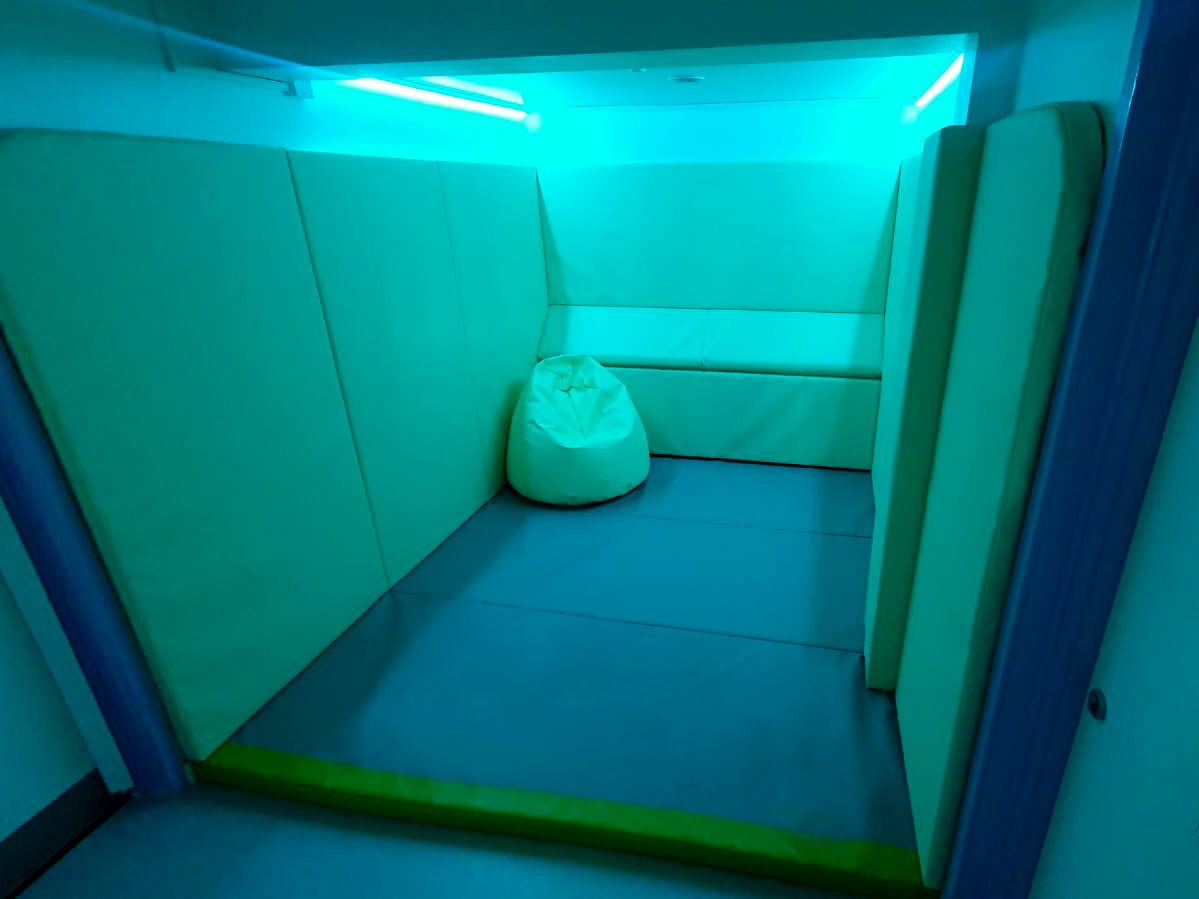
Calming Sensory Rooms
Calming sensory rooms are designed to do just that – creating a sense of calm. By reducing stress and anxiety, these rooms feature softer lighting, soothing sounds and comfortable seating. For children, this type of space helps with emotional regulation and provides a safe retreat when they feel overwhelmed. Similarly for adults, calming sensory rooms can serve as quiet areas for stress relief, mindfulness or even therapy sessions in care homes and workplaces.
Interactive Sensory Rooms
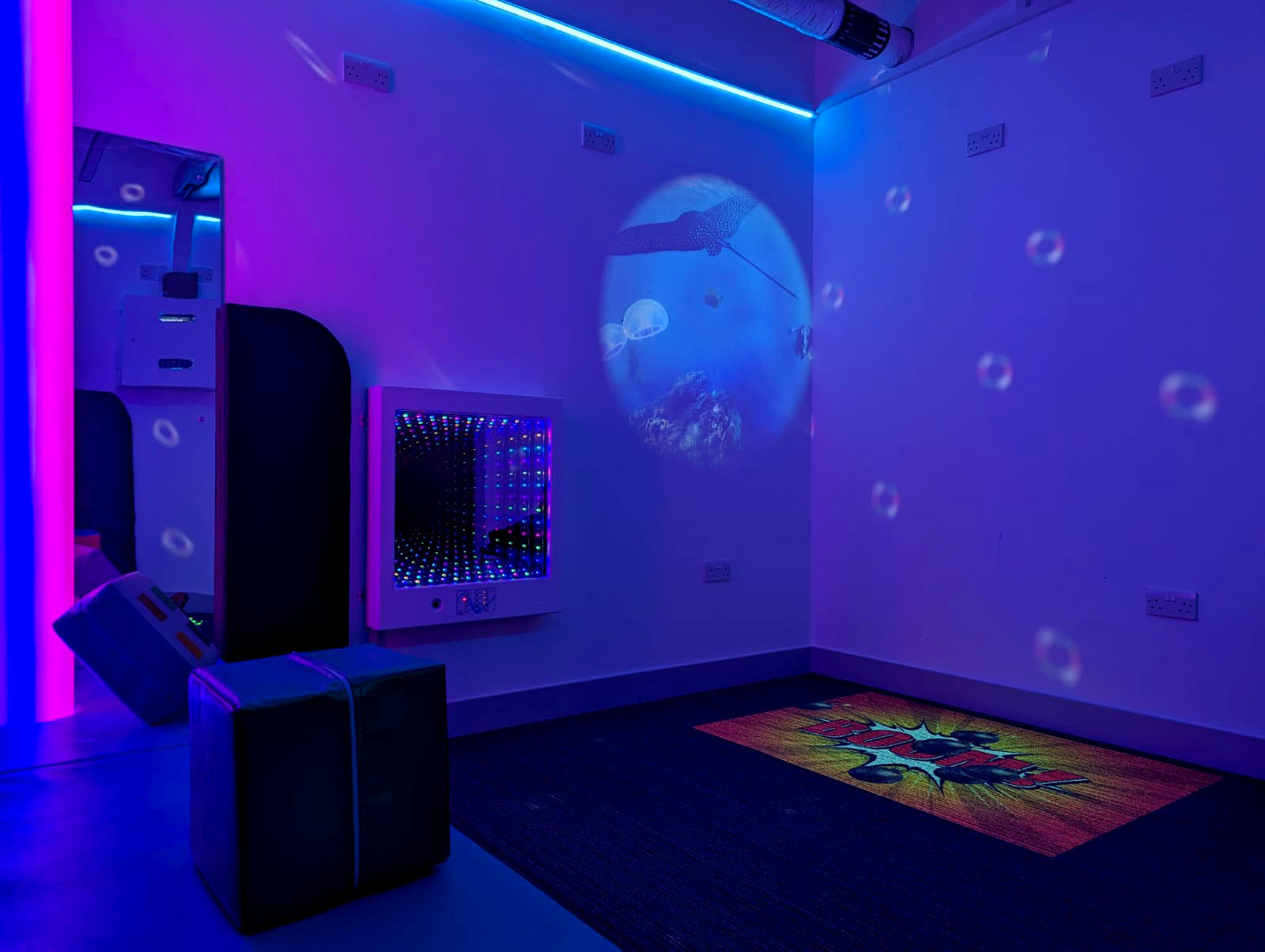
Interactive sensory spaces promote engagement and exploration, including touch-responsive panels, interactive floor and wall projections and sound-activated buttons to stimulate curiosity and learning. Children use these rooms for hands-on play, skill development and sensory stimulation. While adults may benefit from mental engagement activities or sensory exercises to improve focus and motor skills.
Multisensory Rooms
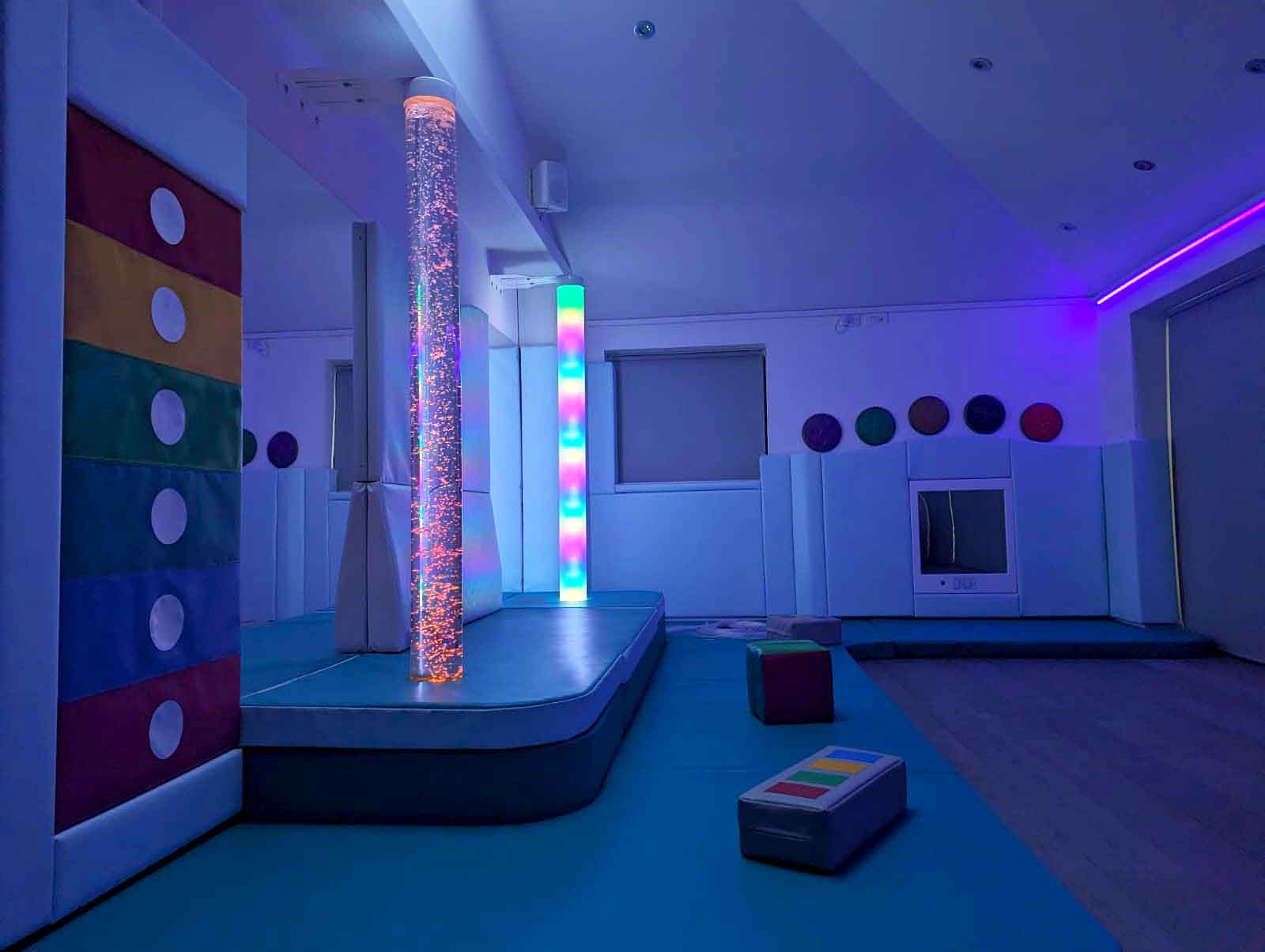
Multisensory rooms are highly adaptable to cater for different needs. These rooms combine calming and interactive elements, allowing users to tailor their experience depending on their mood or environment. As a widely-known resource in mainstream and special schools, these rooms can be used for both learning and relaxation. They can help teachers manage classrooms and be incorporated into the learning curriculum to aid the development of students across various needs and abilities. While in workplaces or care settings, they can serve as flexible environments that support both engagement and stress relief.
Creating a Multi-Sensory Experience For Both Children and Adults
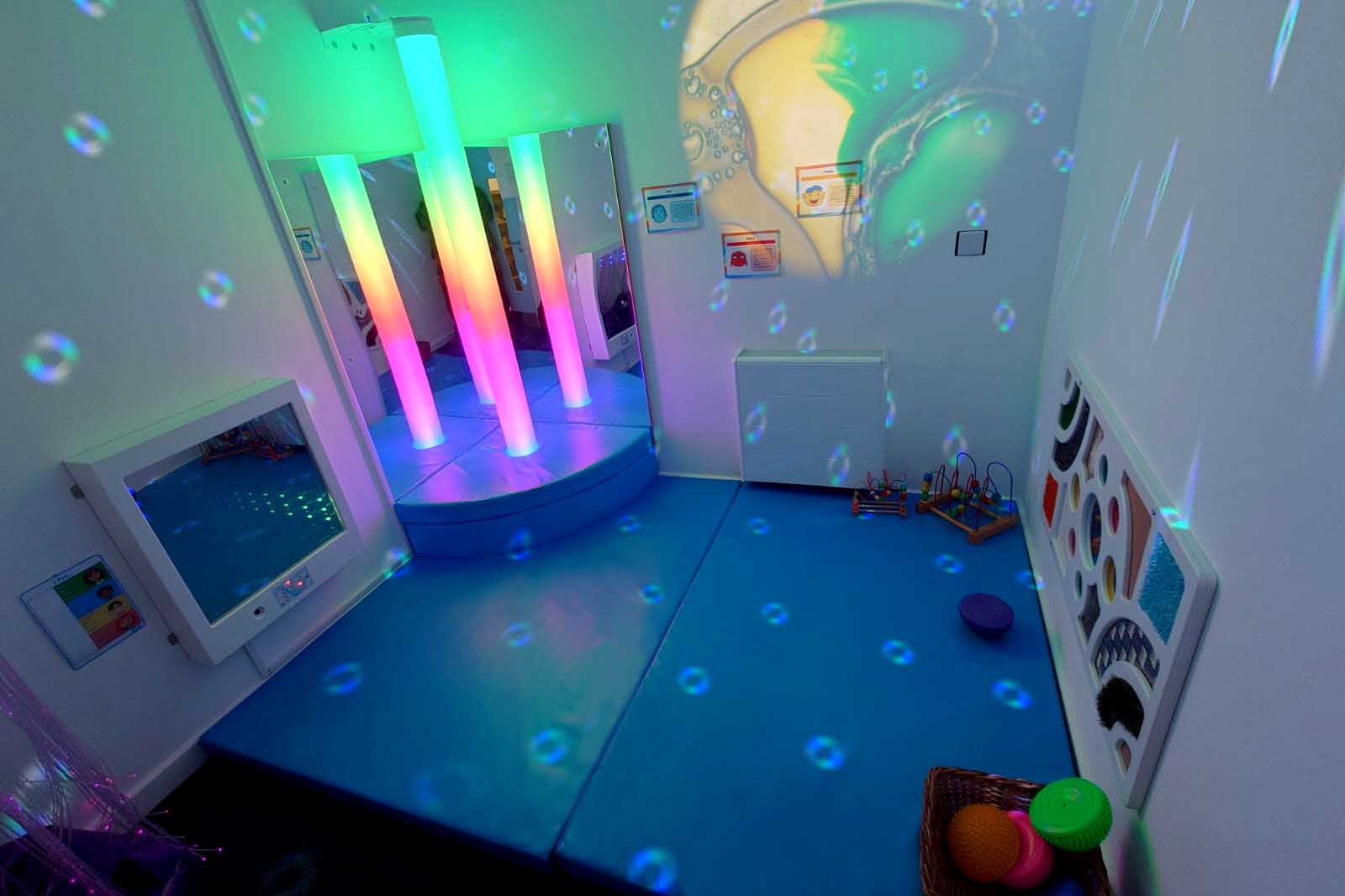
Each type of sensory room is designed to engage multiple senses – using lighting, sound, texture, and visuals to create an immersive environment. For children, this means a space that encourages development through play and learning. For adults, it can be more of a retreat from stress or a tool for managing anxiety.
Key features these rooms typically include are:
- Lighting and Visuals
Changing colours and gentle movements are generally for better focus and relaxation. These can be controlled through light sources such as mood lighting or through equipment such as Bubble Tubes and Borealis Tubes. Fibre Optics, LED panels and Projections add a visual element that can either calm or stimulate depending on the needs of the user.
- Tactile Surfaces
These features can activate the senses by exploring and grounding through touch. Tactile discs, toys and activity panels utilise a range of textures in a way that is fun for users to interact with.
- Sound & Music
Sounds can help in many situations, promoting calm, stimulation or relaxing meditation. Bluetooth sound systems are commonly featured through our sensory environments, allowing supervisors the flexibility to choose certain music or sounds depending on the types of users and mood they wish to set.
- Aromatherapy
Certain scents can help support relaxation and calm, such as lavender or peppermint. Although these are commonly found within sensory gardens through the types of plants, aromatherapy diffusers can also be used across indoor sensory spaces to infuse the aroma into the space.
The Benefits of Sensory Rooms for Children
For children, particularly those with additional sensory needs, sensory rooms help them thrive by engaging their senses in a controlled and safe way. Sensory rooms also provide a setting where children can develop key skills while offering a space for self-regulation.
- Encourages Development
Sensory play is the perfect way to engage cognitive and motor skill development, helping children build connections between their senses and the world around them through various forms of sensory equipment and activities.
- Emotional Regulation
To manage what’s commonly known as ‘meltdowns’, a calming sensory room helps children learn to self-regulate, particularly beneficial for those who experience sensory overload or difficulty with emotional control.
- Enhances Learning
Engaging elements like interactive walls, texture panels, and storytelling projections make learning fun and accessible for all!
- Supports Children with Additional Needs
For those with autism, ADHD or other sensory processing disorders, these rooms offer a structured and safe space to regulate emotions and reduce anxiety.
The Benefits of Sensory Rooms for Adults
Adults face stress, sensory sensitivities and cognitive challenges on a daily basis that can be managed through a sensory experience. Sensory rooms cater to various needs, from stress relief to therapeutic intervention.
- Reduces Stress & Anxiety
A sensory environment can provide a retreat for individuals who need a quiet, calming space to decompress from overwhelming situations.
- Supports Mental Health
Guided meditation, music, and calming lights create an ideal space for mindfulness and relaxation in a workplace environment where employees wouldn’t typically have this resource.
- Helps with Sensory Processing
Adults with autism or sensory processing challenges benefit from sensory rooms in the same way as children, using them to regulate sensory input and manage daily interactions.
- Use in Dementia & Rehabilitation
Sensory rooms (and gardens) are widely used in dementia care and rehabilitation, helping individuals recall memories, improve focus, and enhance well-being through structured sensory experiences.
Sensory Rooms Across Various Settings
Sensory rooms can be found in various settings, each adapted to suit the needs of its users:
- Schools, Nurseries & Colleges – Providing children and young adults with a safe space for self-regulation and learning through play.
- Hospitals – Supporting individuals experiencing various forms of illness, disease and disorders, and aids in the rehabilitation process through sensory and/or occupational therapy.
- Workplaces – Offering a retreat for employees to de-stress, improving focus and mental well-being.
- Care Homes and Day Centres – Promoting relaxation and sensory exploration for individuals of all ages and abilities.
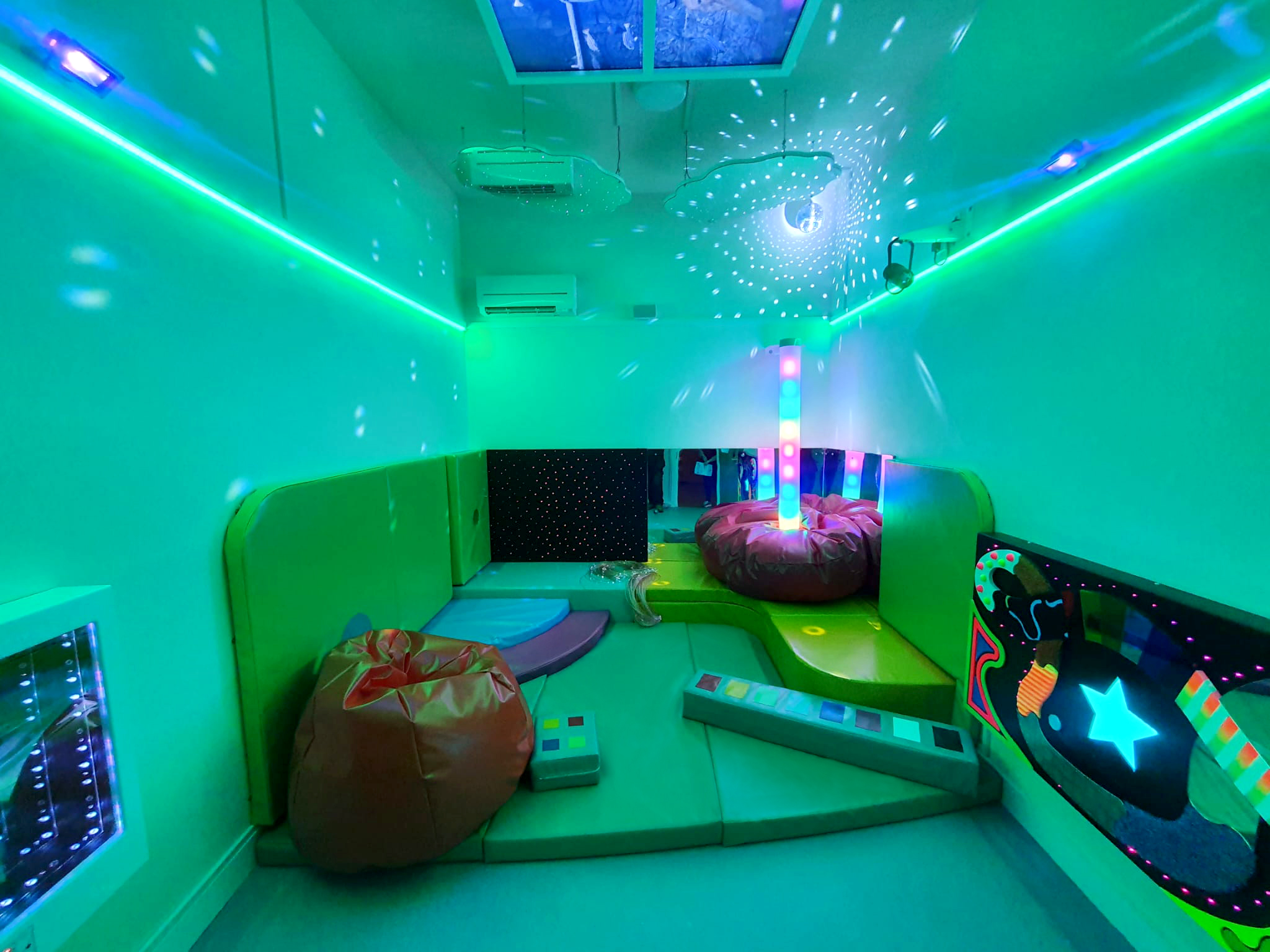
Sensory rooms are not just designed for children – they offer meaningful benefits for adults with special needs as well. From promoting relaxation and emotional regulation to supporting therapy, engagement, and sensory processing, these environments provide tailored support for individuals at every stage of life.
At Sensory Technology, we design and install bespoke sensory rooms for schools, care homes, healthcare settings and specialist environments. Each multi-sensory space is carefully created to meet the unique needs of both children and adults, ensuring comfort, safety and long-term wellbeing.
If you’re considering a sensory room for your setting, contact our team today to discover how we can transform your space into a supportive, engaging sensory environment.