Designed to provide a safe, supportive environment where individuals can regulate emotions, reduce distress and regain a sense of calm.
When emotions become overwhelming, having access to the right environment can make all the difference. De-escalation Rooms provide a dedicated space where individuals can safely withdraw from challenging situations, reduce emotional intensity and regain control in a supportive setting. Often used as a breakout room or reset room, these spaces offer a safe and structured environment away from potential triggers, helping users regulate their emotions and return to daily activities when ready.
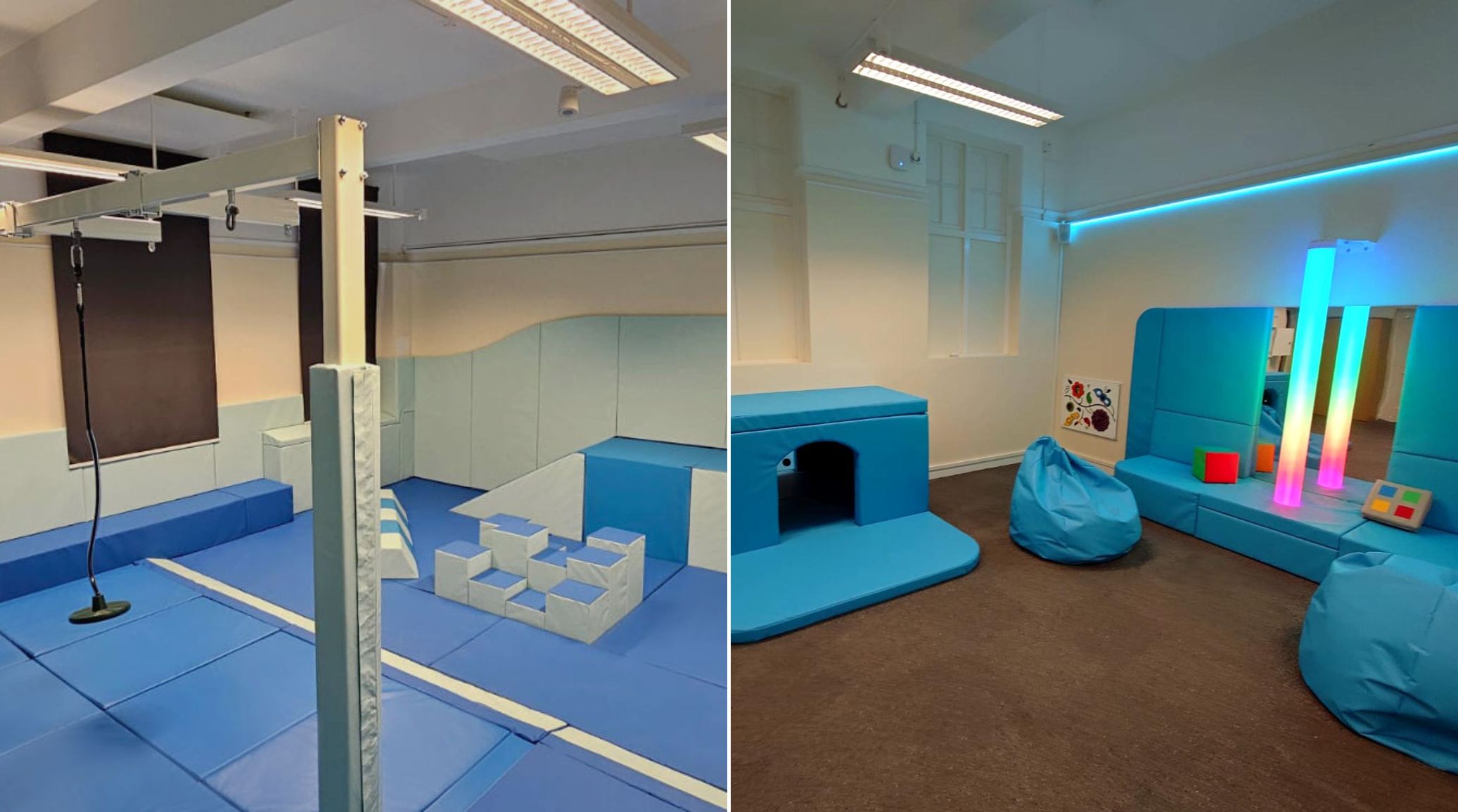
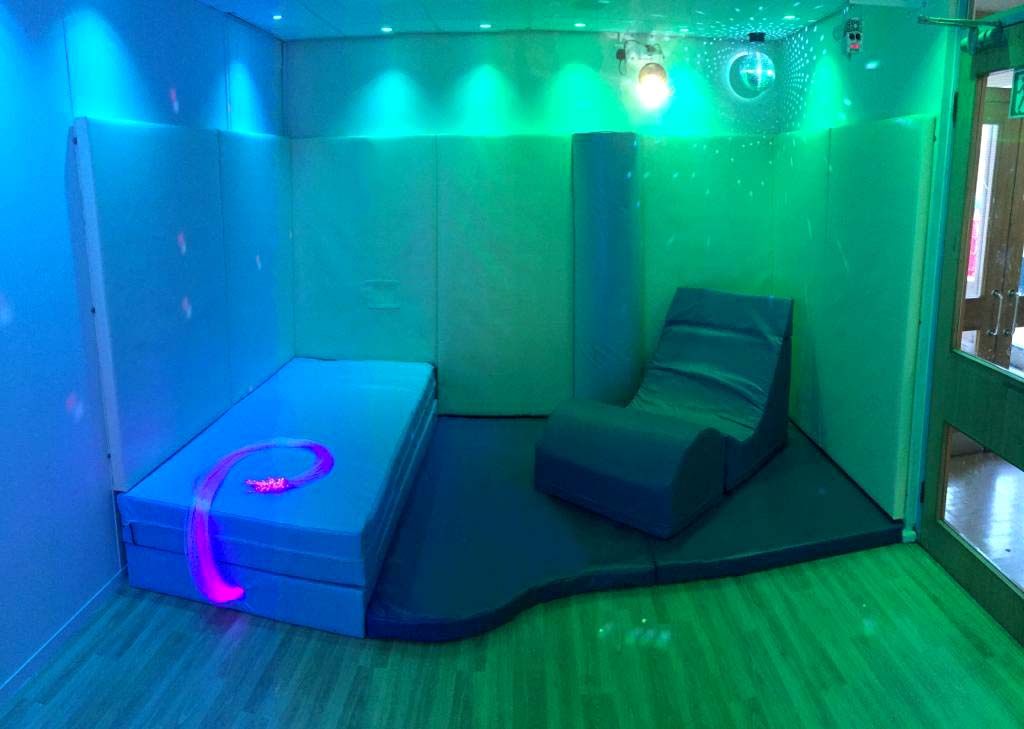
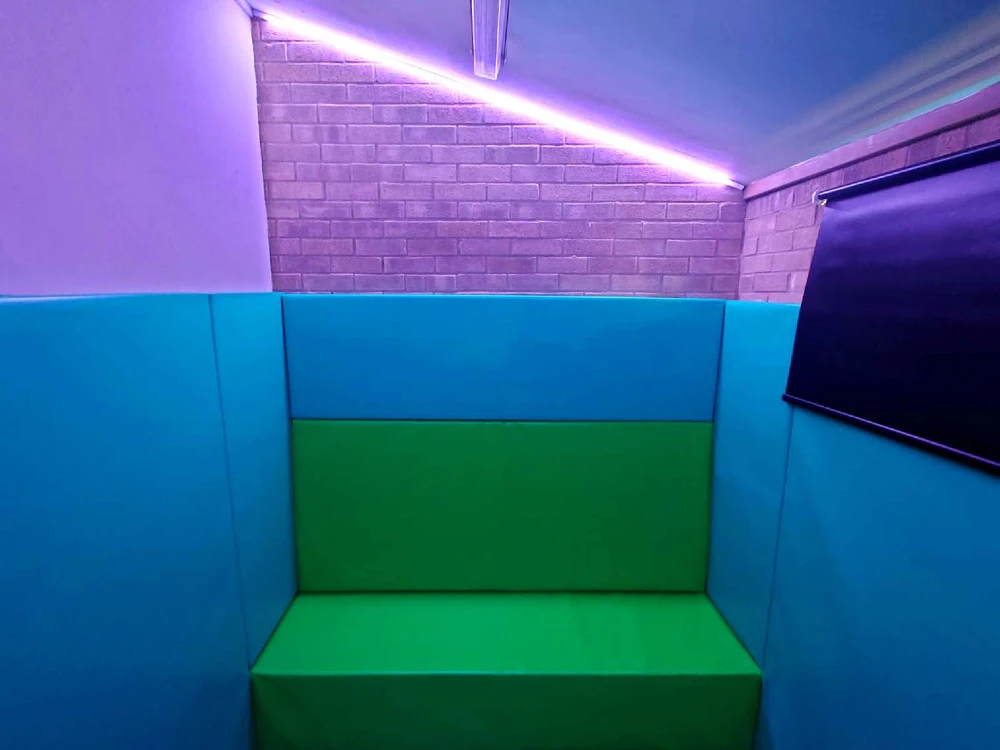
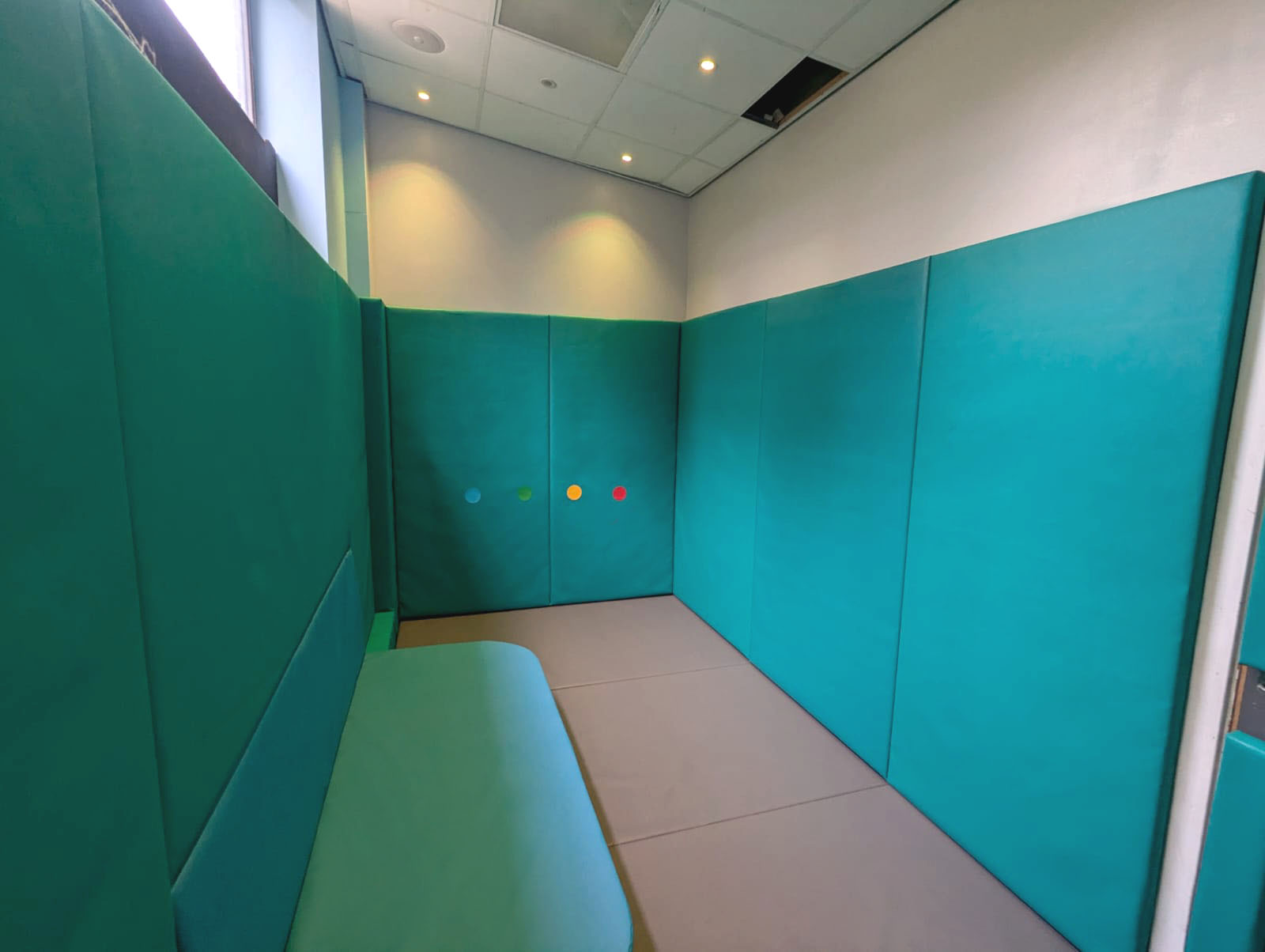
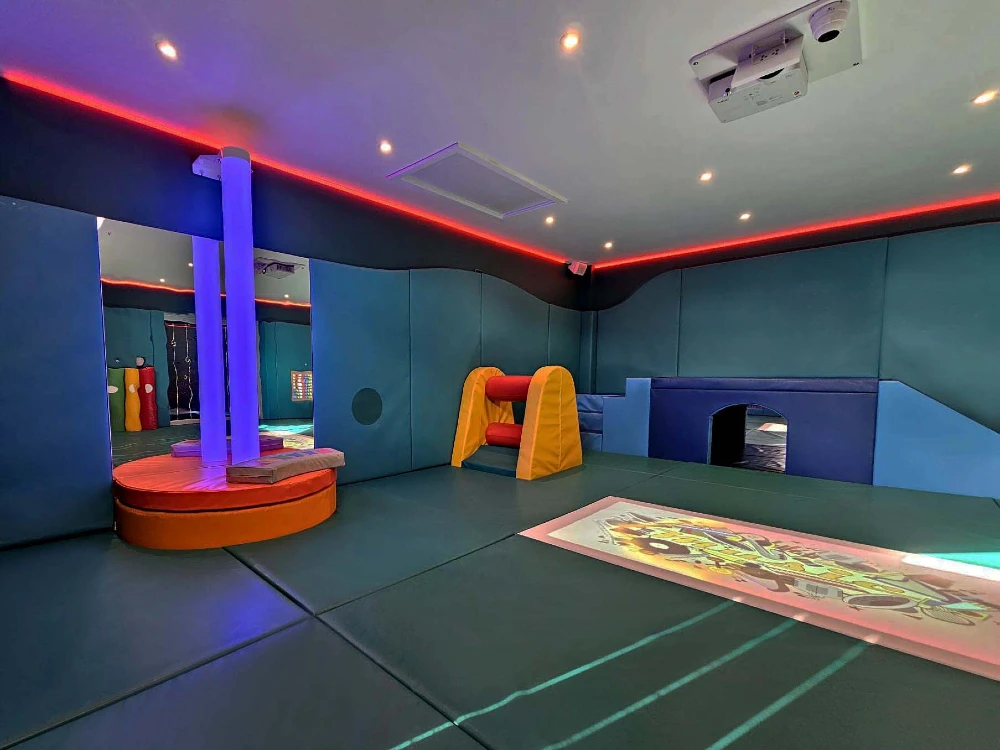
Unlike traditional calming spaces, De-escalation Rooms are specifically designed to support users during periods of heightened emotional distress, agitation or behavioural escalation. Through a combination of protective padding, carefully controlled sensory elements and bespoke room design, these environments help minimise the risk of injury while promoting self-regulation and emotional recovery.
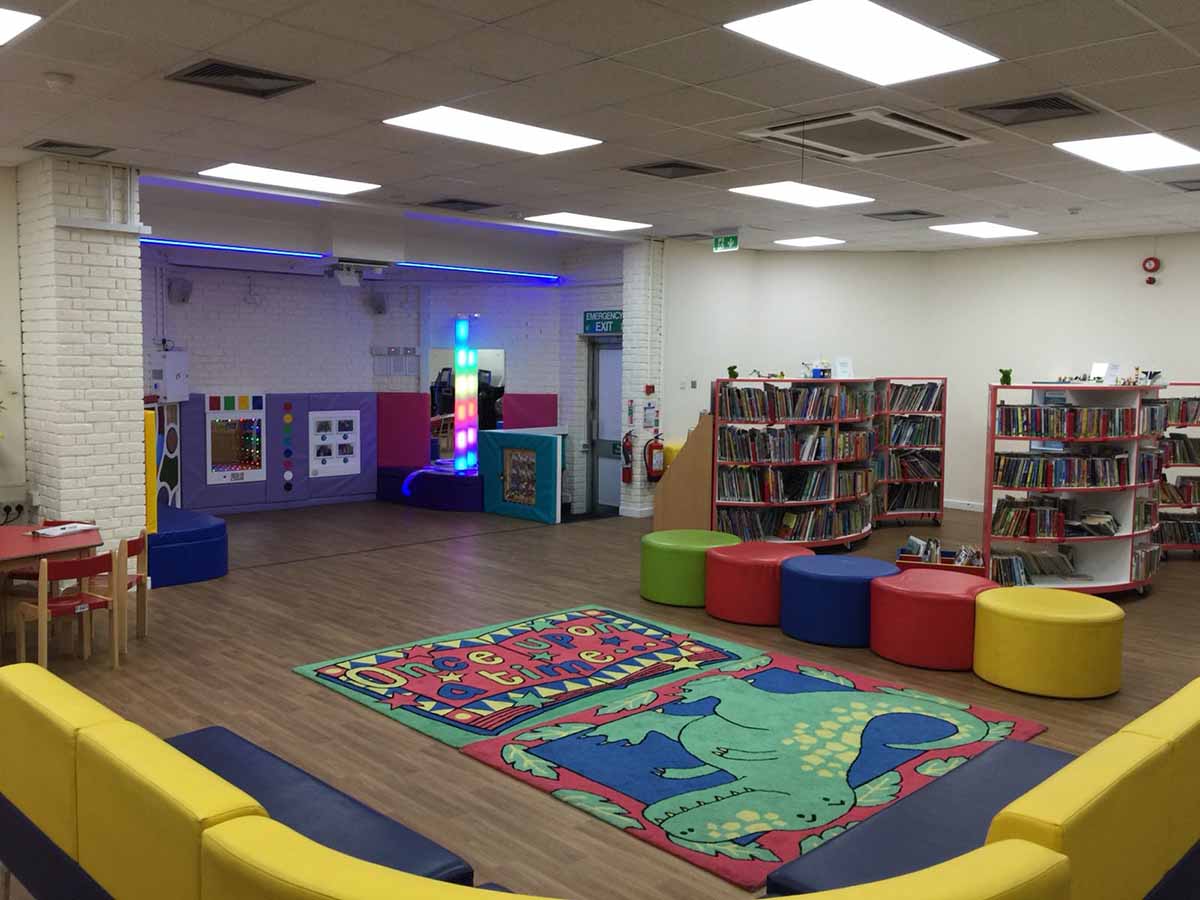
Suitable for both children and adults, De-escalation Rooms are widely used across special and mainstream education, healthcare, residential care, mental health services and community settings. Whether referred to as a de-escalation room, breakout room or reset room, every space is tailored to the needs of its users, ensuring a safe, practical and effective solution that integrates seamlessly into your existing environment.
Explore how a de-escalation space can support emotional wellbeing, safety and positive outcomes.
De-escalation Rooms provide a safe environment where users can step away from overwhelming situations and focus on regulating their emotions. By reducing external pressures and distractions, these spaces help individuals process feelings more effectively and return to daily activities when they are ready.
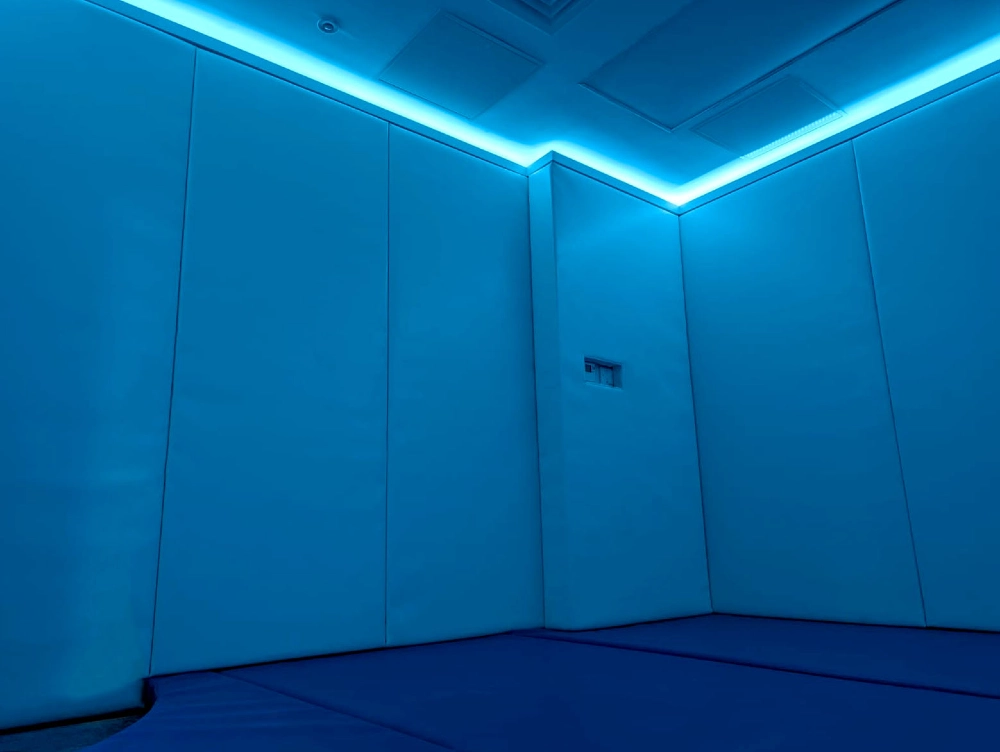
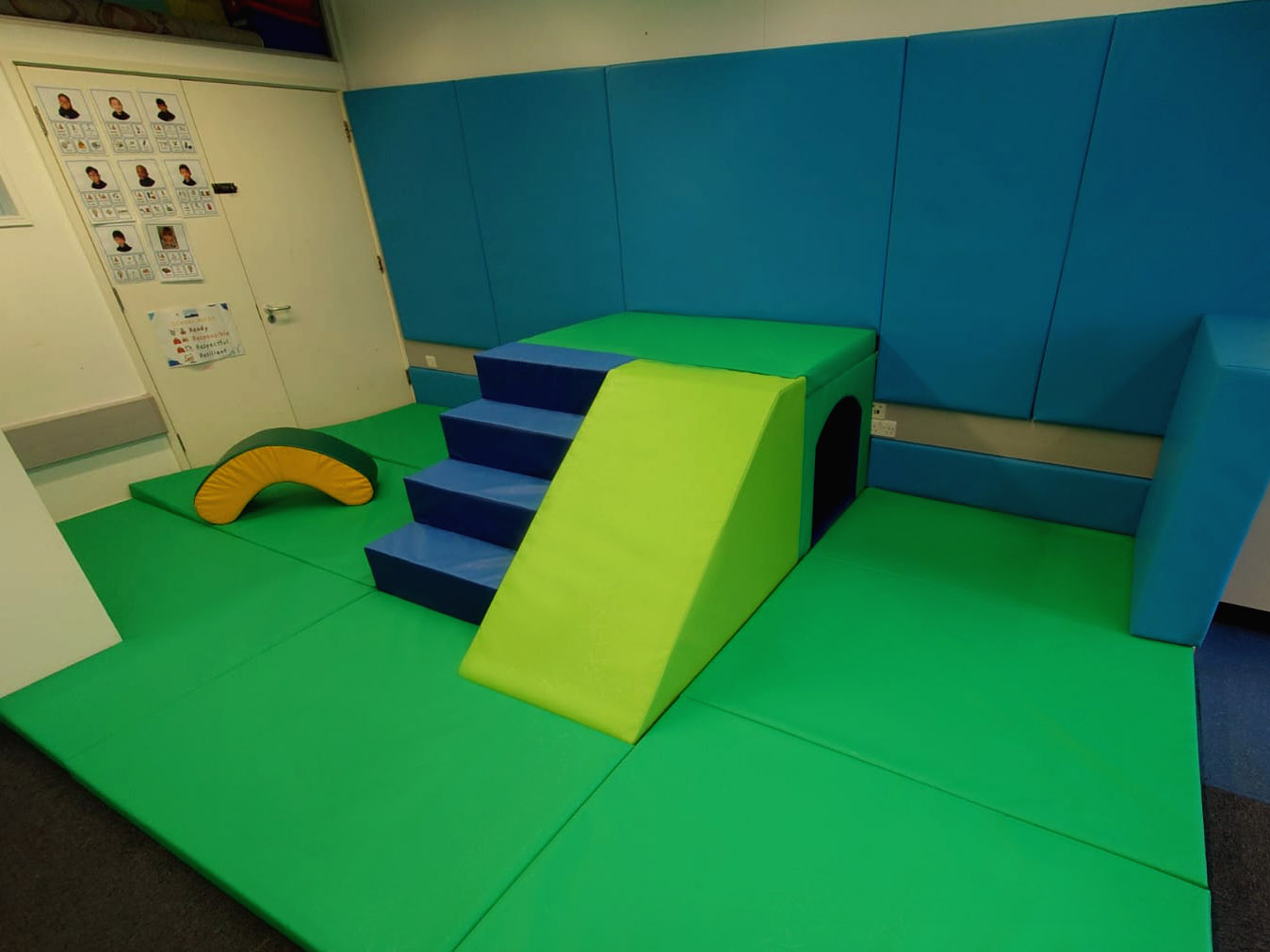
Wall, floor, door and protective padding around architectural features helps minimise the risk of injury during periods of heightened distress. This creates a safer environment for both the individual and those supporting them, while reducing the need for restrictive interventions.
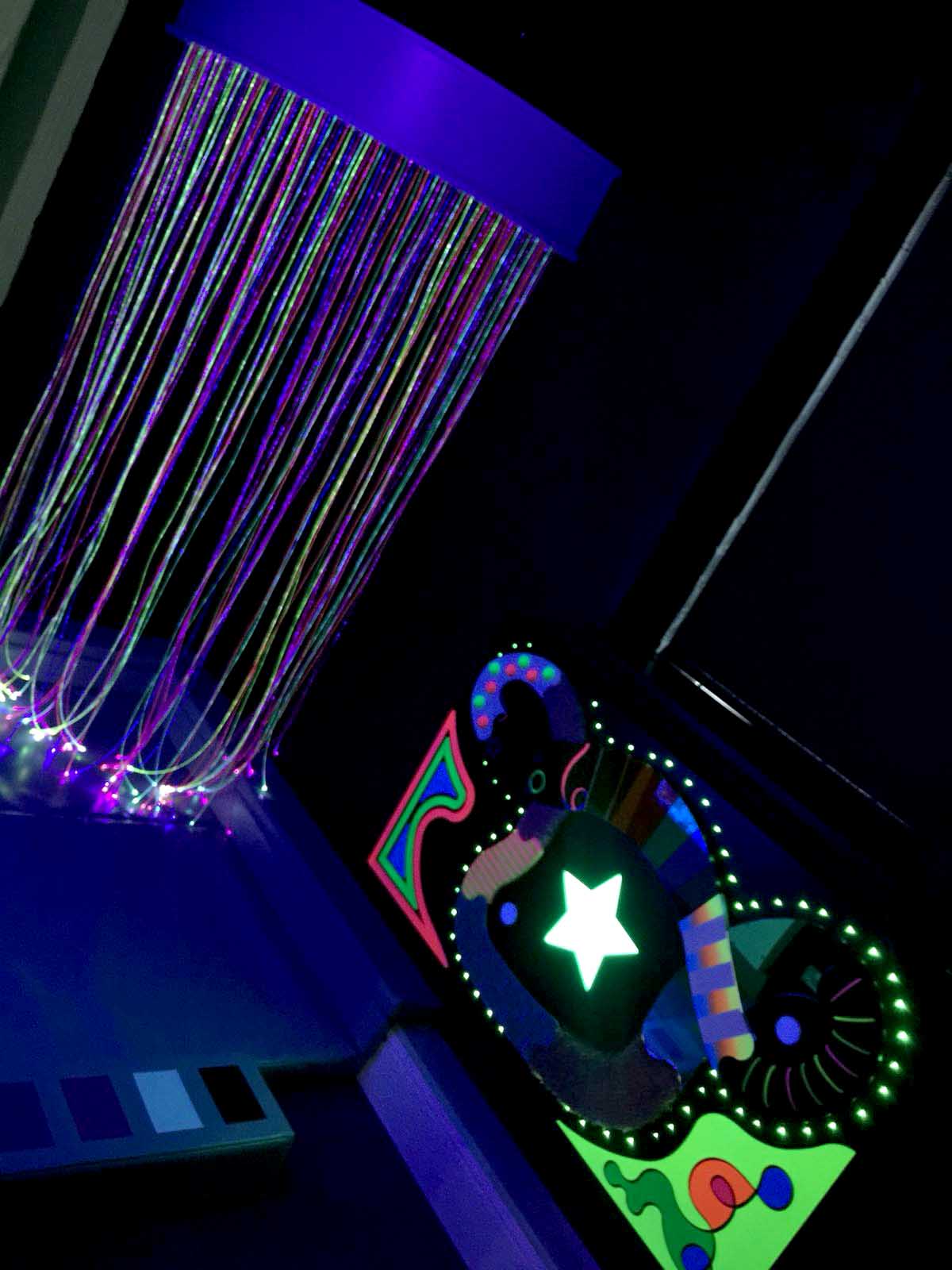
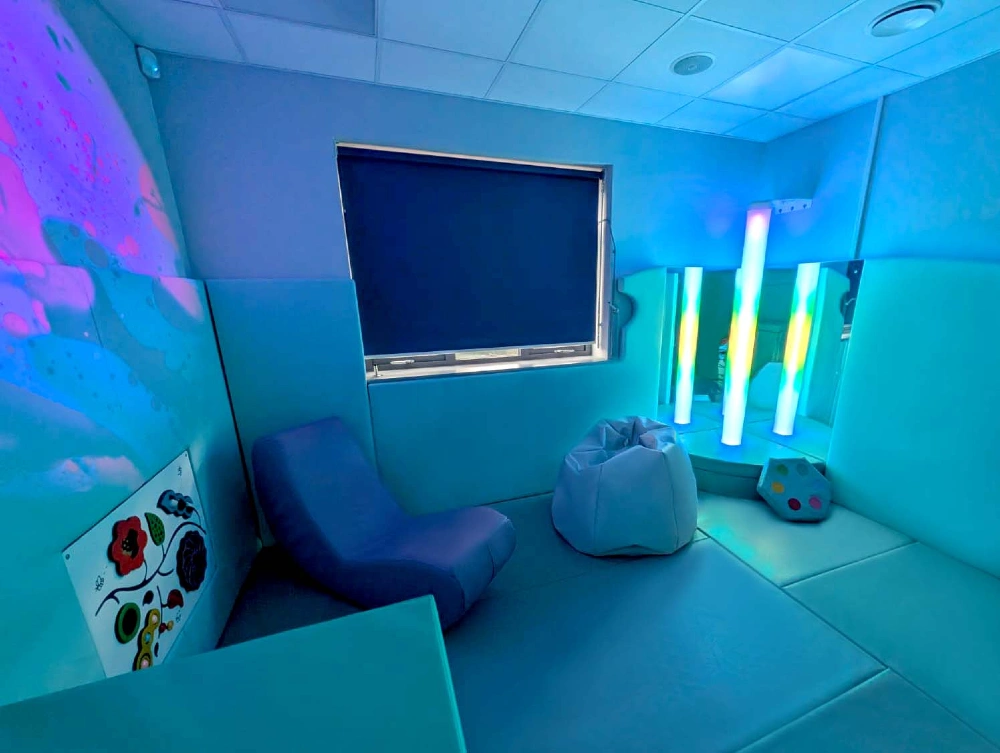
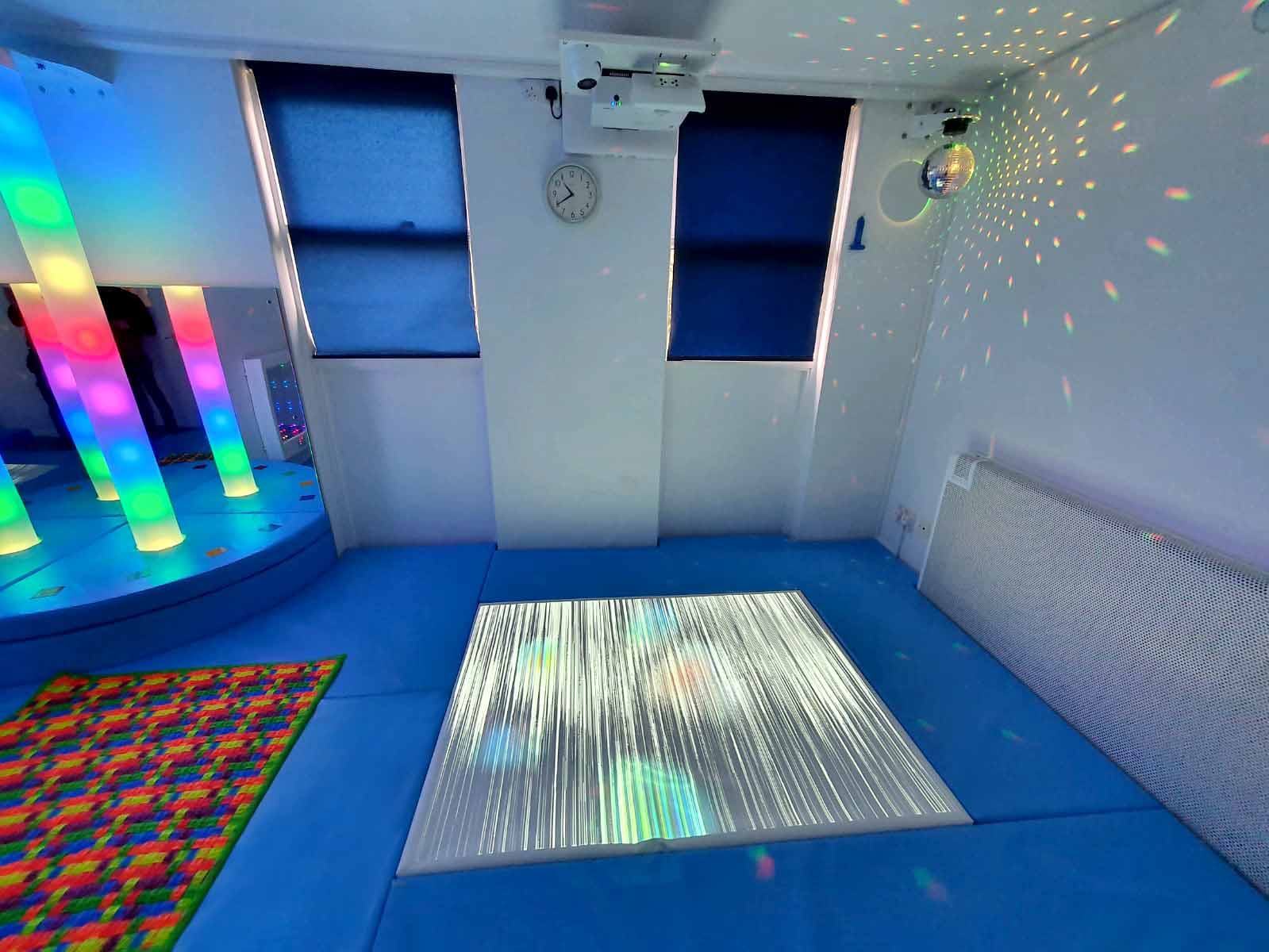
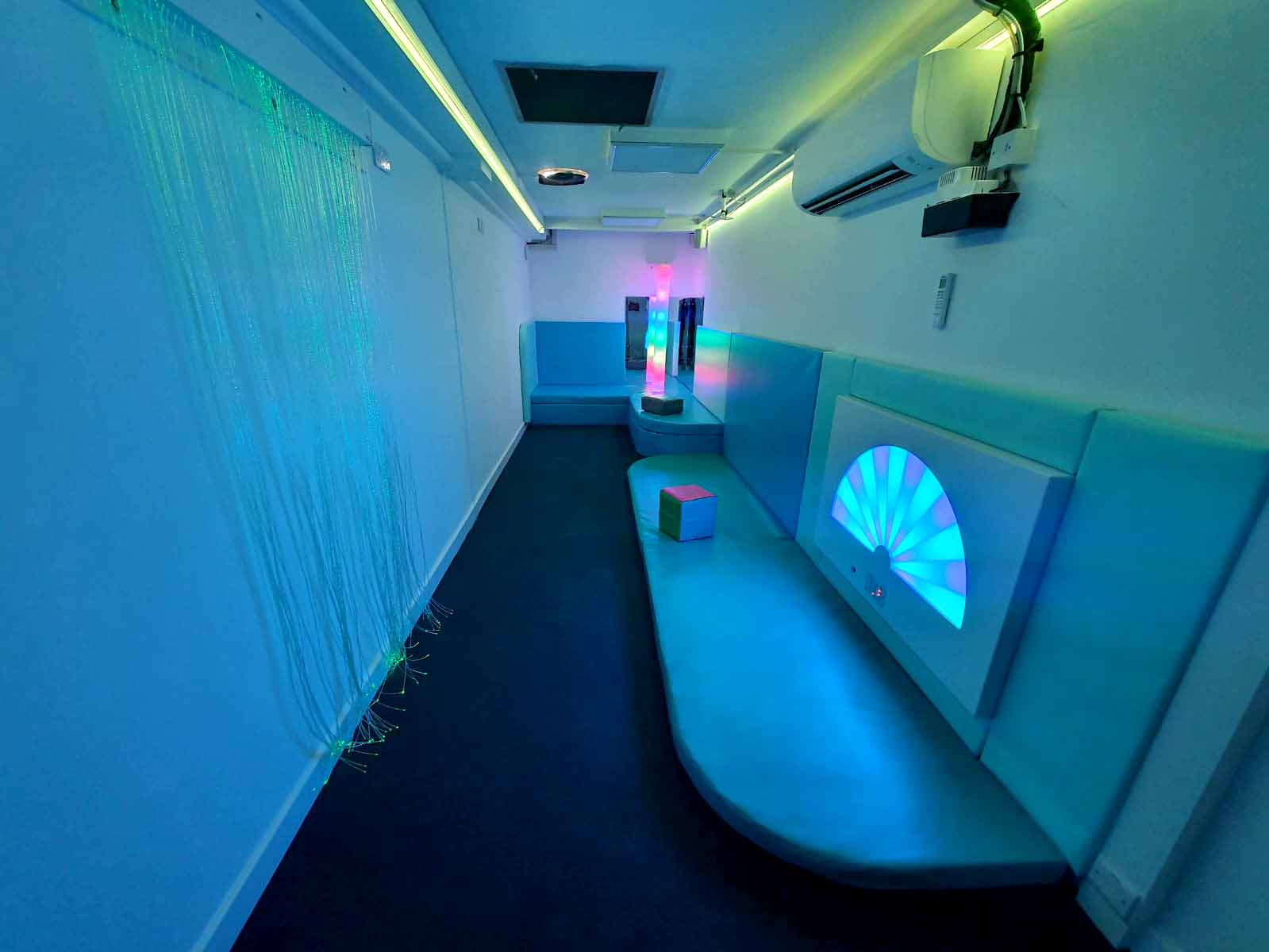
A carefully controlled environment with calming sensory elements can help lower anxiety levels and reduce emotional intensity. Features such as adjustable lighting, soothing sounds and calming visual effects encourage relaxation and support the de-escalation process.e, relaxing environment.
Regular access to a dedicated de-escalation space can help individuals develop their own coping strategies and emotional regulation skills over time. This promotes greater independence and confidence when managing challenging situations.
Having a dedicated space available when needed provides a predictable and familiar environment. This consistency can be especially beneficial for individuals with Autism, Sensory Processing Differences, SEMH needs and those who experience emotional dysregulation.
Every De-escalation Room is carefully designed around the needs of its users and intended outcomes. While requirements vary from project to project, effective spaces typically combine safety, comfort and controlled sensory input.
Supervisor Control Systems allow staff to adjust room settings to suit individual needs and situations, ensuring the environment remains appropriate, safe and effective at all times.
Ready to take the next step?
One of our experienced Sensory Advisors will be in touch. Listening to both your requirements and budget, before creating your FREE sensory environment design and proposal.
No Pushy Salespeople and No Obligation.
A safe space for pupils to regulate emotions, reduce distress and return to learning when ready.
Supporting patients experiencing anxiety, emotional dysregulation or behavioural escalation.
A dedicated space where residents can access support, reduce stress and manage heightened emotions.
A valuable resource for users who may benefit from a quiet space away from busy and demanding communal spaces.
A safe spaces that prioritises wellbeing and emotional regulation while supporting safeguarding requirements.
De-escalation Rooms can benefit children, young people and adults who experience emotional dysregulation, sensory overload, anxiety, behavioural challenges or mental health difficulties. They are commonly used to support individuals with Autism, ADHD, SEMH needs, learning disabilities and sensory processing differences.
A Sensory Room is designed to provide sensory stimulation, exploration and regulation through a range of interactive equipment and experiences. A De-escalation Room focuses on creating a safe, low-arousal environment that helps users reduce emotional intensity, regain control and recover from challenging situations.
Protective padding helps minimise the risk of injury during periods of heightened distress or agitation. It creates a safer environment for both users and staff while supporting positive behaviour management approaches and reducing the need for restrictive interventions.
Yes. Many De-escalation Rooms incorporate carefully selected sensory elements such as colour-changing lighting, calming audio and visual projections. These features can help reduce anxiety, encourage relaxation and support emotional regulation while maintaining a safe and controlled environment.
Absolutely. Most projects involve transforming an existing room into a bespoke De-escalation Room, Breakout Room or Reset Room. Our team can work with a variety of room sizes and layouts to create a solution that fits your space and requirements.
Yes. We offer a full turnkey service, including consultation, room design, manufacture, installation and training. Our experienced team will guide you through every stage of the project, from initial concept to completed installation.
De-escalation Rooms can be designed to suit a wide range of spaces, from compact breakout areas to larger specialist environments. During the design process, we assess your available space and recommend the most effective layout for your users and objectives.
Creating the right environment for children with additional needs is essential for supporting both learning and wellbeing. In this project, we worked with the Chaucer …
Designing a home sensory room can make a transformative difference for children with additional needs who benefit from sensory input and structured play environments. In …
Chiltern Primary School is a nurturing and inclusive primary school based in Basingstoke, dedicated to providing every child with a supportive learning environment. After identifying …
Oakridge School provides a supportive and inspiring learning environment for pupils from nursery to junior age. To enhance its inclusive provision, we we worked with …
Creating the right environment for children with additional needs is essential for supporting both learning and wellbeing. In this project, we worked with the Chaucer …
Designing a home sensory room can make a transformative difference for children with additional needs who benefit from sensory input and structured play environments. In …
Chiltern Primary School is a nurturing and inclusive primary school based in Basingstoke, dedicated to providing every child with a supportive learning environment. After identifying …
Oakridge School provides a supportive and inspiring learning environment for pupils from nursery to junior age. To enhance its inclusive provision, we we worked with …