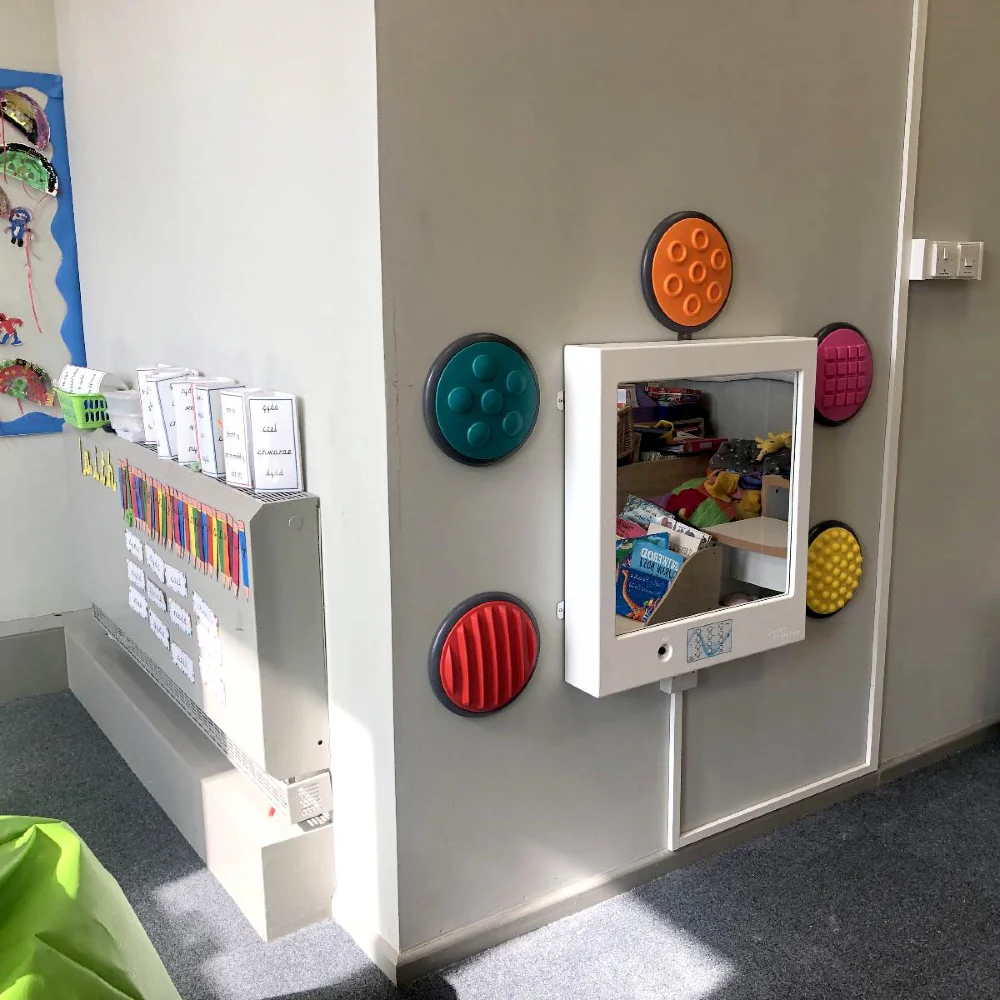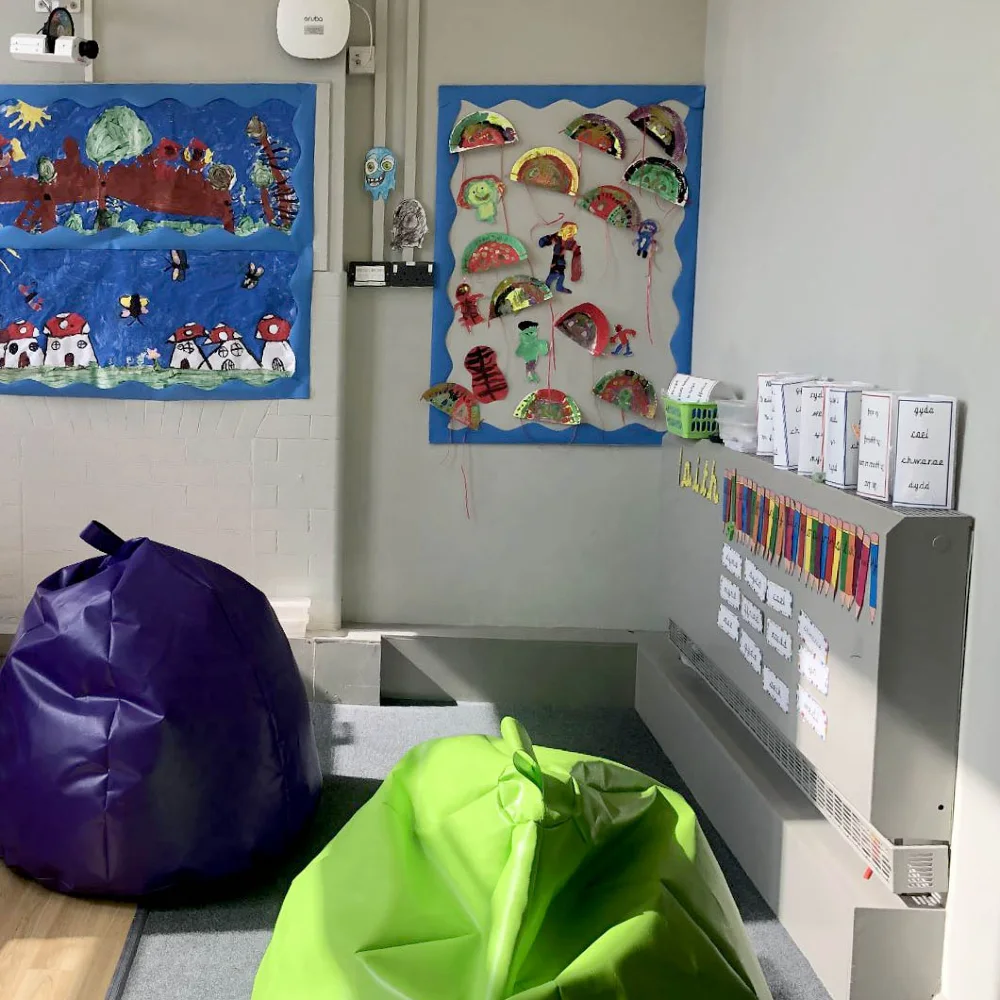
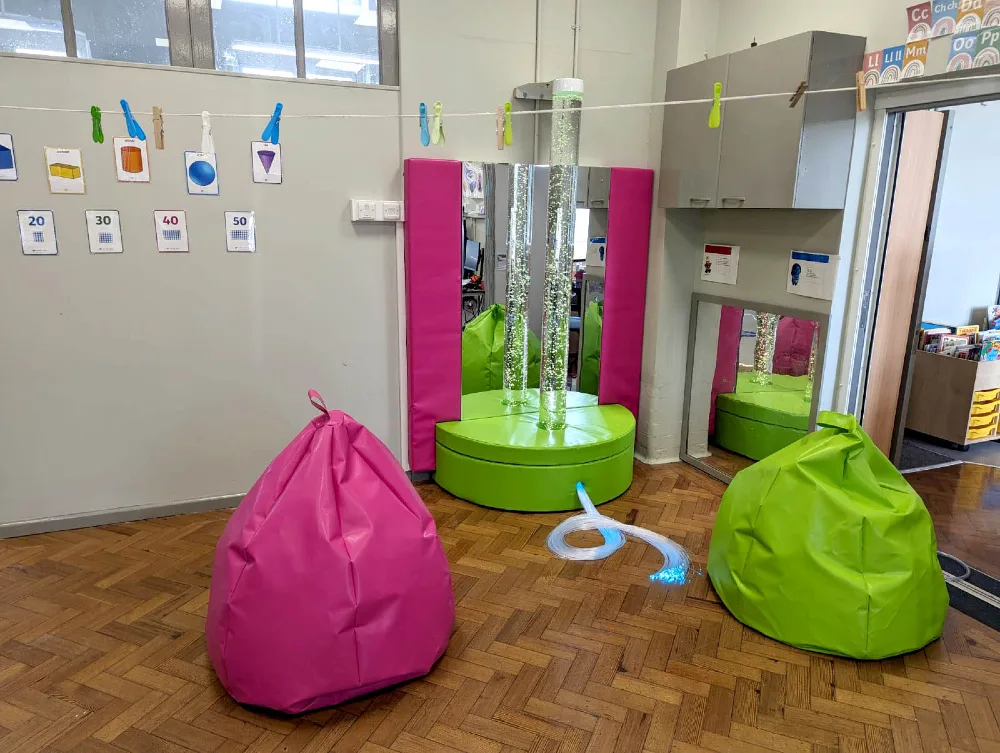
Schools are placing a bigger focus on creating inclusive learning environments that support the wellbeing, development and individual needs of every student. For many children with Special Educational Needs (SEN), traditional classrooms can sometimes feel overwhelming or difficult to engage with, which is why more schools are investing in sensory classrooms designed to better support learning, communication and emotional regulation.
The environment a child learns in can have a huge impact on how much sensory overload they experience, making it increasingly important for schools to carefully consider sensory needs within the classroom. When students feel comfortable, supported and safe within their environment, they are often far more confident engaging in activities, communicating and participating in learning. However, environments that feel overstimulating or unsettling can make it much harder for students to focus, regulate emotions and fully take part in classroom activities.
Incorporating sensory features into the classroom is changing the way SEN students experience education by creating engaging, interactive and calming spaces tailored to different needs and abilities. These environments help encourage focus, confidence, communication and participation in a way that feels both fun and supportive.
In this week’s blog, we’ll explore how sensory classrooms are positively transforming learning and wellbeing for SEN students, along with how schools can create sensory spaces tailored to their own environment and students’ needs.
What Is a Sensory Classroom?
A sensory classroom is a learning space designed to better support students with Special Educational Needs (SEN) through a mix of sensory-stimulating features, interactive equipment and calming elements. Unlike traditional classrooms, which can sometimes feel overwhelming or difficult for some students to engage with, sensory classrooms are designed to be more flexible, interactive and supportive of different learning and sensory needs.
These spaces combine learning, sensory regulation and interactive activities to help students feel more comfortable, engaged and confident within the classroom environment. Sensory classrooms can be used for everything from interactive lessons and group activities to calming sensory breaks and one-to-one support sessions, helping create an environment where students can learn, communicate and explore in a way that feels safe, enjoyable and accessible.
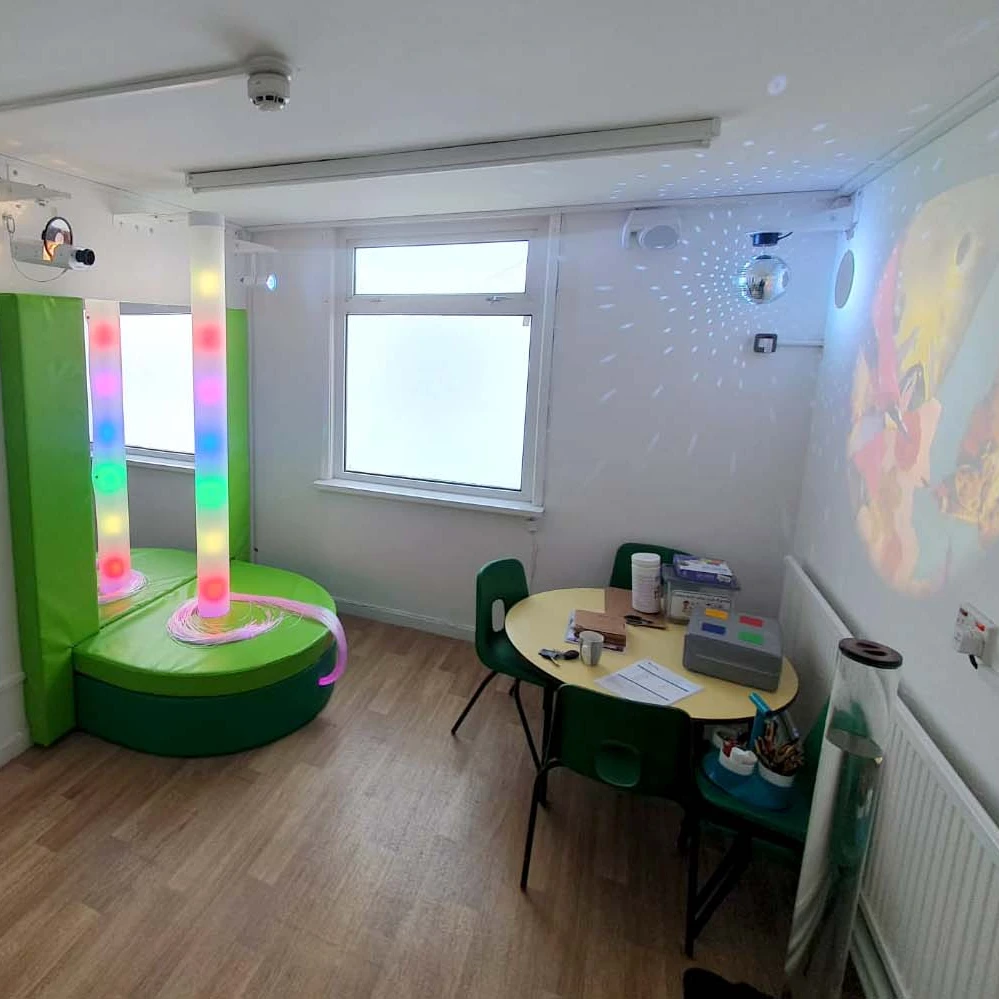
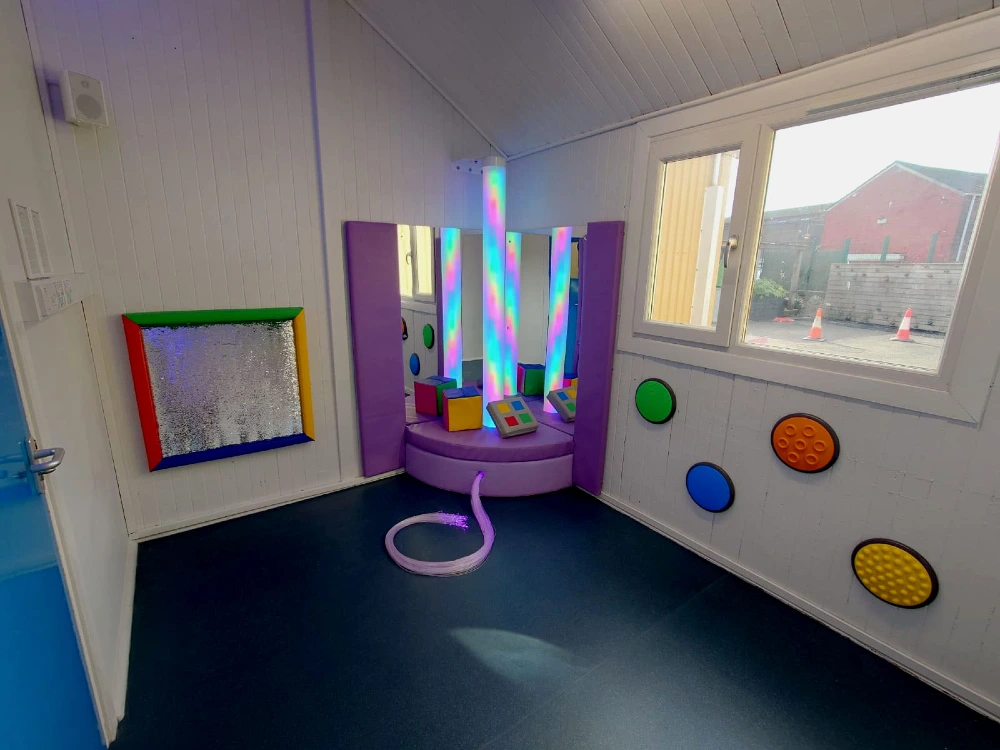
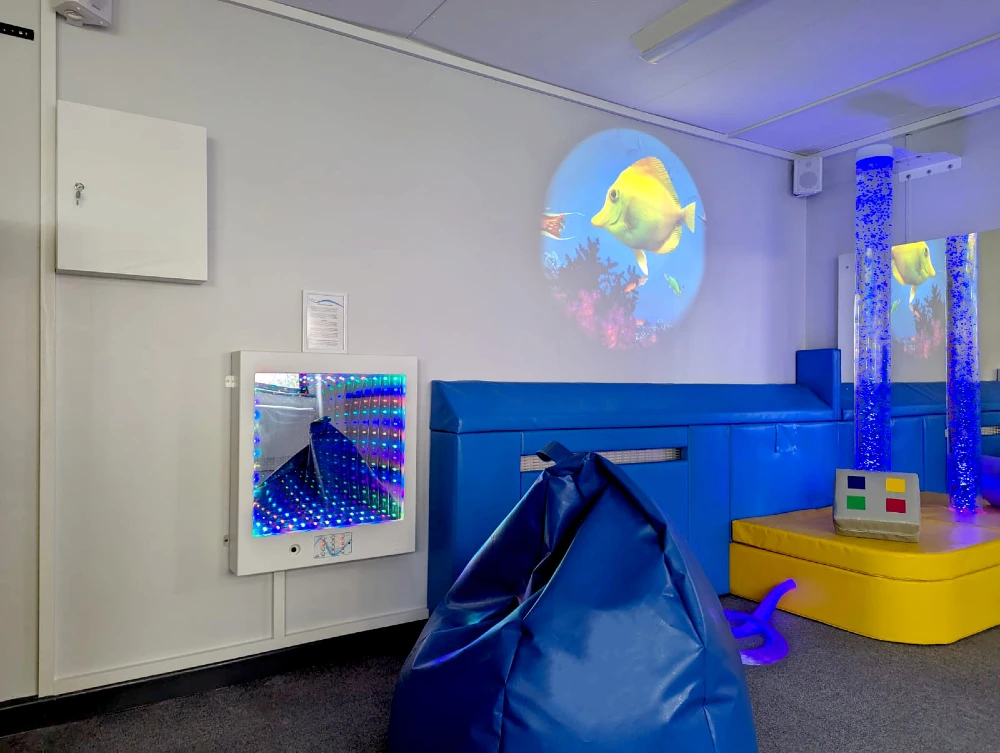
Many sensory classrooms include immersive and interactive features such as:
- Interactive lighting systems
- Wall and floor projection systems
- Sensory panels and tactile activities
- Bubble tubes and Borealis tubes
- Integrated sound and music systems
- Flexible seating areas
- Soft play and padded areas
These features help create engaging experiences while also supporting emotional regulation, focus, communication and cause-and-effect learning. As every school and student group is different, sensory classrooms are most effective when designed as bespoke spaces tailored to the users, available space and learning goals.
Why Are Sensory Classrooms Important for SEN Students?
Sensory classrooms do much more than create a fun and engaging space. For many SEN students, having access to a sensory-friendly environment can make a huge difference to their confidence, wellbeing and overall classroom experience.
- Supporting Emotional Regulation
Busy classrooms can sometimes feel overwhelming for students with autism, ADHD and sensory processing difficulties, making it harder for them to focus or feel settled.
Sensory classrooms help create calming environments where students can regulate emotions and feel more in control of their surroundings. Features such as calming lighting, soothing sounds, soft seating and sensory equipment can help reduce overstimulation and provide students with a safe space to reset when needed.
- Improving Engagement and Focus
Interactive sensory learning can help make lessons feel more engaging, immersive and enjoyable for SEN students. Rather than simply sitting and listening, students can exercise their senses to actively help them stay focused and involved for longer periods of time.
Many sensory classrooms encourage “cause and effect” learning, where students can see an immediate response to their actions. This can help build concentration, understanding and confidence while making activities feel more rewarding and accessible.
- Encouraging Communication and Social Interaction
Sensory classrooms can also help students develop communication and social skills in a more relaxed and supportive environment. Interactive group activities encourage students to explore, play and engage together, helping build confidence and peer interaction naturally.
For some students, sensory spaces can feel less pressured than traditional classroom settings, making it easier to communicate, express emotions and take part in collaborative activities.
- Promoting Independence and Accessibility
One of the biggest benefits of sensory classrooms is that they can be tailored to suit a wide range of abilities, accessibility needs and learning styles. Many interactive features are designed so students can independently control and explore the environment in a way that feels comfortable for them, including wireless switches, touch panels and iPad integration.
These features help make sensory classrooms more inclusive while encouraging confidence, independence and greater participation within activities.
What are the Benefits of Sensory Classrooms for Schools?
Sensory classrooms do more than support students in the moment – they can also have a lasting positive impact across the whole school environment. By creating spaces that help students feel calmer, more engaged and better supported, schools can improve both wellbeing and participation throughout the school day.
Having access to sensory-friendly environments can help students regulate emotions, reduce anxiety and feel more comfortable within school, particularly during overwhelming or stressful moments. When students feel settled and supported in their surroundings, they are often more confident participating in lessons, communicating with others and engaging in classroom activities.
Sensory classrooms also help schools create more inclusive learning environments that support a wider range of sensory preferences, learning styles and abilities. Interactive sensory learning can improve focus, communication and engagement, while dedicated sensory spaces can also provide valuable support for teachers and support staff through one-to-one activities, emotional regulation strategies and calmer classroom management.
Another major benefit is flexibility. Bespoke sensory classrooms can be adapted over time with new layouts, equipment or interactive features, allowing schools to continue meeting the changing needs of future students. Providing access to calming sensory spaces can also help reduce sensory overload and emotional dysregulation, often leading to fewer classroom disruptions and a more positive learning environment for both students and staff.
Designing a Sensory Classroom for Your School
Every school, student group and learning environment is different, which is why sensory classrooms should be designed around the specific needs of the users and how the space will be used day-to-day. A well-designed sensory classroom should feel engaging, accessible and supportive, while also being practical for staff and adaptable for future needs.
School sensory rooms do not always need to be completely separate spaces either. Many schools are now incorporating sensory features directly within the main classroom, or creating dedicated sensory zones to one side of a learning space that students can easily access when needed. This allows students to benefit from sensory support without needing to leave the classroom environment completely, helping create more inclusive and flexible learning spaces throughout the school day.
Some schools may require calming sensory spaces focused on emotional regulation and low stimulation, which may be better suited to relaxing mood lighting, soft seating and calming visuals. Others may benefit from more engaging sensory environments focused on interactive learning and student participation, incorporating features such as floor projection systems, tactile activity panels and interactive cause-and-effect activities.
What Should You Consider in a Sensory Classroom Design?
- How much space is available, and how many students will be accessing the environment at one time?
- Is there enough open space for movement, wheelchair users and mobility aids?
- Will the sensory environment be integrated within an existing classroom or created as a dedicated sensory zone or separate room?
- Will the space be designed for calming sensory regulation, interactive learning or multi-purpose use?
- Does the equipment suit a range of sensory preferences, learning styles and abilities?
- What age range and individual student needs will the space need to support?
- Does the design provide good long-term value and flexibility as student needs change over time?
Creating Classrooms That Support Every Student
Overall, sensory classrooms are transforming the way schools support students with Special Educational Needs by creating environments that feel more inclusive, engaging and accessible for different learning styles and sensory needs.
From supporting emotional regulation and reducing sensory overload to encouraging communication, confidence and interactive learning, these spaces can have a hugely positive impact on both student wellbeing and educational outcomes.
Whether incorporated within a mainstream classroom, designed as a calming sensory zone or developed as a fully immersive interactive learning hub, sensory classrooms can help students feel more comfortable, supported and ready to learn.
Looking to create a bespoke sensory classroom for your school or educational setting?
Speak to our team to request a free bespoke design and quotation based around your schools needs, goals and budget.