Sensory Circuits are a powerful and practical way to help children prepare their bodies and brains for learning. Widely used in UK primary schools, Early Years Settings and SEND Provisions, Sensory Circuits support focus, self-regulation and emotional wellbeing.
In this post, we’ll explain what Sensory Circuits are, why they’re so effective in schools, and share 9 Sensory Circuit Ideas for Schools that can be set up utilising sensory equipment and adapted for different age groups and learning needs.
What is a Sensory Circuit?
A Sensory Circuit is a short sequence of physical activities designed to help children regulate their sensory systems. In schools, Sensory Circuits are often used at the start of the day, after lunch or before lessons that require concentration.
Sensory Circuits follow a three-part structure:
Alerting activities – wake up the body and brain.
Organising activities – improve focus, coordination and motor control.
Calming activities – help children feel settled and ready to learn.
A typical Sensory Circuit in School lasts 10–15 minutes and can be used with individuals, small groups or whole classes.
The Science Behind Sensory Circuits
Understanding the science behind Sensory Circuits can help teachers, SENCOs and support staff appreciate why these short routines have such a powerful impact on learning and behaviour.
At the heart of Sensory Circuits is sensory processing – the way the brain receives, organises and responds to information from the body and environment. Children take in sensory information through different systems such as touch, sight, sound, movement and body awareness. When these systems work together smoothly, children feel regulated, alert and ready to learn. When they don’t, children may appear distracted, restless, overwhelmed or withdrawn.
Sensory Circuits use purposeful movement activities to support Sensory Integration, helping the brain organise input more efficiently so that children can manage their emotions, attention and behaviour.
Proprioceptive Input
One of the most important systems involved in sensory circuits is the proprioceptive system -. sometimes called the “body awareness” sense. This system helps children know where their body is in space and how much force to use when moving. Heavy work activities such as pushing, pulling, crawling or lifting provide strong proprioceptive input. Why it matters:
- Helps calm the nervous system
- Improves body control and coordination
- Reduces anxiety and overwhelm
- Supports pupils who struggle with fidgeting or impulsivity
Vestibular Input
The Vestibular System, located in the inner ear, helps children balance, move confidently and maintain an upright posture. Activities that involve spinning, rocking, balancing or changes in head position provide vestibular input. Why it matters:
- Improves balance, stability and spatial awareness
- Helps with attention and the ability to sit still
- Supports transitions between alertness and calmness
Benefits of Sensory Circuits in UK Schools
Sensory Circuits are becoming widely used across UK primary schools, nurseries and specialist settings. Recommended by Occupational Therapists, there are a range of benefits for pupils.
Key benefits include:
- Improved attention and concentration
- Better self-regulation and emotional control
- Support for neurodiverse pupils, including children with autism, ADHD and sensory processing differences
- Smoother transitions between lessons
- Positive impact on behaviour and classroom readiness
- Sensory circuits are inclusive, flexible and can benefit all children, not just those with identified SEND.
9 Sensory Circuit Ideas For Schools
Let’s take a look at our top 9 Sensory Circuit Ideas activities that work well in UK schools and can be adapted for different key stages and abilities.
Alerting Activities
The goal is to provide stimulation to raise the child’s arousal level and prepare the brain for learning.
1. Jump and Count Station
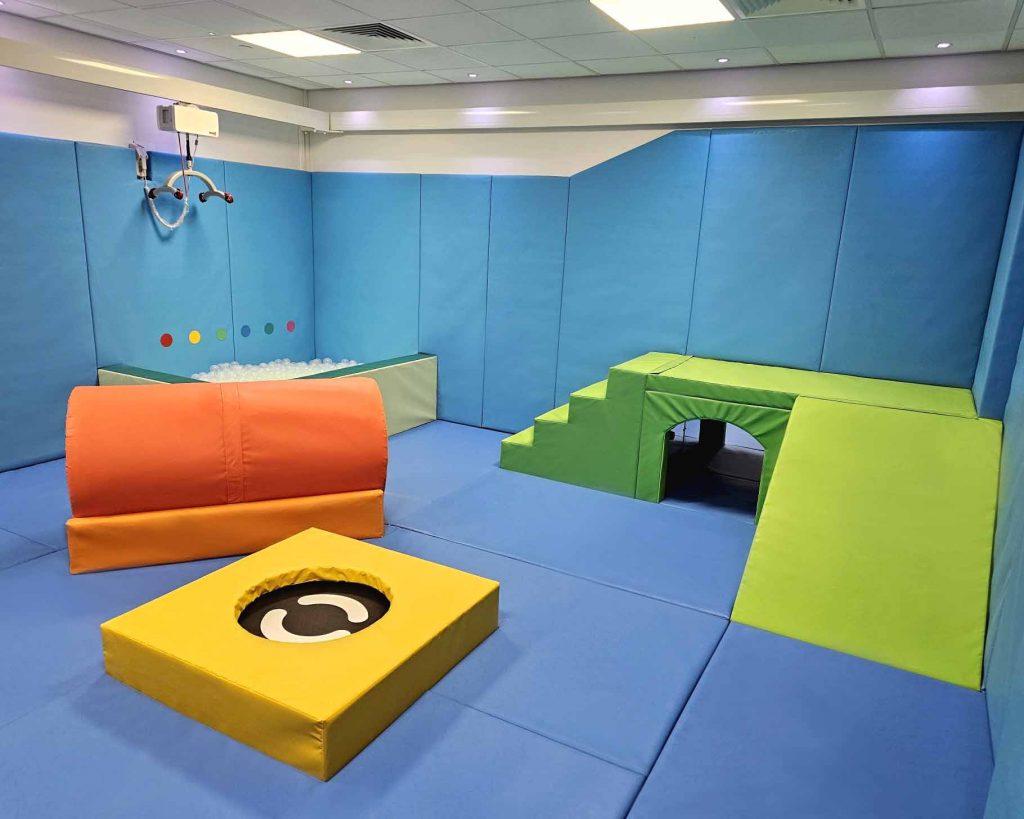
Incorporating a jump and count station can encourage pupils to carry out movements such as bouncing, jumping jacks or sequences of small and big jumps, with equipment such as a Trampette or Space Hopper. These can be beneficial in building balance and strength, as well as getting the brain stimulating through combining numeracy with movements (such as counting or timetables out loud).
2. Stepping Stones Path
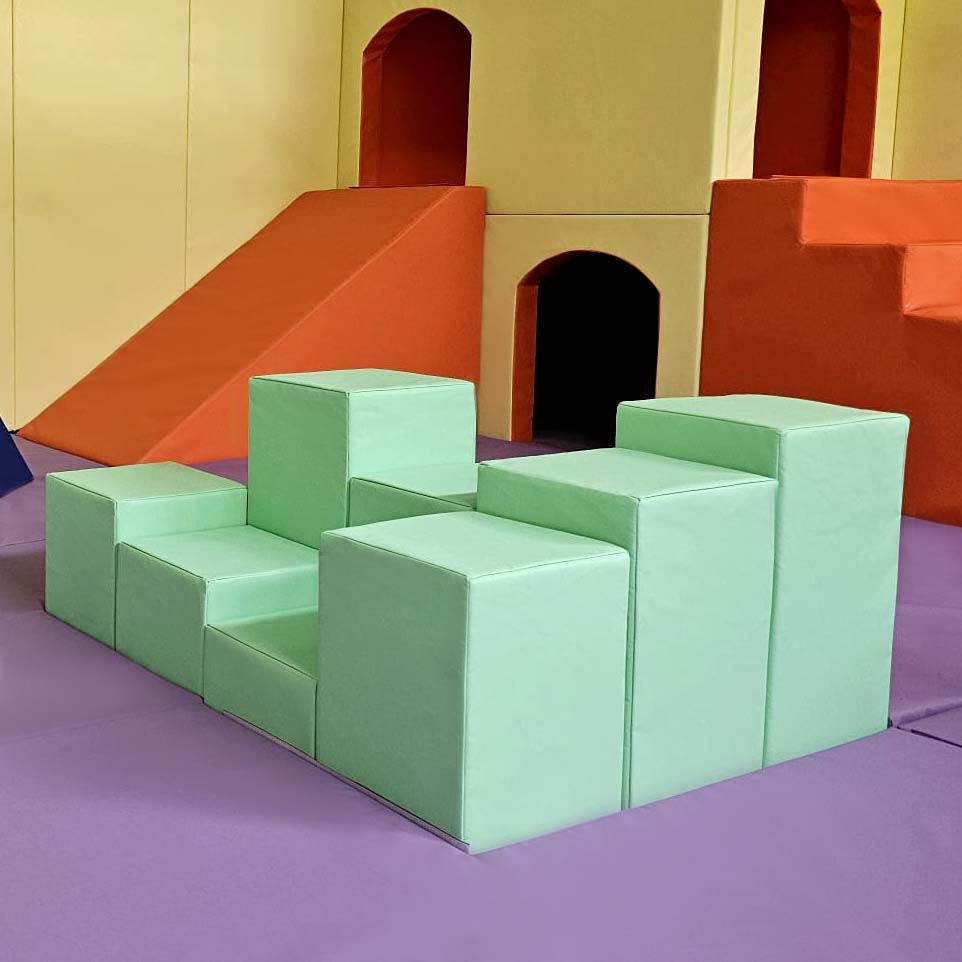
This interactive game is great for not only initiating movement, but also spatial awareness and co-ordination. Pupils can develop their cause-and-effect learning through our Liquid Floor Tiles, which initiate liquid patterns on movement. Alternatively Softplay Stepping Stones allow the children to safely navigate through different heights challenges.
3. Spinning and Hula Hooping
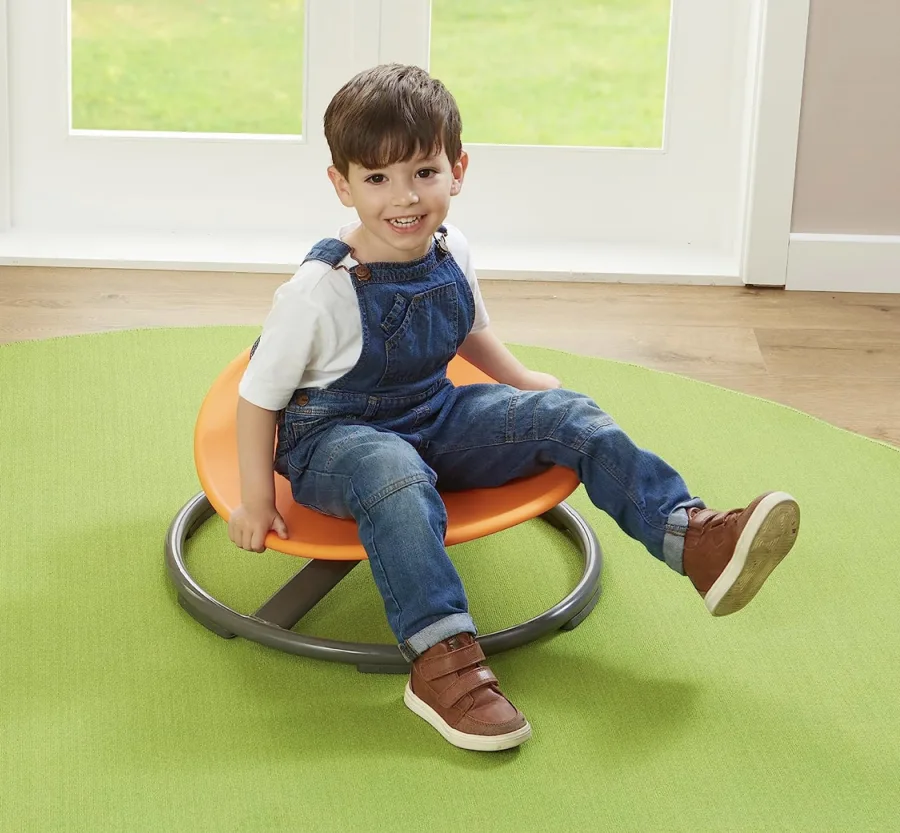
Spinning-based activities are beneficial within the activities stage of the circuit as they provide strong vestibular input. When a child spins, the fluid in the inner ear moves, sending signals to the brain about their speed and direction – this strong input acts like a neurological “wake-up call”, especially for children who are hypo-responsive. Equipment such as hula hoops and a gonge carousel can also be used to enhance proprioceptive awareness, as when the children are spinning, they must engage muscles to stabilise their posture and balance.
Organising Activities
The goal is to help the children organise their body, plan their approaches and perform sequential movements that will improve focus and attention.
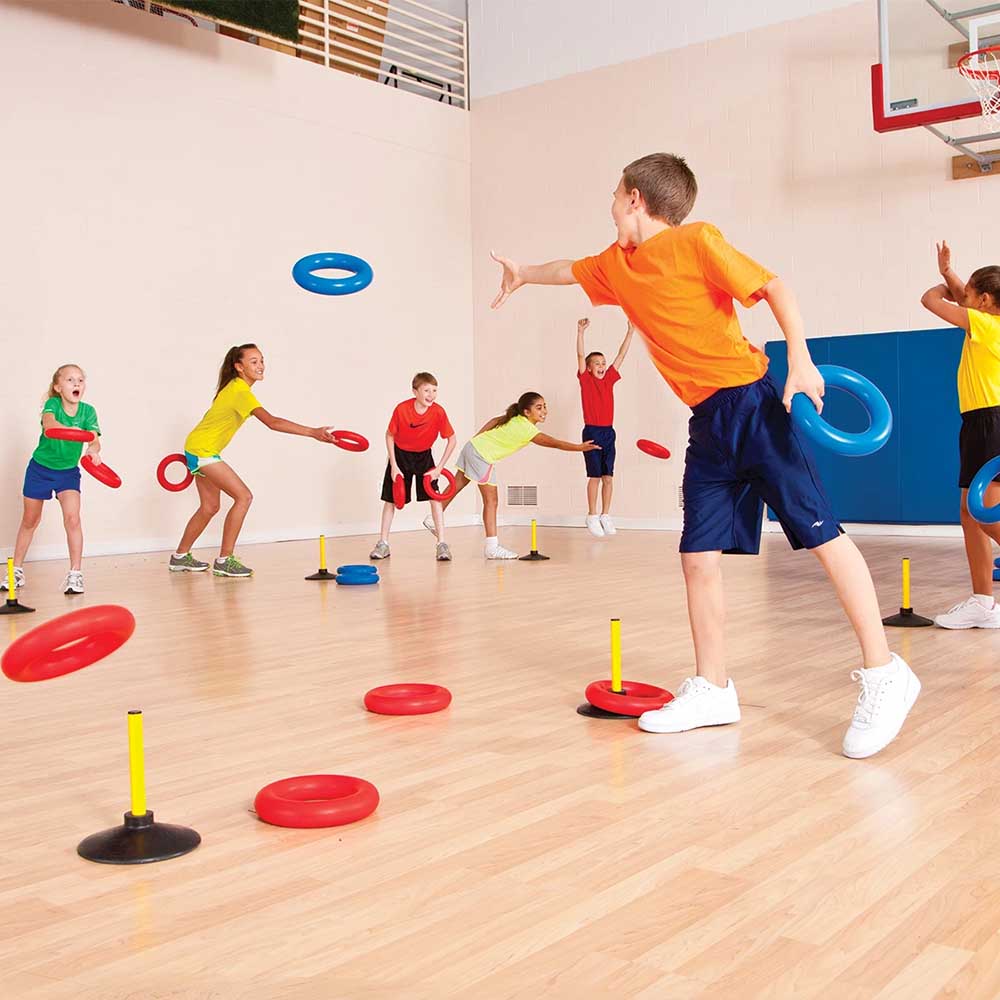
4. Beanbag and Ring Toss Game
The Beanbag Toss and Ring Toss games are simple yet highly effective activities for the organising phase of a Sensory Circuit. By incorporating targets or number-based scoring systems, pupils develop proprioceptive and vestibular skills through aiming, throwing and coordinated movement. These activities can also be adapted into a social game, with children tossing beanbags to one another, helping to strengthen communication, teamwork and social interaction.
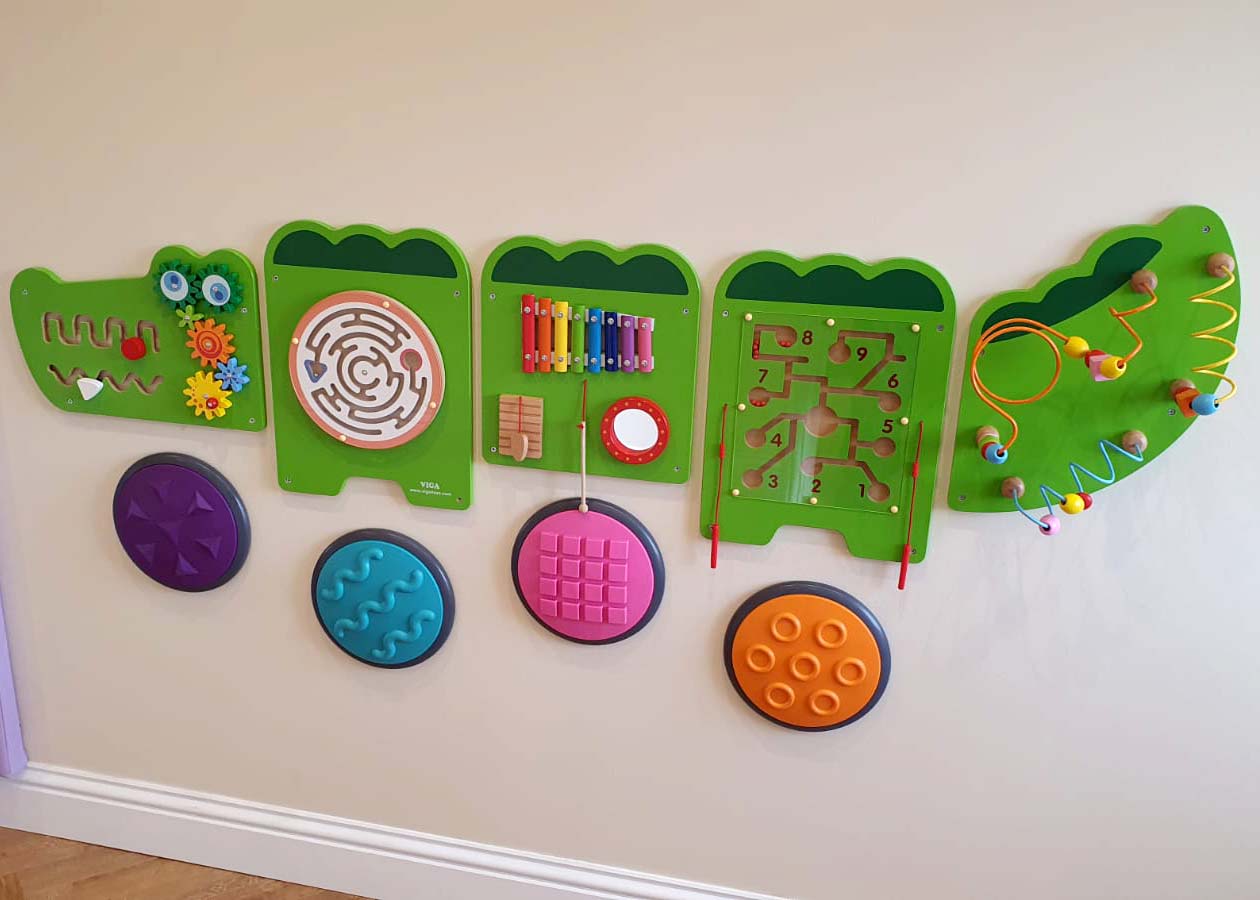
5. Interactive Play Panels
Interactive Play Panels are another great option for the organising stage of a Sensory Circuit. With built-in puzzles, patterns and paths to follow, they encourage children to problem-solve, plan and coordinate their movements as they explore each activity. Lego Wall Panels work in a similar way where pupils can add, build and create with Lego bricks. This task can develop fine motor skills, hand–eye coordination and spatial awareness. Both activities can be used individually or as a small-group task, offering plenty of opportunities for communication, teamwork and shared creativity.
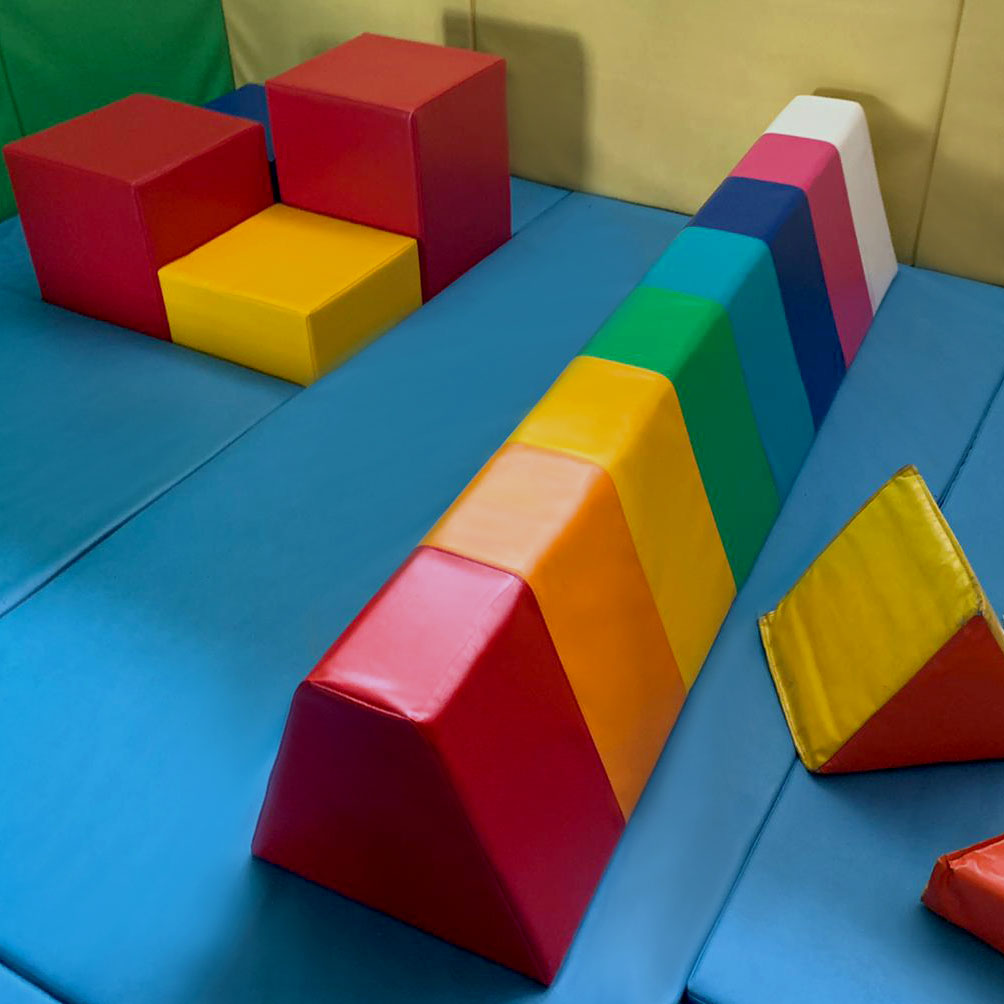
6. Balance and Movement Course
A Balance and Movement Course using soft-padded equipment such as a mangle, balance beam and roller tube is a fantastic way to get children moving and thinking. As they manoeuvre through the obstacles, pupils can practice planning their approach, adjusting their movements and improving coordination and balance. This type of activity also supports spatial awareness, body control and confidence, whilst giving children a fun, hands-on way to challenge themselves in a safe setting.
Calming Activities
The goal is to complete the circuit with calming activities that help the children feel centered and ready to focus, including heavy muscle work and/or deep pressure to the body.
7. Interactive Ball Pit
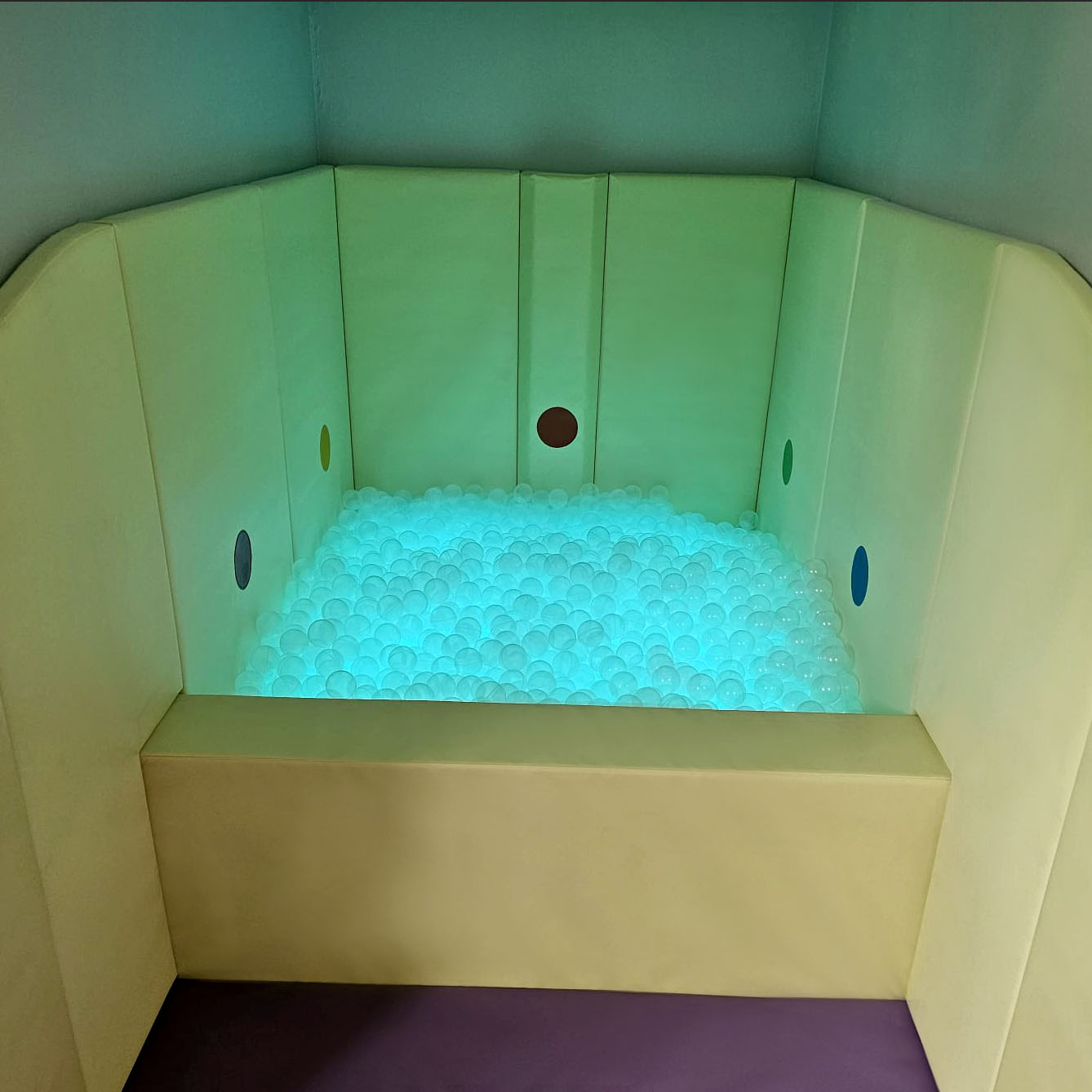
An Interactive Ball Pit is a perfect calming activity for the final stage of a sensory circuit. Children can immerse themselves in the soft balls, enjoying the gentle pressure, which provides valuable proprioceptive input and helps them feel grounded and relaxed. For the interactive features of the ball pit, mood lighting and soothing sounds can be incorporated to creating a multi-sensory experience that encourages calm, focus, and emotional regulation.
8. Sensory Rocking Chairs
Half Rockers and Rocking Seats are excellent calming activities for the end of a sensory circuit. The gentle back-and-forth (linear) rocking motions help soothe and relax children, providing a comforting rhythmic input. For an added calming effect, weighted blankets can be used while children are on the rockers, giving extra deep pressure proprioceptive input.
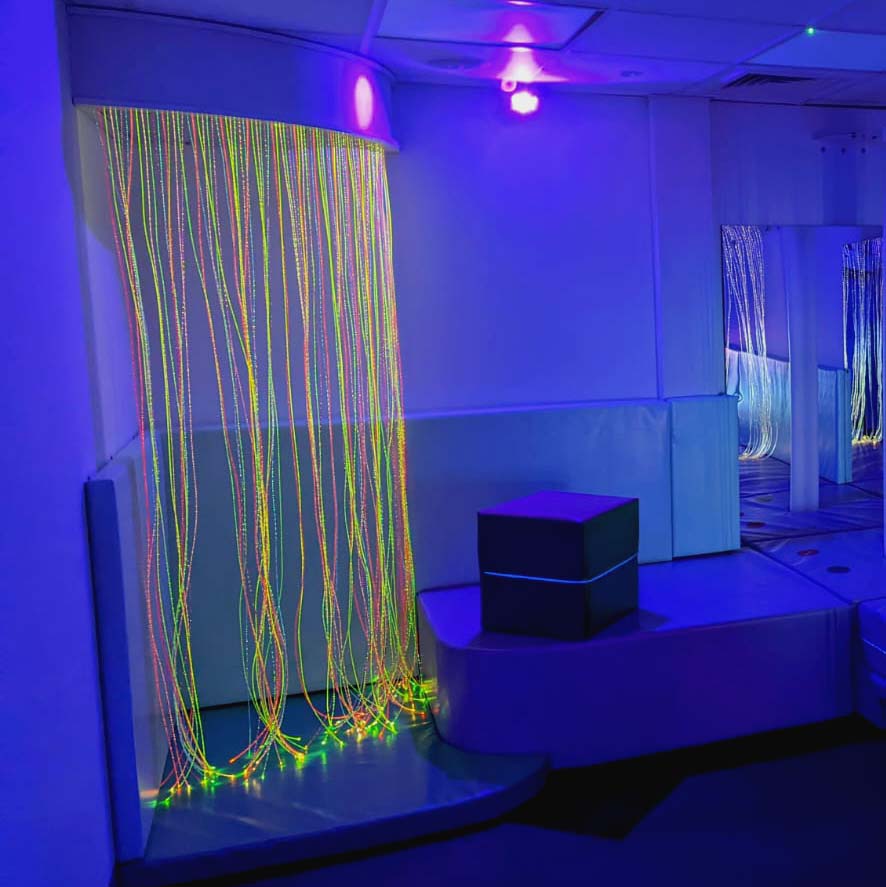
9. Fibre Optic Curtains & Fibre Optic Harness
Fibre Optic features are a wonderful calming element to incorporate into the sensory circuit’s final stage. Fibre Optic Curtains are made from safe-to-touch, light-up strands that hang over the children, the gentle pressure and soft tactile sensation can help trigger feelings of calm and relaxation. Fibre Optic Harnesses are floor-based and can also be draped over the children to initiate the same feelings. The changing colours and lights add a visual sensory element, making the experience even more soothing while engaging their attention in a gentle, multi-sensory way.
Incorporating a Sensory Circuit in Schools
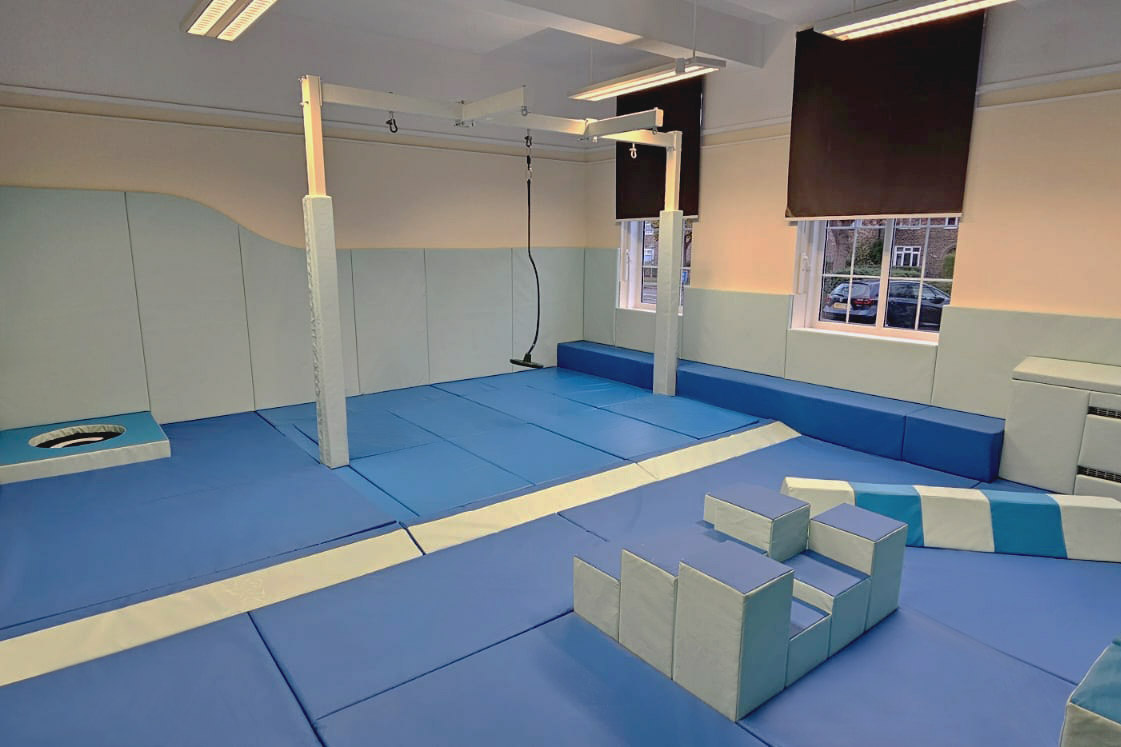
Sensory Circuits can vary in shape or size, depending on the space you have available. With a bespoke sensory circuit design, the equipment included can be tailored to suit each individual setting as well as the users that are accessing the circuit.
Suitable spaces:
- School hall
- Classroom
- Corridor
- Outdoor playground (outdoor sensory equipment can be incorporated)
Best times to run a sensory circuit:
- At the start of the school day
- After lunch or break time
- Before focused learning tasks
- During transitions
Unsure on how to create a Sensory Circuit for your School?
If you’re looking to create a School Sensory Circuit but aren’t sure where to start, we’re here to help!
Contact us today and our expert Sales & Design team can provide advice, guidance and a free bespoke sensory circuit design.