
A New Chapter for SEND Support in UK schools
The Government’s latest announcement about specialist SEND support in every school and community is big news for schools across England. With increased SEND funding and a stronger push for inclusive education, the direction of travel is clear: children and young people with Special Educational Needs and Disabilities should get the right help earlier and closer to home.
The Department for Education has talked about “generational reforms” and a £4 billion package aimed at making schools more inclusive for pupils with SEND. The focus is on shifting support earlier into mainstream settings, improving access to specialist expertise locally, strengthening staff training, and reducing the sense that families have to “fight” for support.
For school leaders, SENDCOs and support staff, this signals a real shift in what mainstream SEND provision is expected to look like day to day.

What the New SEND Vision Means for Schools
At it’s heart, the plan is about being proactive rather than reactive. That means schools will be expected to:
- Spot needs earlier, so support starts before challenges escalate.
- Offer tiered, tailored support, rather than waiting for crisis points.
- Strengthen inclusive mainstream education, so more pupils can thrive in their local school.
- Bring specialist expertise into everyday school life, not just at breaking point
It’s a big ambition, but delivery doesn’t happen on paper. It happens in classrooms, corridors and shared spaces, every single day. And that’s where the environment matters.
Because the right spaces can make SEND support feel real, consistent and practical – not just something written into a policy.
Why the Environment Matters for SEND Support
Sensory Regulation and Learning
When we talk about SEND, it’s easy to focus on interventions, systems and paperwork. But for many pupils (particularly those with autism, ADHD, SEMH needs or sensory processing difficulties) the everyday school environment can be a lot.
Bright lights. Constant noise. Busy corridors. Crowded classrooms. Unpredictable transitions. All of this can trigger sensory overload.
And in school, sensory overwhelm can show up as:
- anxiety.
- withdrawal or shutdown.
- distressed or dysregulated behaviour.
- reduced focus and engagement.
- difficulty moving between activities.
Without the right support, these moments can escalate quickly, leading to missed learning, internal exclusions or repeated time out of class. That’s exactly the reactive cycle the Government is aiming to reduce through earlier intervention.
Helping Pupils Reset and Helping Staff Spot Patterns
A well-designed sensory space, whether that’s a multisensory room, calming room, immersive room, soft play area or sensory garden, gives pupils something hugely important: a chance to regulate early. Used well, these spaces can provide a safe, structured emotional reset, balanced sensory input, opportunities for self-regulation, space for targeted check-ins or short interventions and a smoother pathway back into learning.
This isn’t about “removing” pupils from lessons. It’s about short, planned, supportive breaks that help them stay included, stay settled, and stay learning. That links directly to the proposed wider SEND vision:
Earlier support = recognising overwhelm before it becomes crisis.
Mainstream inclusion = helping pupils remain in lessons, not repeatedly exit them.
Tiered provision = offering flexible options for different levels of need.
When it comes to early intervention, this doesn’t only happen through assessments and paperwork, it also comes from what staff notice day to day. A structured sensory space creates a consistent, safe place to observe what helps a pupil regulate. For example:
Do they settle quickly with low lighting and reduced noise?
Do they seek movement, pressure or tactile input?
Are certain transitions or times of day consistently overwhelming?
Those patterns can then shape:
simple classroom adjustments.
individual support plans.
more confident conversations with families.
clearer decisions about when specialist input is needed.
Often, early access to regulation strategies can prevent repeated incidents and reduce distress and this is because you’re responding sooner, with the right support in place.
Real-World Example: Sensory Spaces Using Local Authority Funding
So what does this actually look like in practice when schools use local authority funding?
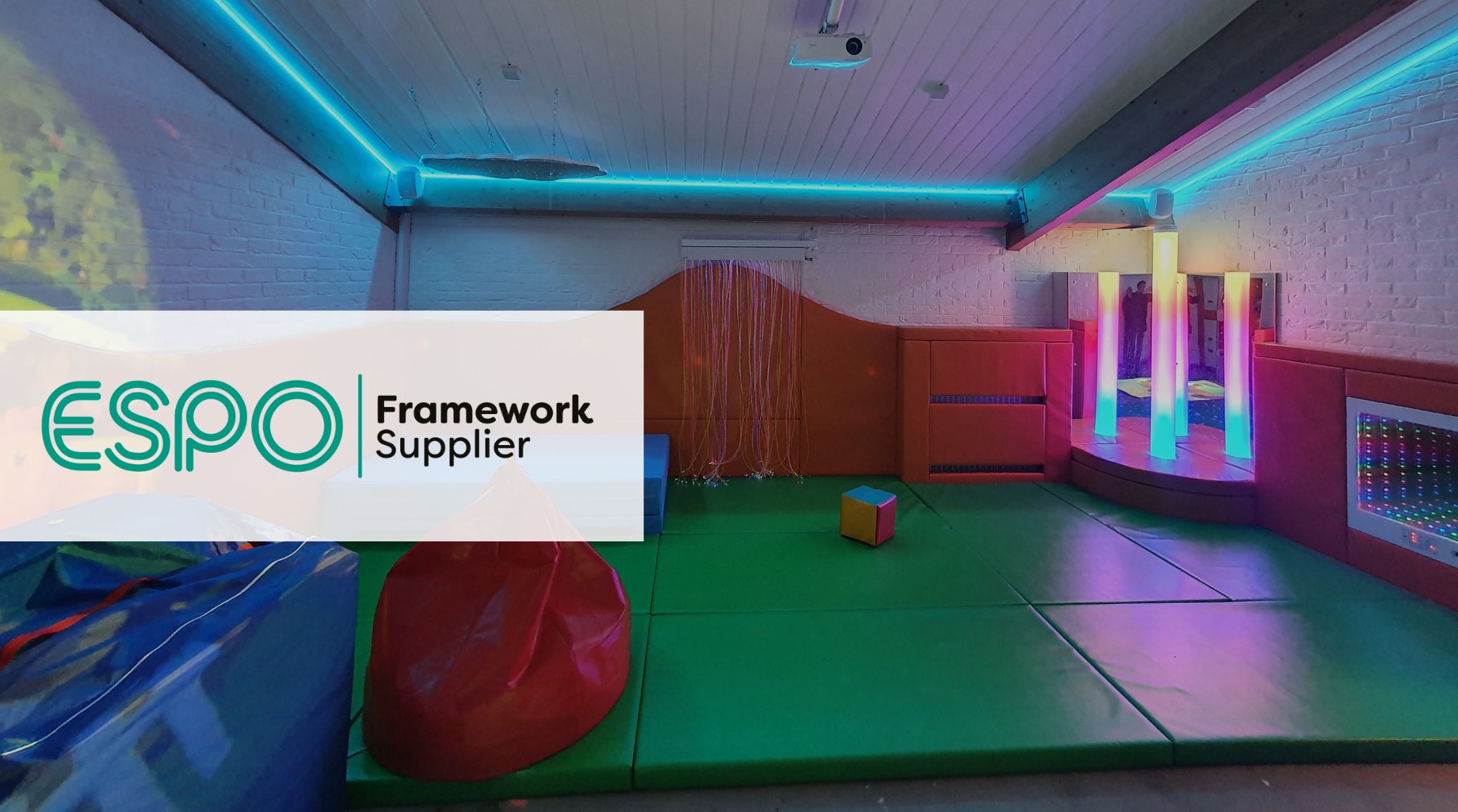
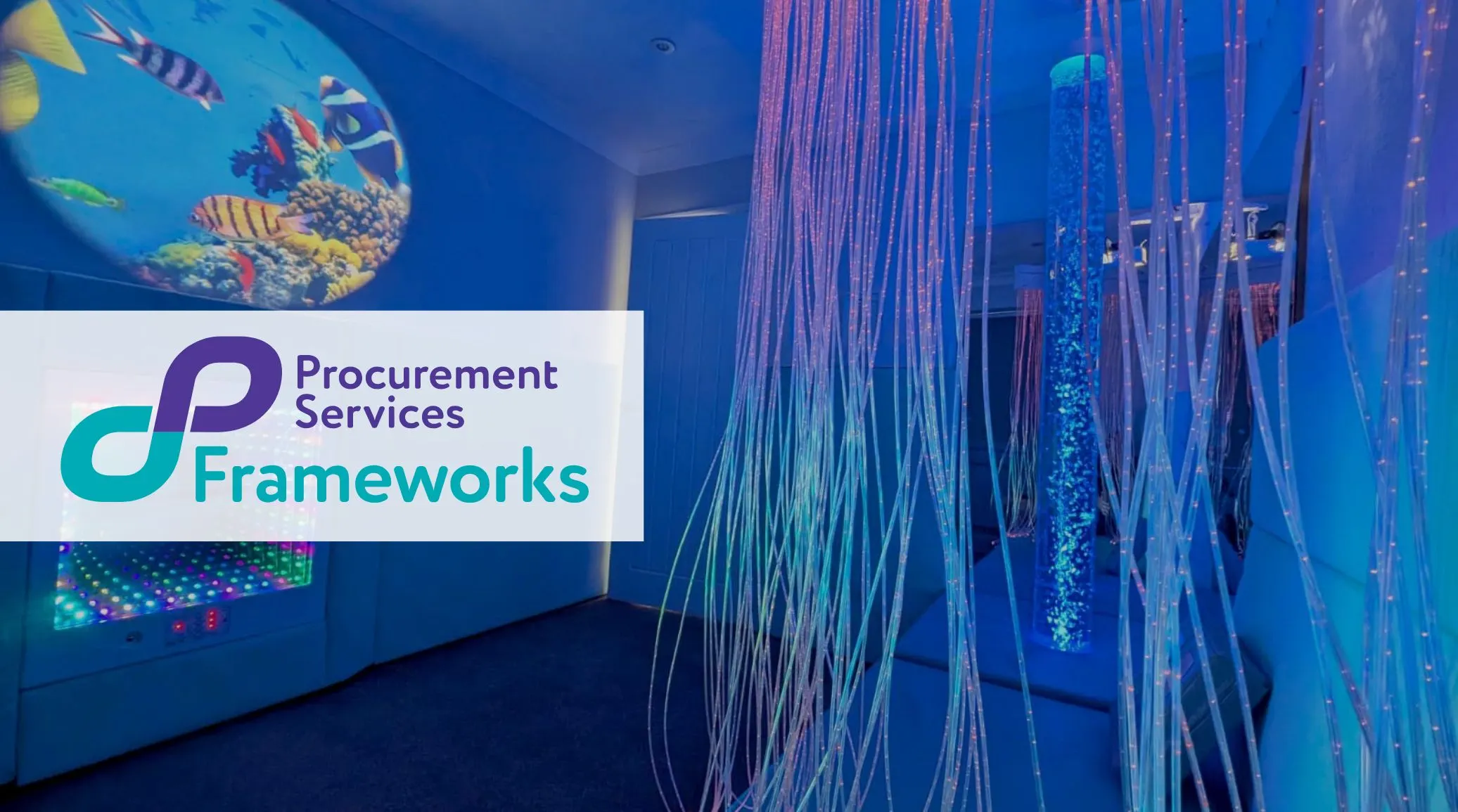
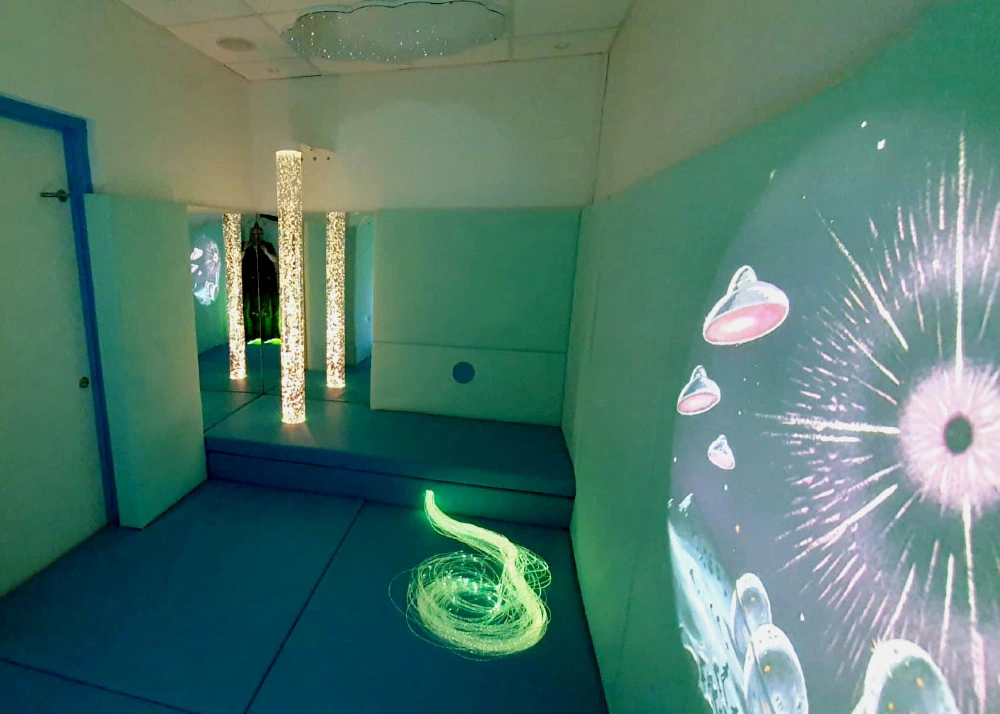
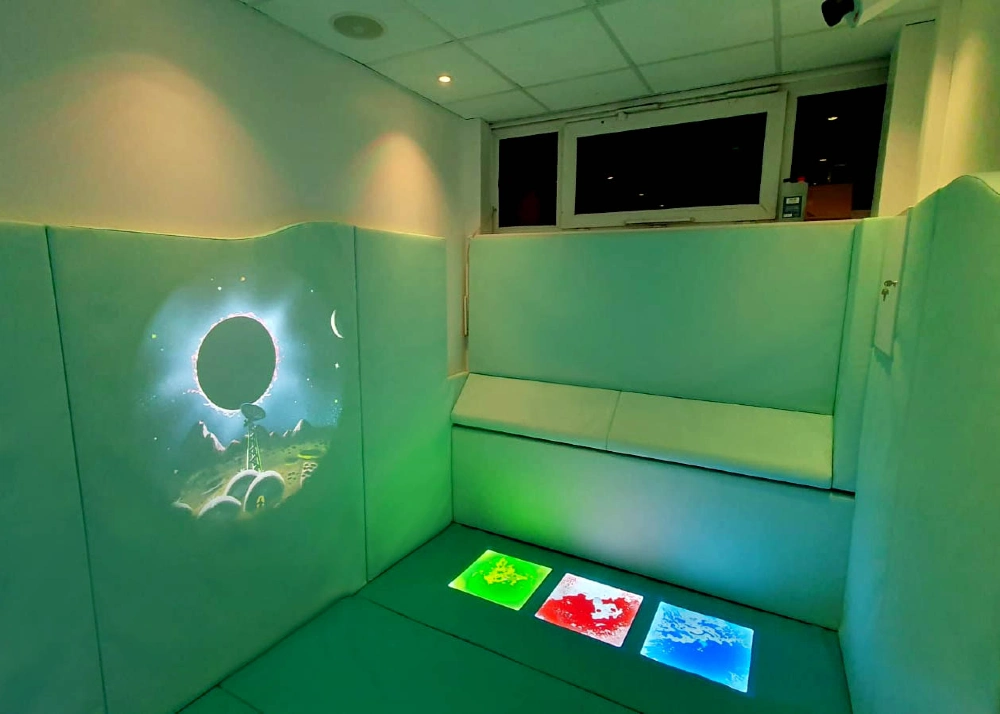
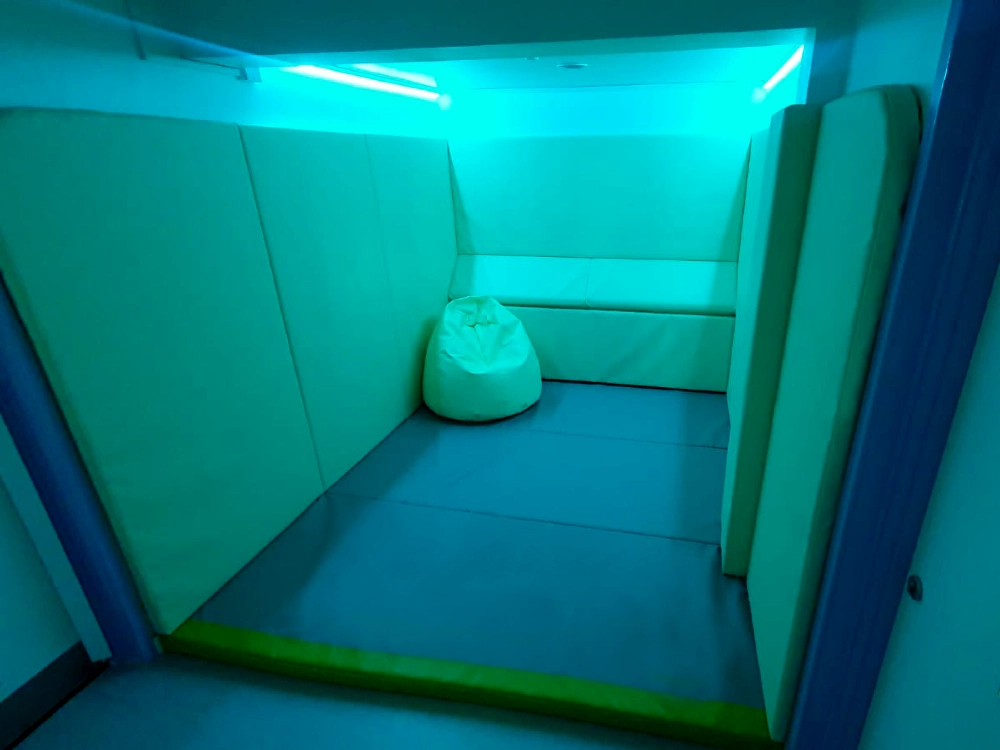
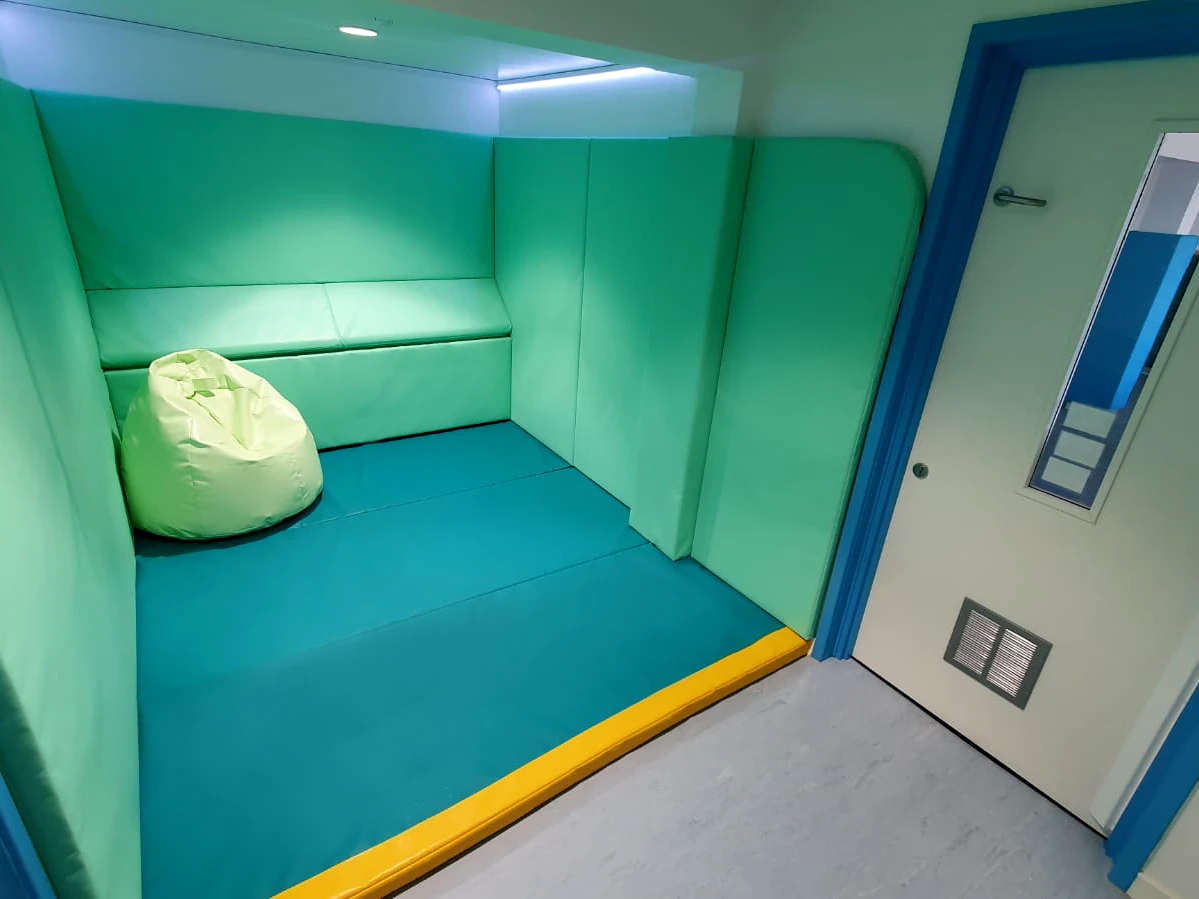
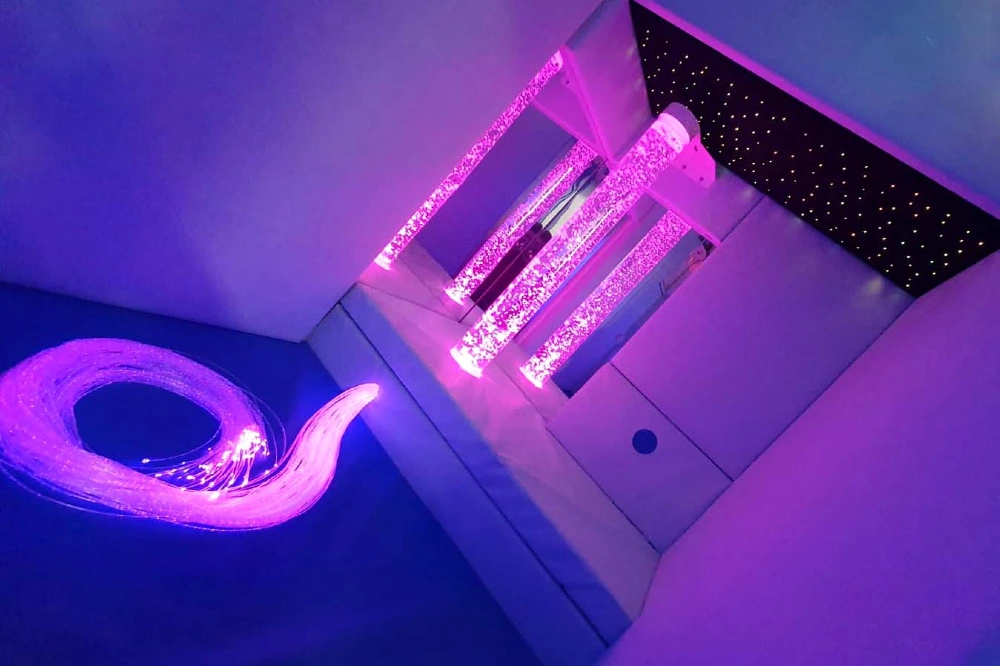
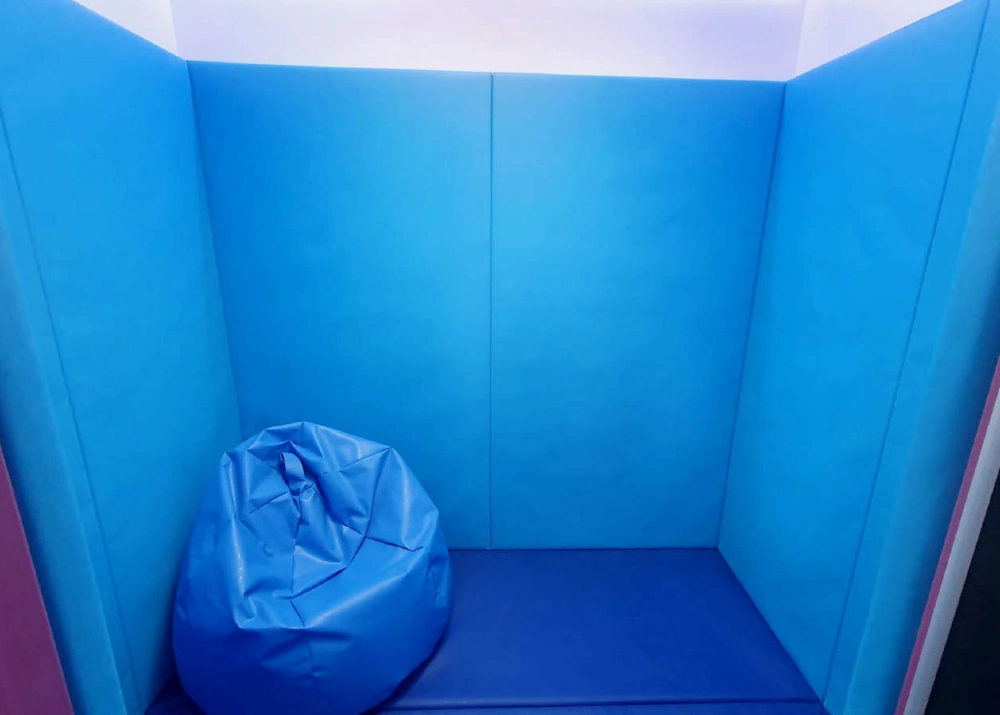
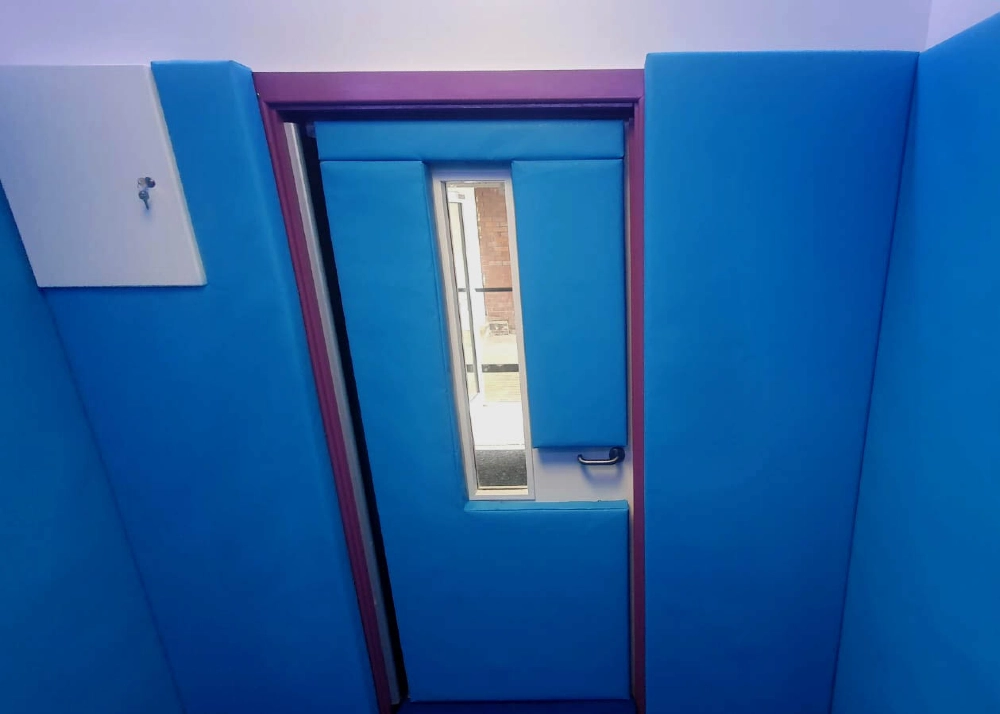
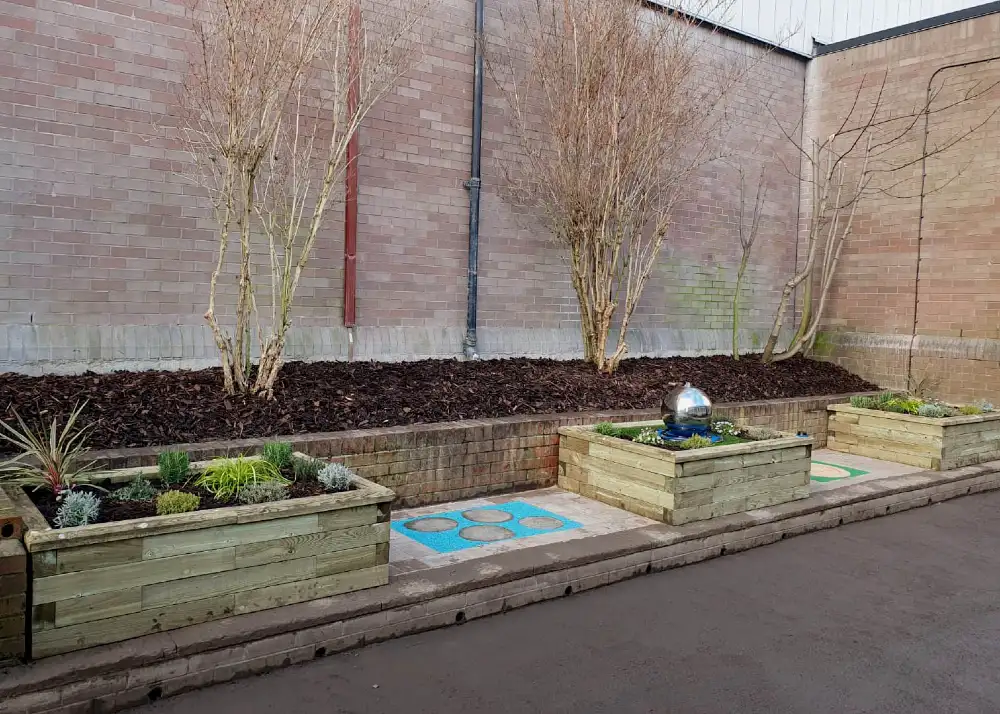
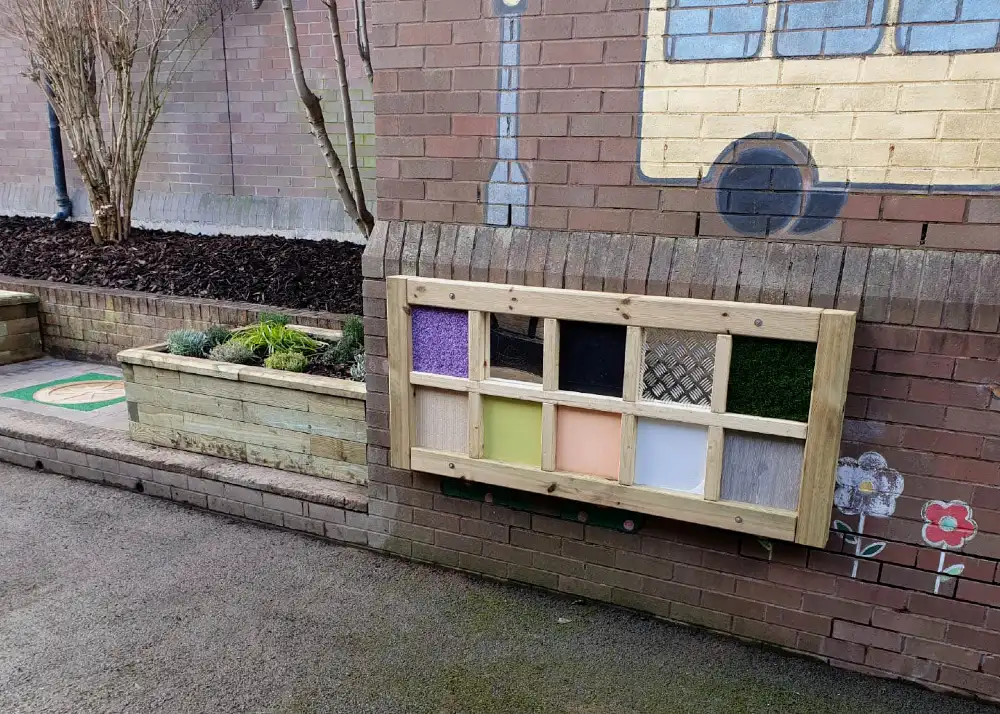
In 2024 and 2025, we worked with a Learning Campus in Huddersfield to create a range of sensory rooms, calming rooms and an outdoor sensory space across their Infant & Nursery School, Junior School and High School.
The aim was simple: give pupils supportive places to regulate, reset and rejoin learning with confidence — while also giving staff practical, consistent spaces they could use as part of everyday SEND support.
Infant & Nursery School - Sensory Room and Calming Room
Junior School - Sensory Room
High School - Calming Room and Sensory Garden
Looking At The Big Picture...
There’s a lot to feel postive about the direction this proposed SEND reform is heading in – especially the focus on getting support in early, keeping more pupils included in mainstream settings and making specialist help easier to reach for schools and families.
On paper, it’s what parents and educators have been calling for for a long time: less waiting, less fighting and more hands-on help where children actually are.
But it’s also fair to say schools will have some big “okay, but how?” questions:
Delivery will matter as much as the vision. Funding, timescales and clear guidance will make or break this, otherwise it could just add more pressure to staff who are already stretched.
Keeping things consistent across the country is a real concern. Specialist services and community support vary a lot from area to area, so a fair rollout really matters.
Training and capacity can’t be an afterthought. Inclusion works best when staff feel confident and properly backed up, not when expectations rise without the time, tools or specialist input to match.
Inclusion still has to be individual. Supporting more pupils in mainstream is a good aim, but it only works when the support is genuinely tailored and the right provision is in place.
Overall, it feels like a positive step. However, turning good intentions into real change will depend on practical, day-to-day support for schools. And one of the quickest, most concrete things schools can do right now is focus on something they can control: the learning environment.
Ready to take the next step?
If you’re reviewing SEND provision or deciding how best to allocate SEND funding, we can help you make confident, evidence-led decisions that best support your school and learners.
Let’s turn policy into practice and make inclusion something pupils feel every day.