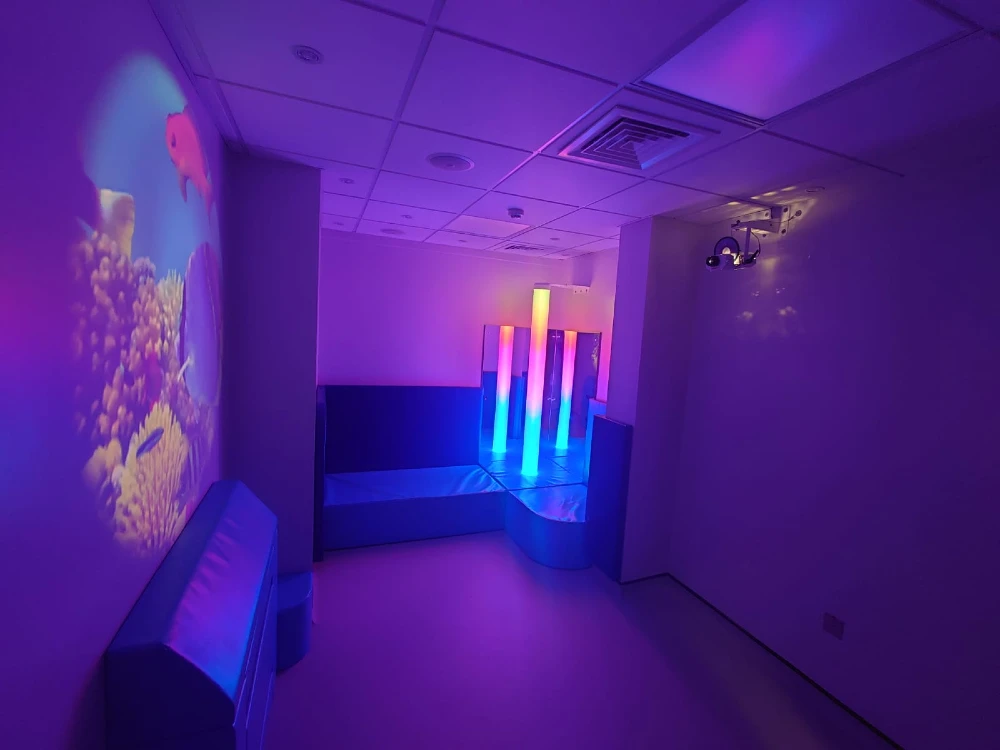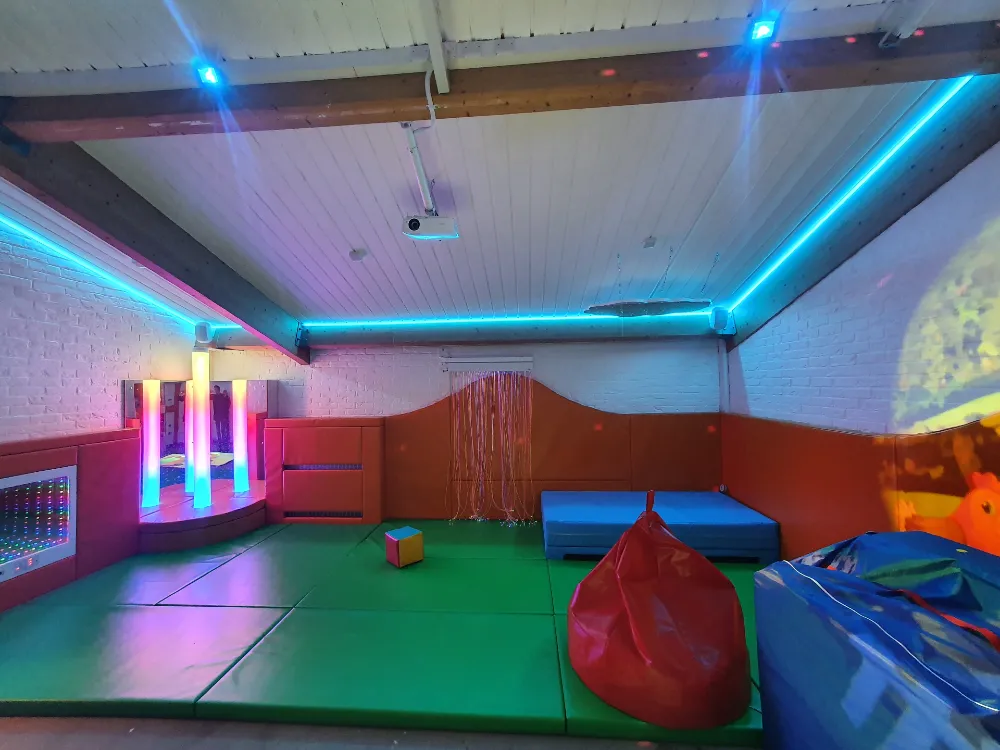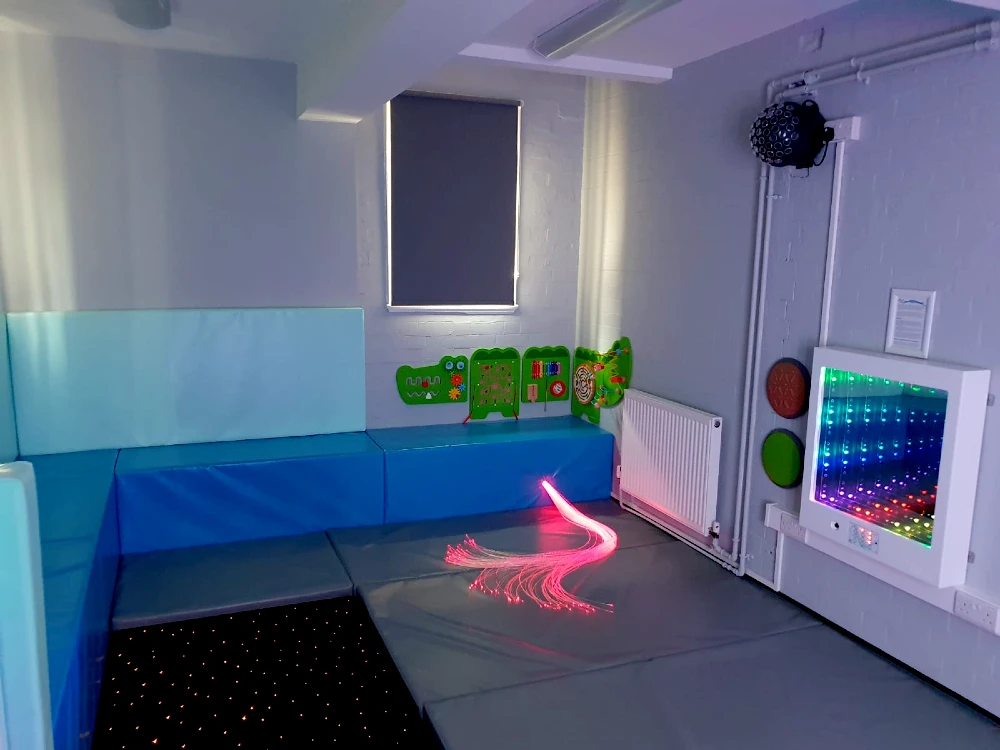

Sensory Overload is common amongst children and adults with various conditions and additional needs, from Autism and ADHD to Anxiety and PTSD. In Public Leisure settings where people go to relax, socialise, learn and have fun, sensory input can quickly become overwhelming. Bright lighting, sudden noise, unpredictable crowds and busy layouts can turn an enjoyable outing into a stressful experience.
By incorporating accessible sensory environments into Public Leisure, venues can become more welcoming, inclusive and comfortable for everyone. In this weeks blog we’ll explore the common sensory challenges in public settings, practical examples of sensory-friendly spaces and the benefits of making sensory inclusion part of everyday leisure experiences.
Why Sensory Design Matters in Public Leisure
In our own homes, we usually have control over noise levels, lighting, movement, and personal space. That control can make home feel safe and manageable, especially for people who are prone to sensory overload.
In Public Leisure, that control often disappears. Environments are shared, unpredictable and change constantly. For some visitors, the result can be overstimulation, distress, shutdowns or the need to leave early. A sensory environment doesn’t remove the fun from leisure spaces – it helps more people access it.
Common Sensory Challenges in Public Leisure Settings
Sensory needs vary from person to person, but many challenges fall into three key areas: sight, touch, and sound.
Sight / Visual
Lighting: bright, fluorescent, flickering or flashing lights.
Movement: busy crowds, fast-paced activity, constant motion.
Layout: cluttered areas, narrow walkways, open-plan spaces with no “quiet corners”.
Colour intensity: certain colours can feel overstimulating or heighten anxiety for some people (high-contrast, harsh tones, and visually “busy” palettes can be especially difficult).
Touch / Tactile
Unexpected contact: brushing past people in queues, crowded seating, busy entrances.
Environmental textures: uncomfortable fabrics, seating materials, equipment surfaces, temperature changes or damp/rough outdoor elements.
Sound / Auditory
High-volume noise: cheering, announcements, music, alarms, traffic.
Layered sound: multiple conversations plus music plus machines – common in leisure centres, stadiums and public venues.
Sudden sounds: hand dryers, tannoy systems, clattering equipment or construction nearby.
What Sensory Environments Can Look Like in Public Leisure
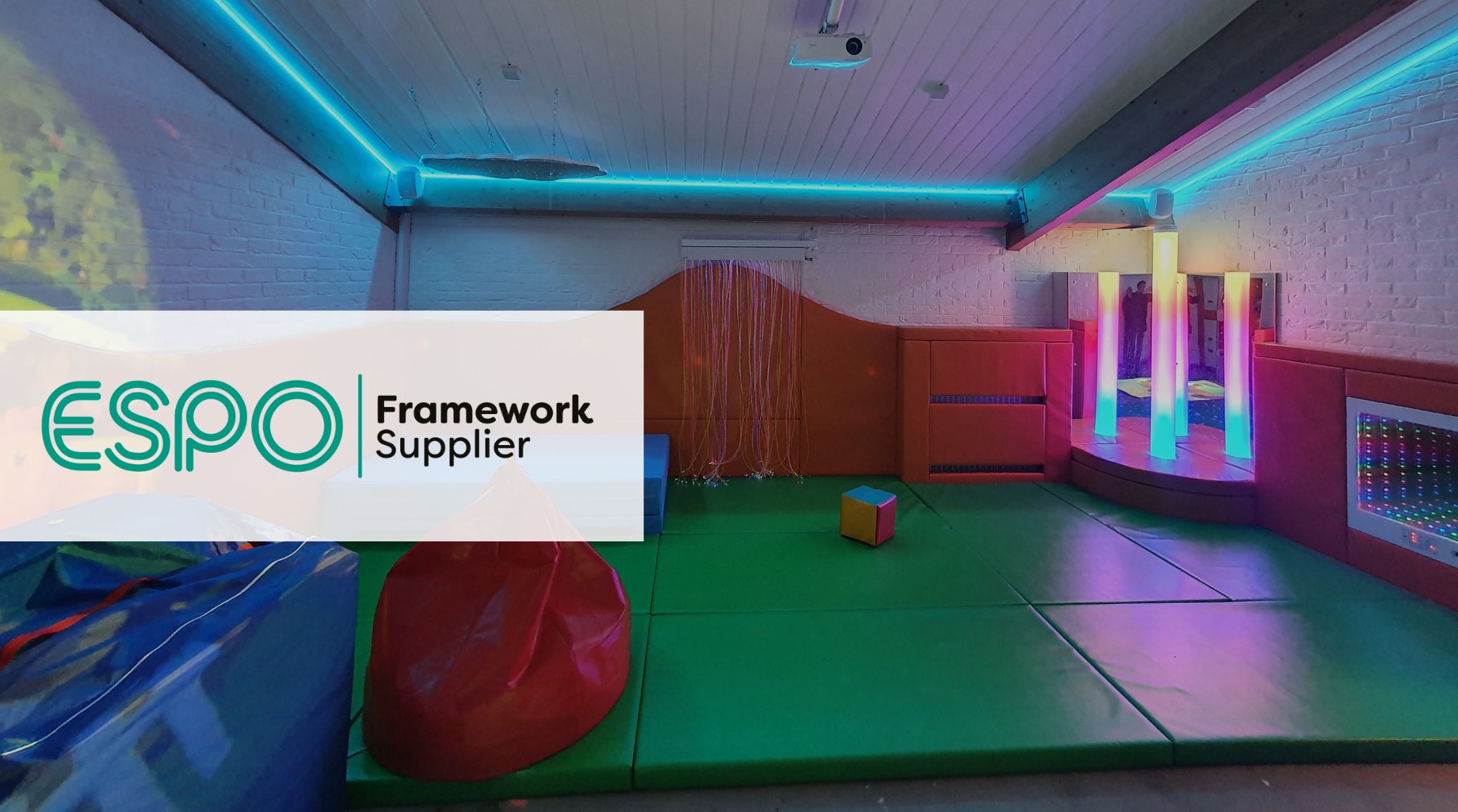
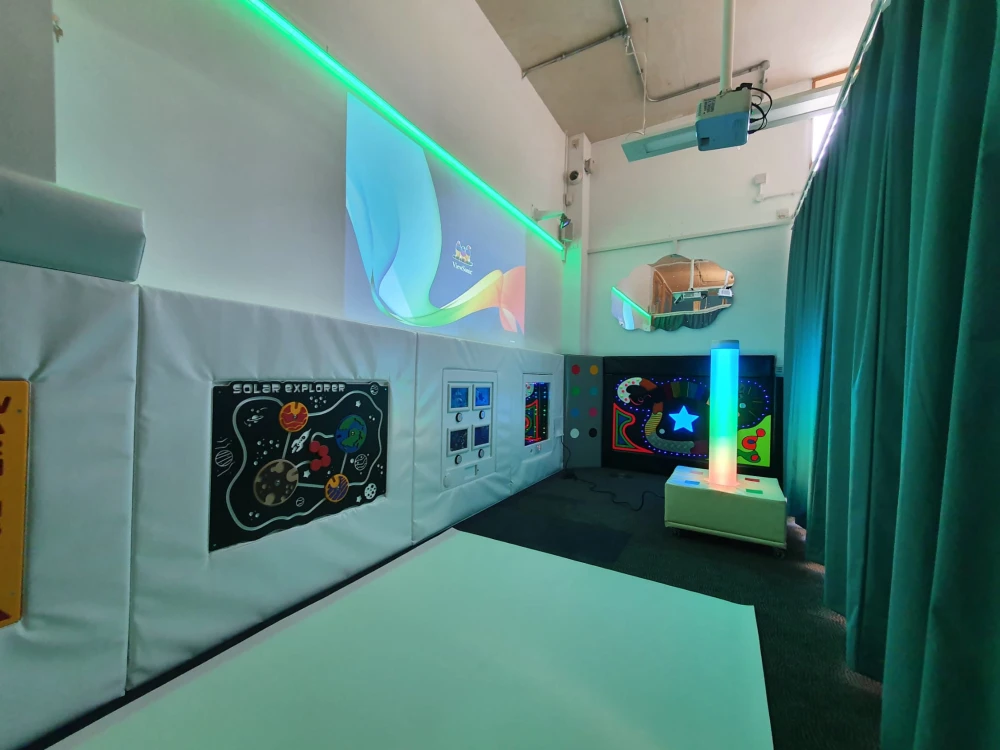
As sensory challenges can vary depending on each individual’s sensory needs, it is important to create an inclusive environment that can cater to individuals with all types of needs. Here are some examples of different public sensory spaces and how they are of benefit.
Sensory-Friendly Design in Libraries
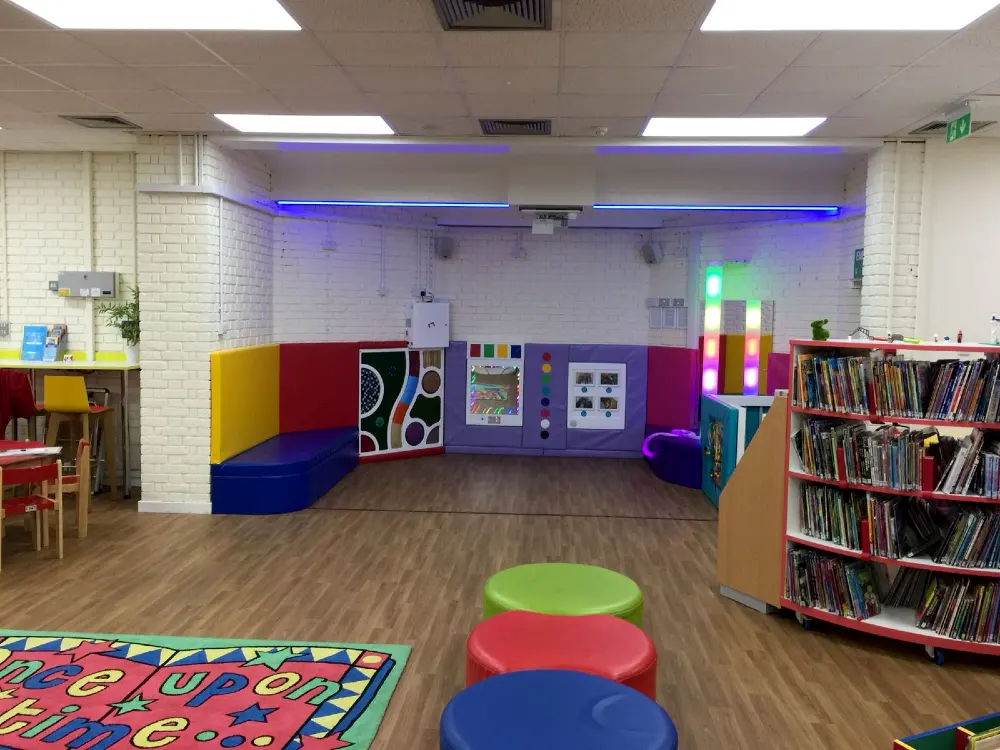
Libraries are often calmer than other public venues, but they can still be challenging especially during busy hours or in large open-plan layouts with bright lighting.
Adding a sensory environment within a library can give visitors a place to reset while still enjoying reading, learning, and community activities. This can be especially valuable for families, young people, and anyone who benefits from quieter, lower-stimulation options.
Sensory Spaces in Sports and Stadium Venues
Football Stadiums are notorious for the loud noises of hundreds of fans cheering (or booing) within the large arena space. For football fans with sensory processing difficulties or other additional needs, a dedicated sensory environment allows visitors to:
take breaks without leaving the venue.
regulate in a calmer space.
still feel included in the event experience.
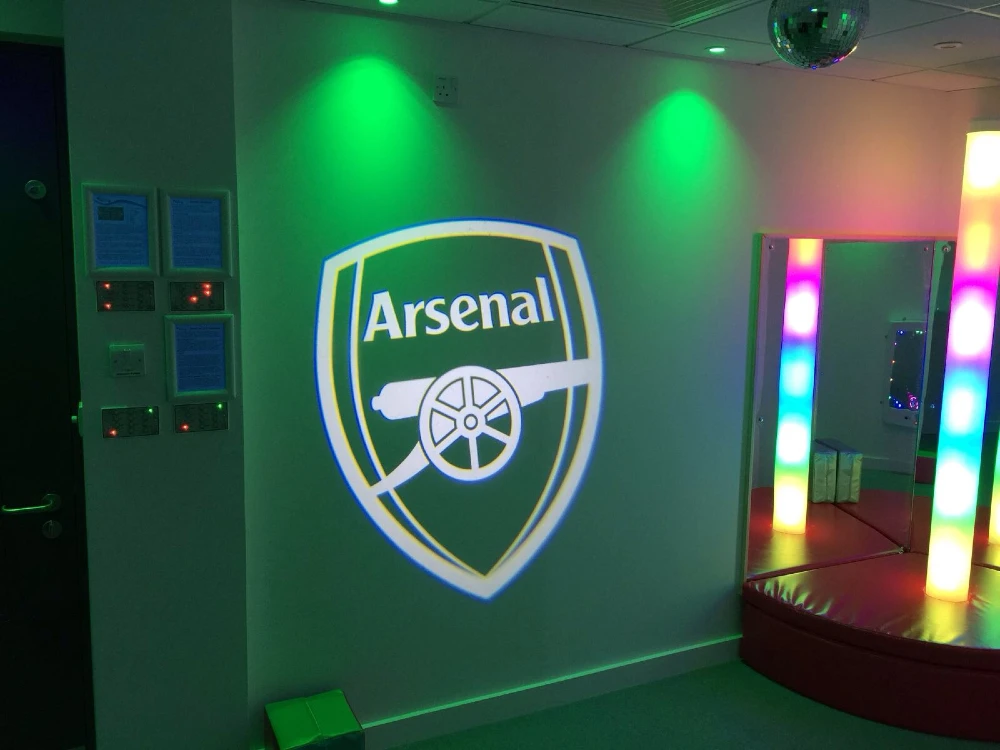
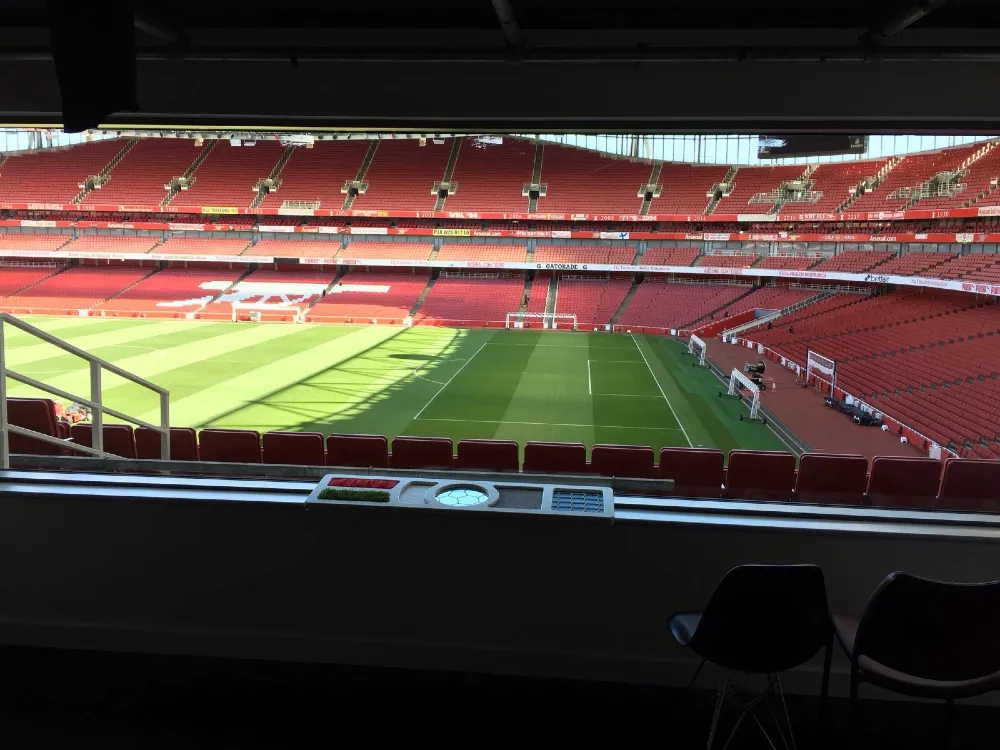
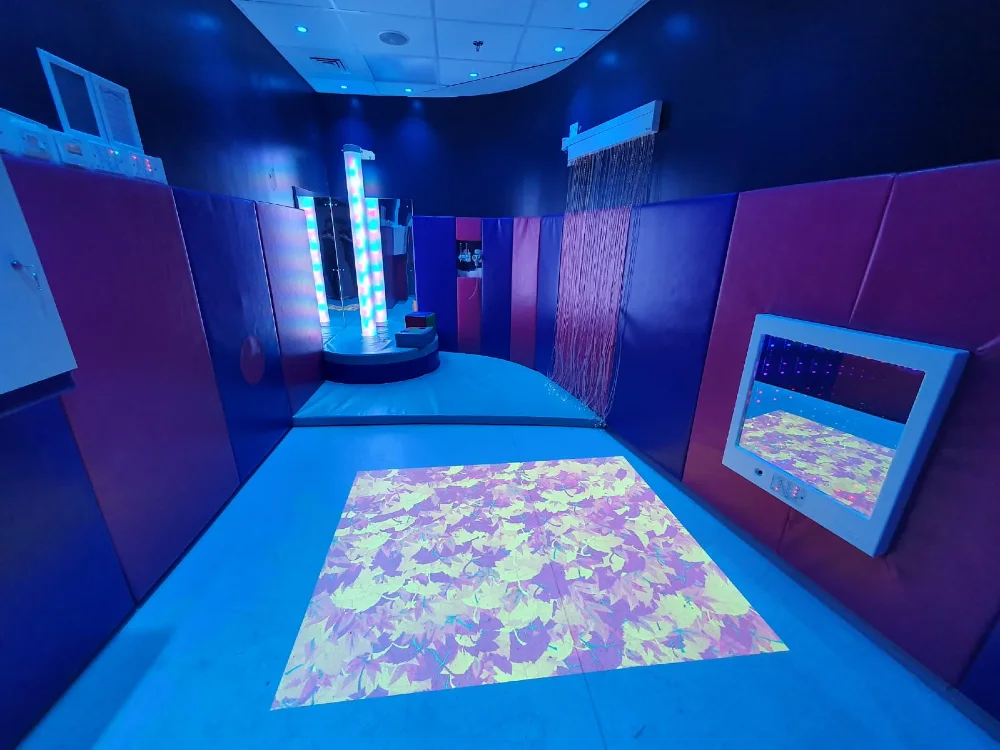
In 2017, Sensory Technology had the pleasure of designing and installing a Sensory Room at Emirates Stadium – home of Arsenal FC. Not only was the room a separate, quieter space – it also included a range of interactive sensory equipment for users to enjoy and a tactile activity panel overlooking the pitch.
Sensory Environments in Hospitals and Health Practices
While not always seen as “leisure,” these are still public spaces people need to access and they can come with a lot of stress and anxiety. For neurodiverse people and those with additional needs, that pressure can be even higher. Having a sensory room or calming space gives visitors somewhere to reset, manage emotions, feel safer, and cope better with waiting times and appointments.
This applies to public leisure as well. Offering calmer environments is a simple but powerful way to make spaces more inclusive, helping neurodiverse visitors and those with additional needs feel more confident, stay regulated and enjoy longer, happier visits.
Sensory Community and Leisure Centres
Community Spaces can vary with the types of services and activities available for people to enjoy. For individuals with sensory processing difficulties and other additional needs, these environments can pose various challenges.
As Community Spaces are open for everyone, it’s hard to determine elements such as busy times with lots of people or loud noises. A sensory environment in a leisure centre supports inclusion by giving visitors a comfortable option to step away, regulate, and return to the activities they came for whether that’s swimming, classes, youth clubs, soft play, or community events.
Key Benefits of Sensory Environments in Public Leisure
Now that we’ve explored different types of sensory challenges within public spaces and how sensory spaces can be incorporated into these environments, lets do a round-up of the top 5 benefits that are gained from sensory spaces in public places.
Improves inclusivity for people of all abilities and sensory needs.
Supports participation, helping more visitors stay longer and enjoy the venue comfortably.
Provides a calm, safe option for visitors experiencing distress or overwhelm.
Encourages confidence and independence, allowing people to explore environments at their own pace.
Expands access to learning and development beyond home and school through community-based leisure experiences.
Building Better Public Leisure Experiences for Everyone
Public leisure spaces should be joyful, accessible and welcoming. Sensory environments don’t just help people cope – they help people belong. And while many venues are making great progress, there’s still room to grow in ensuring every visitor can create positive, memorable experiences.
If you’d like to learn more about incorporating sensory environments into public leisure, the team would be happy to help.