Across the UK, SEN schools are facing increasing pressure to support children with a wider range of complex needs than ever before. From sensory processing challenges and autism to physical disabilities and behavioural regulation, schools are being asked to deliver more personalised, effective support often within limited time and resources.
At the same time, there’s a growing shift toward in-school therapy solutions. Transporting pupils to external facilities can be disruptive, time-consuming and, in some cases, distressing for the children themselves. As a result, many schools are rethinking how they can bring therapeutic support directly into their environment. This is where hydrotherapy sensory pools and aquatic therapy are making a real impact.
In our experience working with SEN schools, these pools are no longer seen as a luxury addition. They’re becoming a core part of the school’s therapeutic and educational toolkit. This controlled sensory environment provides a space where pupils can regulate, engage and develop in ways that simply aren’t possible in a traditional classroom setting.
More and more schools are recognising that a hydrotherapy sensory pool doesn’t just support therapy, it supports learning readiness, emotional wellbeing and overall student outcomes.
What Is a Hydrotherapy Sensory Pool in a School Setting?
In a school environment, a hydrotherapy sensory pool is far more than a standard swimming pool. It’s a purpose-built, multi-sensory therapeutic space designed to support a wide range of physical, cognitive, and emotional needs.
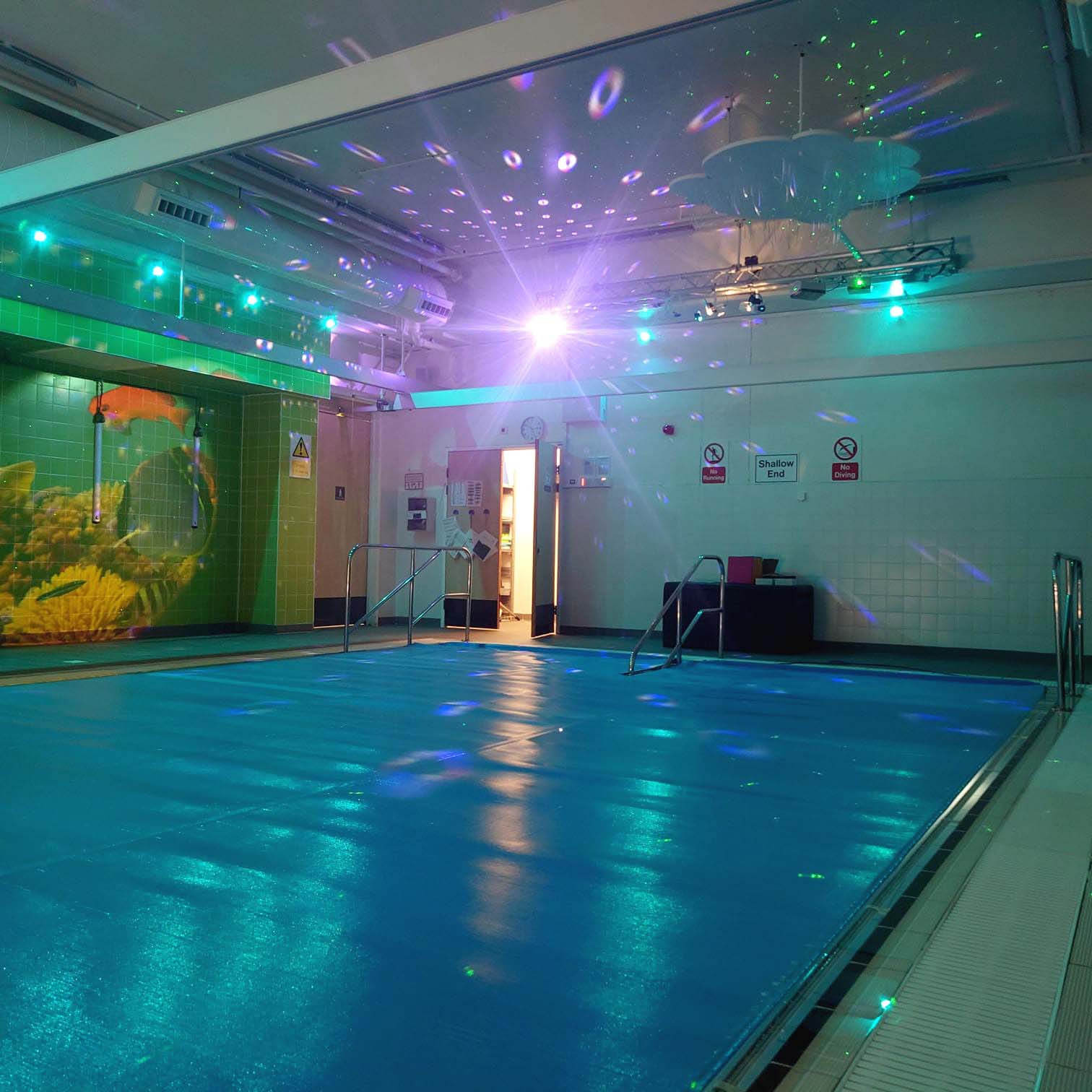
At its core, it combines the natural benefits of warm water with carefully integrated sensory features to create an environment that is calming, engaging, and highly adaptable. These pools are typically heated to therapeutic temperatures, helping to relax muscles, reduce tension, and make movement easier for students with physical disabilities. Key features often include:
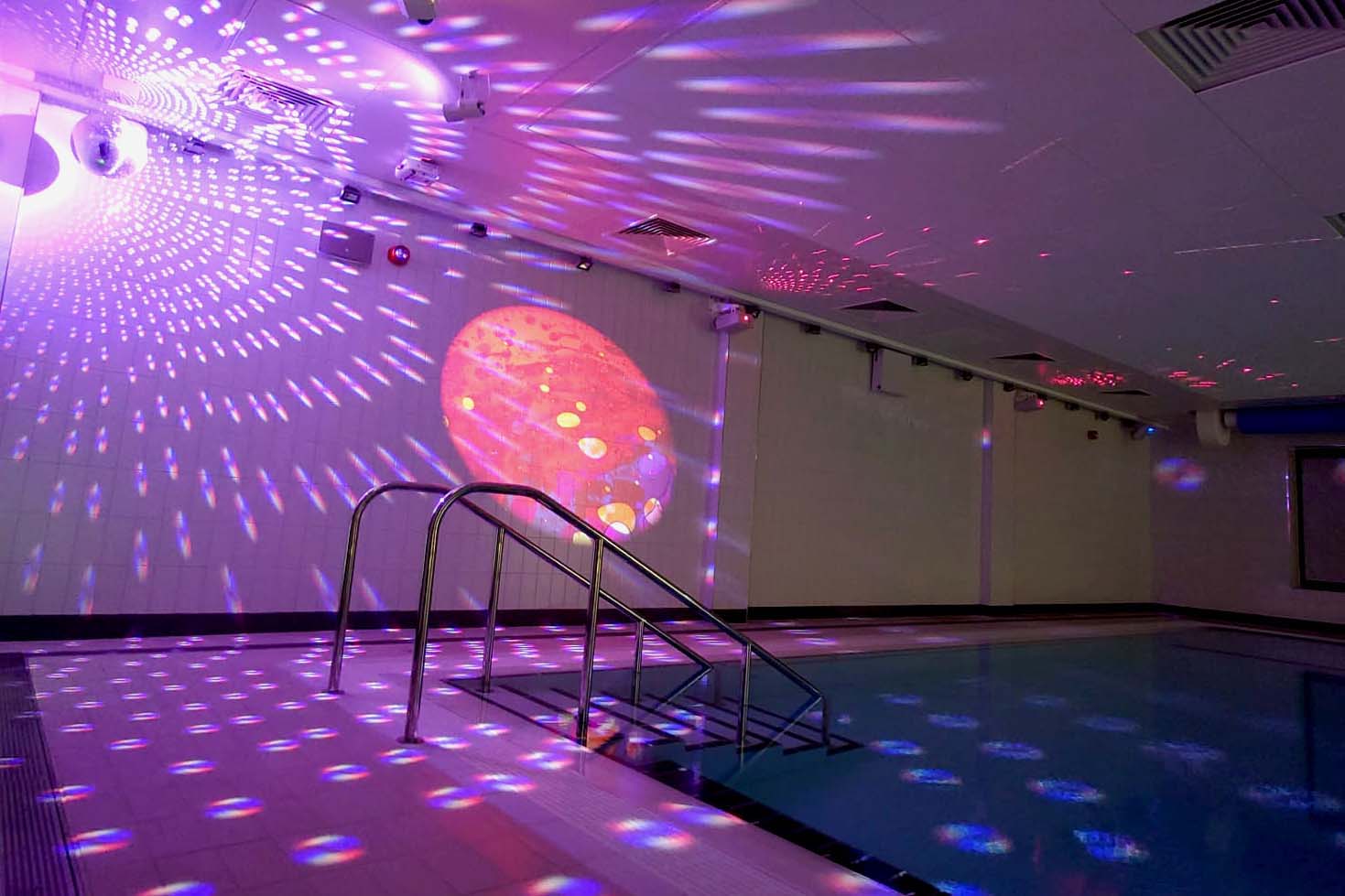
- Sensory Lighting
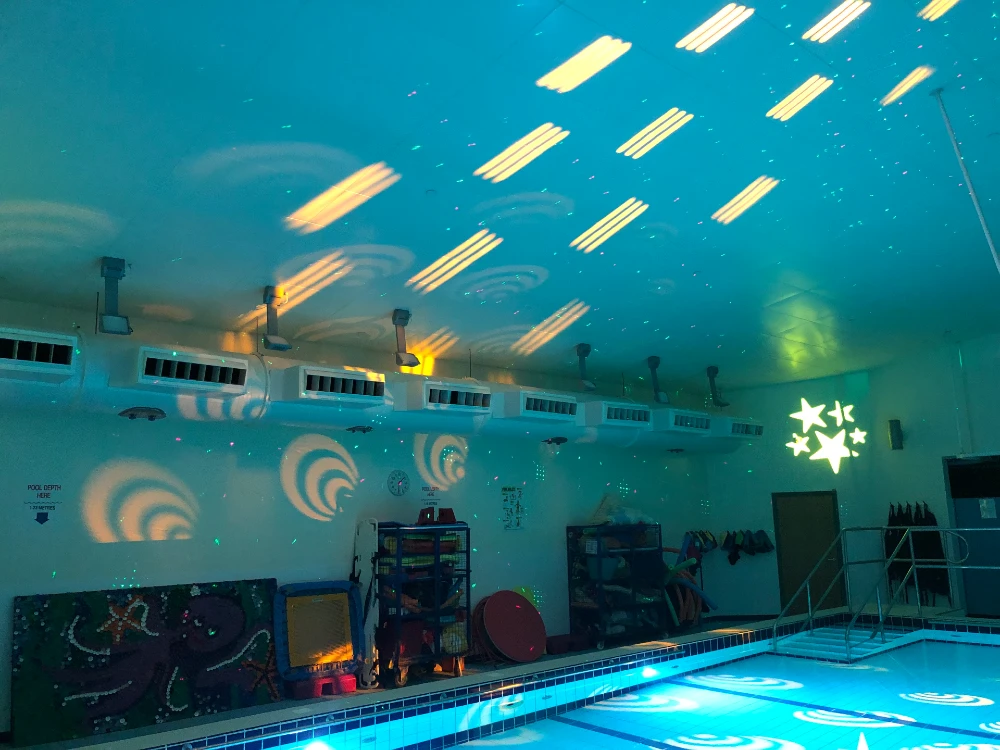
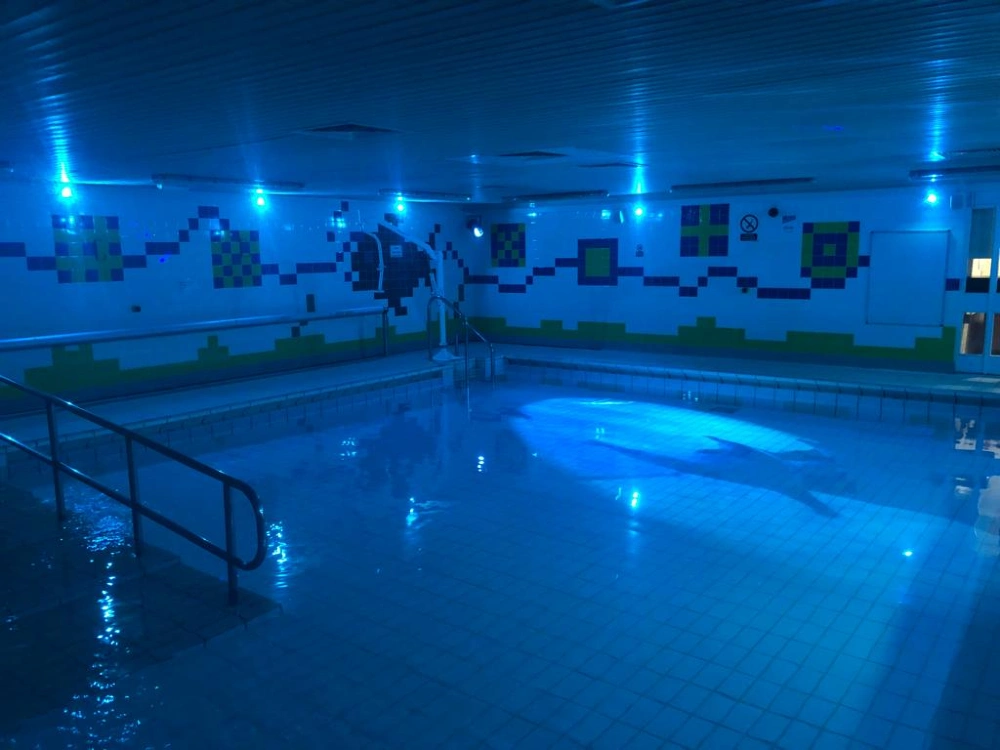
Colour-changing LED lighting, fibre optics and projections can transform the space, creating either calming or stimulating environments depending on the session.
- Sounds and Music
Integrated, water-resistant bluetooth speakers allow for soothing music, rhythmic sounds or interactive audio, helping reduce overwhelming noise and support focus. Personalised playlists can also be incorporated via bluetooth to cater to specific users accessing the sensory pool.
- Water Movement
Water Jets, Bubble Blowers and Fibre Optic Bores can provide gentle tactile input, encouraging relaxation, exploration and movement.
- Visual Effects
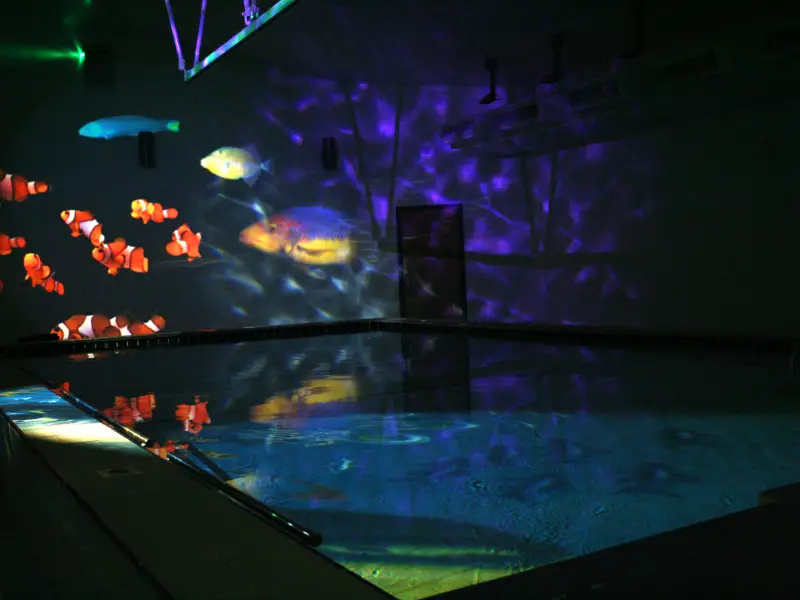
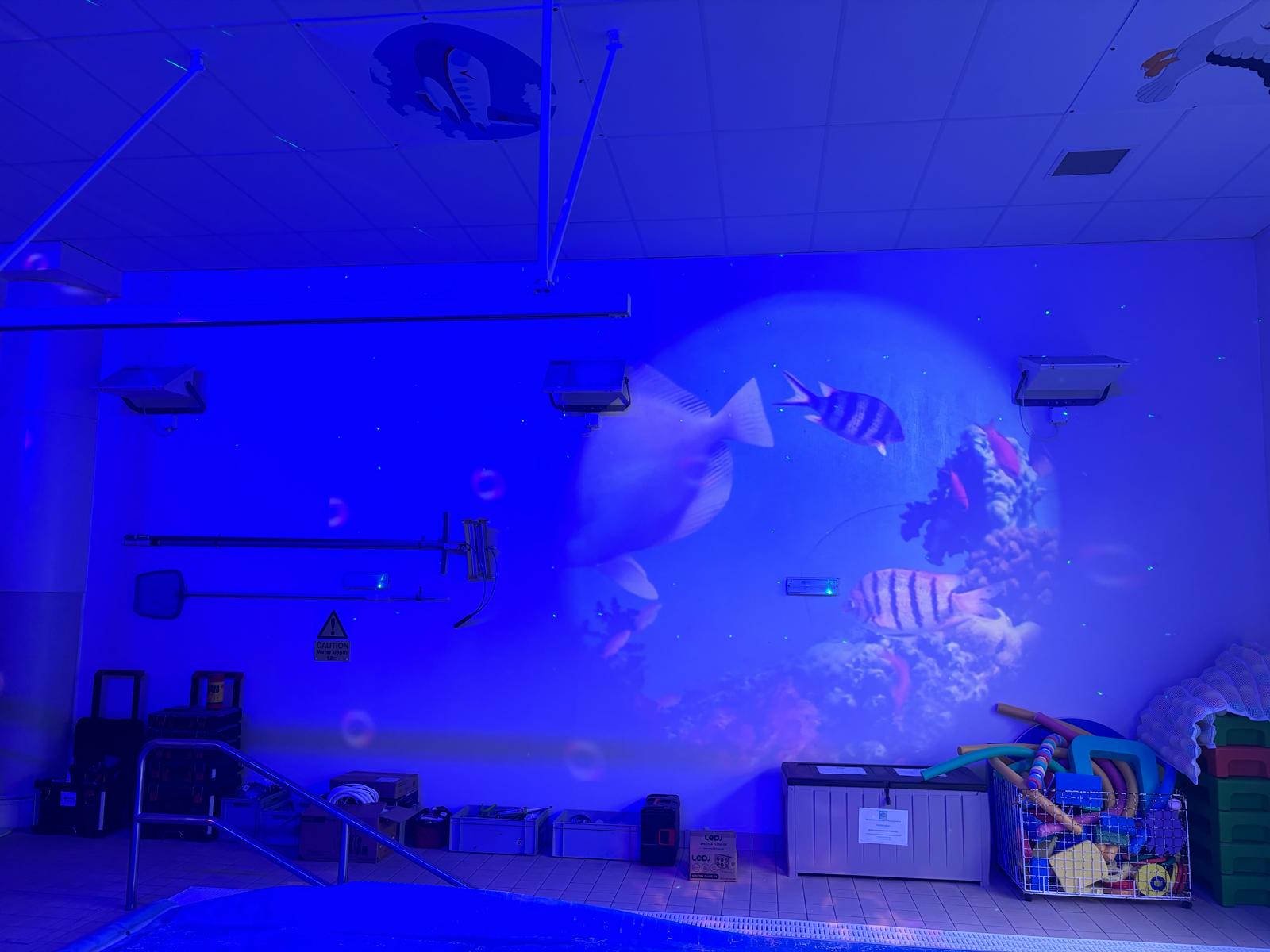
Projected images and moving patterns can be displayed on walls, ceiling and even the water’s surface, creating immersive and engaging therapy sessions.
Supporting Sensory Regulation & Behaviour
For many pupils in SEN settings, difficulties with sensory processing and emotional regulation can make the school day overwhelming. What makes hydrotherapy sensory pools so effective is not just the environment around them, but the unique sensory qualities of water itself.
Warm water delivers consistent, full-body sensory input in a way that feels safe, predictable, and deeply calming.
How Does Water Support Sensory Processing?
Hydrotherapy sensory pools naturally engage multiple sensory systems at once:
Proprioceptive Input (Body Awareness)
The gentle pressure of water surrounding the body provides deep proprioceptive feedback, helping pupils develop a clearer sense of where their body is in space. This is particularly beneficial for those who seek pressure or tight spaces, as well as for individuals who experience difficulties with coordination or body awareness.
Vestibular Input (Balance & Movement)
Floating, swaying, and gentle movement in water stimulate the vestibular system, which is responsible for balance and spatial orientation. Slow, controlled movement can help reduce sensory overload, while rocking or floating creates a soothing, rhythmic effect that promotes a sense of calm.
Tactile Input (Touch & Texture)
Water provides continuous tactile feedback across the entire body, creating a consistent and immersive sensory experience. Features such as bubbles and jets offer gentle, adjustable stimulation, while movement through the water delivers steady sensory input that can support regulation and awareness.
Thermal Input (Temperature Regulation)
Warm water plays a key role in calming the nervous system, helping to reduce muscle tension and physical stress while creating a sense of comfort and safety.
Why Does This Matter for SEN Behavioural Needs?
When these sensory systems are supported together, pupils are more likely to feel:
- Grounded and secure.
- Less overwhelmed by their environment.
- More in control of their bodies and emotions.
This often leads to fewer behavioural escalations, improved focus and engagement and better transitions between activities.
Enhancing Sensory Benefits with Specialist Equipment
While the water itself provides powerful sensory input, the impact of a hydrotherapy sensory pool can be significantly enhanced with specialist sensory equipment. When used alongside the natural benefits of water, these features help create a more engaging, interactive and personalised experience for each pupil.
Encouraging Interaction & Engagement
Interactive features like lights, bubbles and sounds allow pupils to control their environment, supporting cause-and-effect learning, confidence, and active participation.
Reinforcing Sensory Input
Fibre optics, jets, and sound provide adjustable visual, tactile and auditory input, supporting both stimulation and calming as needed.
Supporting Structured Therapy Goals
Sensory equipment enables targeted activities, supports communication and helps build tolerance to sensory input, making sessions more purposeful.
Personalised for Every Pupil
Sessions can be tailored and adjusted in real time to suit individual sensory needs, offering both calming and engaging experiences.
Supporting Staff & Therapy Teams
An on-site pool enables consistent, high-quality therapy in a familiar, controlled setting, reducing reliance on external facilities.
Easier Delivery of Therapy
Therapists can deliver regular, personalised sessions and combine physical therapy with sensory regulation more effectively.
A Controlled, Safe Environment
A familiar setting with full control over sensory elements creates safer, more predictable therapy conditions.
Reducing Off-Site Travel
An on-site pool saves time, reduces disruption and stress and lowers transport costs and risks.
A Smarter Investment in SEN Support
Hydrotherapy sensory pools are no longer seen as an added extra – they are becoming an essential part of modern SEN education. As schools look for more effective, inclusive ways to support pupils with complex needs, these environments offer something unique: a space where therapy, regulation and learning readiness come together.
The impact is clear. Pupils who are calmer, more regulated and physically supported are better able to engage, communicate and participate in school life. For staff, it creates a more consistent and effective way to deliver support. And for schools, it represents a long-term investment in better outcomes.
If you’re considering a hydrotherapy sensory pool for your school, our team can guide you from initial consultation through to bespoke design and full sensory pool installation – helping you create a space with lasting impact for pupils, staff and the wider school community.