Settings across the Early Years Foundation Stage (EYFS) are welcoming children with a wider range of needs than ever, with many identified at a much younger age. In 2024/25, 18.8% of pupils in nursery settings in England have an Education, Health and Care (EHC) plan or receive SEN support, highlighting the need for approaches that go beyond reactive support. There is a growing responsibility to respond to these needs in a thoughtful, consistent and inclusive way, ensuring every child has the right support and opportunities to develop and thrive.
Nurseries and pre-schools have a growing responsibility to respond to these needs in a thoughtful, consistent and inclusive way, ensuring every child has the right support and opportunities to develop and thrive. Supporting children with SEND is not simply about addressing challenges as they arise, it’s about putting strong foundations in place from the very beginning so that every child feels included, supported and ready to learn.
Understanding SEND in Early Years Settings
In Nurseries and Pre-schools, children may have a varied types of additional needs, and it’s important for staff to understand these early on. SEND (Special Educational Needs and Disabilities) covers a variety of challenges that can affect a child’s learning, communication, behaviour or development. By recognising and responding efficiently to these needs, early years settings can provide the right support before difficulties escalate and help prepare children for their next stage of learning.
Some of the most common needs seen in early years settings include:
Autism (ASD) and Sensory Processing Disorder (SPD) – which may affect how children respond to and process sounds, textures or light.
Social, Emotional and Mental Health Needs (SEMH) – including anxiety, emotional regulation or behaviour challenges.
Communication and Behavioural Needs – difficulties with speech, managing reactions, understanding language or social engagement.
Understanding these needs helps early years educators plan activities, provide engaging SEN resources, adapt learning spaces and create an inclusive learning environment for all children.
How Do Sensory Rooms Support SEND Children?
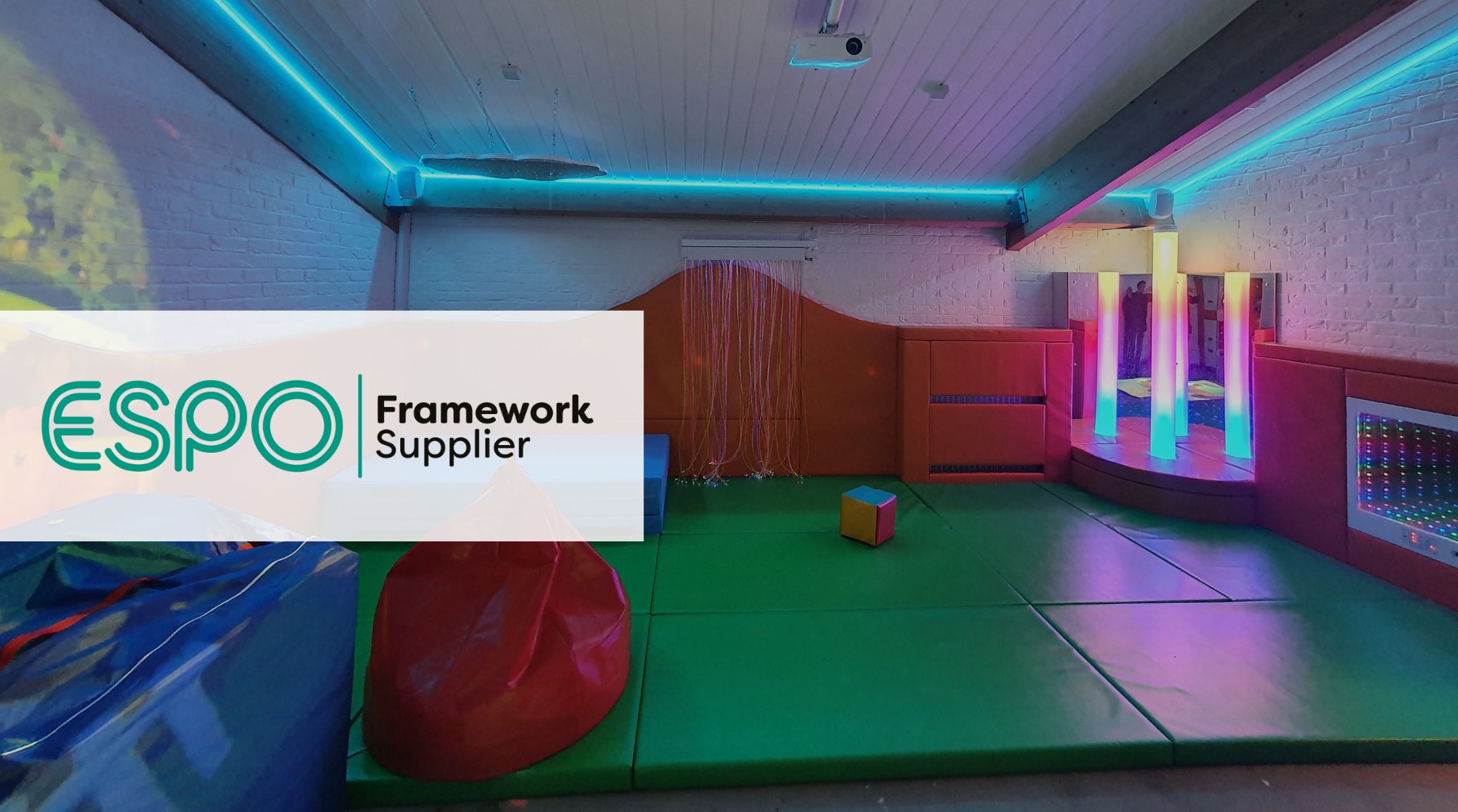
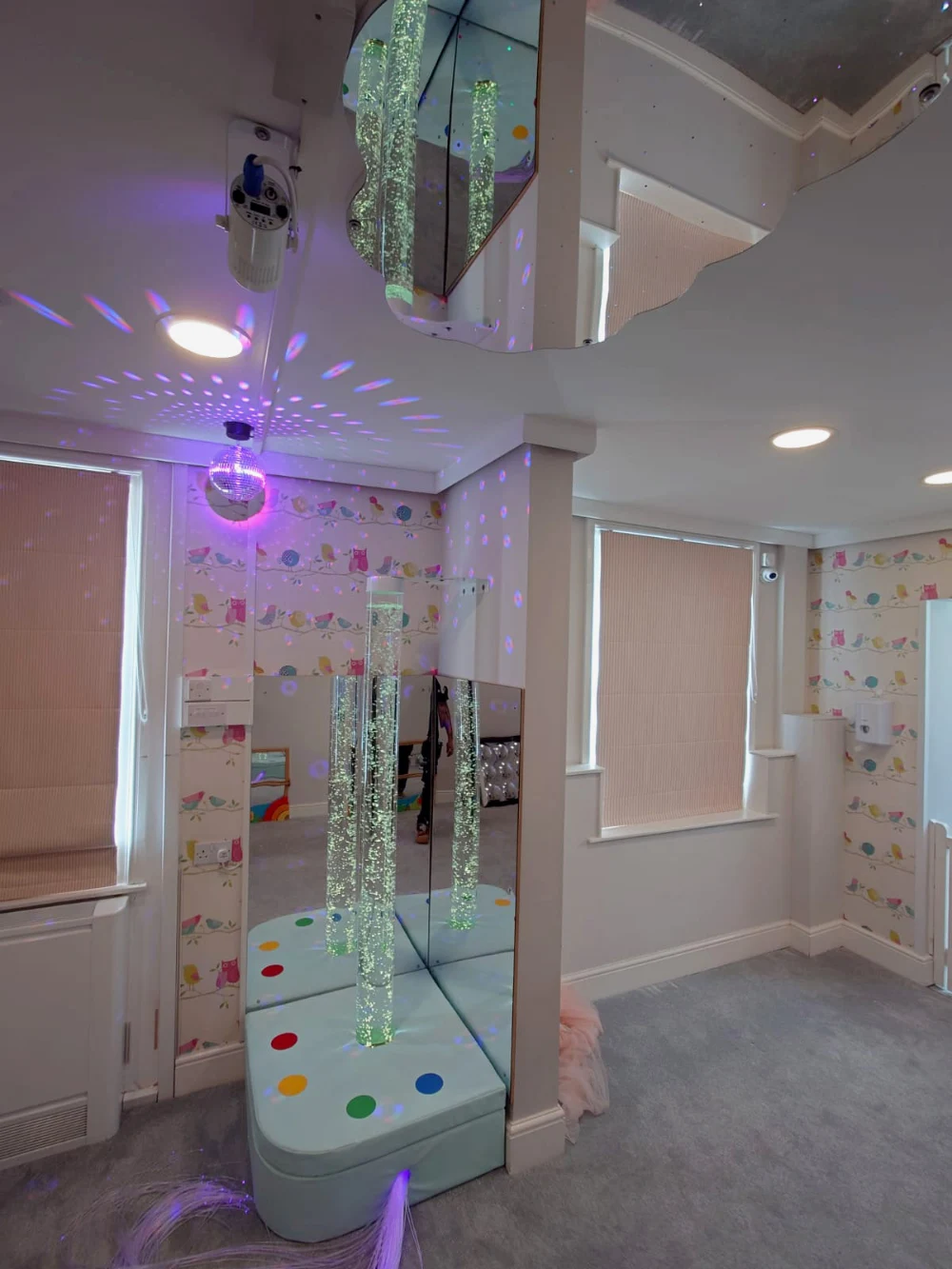
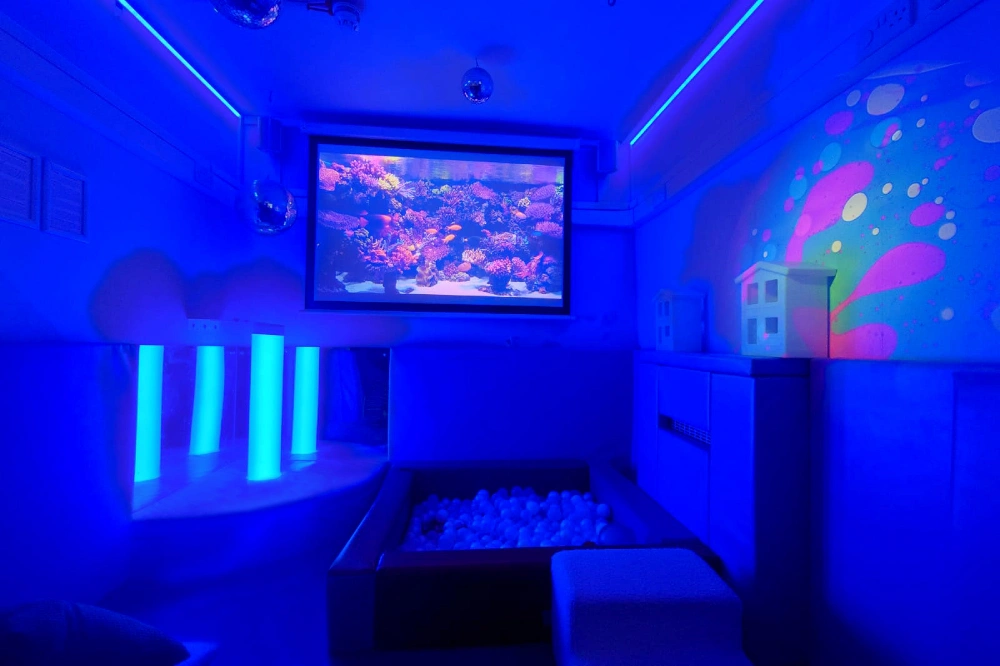
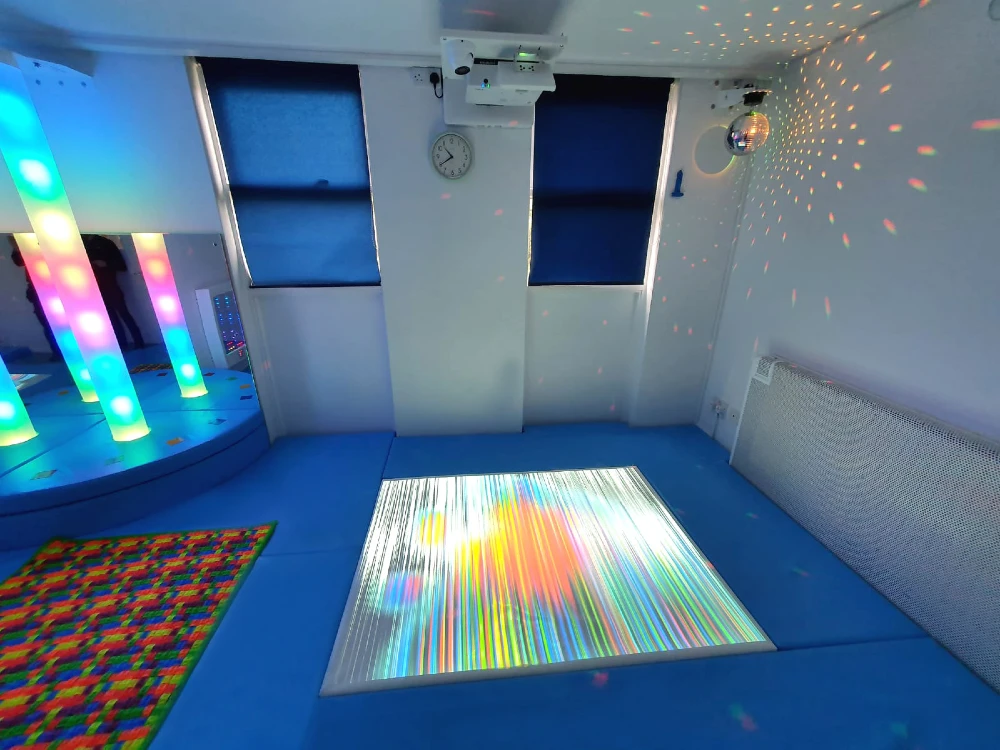
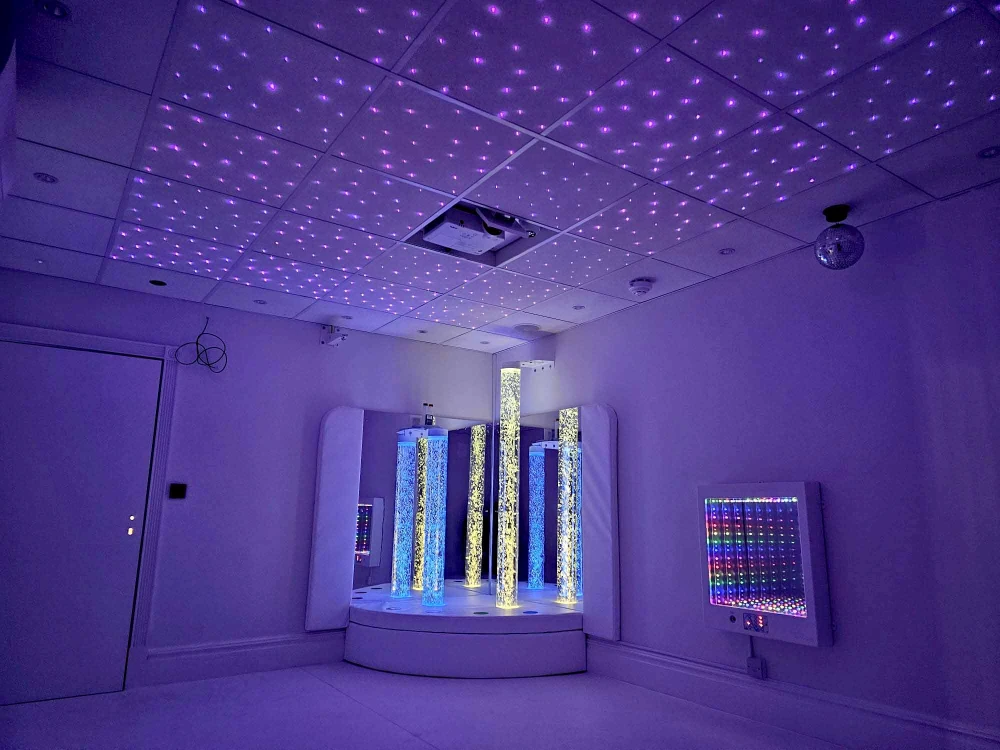
Sensory Rooms can have a real impact on children’s learning, behaviour and overall wellbeing. When used with the correct resources and equipment, they help children regulate their emotions, engage with learning and take part in activities alongside their peers.
Supports Emotional Regulation and Self-Regulation
Sensory Rooms give children a safe space to manage sensory input, helping them stay calm and focused. They also support co-regulation with adults, giving staff the opportunity to guide children through moments of overwhelm. This kind of support links directly to the Personal, Social and Emotional Development (PSED) outcomes in the EYFS, helping children develop confidence, resilience and self-control.
Reduces Anxiety and Challenging Behaviour
Sensory Rooms are proactive in helping prevent anxiety and reduce behaviours linked to sensory overload. By providing a predictable, supportive environment, these spaces also enable staff to use positive behaviour strategies, helping children manage their emotions in a safe and constructive way.
Facilitates Communication and Social Interactions
Sensory Rooms create opportunities for shared experiences in a low-pressure environment. They support non-verbal communication, encourage turn-taking and help children build confidence in expressing themselves. For many SEND children, these spaces can be a gentle stepping stone to more complex social interactions and communication skills.
Assists Transitions Between Classrooms, Lessons and Through to KS1
Transitions between activities or areas of the nursery can be particularly challenging for children with SEND. Sensory Rooms provide a predictable, calm environment that supports regulation and reduces anxiety during these moments. They can help children settle in the morning, transition back from outdoor play, or move between lessons, ensuring they are ready to learn and engage with their peers.
In addition, Sensory Rooms play a key role in preparing children for the next stages of learning, such as moving into KS1. By offering structured, supportive experiences, children can develop the self-regulation, focus and coping strategies needed for new environments. This helps them feel more confident and adaptable when facing changes in routine, unfamiliar classrooms or different teaching styles – ultimately easing the transition and supporting continued progress in their learning journey.
Key Design Considerations for EYFS Sensory Rooms Supporting SEND
A well-designed Sensory Room can make a real difference for children with SEND, providing a space that is safe, engaging and supportive. When planning a Sensory Room, there are a few key features that help ensure it meets children’s needs while supporting staff in delivering high-quality provision.
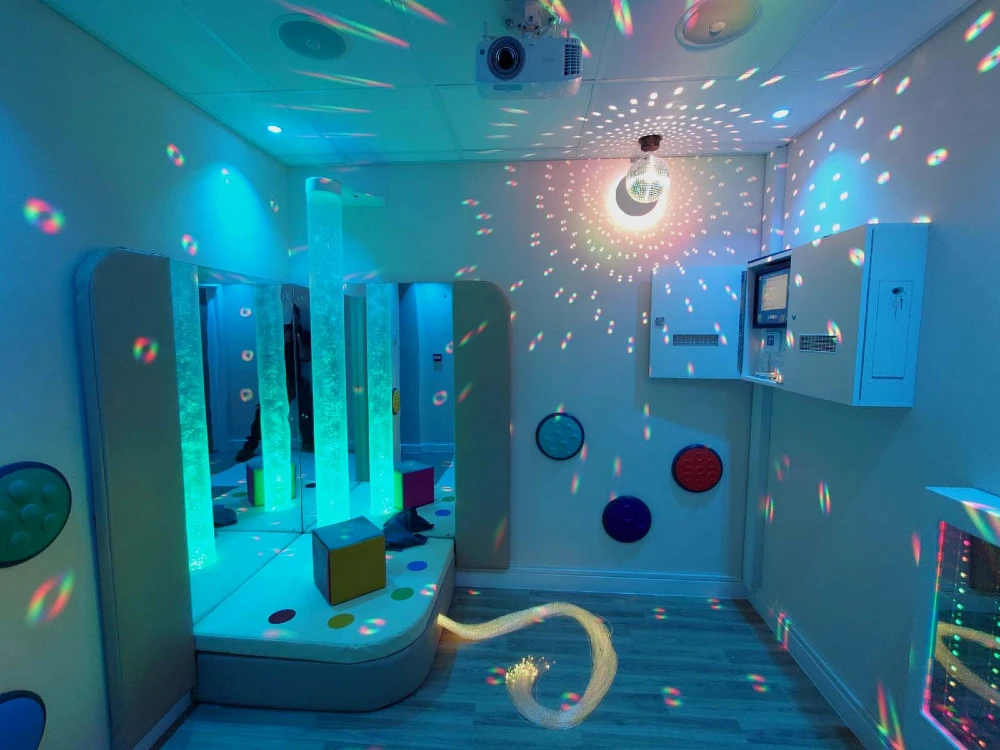
- Adjustable Sensory Equipment is one of the most important features. Flexible lighting, sounds, tactile and interactive elements mean activities can be tailored to different children’s preferences and developmental levels. These spaces work well not only for dedicated sensory sessions but also as part of everyday lessons, giving children opportunities to regulate and engage while learning across the curriculum.
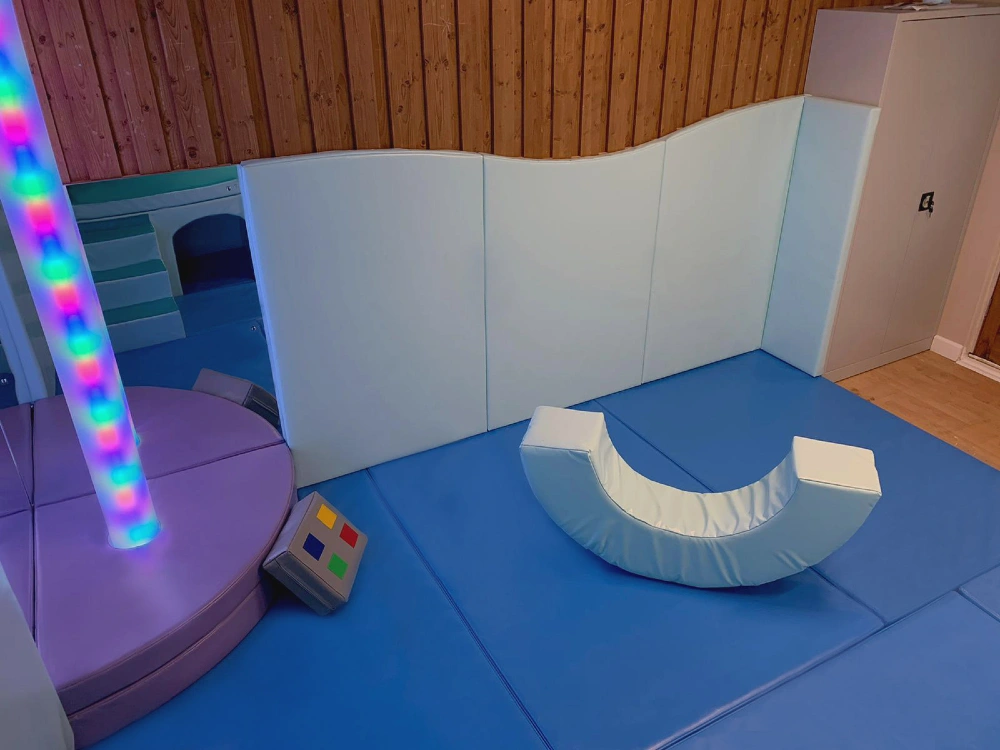
- Safe, compliant materials are essential in any setting, not just early years, and are especially important for children with more complex needs who may become overwhelmed or act out when overstimulated. Soft furnishings, protective padding, rounded edges and shatter proof materials help protect children, while giving staff confidence that the environment is secure. Age-appropriate sensory equipment for children within the EYFS age also helps to provide more effective and targeted benefits for users and minimises the risk of overstimulation or injury.
- A flexible layout makes the room easy to use for individual support, small-group activities, or guided sensory play sessions. Staff-friendly controls allow teachers and supervisors to tailor each session to the group or individual child, whilst user-controls give children the chance to take charge of their own sensory experience. Fully accessible and easy-to-supervise spaces help staff observe and support children effectively, creating a safe and inclusive environment.
- Professional bespoke designs make all the difference. When Sensory Rooms are planned with expertise, they adapt to changing cohorts, support multiple needs and ensure every child benefits from a structured, inclusive space. A Sensory Room can be a fantastic addition to any nursery or early years setting – but its impact depends on how it’s designed and set up. A professional bespoke design ensures the space is safe, accessible and tailored to the unique needs of the children using it.
Supporting Wellbeing, Learning and Inclusion Together
Sensory Rooms are more than just a quiet corner – they’re a practical, evidence-informed investment that can make a real difference for children with SEND in nurseries and early years settings. These specialist environments help remove barriers to learning, support emotional wellbeing and encourage self-regulation, while also benefiting the wider cohort of children.
By incorporating sensory rooms into a whole-setting strategy, nurseries can provide an environment where:
- Every child feels supported and included.
- Staff can deliver high-quality, consistent EYFS provision.
- Observations, individual support plans and EHCP outcomes are actively supported.
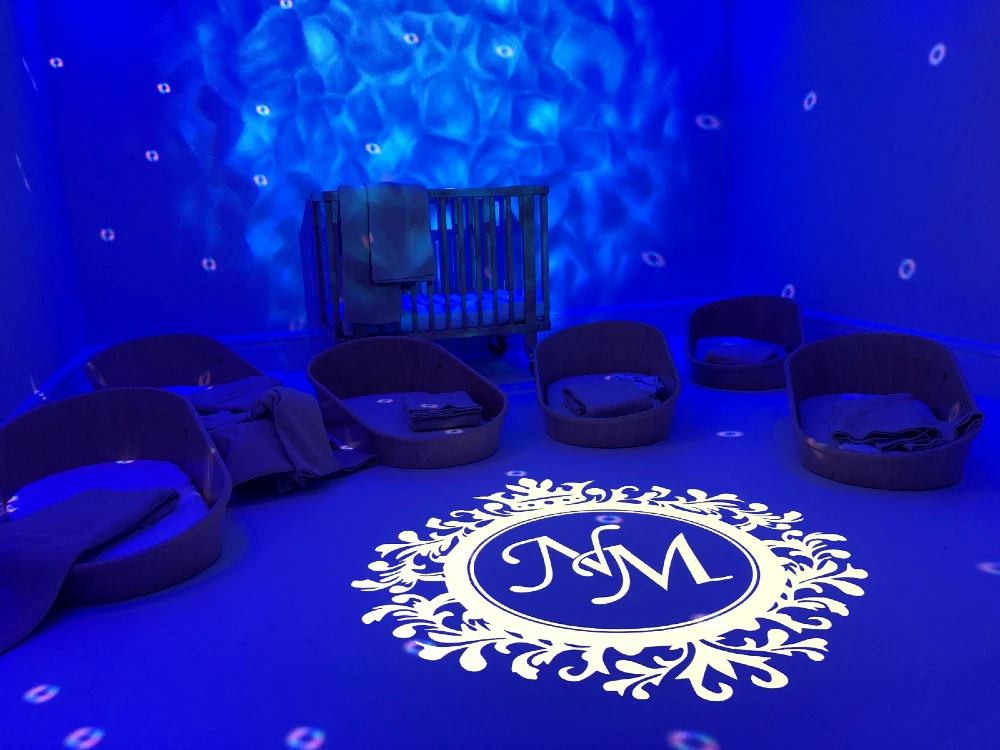
Transform your Nursery, Pre-School or Early Years Setting with a Sensory Room that truly works.
If you’re considering creating, upgrading or re-furbishing your SEN resources, contact us today and our team of experts can help you plan a space that aligns with EYFS best practice, supports EHCP outcomes and demonstrates high-quality, inclusive provision.