Multisensory Rooms

Multisensory Rooms

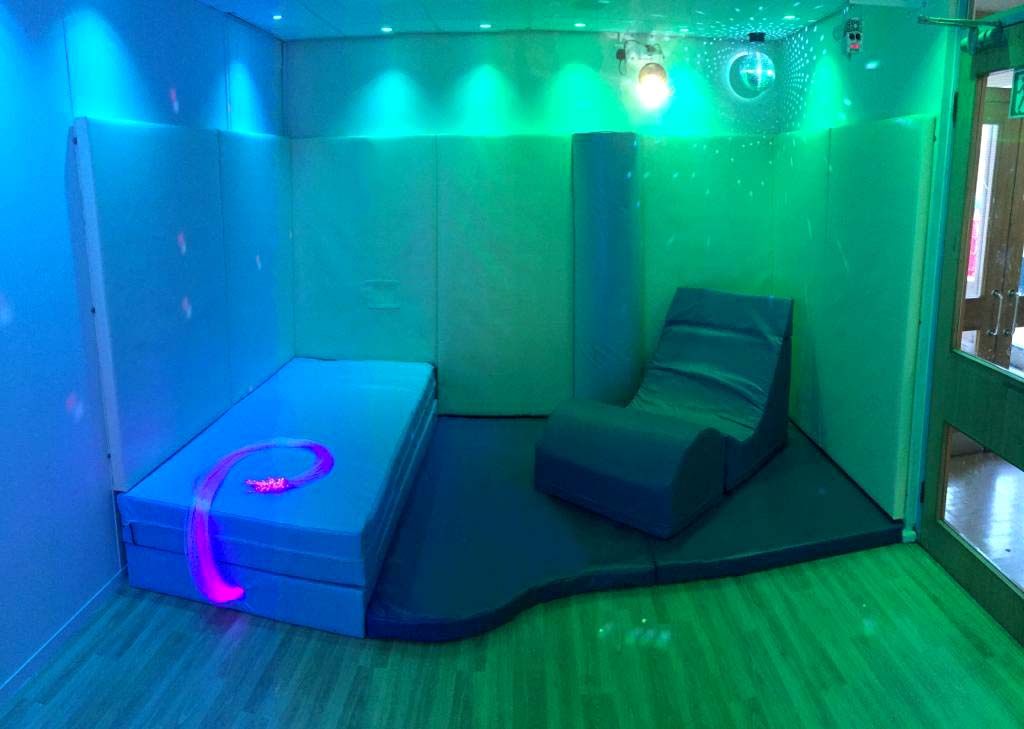
A multisensory room is more than just a space – it’s a transformative environment designed to engage the senses, promote relaxation and support development. Whether used in therapy, education or at home, multisensory rooms are a perfect space that benefits individuals of all ages and abilities. 

A multisensory room is more than just a space – it’s a transformative environment designed to engage the senses, promote relaxation and support development. Whether used in therapy, education or at home, multisensory rooms are a perfect space that benefits individuals of all ages and abilities. 

What is a Multisensory Room?

What is a Multisensory Room?

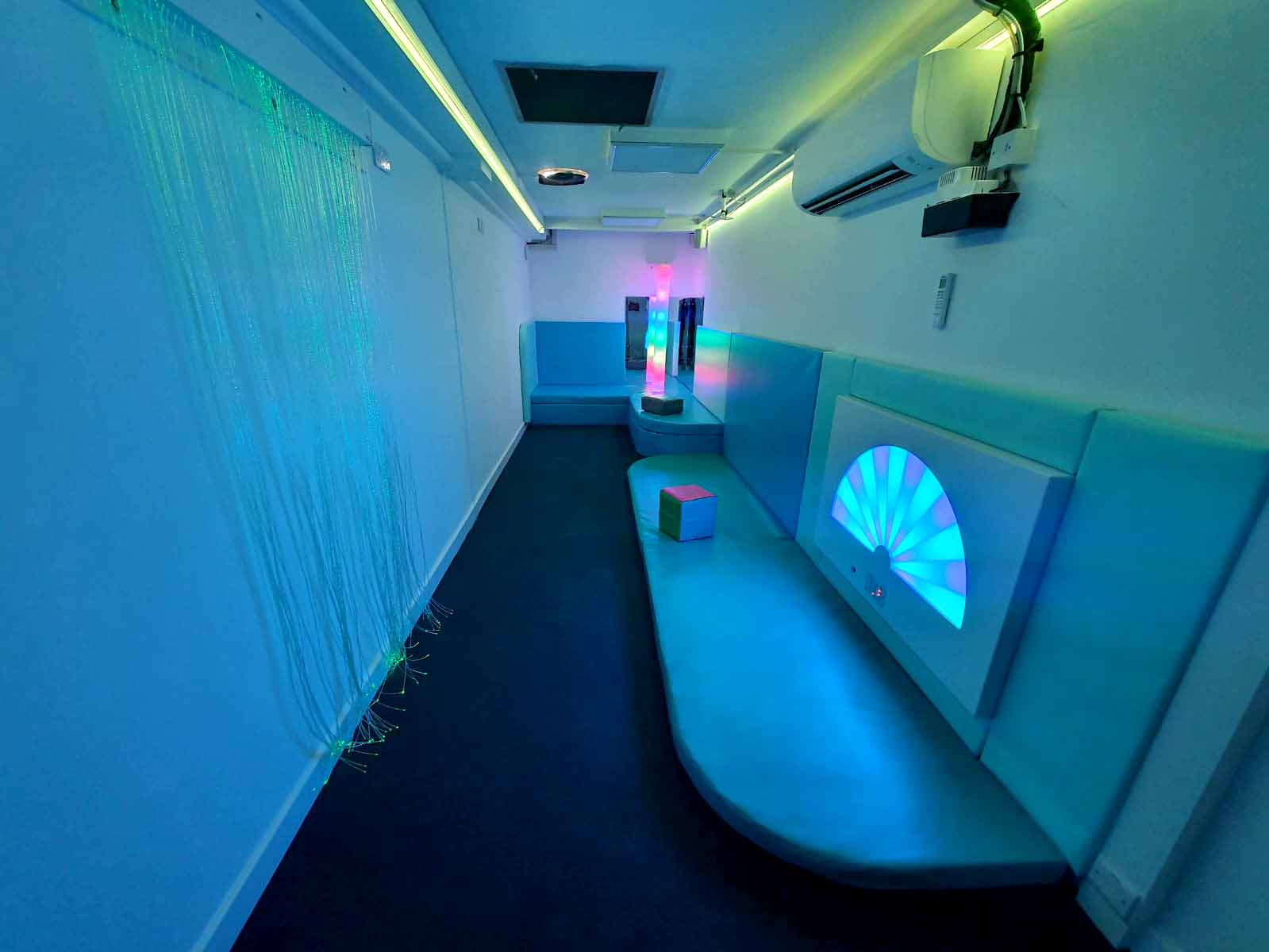
A multisensory room caters to many needs at the same time, as the name suggests it is a carefully designed space that combines lighting, sound, tactile surfaces, scents, and interactive features to stimulate or calm the senses. These rooms are widely used in schools, care homes, therapy centres, and homes to provide a safe and engaging environment for users.

A huge benefit of multisensory rooms is that they have a positive impact on every case, these include:

  • Relaxation: Create a calming atmosphere for users to de-stress and self-regulate.
  • Stimulation: Encourage sensory exploration and engagement through interactive features.
  • Therapeutic Support: Aid in physical rehabilitation, emotional regulation, or cognitive development.
  • Learning: Support educational goals by enhancing focus and promoting curiosity.
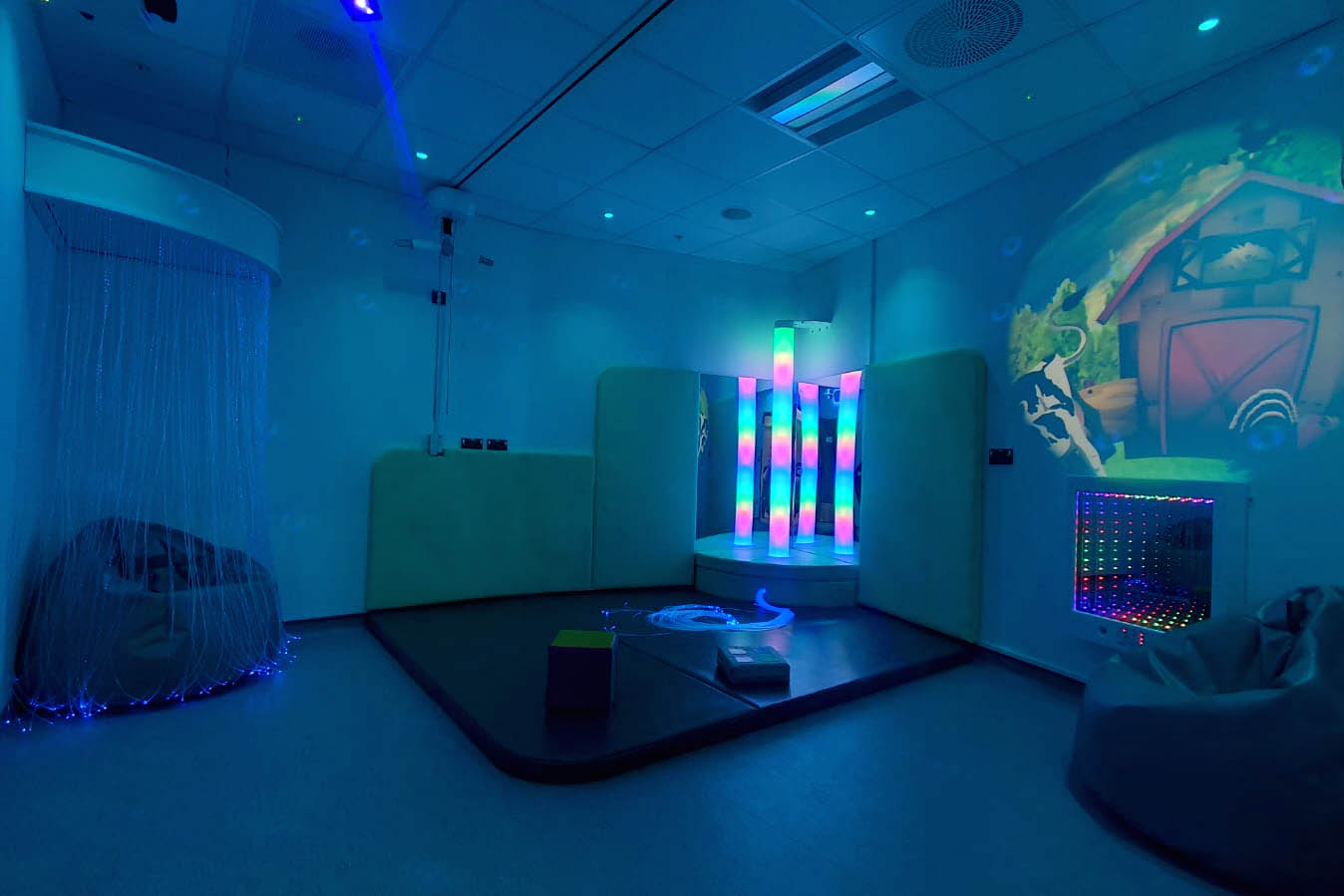
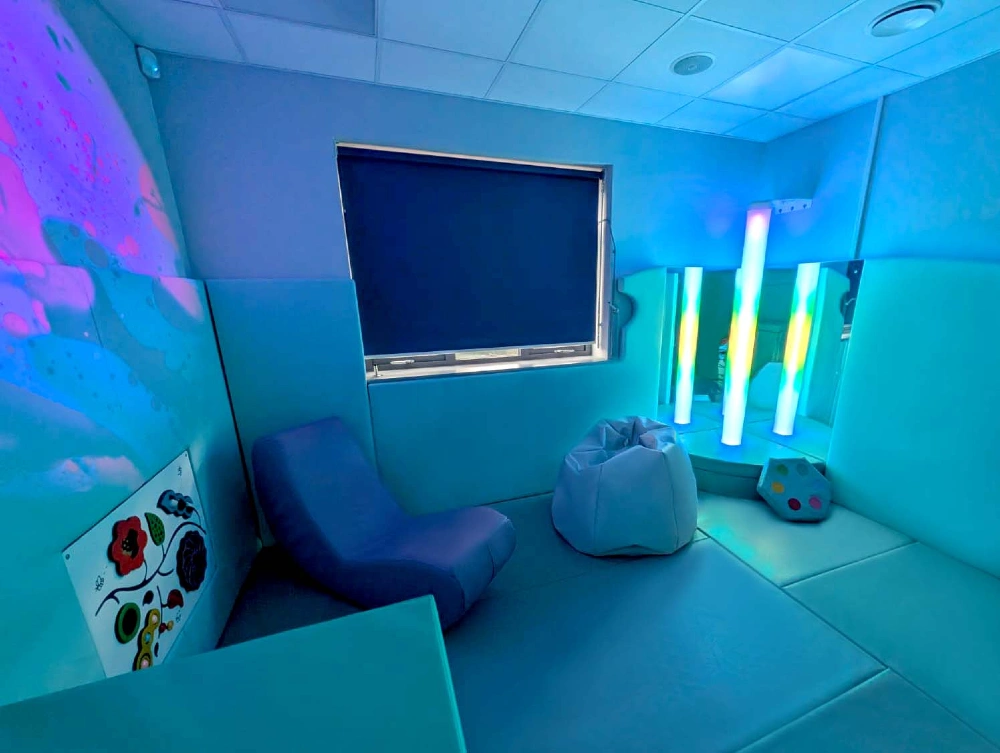
Multi Sensory Room and Sensory Equipment at University Hospital
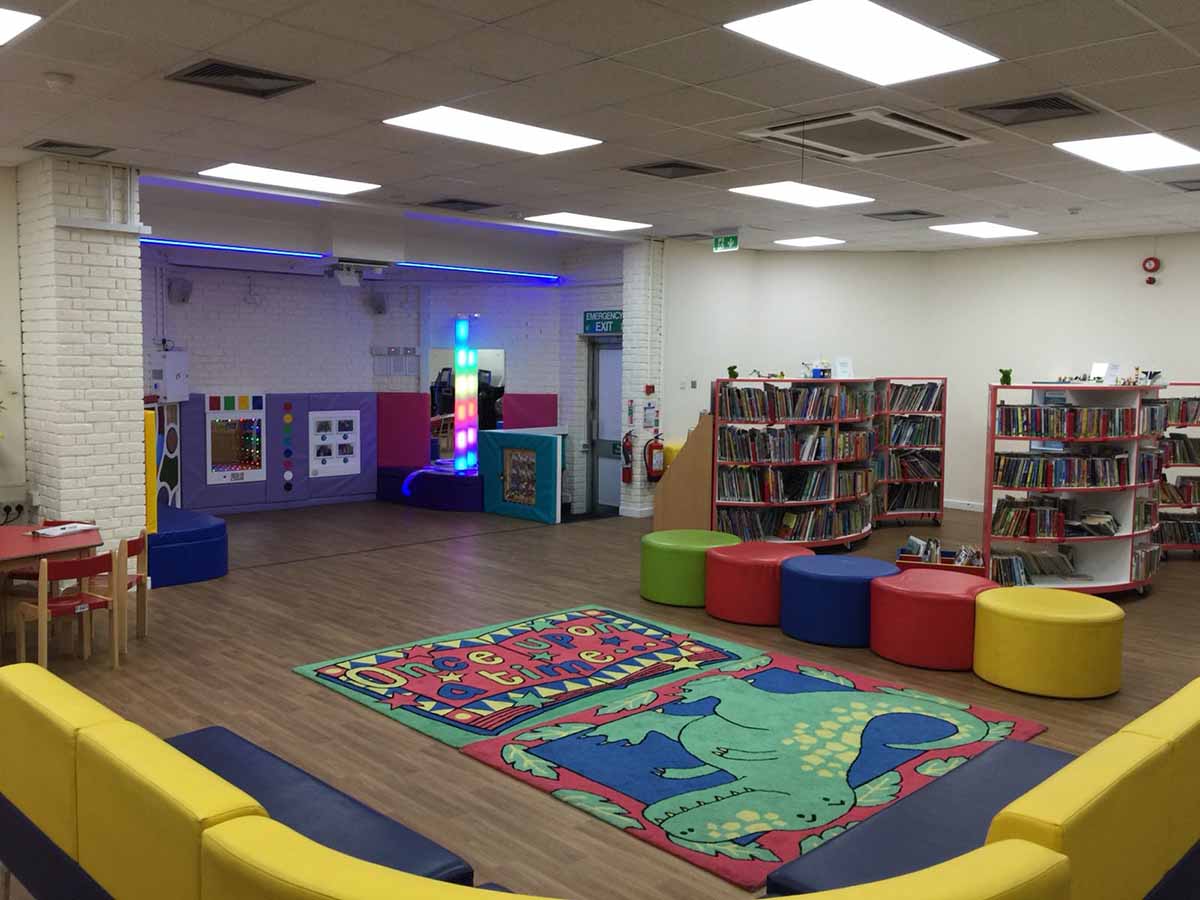
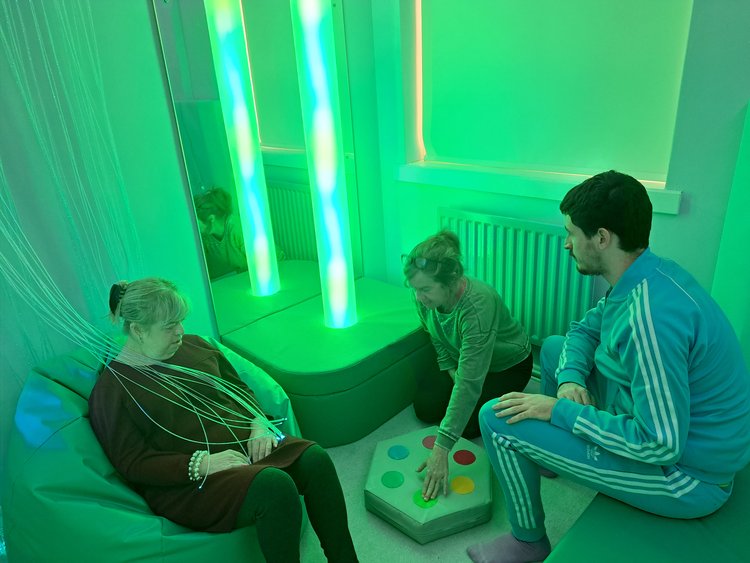
Multisensory room in use

The Benefits of Multisensory Rooms

The Benefits of Multisensory Rooms

Multisensory rooms offer a range of benefits for individuals with sensory needs, disabilities, or those simply seeking a calming space. Here are some of the wide range of benefits they provide:

For individuals who experience sensory overload or difficulty managing emotions, a multisensory room provides a controlled environment to calm and ground themselves. By incorporating calming features such as soft lighting and soothing sounds, these rooms help reduce anxiety and promote relaxation.

Multisensory rooms offer a safe space to explore and interact with various sensory elements, helping to improve sensory processing and cognitive abilities. Features like bubble tubes, tactile walls, and sound-responsive lights capture attention and encourage engagement, making these rooms particularly effective for therapy and education.

Designed to lower stress levels and foster a sense of well-being, multisensory rooms are ideal for individuals of all ages. By creating a space tailored to specific sensory needs, these rooms offer users a sanctuary where they can decompress and recharge.

Whether used for relaxation, therapy, or active play, multisensory rooms can be customised to meet the unique needs of individuals with autism, ADHD, dementia, or other sensory challenges. Their adaptability makes them valuable across various settings, from schools to care homes.

How We Work

How We Work

Design

We will work with you to design the perfect Sensory Environments to meet your needs and budget.

Installation

Our team of experienced engineers will install your system to the Highest Standards.

Training

We include full operational training on how to get the most from your new Sensory Space.

Support

Unrivalled Aftercare Support – Protecting your investment with our maintenance packages.

Design

We will work with you to design the perfect Sensory Environments to meet your needs and budget.

Installation

Our team of experienced engineers will install your system to the Highest Standards.

Training

We include full operational training on how to get the most from your new Sensory Space.

Support

Unrivalled Aftercare Support – Protecting your investment with our maintenance packages.

Get Your Free Design Today...

Ready to take the next step?

One of our experienced Sensory Advisors will be in touch. Listening to both your requirements and budget, before creating your FREE sensory environment design and proposal.

No Pushy Salespeople and No Obligation.

Where Are Multisensory Rooms Used?

Where Are Multisensory Rooms Used?

Schools and nurseries use multisensory rooms to support children with learning disabilities or sensory challenges. These spaces provide a calming retreat during the school day, as well as opportunities for sensory exploration that enhance focus and engagement in the classroom.

In therapy centres, multisensory rooms serve as essential tools for professionals working on motor skills, emotional regulation, or sensory integration. These spaces are designed to complement therapy sessions, helping individuals achieve developmental milestones in a supportive environment.

Multisensory rooms in care homes offer residents with dementia or physical disabilities a calming and engaging space. These rooms help reduce anxiety, provide comfort, and promote emotional well-being, creating a sanctuary for relaxation and social interaction.

Creating a multisensory room at home provides a personalised environment for family members with autism, ADHD, or other sensory needs. These spaces allow individuals to self-regulate and enjoy sensory experiences in a familiar, private setting.

Community centres integrate multisensory rooms to foster inclusion and well-being. These public sensory spaces are designed for individuals of all ages and abilities, offering a shared environment that encourages exploration, relaxation, and connection.

Key Features of a Multisensory Room

Key Features of a Multisensory Room

The effectiveness of a multisensory room lies in its design and features. At Sensory Technology, we incorporate the following elements to create engaging and impactful spaces:

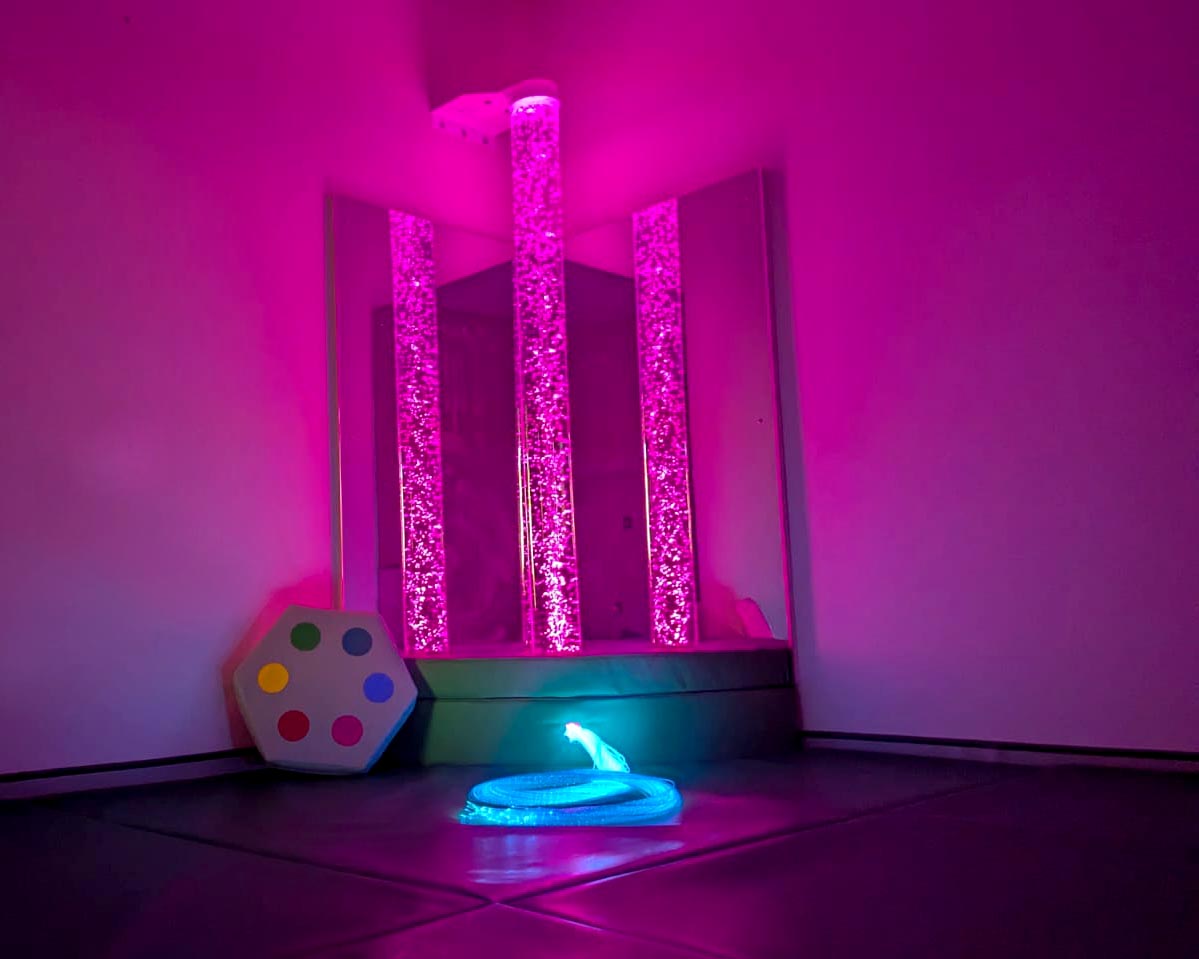
Lighting plays a crucial role in setting the mood and stimulating the senses. We offer:

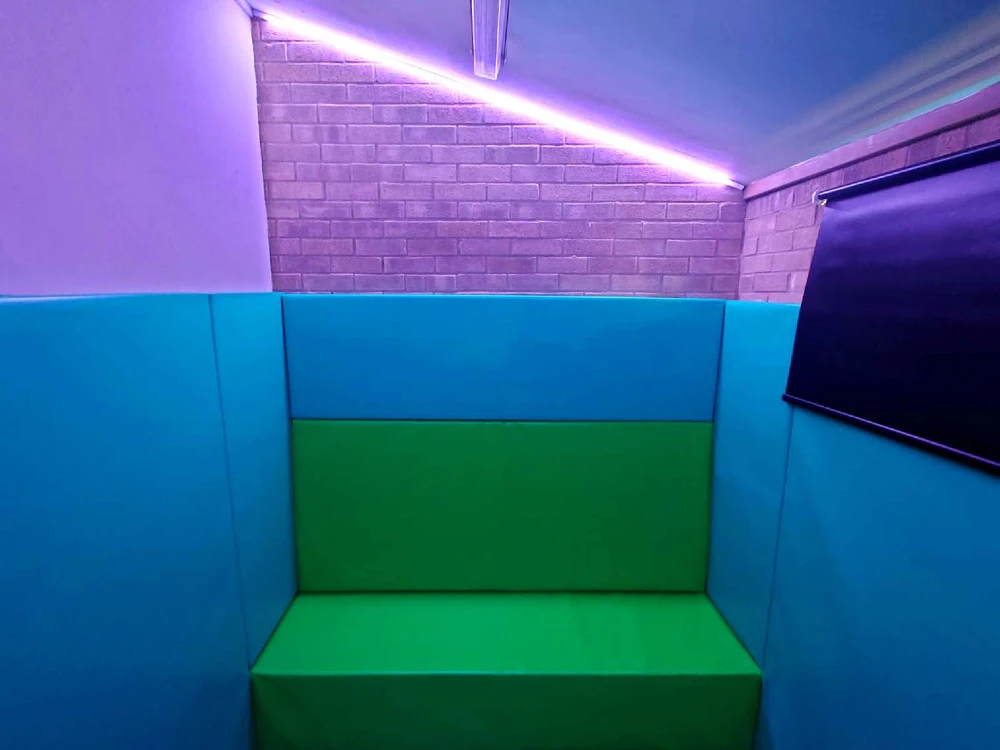
  • LED lighting for creating calming or energising environments.
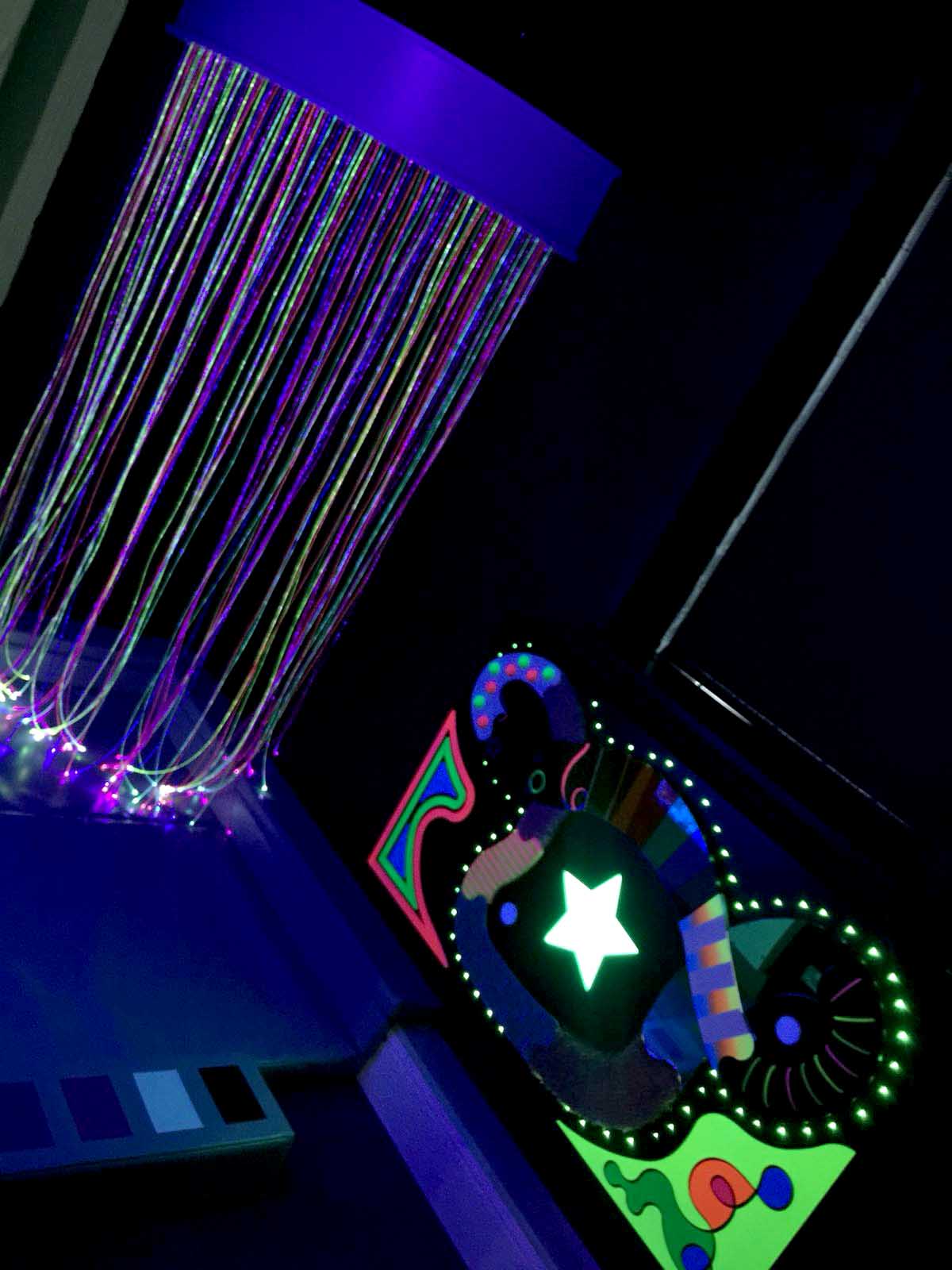
  • Bubble tubes that combine gentle motion, colour changes, and visual focus.
  • Fibre optic lights for tactile and visual interaction.
  • Interactive Panels for cause and effect learning.
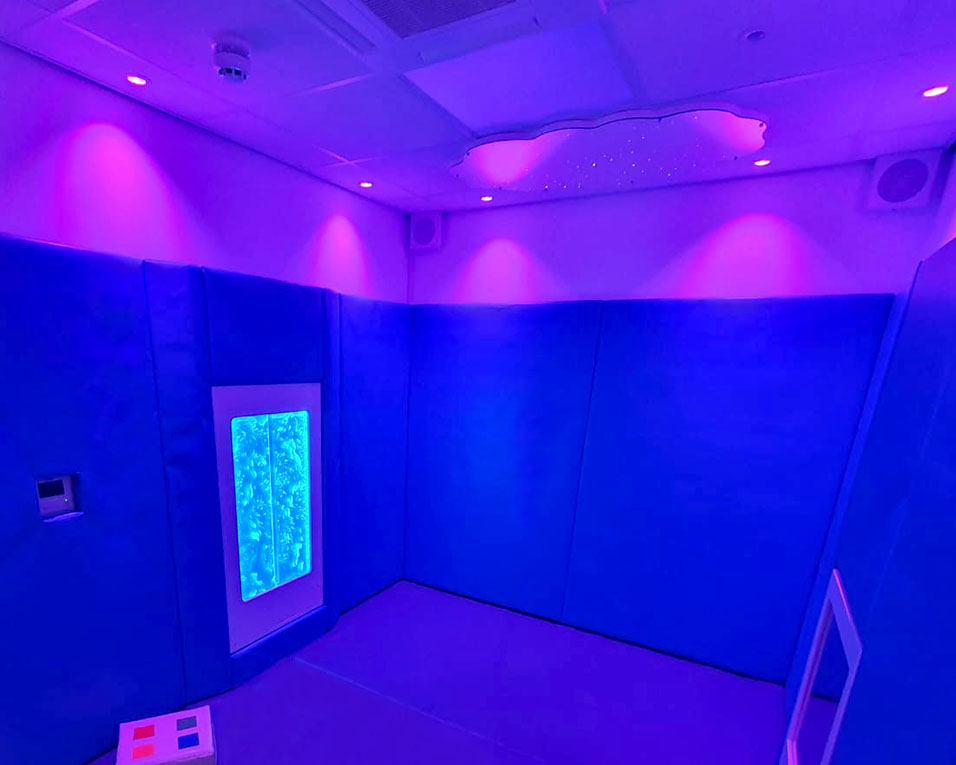
Interactive Colour Changing LED Mood Lighting In A Sensory Room

Incorporating auditory elements enhances the sensory experience and promotes relaxation. Features include:

  • Sound systems for calming music or nature sounds.
  • Interactive sound features for active engagement.
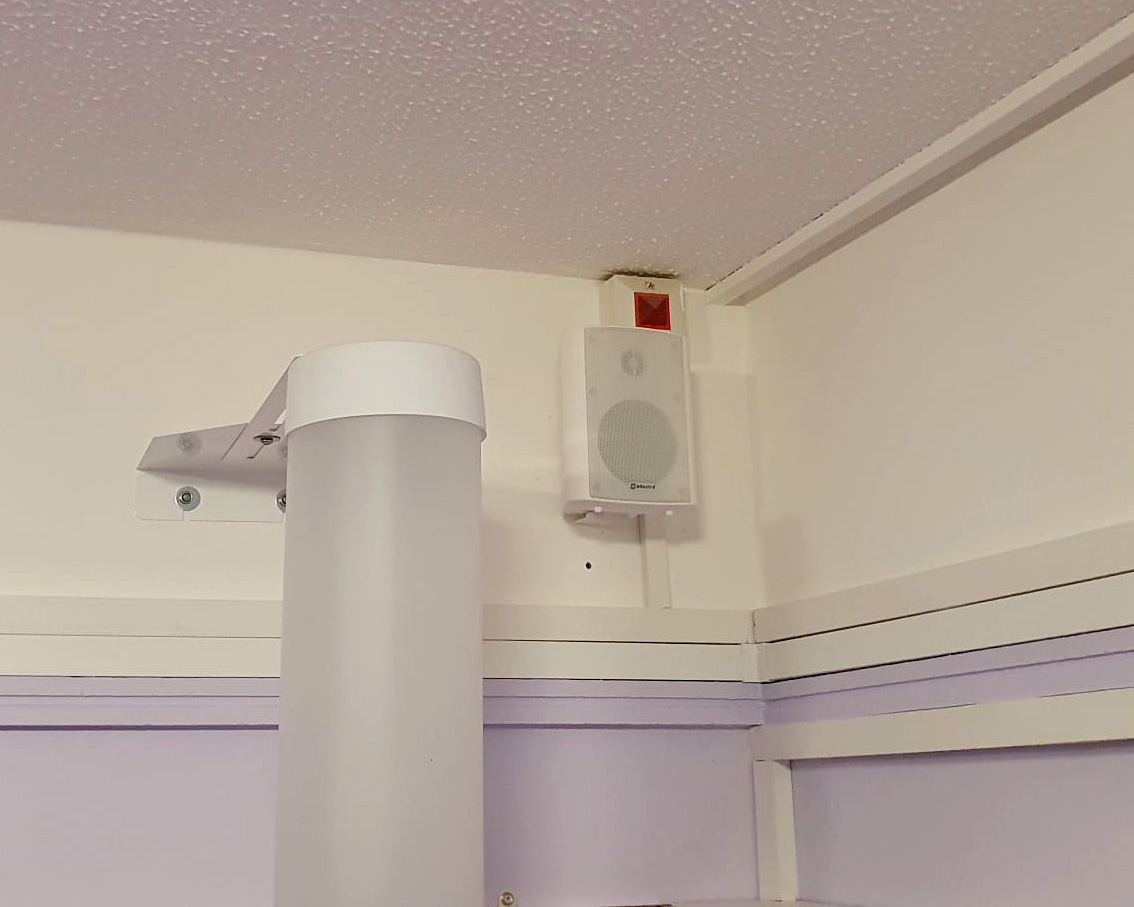
Built In Sound System and Wall Speakers in Sensory Room

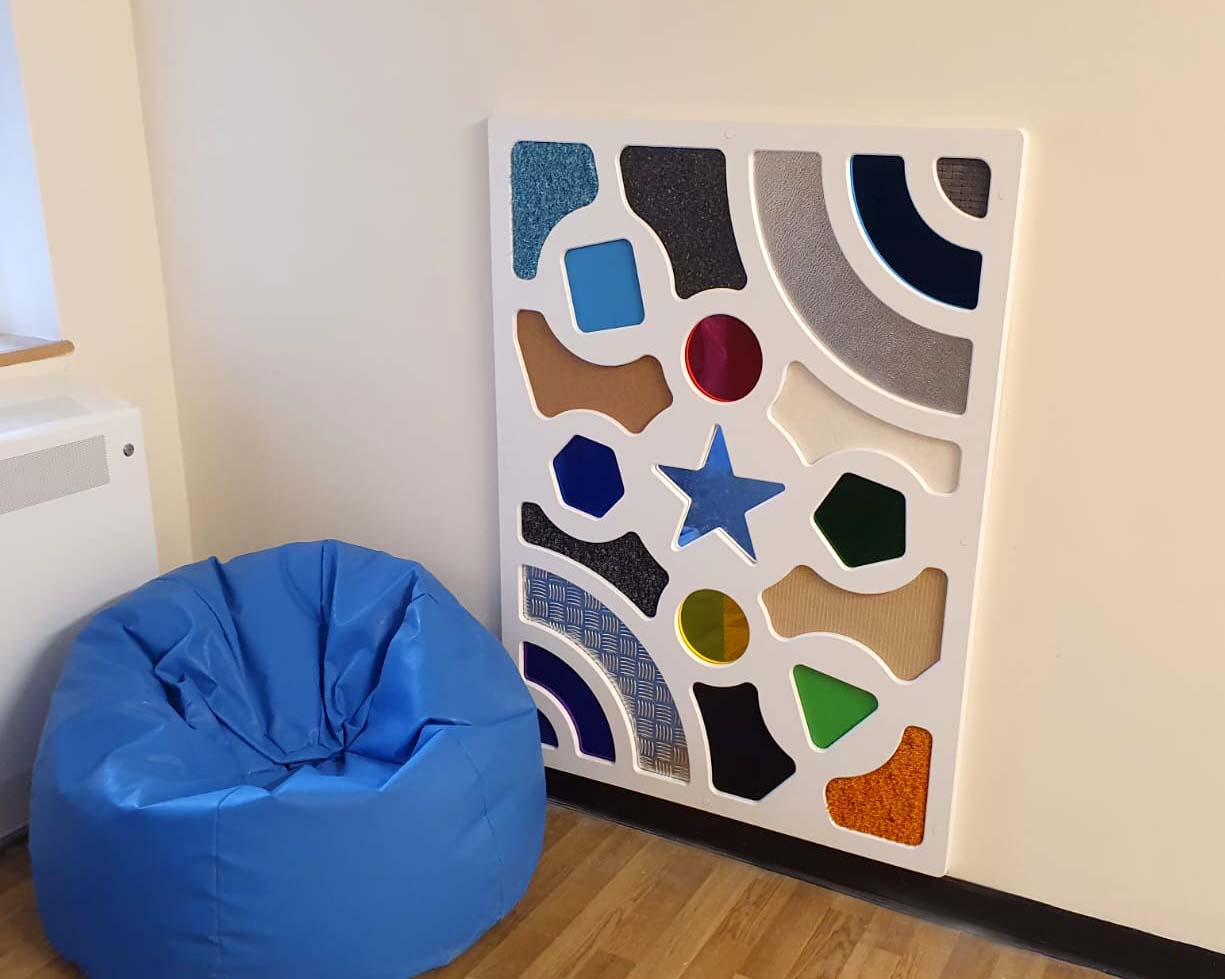
Tactile exploration encourages grounding and engagement. Our designs include:

  • Textured panels and walls with various materials.
  • Soft furnishings like bean bags and padded mats.
  • Interactive features such as tactile panels and kits.
Geometric Tactile Activity Panel For Sensory Rooms

Interactivity enhances engagement and helps develop motor and cognitive skills. Options include:

  • Touch-sensitive panels that change room lighting or vibrate.
  • Projectors that create immersive visuals, such as starry skies or underwater scenes.
  • Interactive switching to give users ownership over their environment.
Interactive Bubble Tube With User Controlled Colour Switch and Fibre Optic Harness

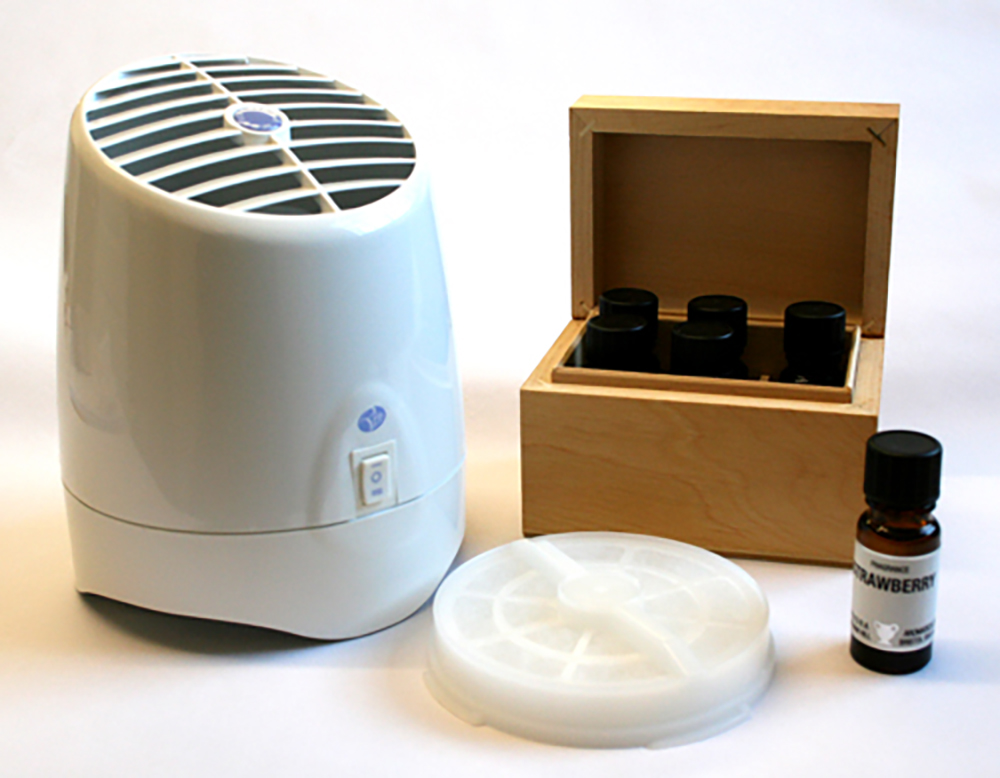
Engaging the sense of smell can evoke memories or provide calming effects. These are perfect additions:

  • Essential oil diffusers with relaxing scents like lavender or eucalyptus.
  • Curriculum linked aromas to support themed working. 
Aromatherapy in a Sensory Room

FAQs

A multisensory room is a purpose-designed environment that stimulates or calms the senses using a combination of lighting, sound, tactile surfaces, interactive technology and other sensory equipment. Multisensory rooms are used to support learning, therapy, relaxation and emotional regulation for children and adults with a wide range of needs.

Multisensory rooms can benefit people of all ages and abilities. They are particularly effective for individuals with autism, ADHD, sensory processing differences, learning disabilities, dementia, physical disabilities and mental health needs. They can also provide calming, engaging spaces for mainstream education and community settings.

Multisensory rooms can be installed in almost any indoor environment, including:

  • SEND and mainstream schools
  • Nurseries and early years settings
  • Care homes
  • Hospitals and healthcare facilities
  • Therapy and rehabilitation centres
  • Family hubs and community centres
  • Residential homes
  • Leisure and public venues


Every room is designed around the available space and the needs of the users.

Yes. Every multisensory room we design is completely bespoke. We tailor each project to your room size, layout, users, objectives and budget, ensuring the equipment and design deliver the greatest benefit for your setting.

There is no minimum room size. We have designed sensory environments in compact rooms, converted classrooms, dedicated therapy spaces and larger specialist facilities. Our design team will recommend the most effective layout to maximise the space available.

Yes. A multisensory room can provide a structured environment where children with autism, ADHD and sensory processing differences can self-regulate, explore sensory experiences safely and engage in activities that support learning, communication and emotional wellbeing.

Yes. We offer a complete turnkey service, including consultation, room design, equipment selection, manufacture, installation, staff training and ongoing aftercare. Our in-house team manages every stage to ensure your sensory room is delivered to the highest standard.

Yes. If you already have a sensory room, we can modernise or refurbish it by replacing outdated equipment, upgrading lighting and control systems, adding new interactive technology or redesigning the space to better meet your users’ current needs.

The first step is to discuss your space, objectives and budget with our team. We’ll then create a free bespoke sensory room design and proposal, recommending the most suitable equipment and layout for your setting with no obligation.

Case Studies

Case Studies

St Margaret Clitherow School in London is committed to creating a nurturing environment where every child feels safe, supported and inspired to achieve their full …
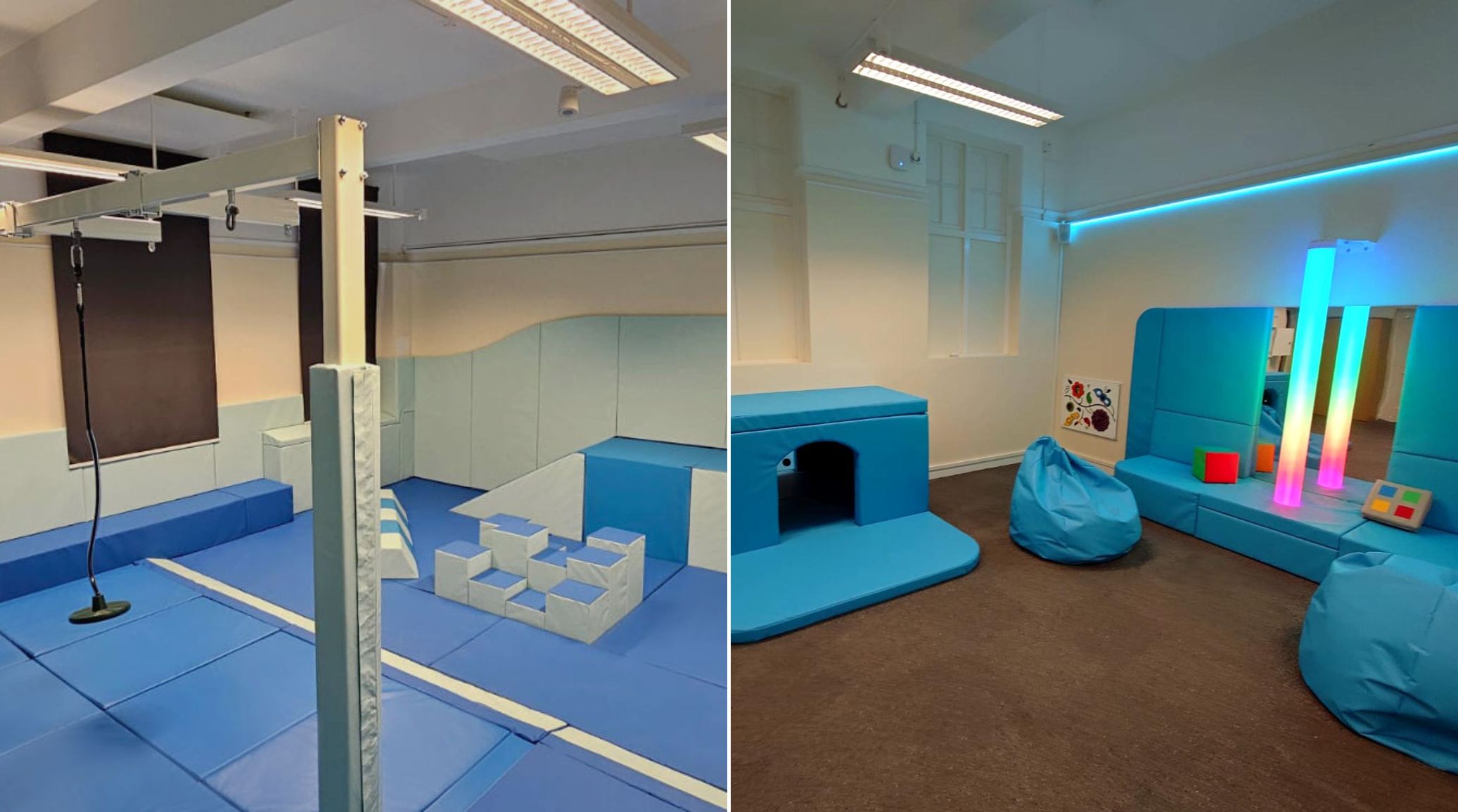
Creating the right environment for children with additional needs is essential for supporting both learning and wellbeing. In this project, we worked with the Chaucer …
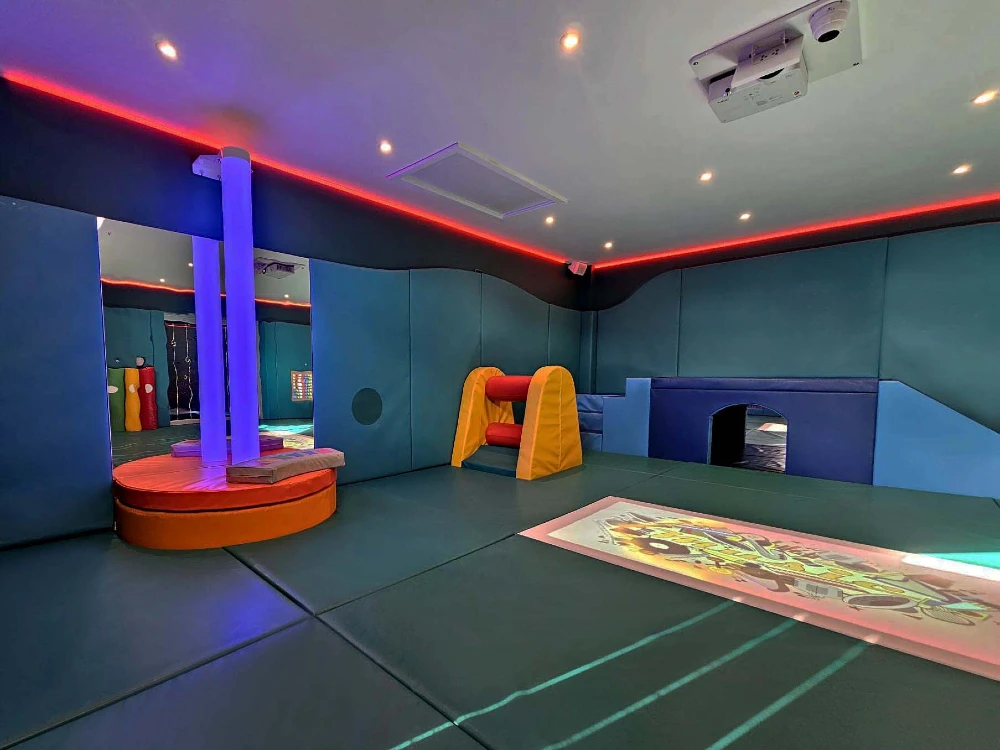
Designing a home sensory room can make a transformative difference for children with additional needs who benefit from sensory input and structured play environments. In …
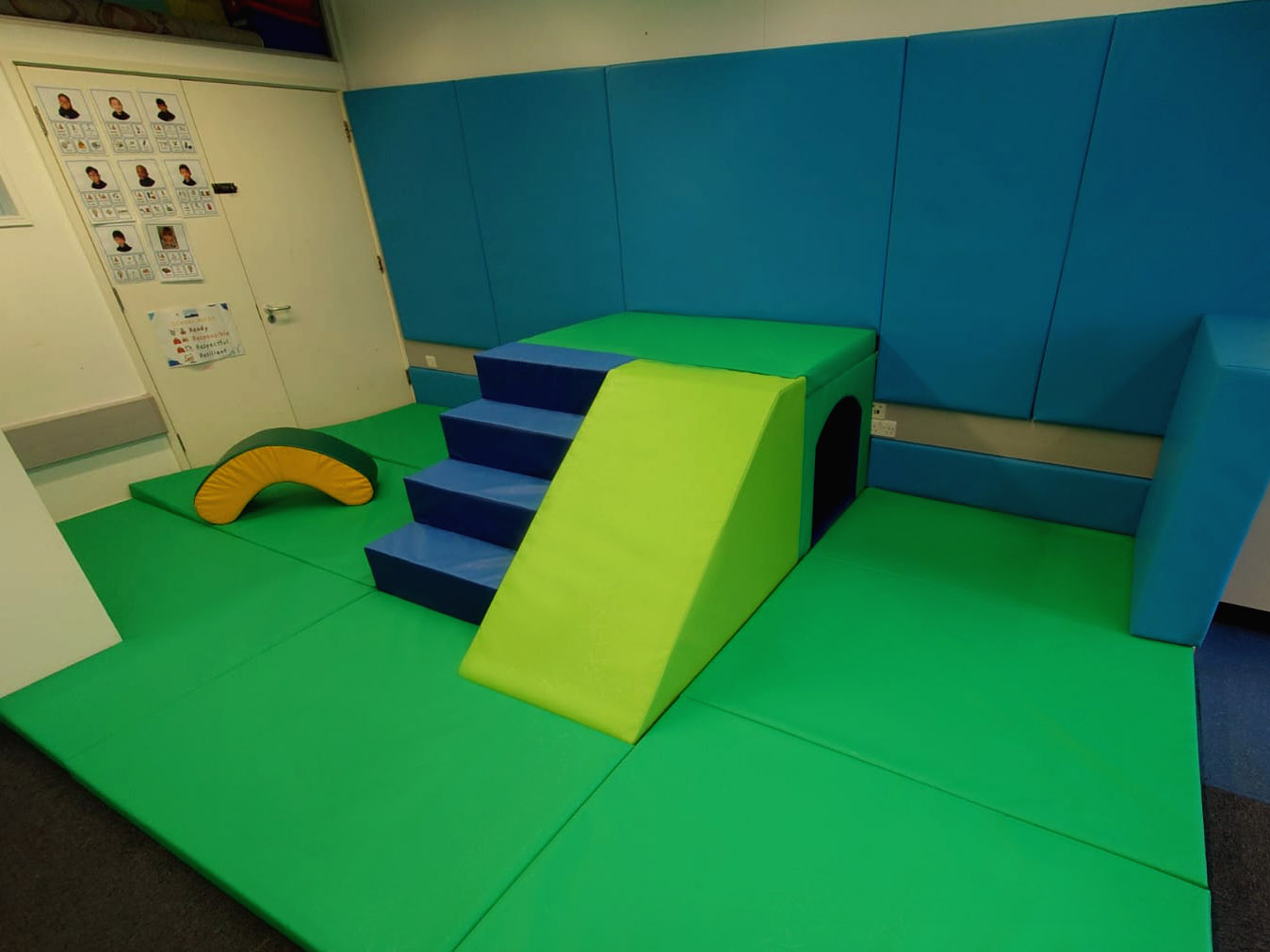
Chiltern Primary School is a nurturing and inclusive primary school based in Basingstoke, dedicated to providing every child with a supportive learning environment. After identifying …
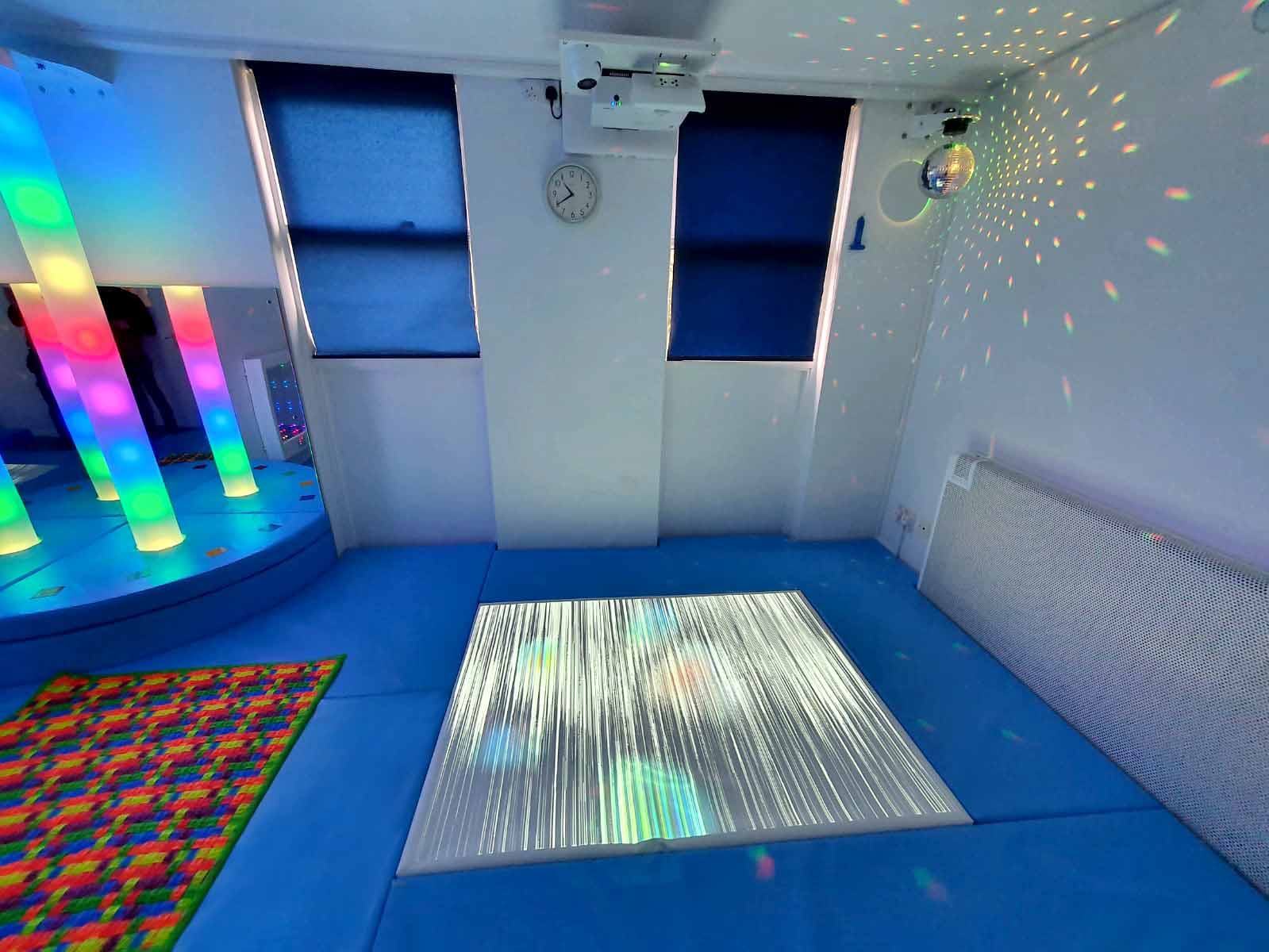
What Our Customer's Say

Who We Have Worked With

Companies Sensory Technology Has Worked With
Brands We've Worked With At Sensory Technology Ltd