How can one room provide a calming retreat, an interactive sensory experience and a space for shared activities? For short break services, where space often needs to accommodate a variety of users and activities, flexible sensory room design can make all the difference.
With versatile sensory equipment and adaptable features, a single room can provide opportunities for relaxation, sensory exploration, interactive play and engagement. For short break and respite care providers, the goal is to create a versatile sensory environment that can respond to changing needs, making the space as useful and engaging as possible for everyone who uses it.
In this week’s blog, we’ll explore the key considerations when planning a multi-use sensory room, from choosing the right equipment to making the most of your layout.
What Are Short Break Services?
Short break services provide temporary care, support and meaningful activities for individuals with additional support needs, while giving their families and carers time to rest or attend to other commitments. Depending on individual needs and the support available, short breaks can take place in a range of settings, from residential respite facilities to community-based services and specialist activity centres.
These services can take different forms, including:
Residential short breaks: Overnight or planned stays in a dedicated care setting, offering support in a safe, structured environment.
Day services and activity centres: Opportunities to take part in activities, socialise and explore different interests without an overnight stay.
Community-based short breaks: Supported activities and experiences delivered in community settings, helping individuals access local facilities and participate in everyday life.
In-home support: Care provided in the individual’s own home, giving families and carers a break while maintaining familiar surroundings.
While each service operates differently, creating a sensory environment that can accommodate a variety of needs and activities is an important consideration.
Why Are Multi-Use Sensory Rooms Valuable in Short Break Services?
Short break services provide opportunities for individuals with additional support needs to enjoy new experiences, participate in activities and spend time in a supportive environment. A thoughtfully designed sensory room can enhance these experiences, offering a dedicated space for relaxation, sensory exploration and engagement as part of a wider programme of respite care.
Supporting individual sensory needs
Everyone experiences and responds to sensory information differently. Some individuals may prefer gentle lighting, soothing visuals and quieter surroundings, while others may enjoy colourful projections, tactile features or interactive sensory equipment. Well-planned sensory room design takes these differences into account, providing a choice of experiences that staff can adapt to individual preferences and support needs.
Offering opportunities for relaxation and sensory exploration
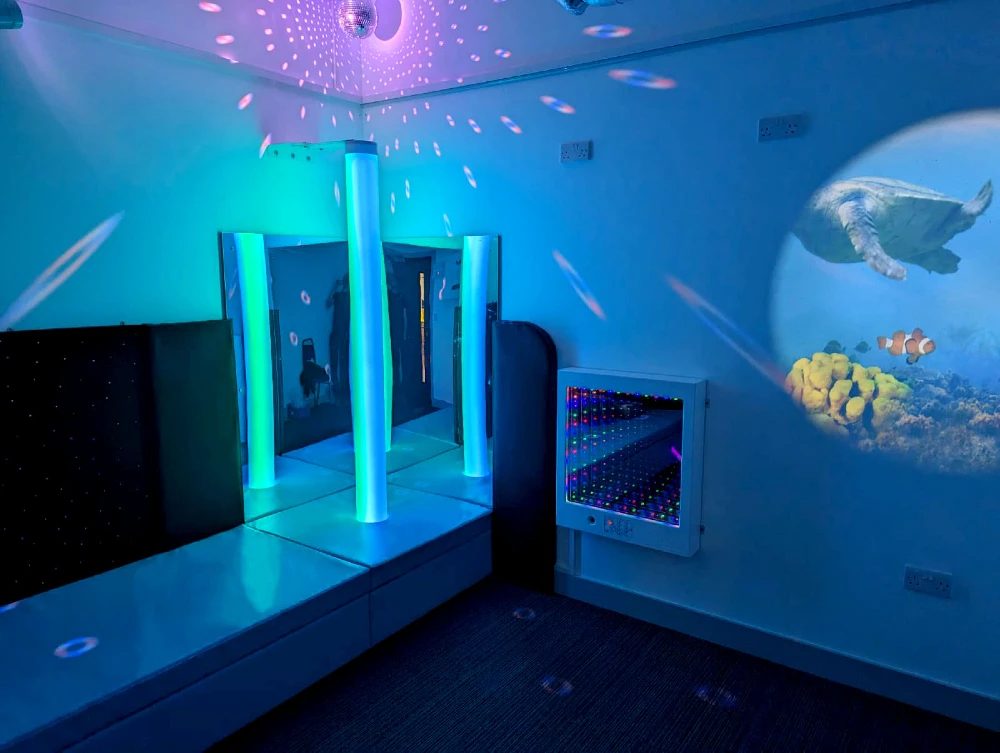
Sensory rooms for short break services can provide a change of pace from busier communal environments. Features such as fibre-optic lighting, bubble tubes and colour-changing mood lighting can help create a different atmosphere, while interactive projections and tactile equipment offer opportunities to explore light, sound, colour and touch. A multi-sensory environment can therefore accommodate a variety of activities, depending on individual interests and the purpose of each session.
Encouraging choice and participation
Interactive sensory equipment, including switch-operated lighting and responsive projections, can offer different ways for individuals to engage with their surroundings. Depending on their preferences and abilities, users may be able to activate features independently or explore them with support from staff. This flexibility can help short break services provide more opportunities for choice and participation.
Creating a welcoming sensory environment
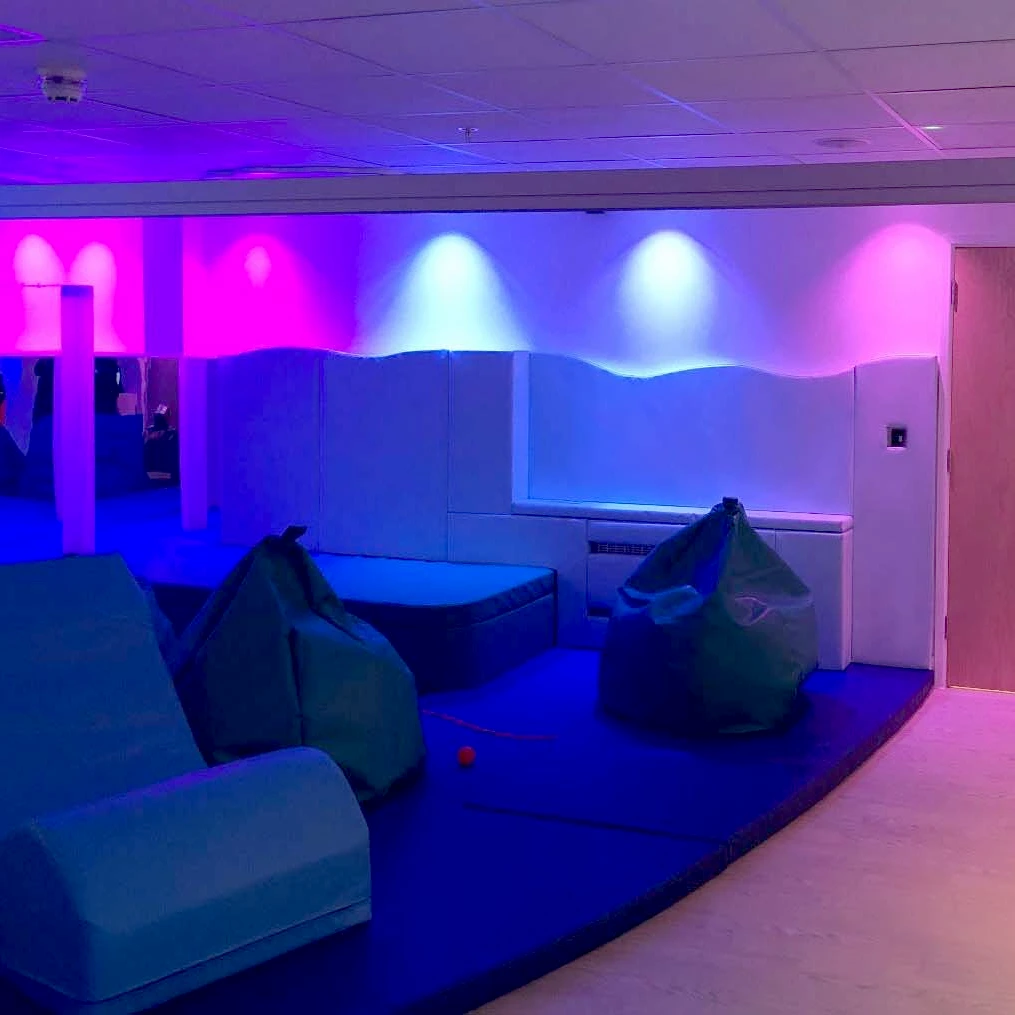
Effective sensory room design considers more than the equipment itself. Comfortable seating, accessible layouts, considered lighting and appropriate levels of sensory stimulation all contribute to an environment that reflects the needs of its users. For short break services, combining these elements thoughtfully can help create a versatile sensory space that supports different activities and individual preferences.
Ultimately, successful sensory rooms for short break services begin with the people who will use them. By considering individual needs, interests and sensory preferences from the outset, services can create a multi-use sensory environment that offers a varied and engaging experience.
Planning a Flexible Sensory Room for Respite Care
Creating a multi-use sensory room for short break services starts with understanding how the space will be used and who it needs to accommodate. From the layout of the room to the choice of sensory equipment, every design decision should reflect the needs of the service and the individuals who access it.
Rather than starting with a list of products, consider the following factors when planning a sensory room for respite care.
- Start With the People Who Will Use the Space
Effective sensory room design begins with the people it is intended to support. Individuals accessing short break services may have different sensory preferences, mobility requirements, communication styles and levels of support.
Consider what users enjoy, which environments they feel comfortable in and what activities they would like to access. Involving individuals, families and care staff in the planning process can help identify these preferences and ensure the finished sensory environment offers relevant, accessible experiences.
It’s also important to consider how the space will be supervised and whether equipment needs to accommodate different levels of physical interaction or independent use.
- Consider the Activities the Sensory Room Needs to Support
One of the main advantages of a multi-use sensory room is the opportunity to accommodate different activities within the same environment. Before selecting equipment, think about how the room will be used throughout the day.
For example, will it need to provide a quieter space for relaxation, opportunities for sensory exploration, or a more interactive environment for supported activities? Identifying these priorities can help guide the choice of lighting, visual features, tactile equipment and interactive controls.
Where possible, select complementary sensory equipment that offers variety without making the room feel overcrowded or overwhelming. Adjustable lighting and supervisor-controlled settings can also help staff adapt the atmosphere to suit different users and activities.
- Make the Most of Your Available Space
The size and layout of a room will influence which sensory room ideas are practical. However, a smaller space can still accommodate a variety of sensory experiences when the design is carefully considered.
Think about access routes, available floor space, seating, storage and the positioning of equipment. Wall-mounted features, for example, may help preserve floor space, while carefully positioned lighting and visual equipment can introduce different sensory experiences without requiring additional furniture.
For larger rooms, it may be useful to create distinct areas for quieter activities and more active sensory exploration. In smaller rooms, a carefully selected combination of equipment may offer greater flexibility than trying to incorporate too many separate features.
Ultimately, the aim is to create a functional, accessible sensory environment where every element has a purpose and the space can adapt to the needs of the people using it.
Choosing Sensory Equipment for Different Activities
Choosing the right sensory equipment is an important part of creating multi-use sensory rooms for short break services. The most effective approach is to consider how each feature will be used, the experiences it can offer and how it will work alongside the other elements in the room.
By combining complementary sensory equipment, services can create an environment that supports quieter moments, active exploration and interactive activities without needing separate spaces for each purpose.
Calming Sensory Lighting and Visual Features
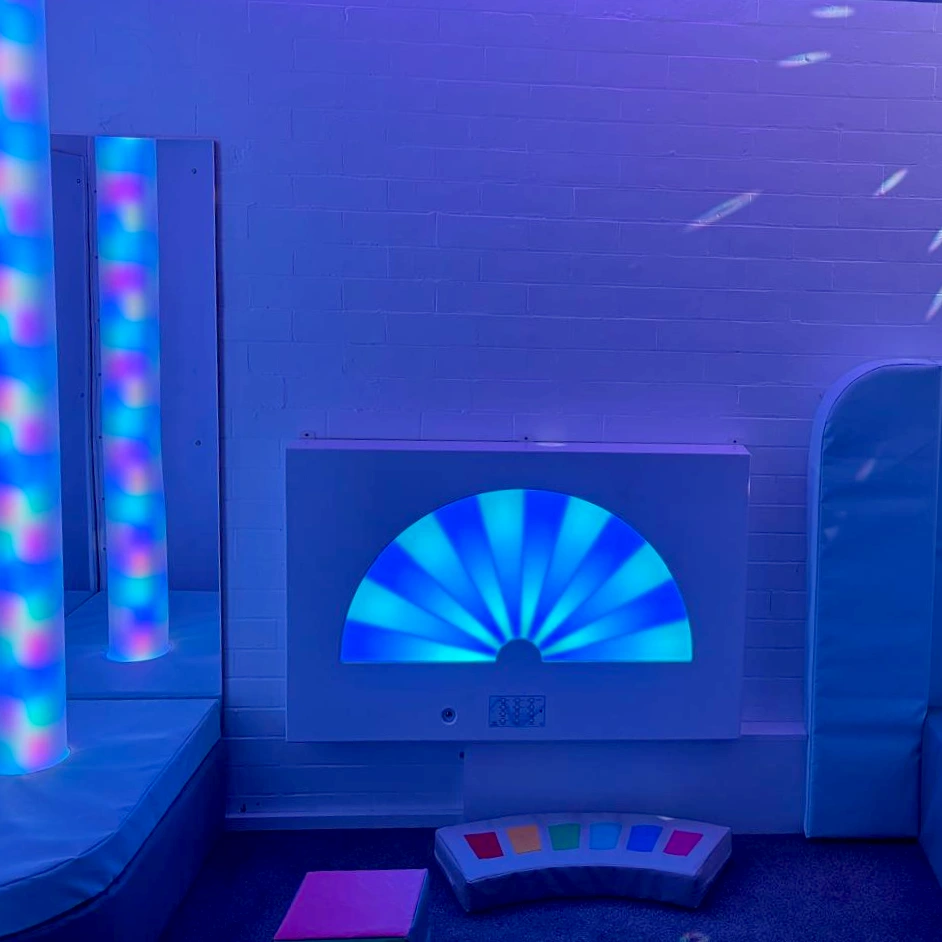
Sensory lighting can play an important role in shaping the atmosphere of a room. Colour-changing mood lighting, fibre-optic lighting and bubble tubes introduce visual interest while allowing staff to create different sensory experiences to suit the session.
For example, gentle lighting and slowly changing colours may be appropriate when a quieter atmosphere is preferred, while brighter colours and more dynamic visual effects can introduce variety during other activities.
When selecting sensory lighting for respite care settings, consider how easily the features can be adjusted and whether staff can control brightness, colours and sequences. This helps make the environment more adaptable to individual sensory preferences.
Interactive Sensory Equipment for Engagement
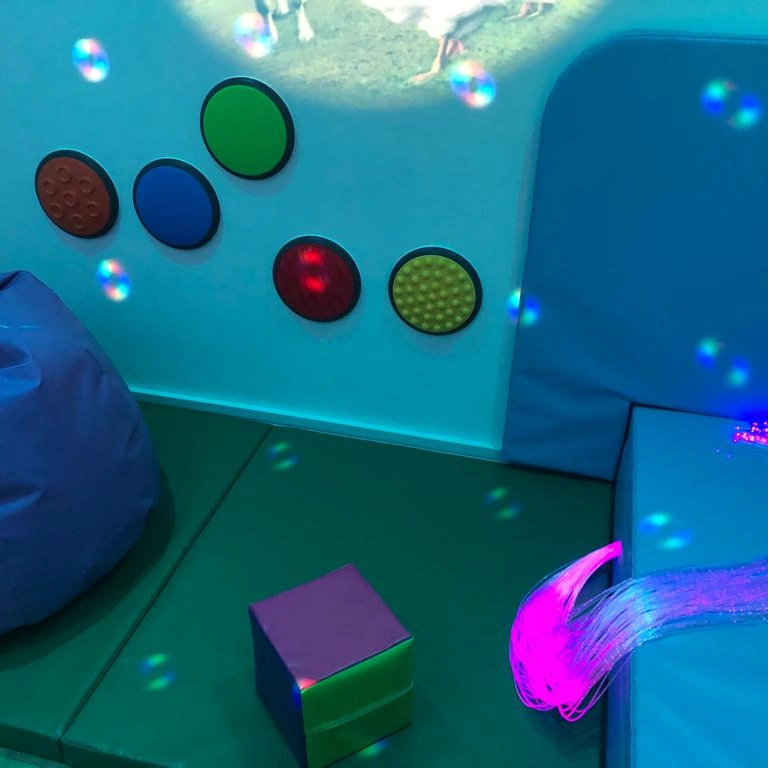
Interactive sensory equipment offers additional ways for individuals to explore and respond to their surroundings. Options such as interactive projections, tactile panels and switch-operated equipment can introduce movement, sound, colour and cause-and-effect experiences.
For multi-use sensory rooms, consider equipment that offers different modes or levels of interaction. An interactive projection system, for instance, may provide a choice of visual themes, while accessible switches can allow users to activate selected sensory features themselves or with support from staff.
The aim is to provide opportunities for engagement and participation while ensuring the equipment is appropriate for the people using the space.
Comfortable and Accessible Sensory Room Features
Interactive sensory equipment offers additional ways for individuals to explore and respond to their surroundings. Options such as interactive projections, tactile panels and switch-operated equipment can introduce movement, sound, colour and cause-and-effect experiences.
For multi-use sensory rooms, consider equipment that offers different modes or levels of interaction. An interactive projection system, for instance, may provide a choice of visual themes, while accessible switches can allow users to activate selected sensory features themselves or with support from staff.
The aim is to provide opportunities for engagement and participation while ensuring the equipment is appropriate for the people using the space.
Bringing Different Sensory Features Together
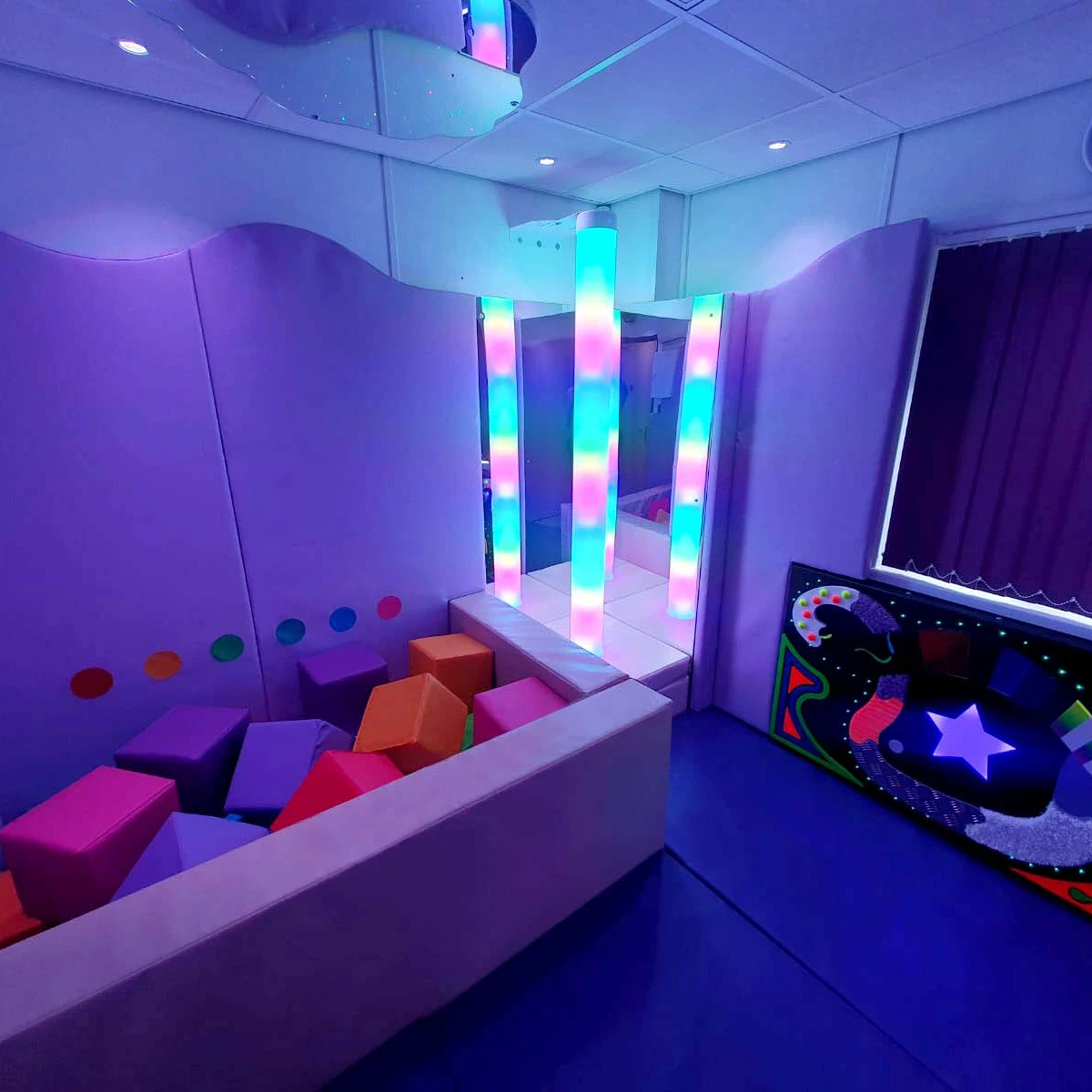
The key to a successful multi-use sensory room is choosing equipment that works together rather than treating every feature as a separate attraction.
Consider how lighting, visual effects, sound and tactile elements will interact. Providing straightforward controls and the ability to adjust individual features can help staff create different experiences without activating everything at once.
At Sensory Technology, we design bespoke sensory environments around the needs of each setting, helping organisations select equipment that complements their space, intended activities and users. A considered combination of sensory features can provide variety while keeping the room practical, accessible and easy to adapt.
Creating a Sensory Space That Works for Your Service
Creating multi-use sensory rooms for short break services is about more than choosing the right equipment. It involves understanding the people who will use the room, considering the activities it needs to support and bringing together features that offer flexibility without compromising accessibility or comfort.
With thoughtful sensory room design, even a limited space can provide opportunities for relaxation, sensory exploration and interaction, tailored to the needs of the individuals using it.
At Sensory Technology, we design bespoke sensory environments around your setting, your requirements and your available space. From initial consultation and equipment selection through to installation, training and aftercare, our team can support you throughout the process.
Looking to create a multi-use sensory room for your short break service? Contact our team to discuss your project and explore the possibilities for your setting.
FAQs
What are short break services for people with additional support needs?
Short break services provide temporary care, support and activities for individuals with additional support needs, while giving families and carers time to rest or manage other commitments. Depending on the service, short breaks may take place in residential respite settings, day centres, specialist activity centres, community facilities or the individual’s own home.
Who can access short break services?
Short break services may support individuals with learning disabilities, physical disabilities, autism and other additional support needs. The type of provision available varies depending on local services, eligibility criteria and individual circumstances. Support is generally planned around the person’s needs, preferences and level of assistance required.
How can sensory rooms benefit short break services?
Sensory rooms can provide short break services with a dedicated environment for sensory exploration, relaxation and interactive activities. Features such as adjustable lighting, bubble tubes, tactile equipment and interactive projections offer different ways for individuals to engage with their surroundings. The environment can be adapted to suit individual sensory preferences and the purpose of each session.
What should a sensory room in a respite care setting include?
A sensory room for respite care should reflect the needs of the people using the service and the activities it needs to accommodate. Depending on individual requirements, features might include sensory lighting, interactive equipment, comfortable seating and accessible controls. Careful consideration should also be given to room layout, supervision, safety and how staff will adapt the environment for different users.
Can sensory spaces be used in residential respite care and day services?
Yes. Sensory spaces can be incorporated into a range of short break settings, including residential respite facilities, day services and specialist activity centres. The design and equipment will depend on the available space, the needs of the individuals accessing the service and how the environment will be used. A bespoke approach can help ensure the sensory space is suited to the setting’s particular requirements.