October is Sensory Awareness Month, an opportunity to build understanding of sensory processing, sensory integration and sensory processing disorder (SPD). It’s also a chance to consider how the spaces we create can better accommodate people’s individual sensory needs.
From the brightness of a light to background noise, textures and room layout, our surroundings can influence how comfortable we feel. An experience that one person enjoys may feel overwhelming to another, which makes listening to the people who use a space an essential part of its design.
At Sensory Technology, we believe thoughtful sensory design starts with understanding people. This Sensory Awareness Month, we’re exploring how that understanding can guide practical choices about lighting, sound, layout, equipment and controls to create welcoming, adaptable sensory environments.
What Is Sensory Awareness Month?
Held every October, Sensory Awareness Month encourages greater understanding of sensory processing differences and how they can affect everyday life. It’s an opportunity to explore our individual sensory preferences and recognise that others may experience the same surroundings differently.
For schools, care settings, families and community organisations, the month offers a chance to learn, listen and consider how to make environments more inclusive. A useful starting point is to ask people about their experiences. Which parts of a space feel comfortable? Are there sounds, lights or textures they find difficult? What would give them more choice over their surroundings?
This October, take time to review the spaces people use. Whether you’re adjusting lighting, reducing background noise or planning a new sensory environment, listening to users can help turn awareness into practical improvements.
Understanding Sensory Processing Differences
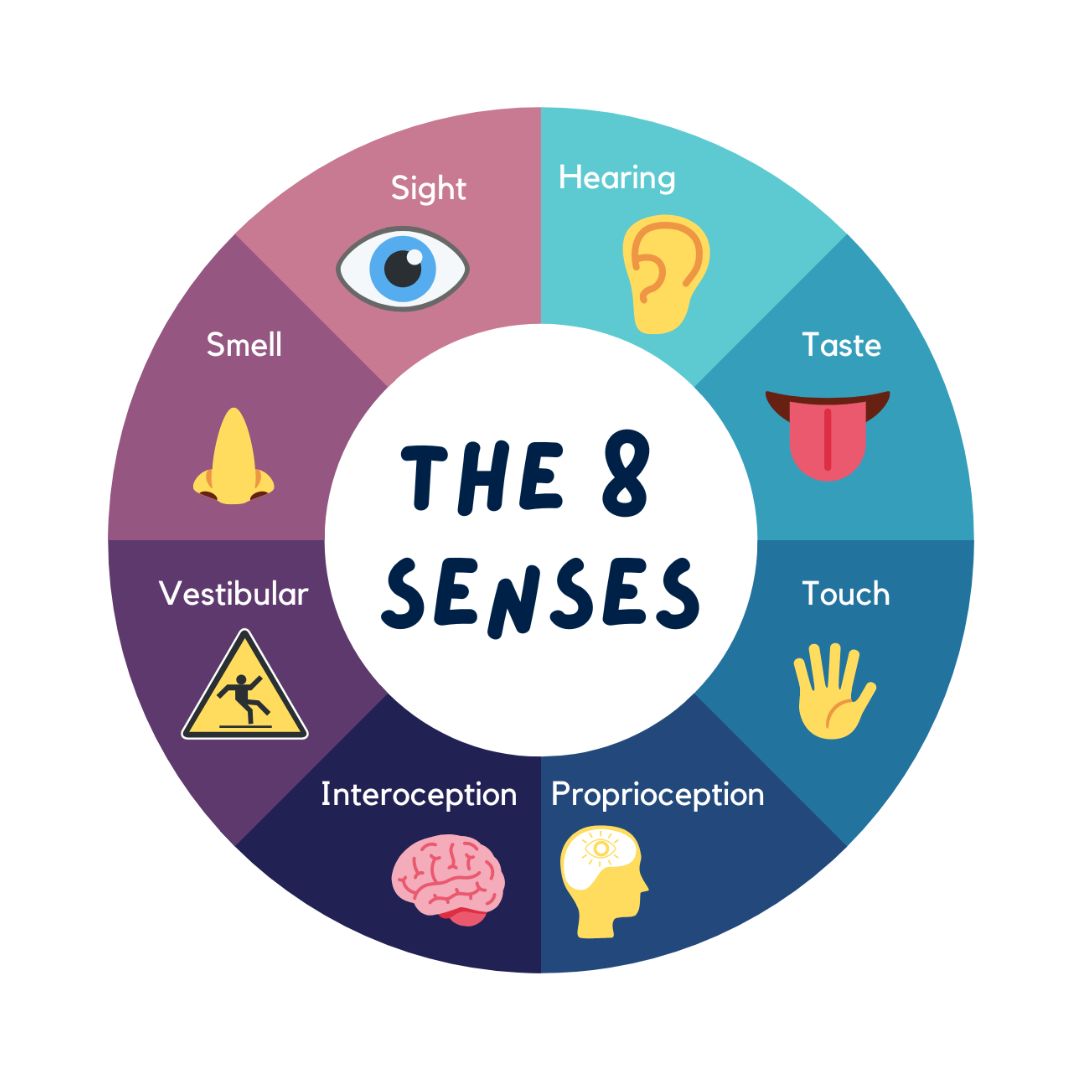
Sensory processing describes how we receive, organise and respond to information from our senses. This includes familiar sensations such as sound, light, touch, taste and smell, alongside our sense of balance, body position and internal signals such as hunger and thirst.
We all experience sensory input differently. Some people may find bright lighting or background noise overwhelming, while others may seek movement or enjoy particular textures. A person can also respond differently to different types of input, and their needs may change depending on the activity or how they feel that day.
For some, these differences can make everyday activities more difficult. The term sensory processing disorder (SPD) is sometimes used to describe significant difficulties with processing and responding to sensory information.
When planning a sensory environment, the starting point is the individual. A diagnosis alone cannot tell us which lighting, sounds or equipment someone will prefer. This Sensory Awareness Month, taking time to understand those individual responses can help us make more informed choices about the spaces we create.
Why One Sensory Room Doesn’t Suit Everyone
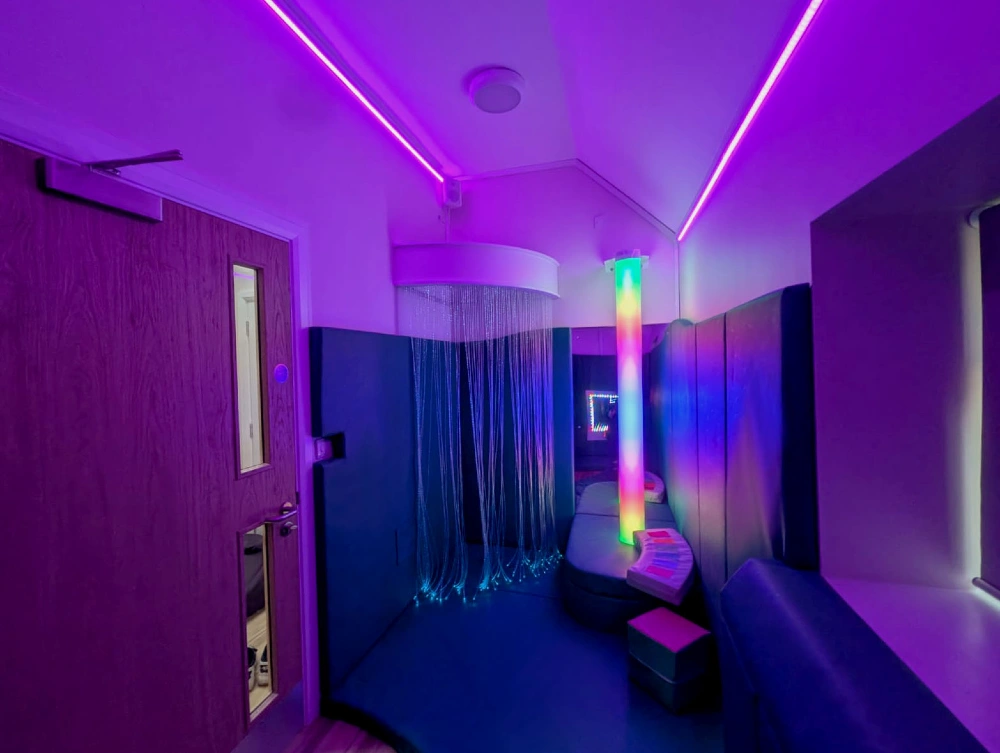
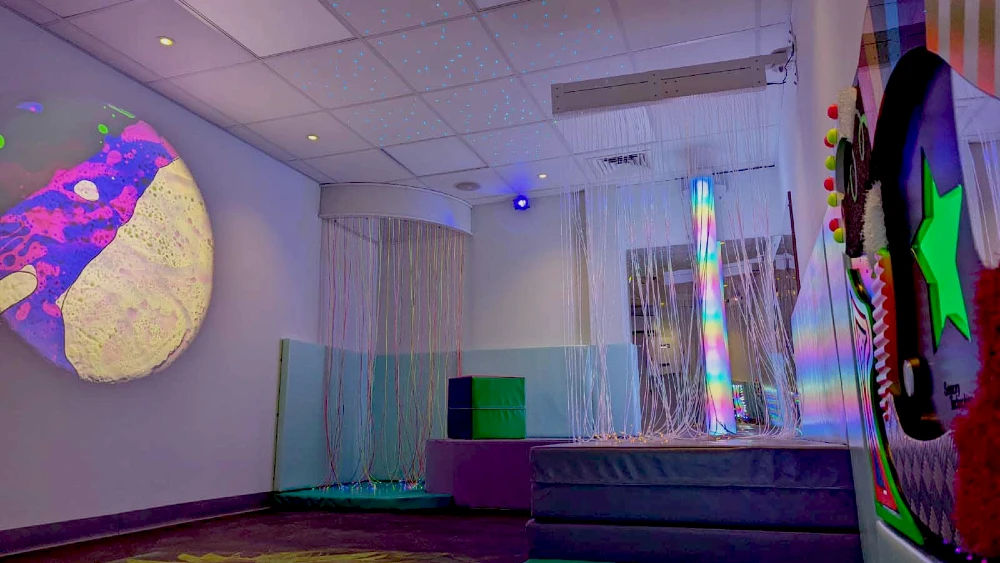
People bring different sensory needs, preferences and experiences into a room. One person may benefit from colourful lighting and interactive sounds, while another may prefer a quieter space with fewer visual distractions. Even the same person may want different experiences at different times.
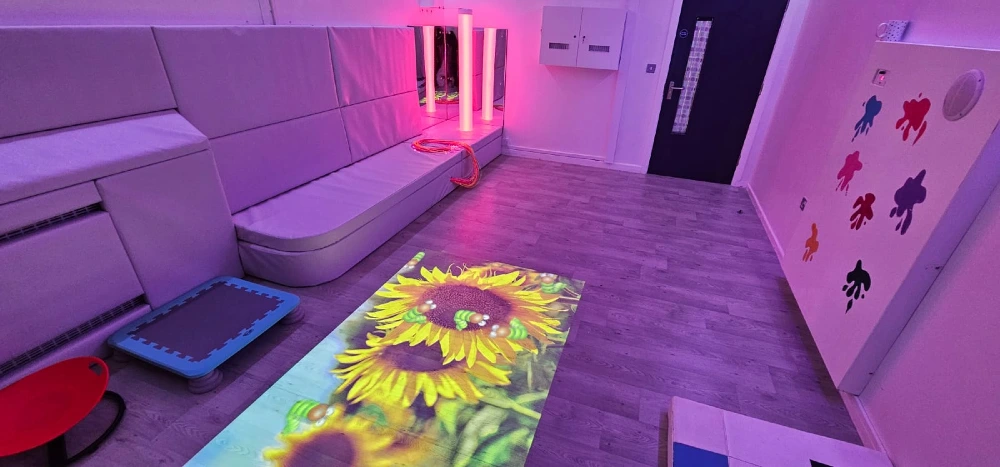
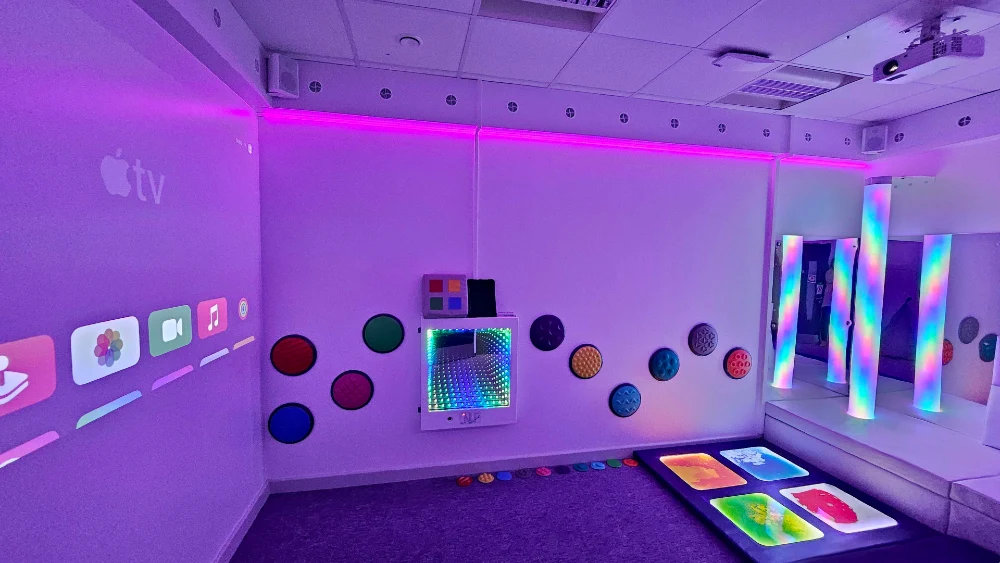
This makes choice and flexibility important considerations in sensory room design. Adjustable lighting, sound controls and equipment that can be used individually allow the experience to be adapted. A versatile layout can also provide space for different activities, with opportunities to pause or step away.
At Sensory Technology, understanding who will use a space and how they want to use it, helps guide these decisions. Rather than assuming a particular feature will appeal to everyone, it’s useful to consider what users can choose, adjust or switch off.
This Sensory Awareness Month, ask whether your sensory space offers that flexibility. Giving people more control over their surroundings can help create an experience that respects their individual needs.
Designing Bespoke Sensory Spaces Around the People Who Use Them
Sensory Awareness Month is a useful reminder that individual needs should guide the environments we create. A bespoke sensory design brings those needs together with the practical considerations of your space, intended activities and budget. At Sensory Technology, understanding these requirements is the starting point for planning your sensory environment.
- Start by Listening to Users and Those Who Support Them
Involve users wherever possible, alongside families, carers, staff and relevant professionals. Ask what they enjoy, what they find uncomfortable and how they communicate their preferences.
Consider what they would like to do in the space, whether that’s spending time quietly, exploring or interacting with others. These insights help us develop a design brief that reflects the people who will use the environment.
- Ensure Sensory Equipment is Adjustable and Flexible
Consider both sensory equipment and the room’s everyday conditions. Daylight, overhead lighting and noise from adjoining spaces all contribute to someone’s experience.
Adjustable brightness, separate sound controls and features that can be switched off individually offer greater flexibility. Incorporating these options into a bespoke design allows users and staff to adapt the environment for different preferences and activities.
- Plan Layout Around Access, Movement and Choice
The layout should reflect how people will enter, move through and use the room. Clear routes, access for mobility equipment and space for a supporting adult are important considerations from the outset.
A bespoke approach helps make the available space work for your users. Depending on the room and its purpose, this might include areas for interaction, movement or quieter exploration, with opportunities to pause or step away.
- Choose Equipment for Its Purpose
Start with what people want to do in the space. Equipment for quiet exploration may differ from equipment intended for interactive play or professionally guided activities.
As manufacturers, designers and installers, we use this understanding to guide equipment recommendations within your design. Each item should have a clear purpose, taking account of users’ interests, access needs and your budget. Where therapeutic activities are planned, involve the relevant professional in equipment selection.
- Give Users Meaningful Control
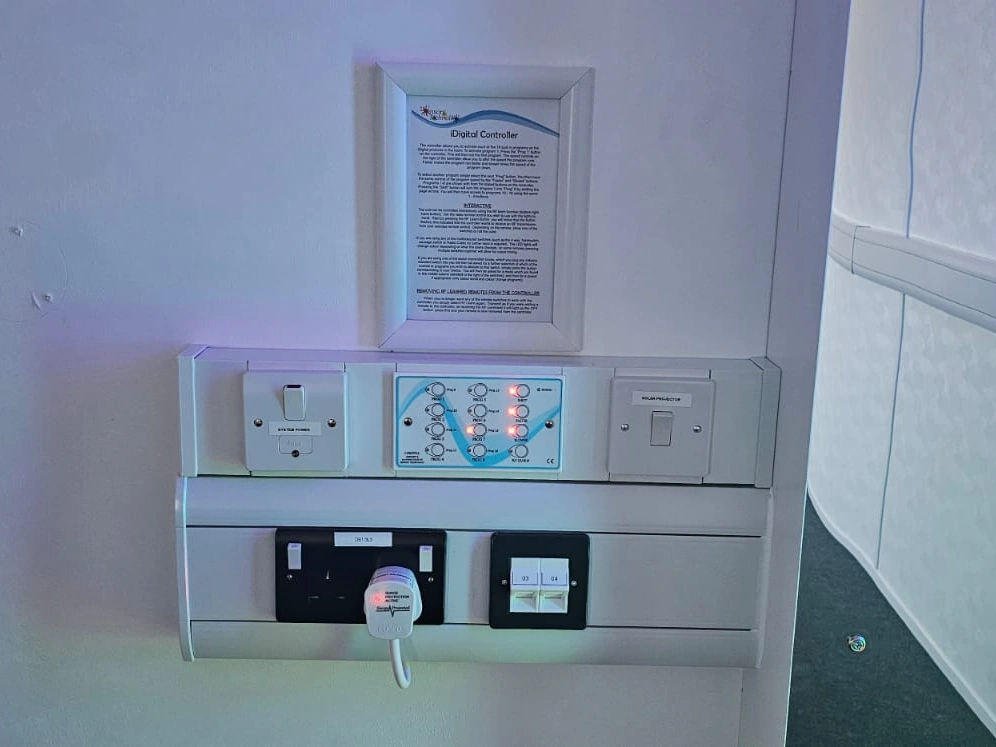
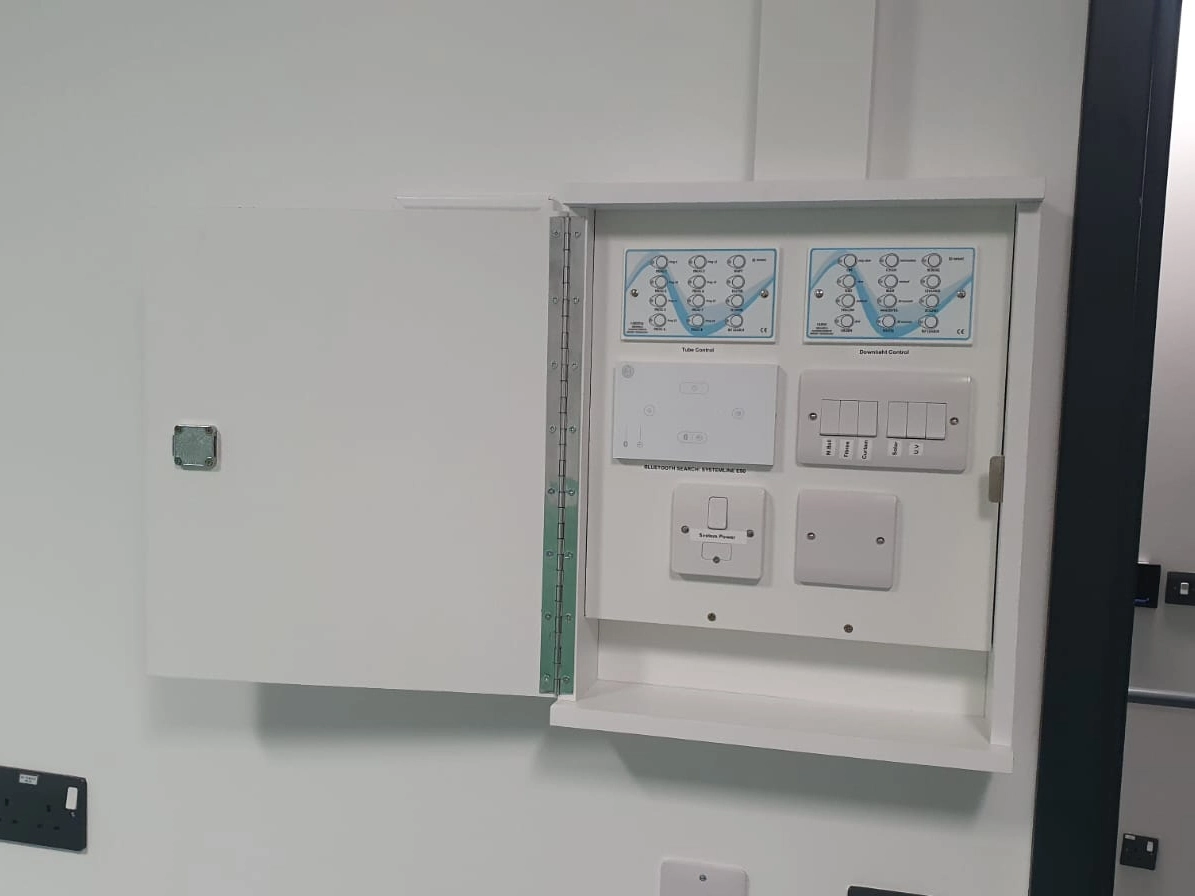
Choice becomes more useful when people can act on it. Accessible switches and straightforward controls can enable users to activate a feature, change an effect or end an experience.
Consider different ways of interacting and communicating preferences. Staff also need to feel confident adjusting the environment, which is why operational training forms part of our installation service.
This October, take time to consider how these design choices could better accommodate your users. Whether you’re reviewing an existing room or planning a new sensory environment, their experiences can help shape a space that works for them.
Putting Sensory Awareness Into Practice This October
Sensory Awareness Month is an opportunity to turn greater understanding into practical action. Whether you already have a sensory room or are considering a new environment, start by reviewing how well your space meets the needs of the people using it.
You don’t need to make every change at once. Use these questions to identify a useful starting point:
- Listen to users: What do they enjoy about the space, and what would they like to change? Include feedback from families, carers and staff where appropriate.
- Review the surroundings: Are lighting, background noise or the layout making the space difficult for anyone to use?
- Check flexibility: Can individual features be adjusted or switched off to accommodate different preferences?
- Consider access: Can users reach equipment and controls, move comfortably through the room and communicate when they want to stop?
- Support staff: Does your team feel confident operating the equipment and adapting the experience?
Choose one achievable improvement, then gather feedback to understand whether it has helped. Taking this approach throughout October can establish a habit of listening and reviewing that continues beyond Sensory Awareness Month.
Bringing Bespoke Sensory Design to Life
Sensory Awareness Month highlights the importance of understanding individual experiences. In practice, that understanding helps shape sensory environments around the people who use them, the activities they enjoy and the space available.
At Sensory Technology, our projects begin with these considerations. Working with each organisation, we develop bespoke designs that bring together their users’ needs, practical requirements and budget.
Making the Most of Available Space
A smaller room or an area within an existing setting requires careful planning. Equipment positioning, access and controls all need consideration to create a space that feels comfortable and is practical to use.
Creating Opportunities for Different Sensory Experiences
Some environments need to accommodate both quieter activities and more active exploration. The design should consider how layout, equipment and adjustable features can offer those choices.
Helping Staff Use the Environment Confidently
The finished installation is only part of the process. Operational training helps staff understand the equipment and how to adjust its features for different users and sessions.
Take the Next Step This Sensory Awareness Month
This October, take the opportunity to consider how your sensory provision reflects the needs of the people using it. Listening to their experiences can help identify what’s working well and where a different approach could make a difference.
If Sensory Awareness Month has prompted you to review your sensory provision, speak to Sensory Technology about designing a space around the people who will use it. Our free bespoke design service brings together your users’ needs, available space and budget to help you explore the possibilities.