Over recent years, calming sensory rooms for adults in supported living services in the UK have become an essential resource. Designed to reduce stress, support emotional regulation and create a safe retreat from overstimulation, these spaces are particularly valuable for adults with complex needs such as autism, learning disabilities, dementia and mental health conditions.
In adult social care, calming sensory rooms are now widely recognised as an effective tool for improving wellbeing, reducing distress and supporting person-centred care.
What is a Calming Sensory Room For Adults?
A calming sensory room for adults is a specially designed therapeutic space that helps individuals regulate sensory input and achieve a relaxed emotional state.
Unlike stimulating multisensory environments, calming sensory rooms focus on reducing overload and promoting tranquillity amongst adults, especially those with complex needs and disabilities.
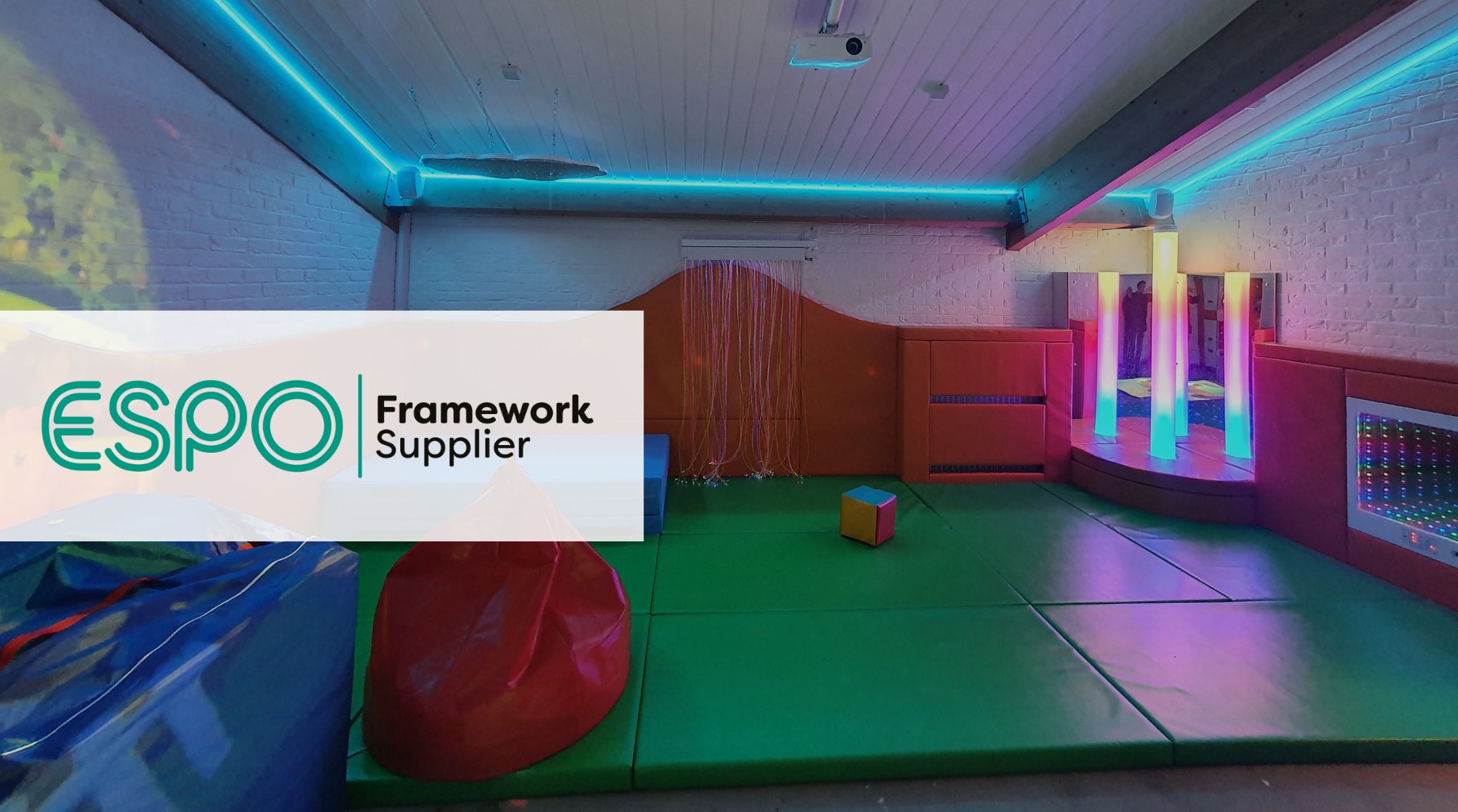
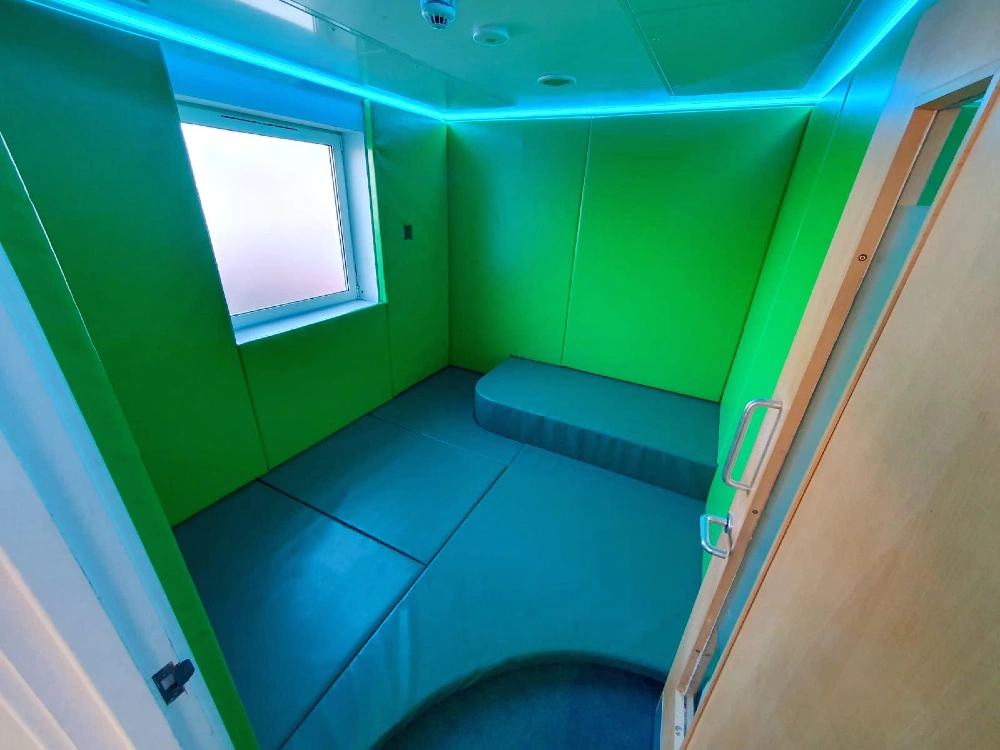
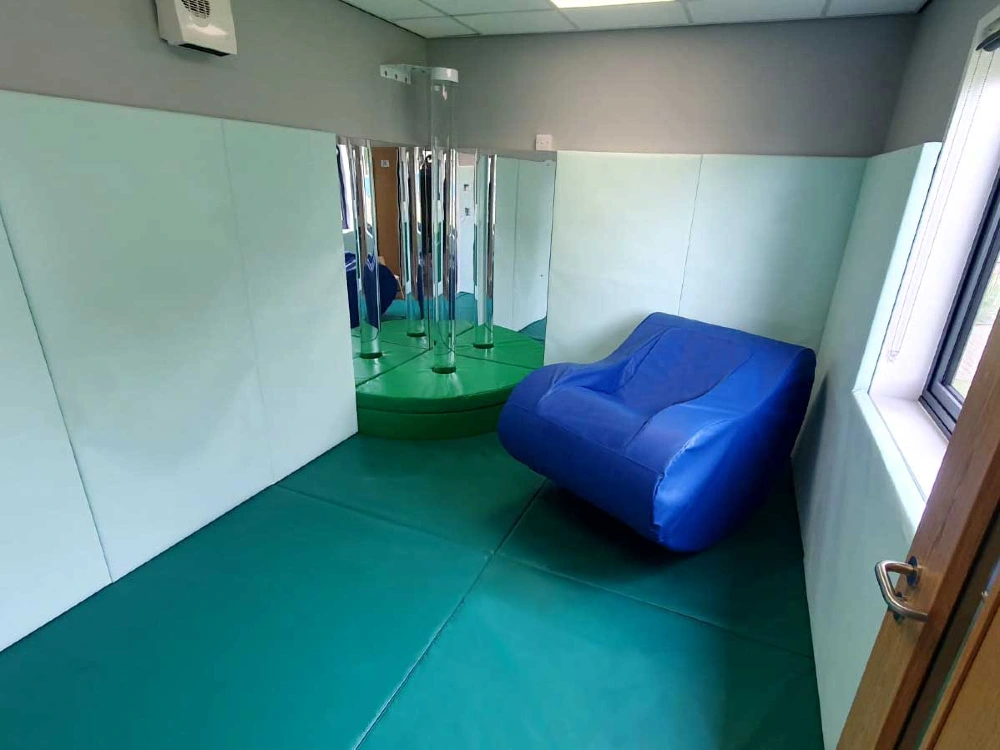
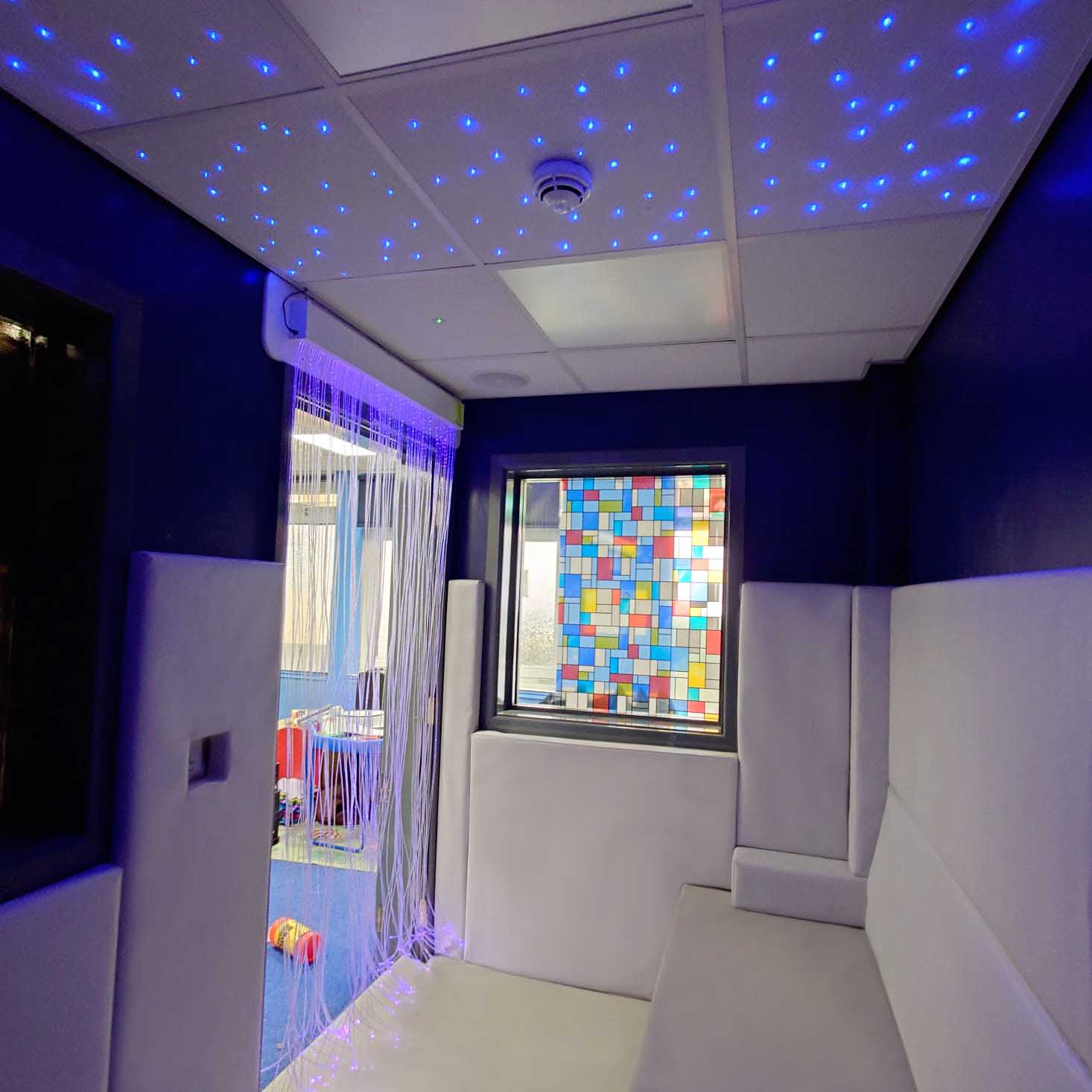
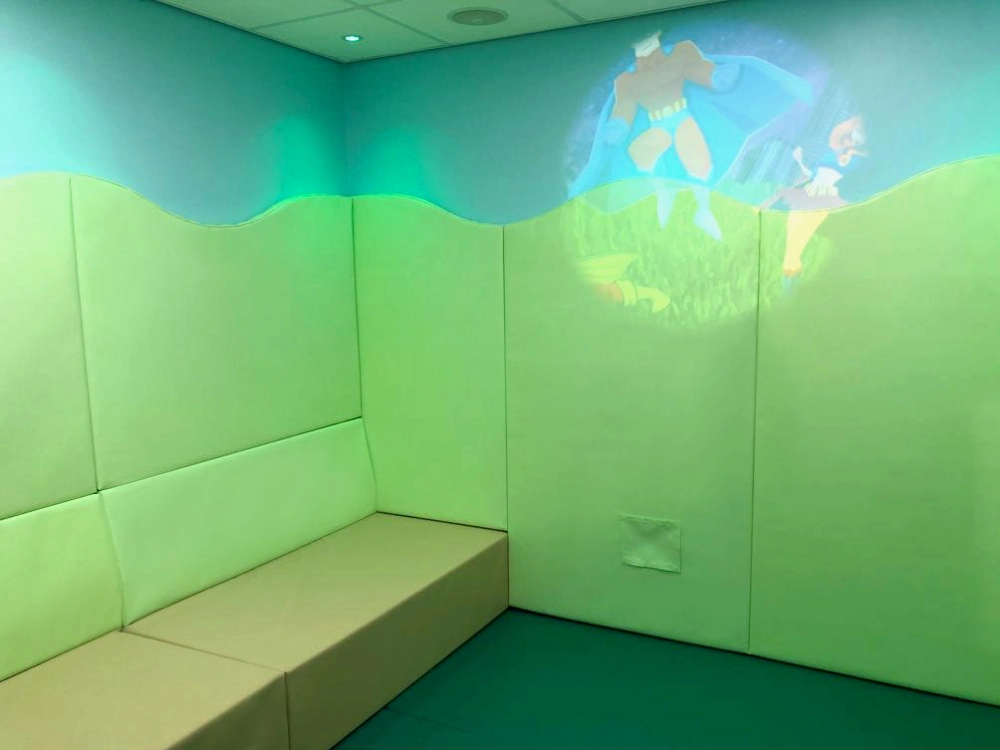
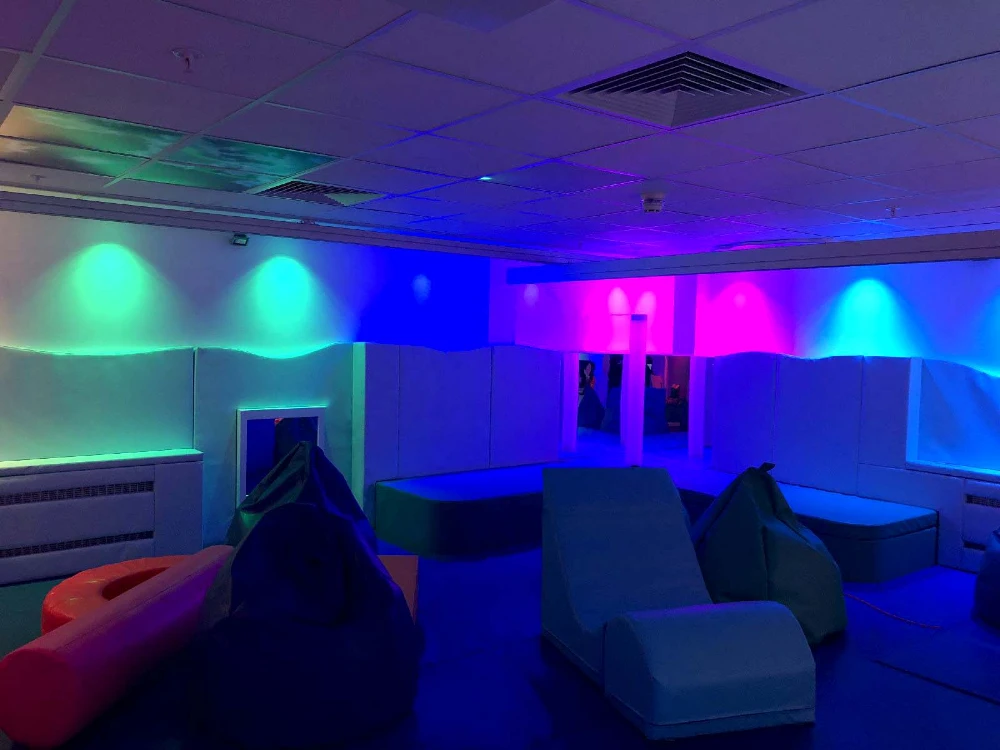
Typical features in our calming sensory rooms include:
- Soft, adjustable mood lighting
- Full or partial protective padding (floors, walls, radiator, etc.)
- Calming visual features such as bubble tubes or borealis tubes
- Fibre optic sensory features for visual and tactile input
- Soft-furnished seating and weighted comfort furniture
- Calming soundscapes or low-volume audio
In supported living settings, these rooms create a predictable, safe and non-overwhelming environment.
Why Calming Sensory Rooms Matter in Supported Living
Adults in supported living environments often experience sensory processing differences that affect how they respond to everyday surroundings. Communal living can involve constant sensory input including noise from shared spaces, background television, lighting changes, movement from staff and residents and general activity throughout the day. While this is normal in shared accommodation, it can become overwhelming for individuals with heightened sensory sensitivity.
When sensory input exceeds an individual’s ability to process it, sensory overload can occur. This may result in:
- Heightened anxiety or agitation
- Withdrawal from activities
- Emotional dysregulation
- Escalation in challenging behaviour
- Reduced independence and wellbeing
A calming sensory room for adults in supported living provides a dedicated, low-stimulation space where individuals can step away from environmental pressures and regain control. By reducing noise, light intensity and external demands, these rooms support the nervous system in returning to a regulated state.
Importantly, calming sensory rooms enable early intervention, allowing individuals to self-regulate before distress escalates. This promotes emotional stability, reduces reliance on reactive responses and supports overall wellbeing. In this way, they act as both a preventative and therapeutic tool, helping adults with complex needs feel safer, more in control and better supported within their living environment.
How Do Calming Sensory Rooms Support Modern Social Care Practice?
Across the UK, calming sensory rooms are increasingly being integrated into supported living accommodation, residential care homes, mental health housing services, learning disability support services, and autism specialist supported housing. This reflects a wider shift in adult social care towards therapeutic, preventative environments that prioritise wellbeing and independence.
Calming sensory rooms for adults in supported living sit closely alongside key approaches used across UK adult social care, including:
- Person-centred care approaches
- Trauma-informed care models
- Positive Behaviour Support (PBS) frameworks
- Neurodiversity-affirming practice
Taken together, these approaches point to a growing focus on early support and prevention, rather than reacting in moments of crisis. The aim is to create calmer, more supportive environments that help people manage stress, build coping strategies, and maintain independence and wellbeing in everyday life.
Key Benefits of Calming Sensory Rooms for Adults in Supported Living
Lorem ipsum dolor sit amet, consectetur adipiscing elit. Ut elit tellus, luctus nec ullamcorper mattis, pulvinar dapibus leo.
Emotional Regulation and De-escalation
Calming sensory rooms provide a safe environment for adults with complex to manage overwhelming emotions and reduce distress before escalation occurs.
Reduction of Sensory Overload
For adults with autism or sensory processing differences, these environments help reduce exposure to triggers such as noise, bright lighting or crowded spaces.
Improved Mental Health and Wellbeing
Regular access to a calming sensory environment can help reduce stress levels and support more balanced mood regulation. It can also improve sleep and relaxation routines, while contributing to a stronger sense of safety and stability in everyday life.
Support for Autism and Learning Disabilities
Calming sensory rooms are particularly effective for adults with autism and learning disabilities. They offer predictable, controlled sensory input and a safe space for self-regulation. This can help reduce feelings of anxiety and overwhelm, while also supporting structured calming routines that individuals can use when needed.
Support for Dementia Care
In supported living services for older adults, calming sensory rooms can help reduce confusion, agitation and distress through gentle sensory engagement.
Prevention of Crisis Situations
By providing early intervention through environmental regulation, calming sensory rooms can help reduce the likelihood of behavioural escalation.
Support for Care Teams and PBS Strategies
Calming sensory rooms support staff by offering a structured space to help with de-escalation when someone is distressed. They also fit well alongside Positive Behaviour Support (PBS) plans, making it easier for teams to apply consistent, proactive approaches. On a day-to-day level, they can help reduce workplace stress and improve consistency in how care is delivered across staff and services.
Designing an Effective Calming Sensory Room
A high-quality calming sensory room for adults in supported living should always be designed around the people who will use it, rather than following a one-size-fits-all model. The aim is to create a space that feels safe, predictable, and easy to use during moments of stress or sensory overload.
Key design considerations include:
- Level of sensory reduction required – whether the space is for full calming, gentle regulation, or short-term de-escalation
- Individual sensory profiles and triggers – understanding what each person responds well to and what may cause distress
- Accessibility requirements – including wheelchair access, mobility support, and appropriate room layout
- Flexible lighting systems – such as dimmable, colour-changing, or adjustable lighting to help create a calming atmosphere
- Sound control options – including soft background audio or noise reduction features to prevent overstimulation
- Durable, safe equipment – suitable for care environments, easy to clean, and designed for frequent use
- Protective safety features – including padded flooring, soft wall coverings, and impact-resistant furnishings to reduce risk during moments of distress
- Simple controls for users and staff – ensuring the space can be adjusted quickly and easily without confusion
Ready to Create a Calming Sensory Space?
Overall, calming sensory rooms have become an important part of supported living and adult social care in the UK. For adults with complex needs, the benefits span from a safe, structured space for to manage sensory overload and regulate emotions to improvement overall behaviour and wellbeing. For care providers, they are a valuable resource for supporting staff, enhancing care outcomes and align with modern, therapeutic approaches to care delivery.
If you’re looking to introduce or upgrade a calming sensory room in a supported living or care setting, thoughtful bespoke sensory design can make a real difference to everyday wellbeing and outcomes.