Small Space Doesn’t Mean Small Impact
One of the biggest misconceptions we hear as sensory room providers is:
“We’d love a sensory space… but we just don’t have the room.”
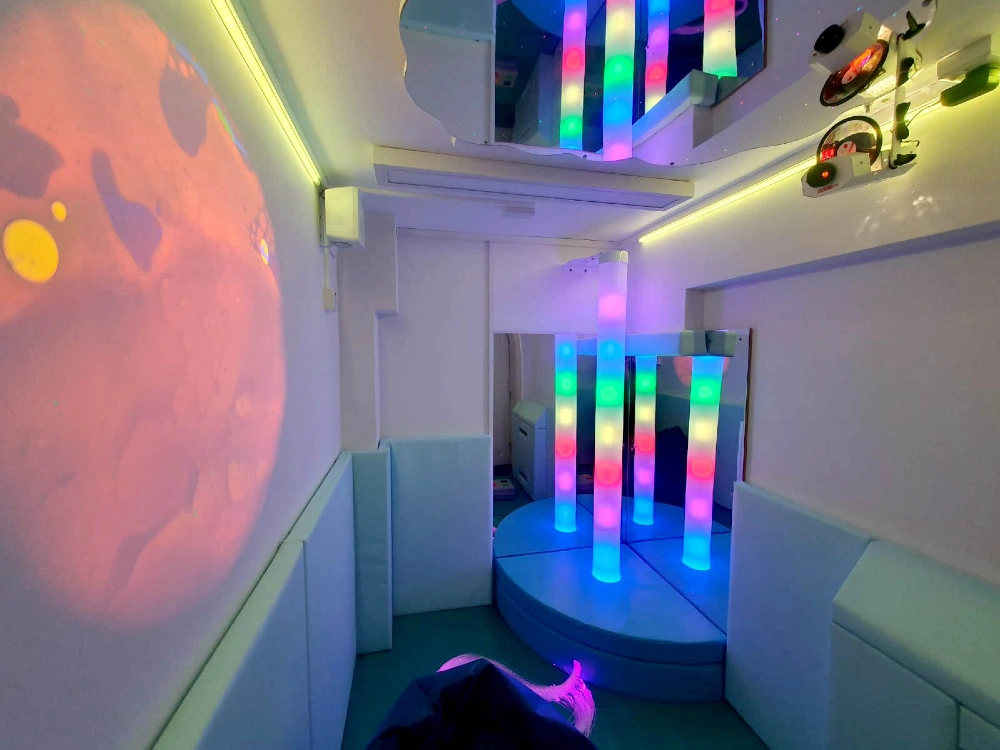
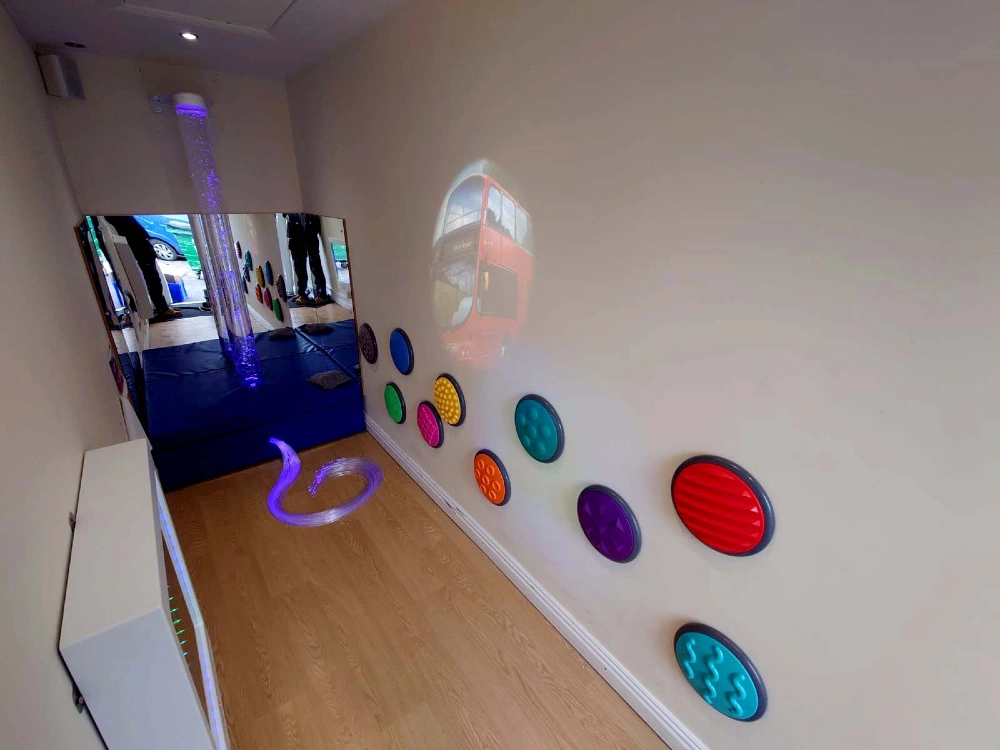
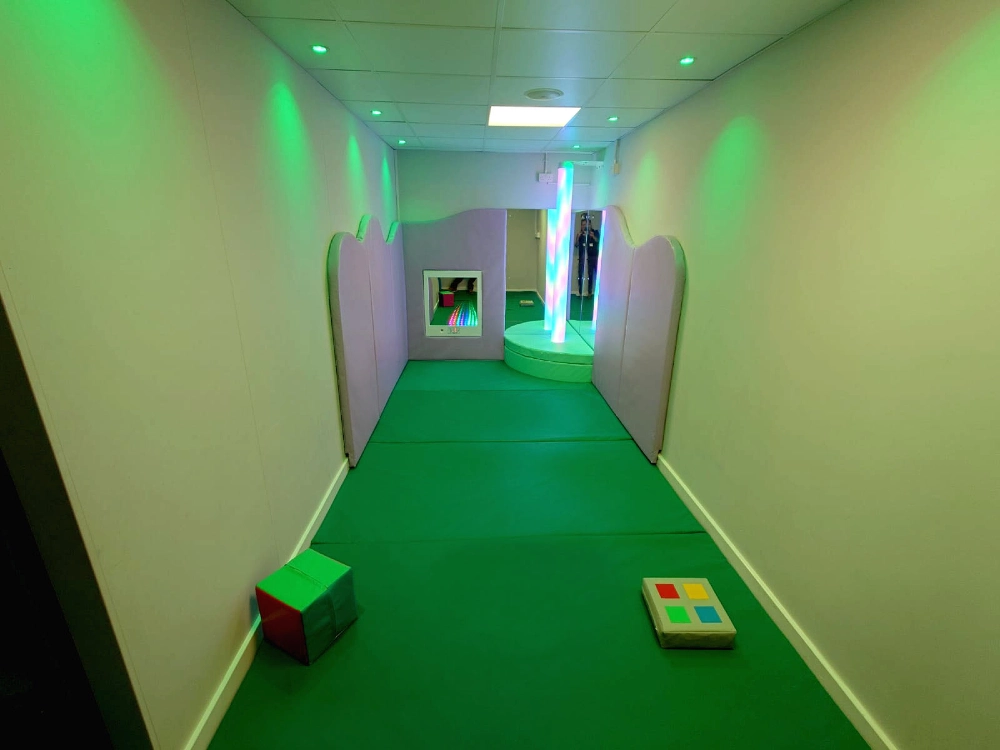
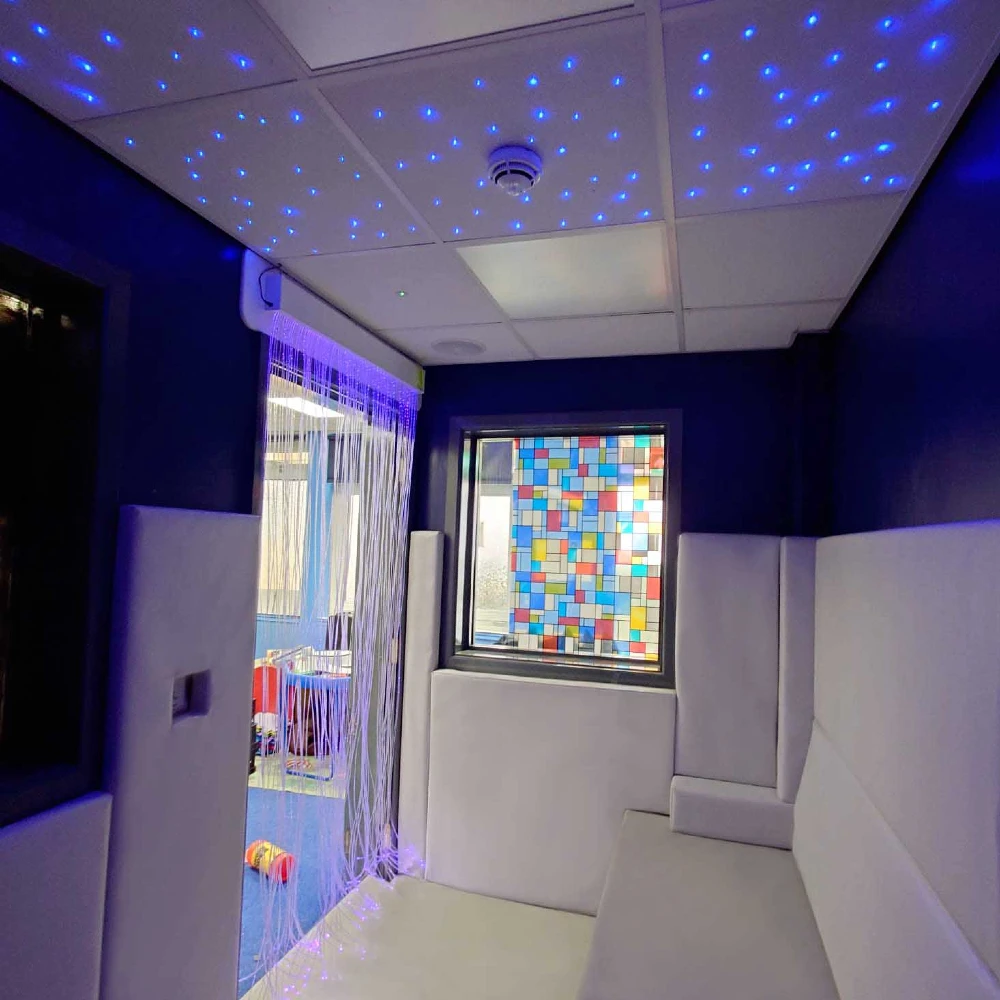
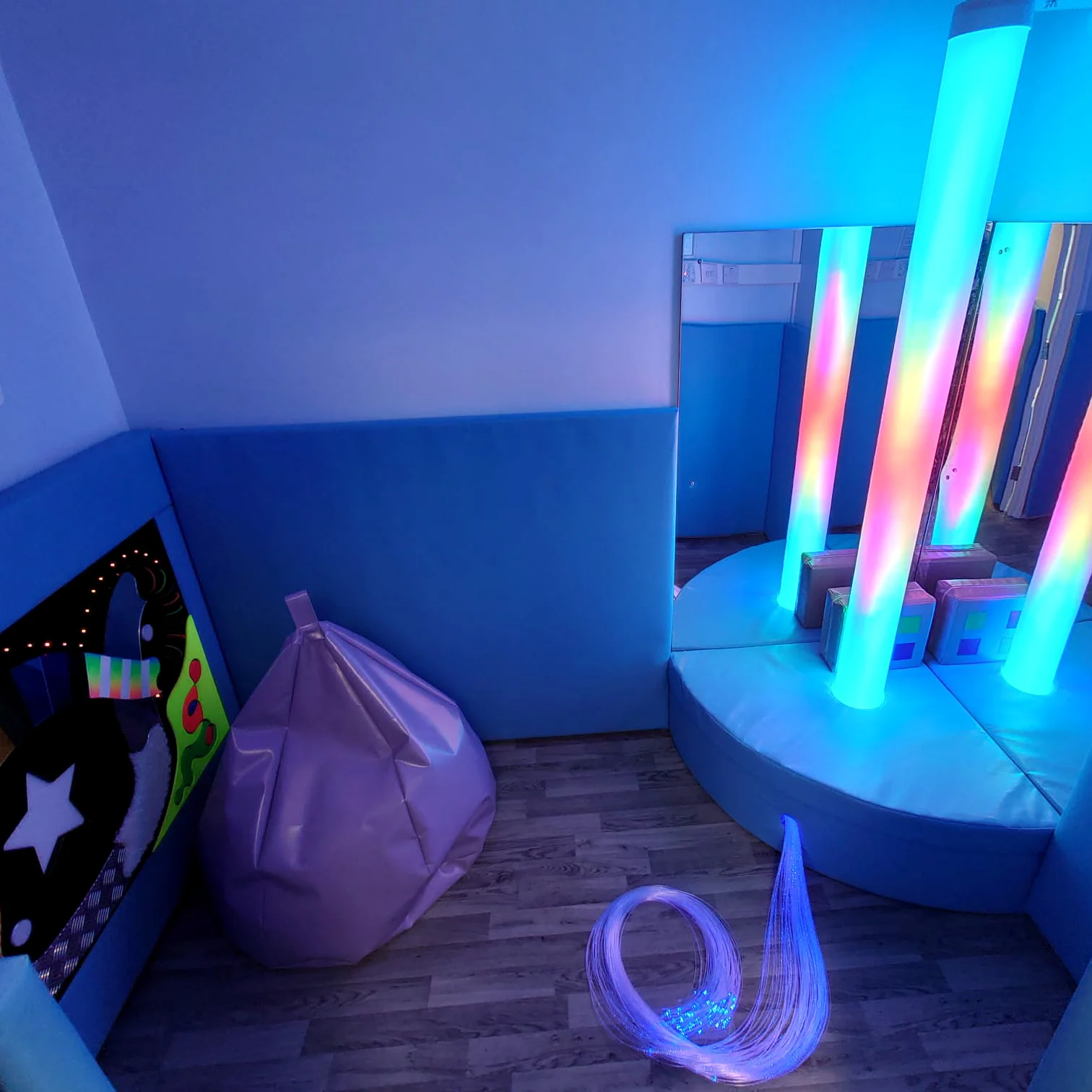
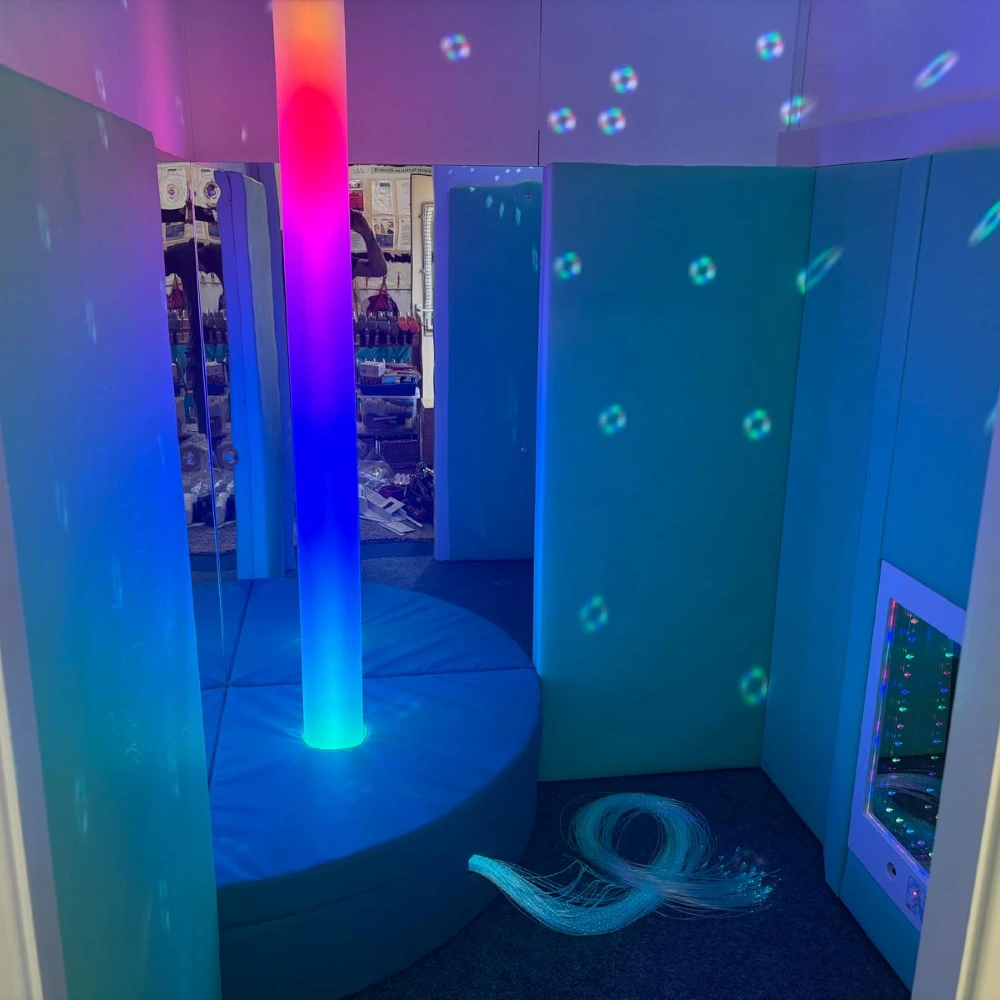
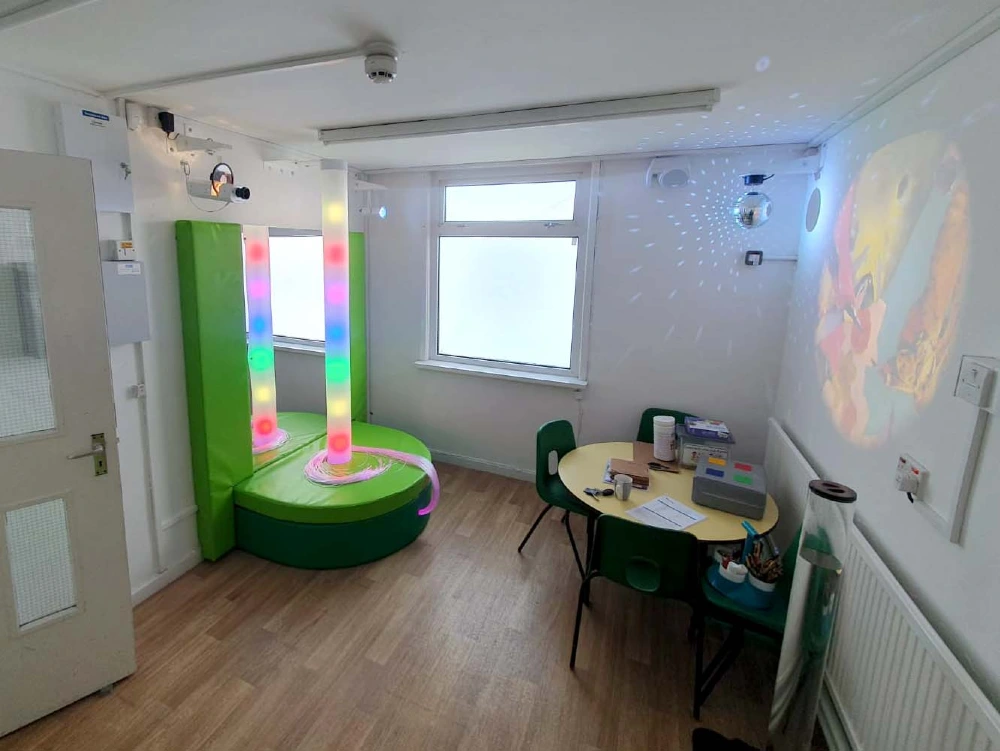
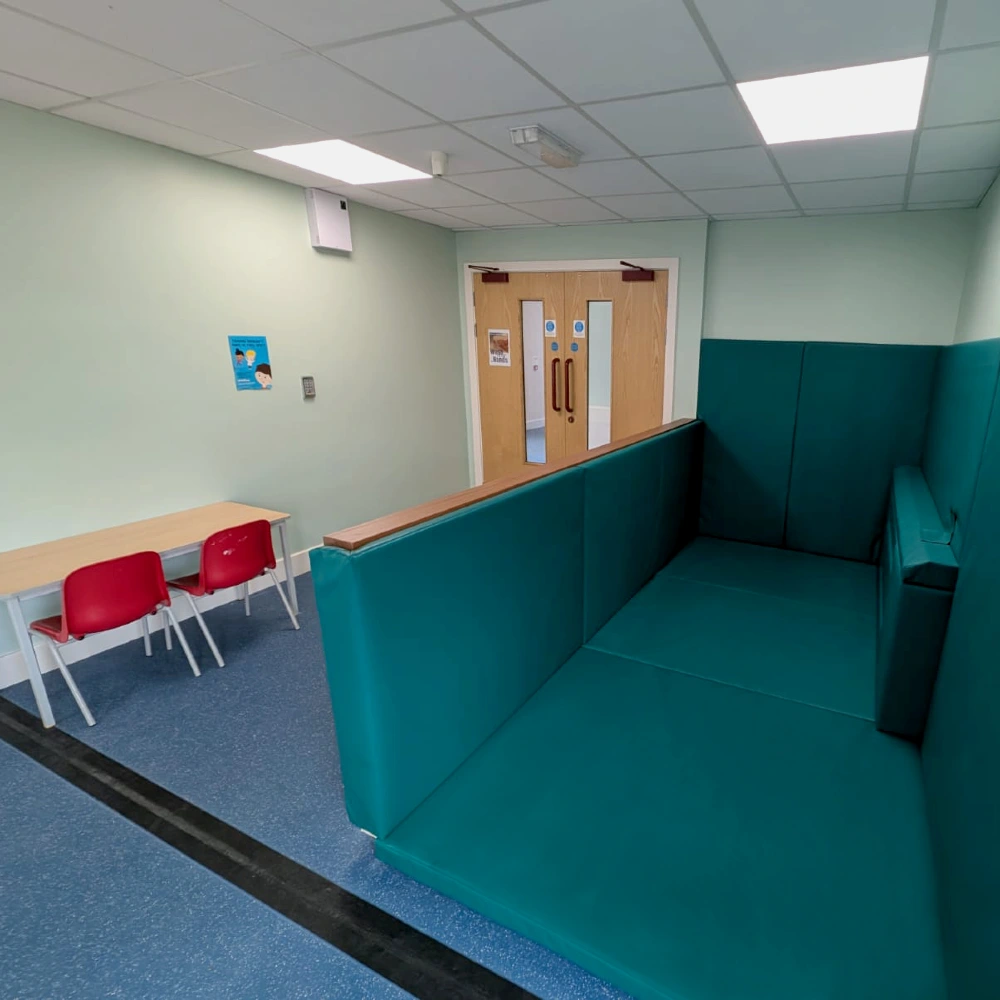
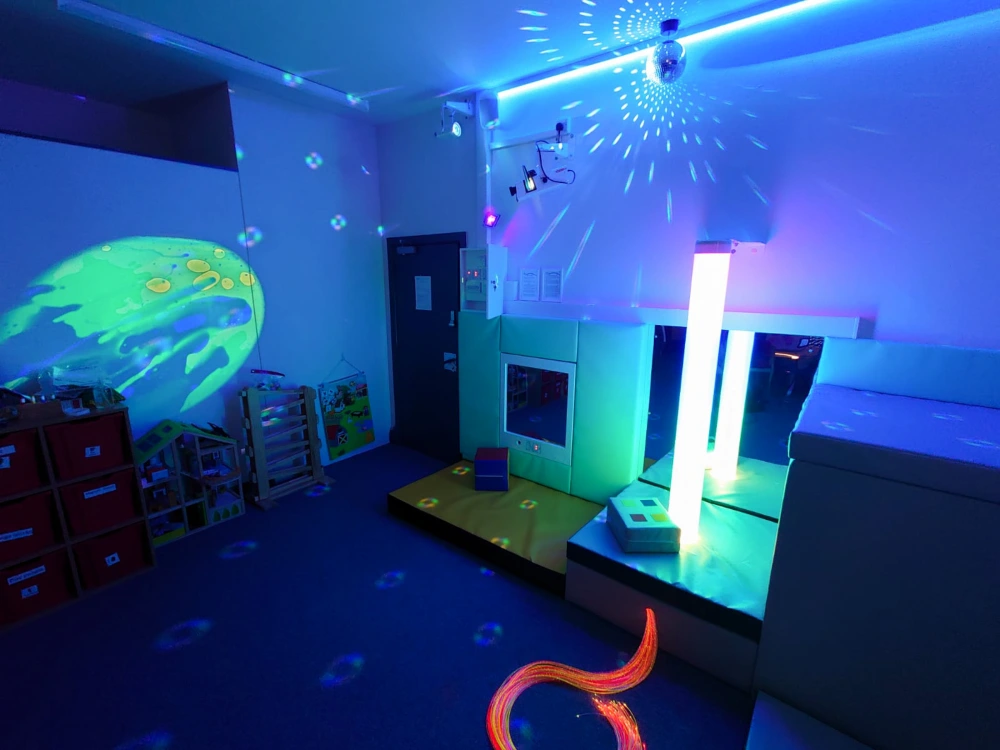
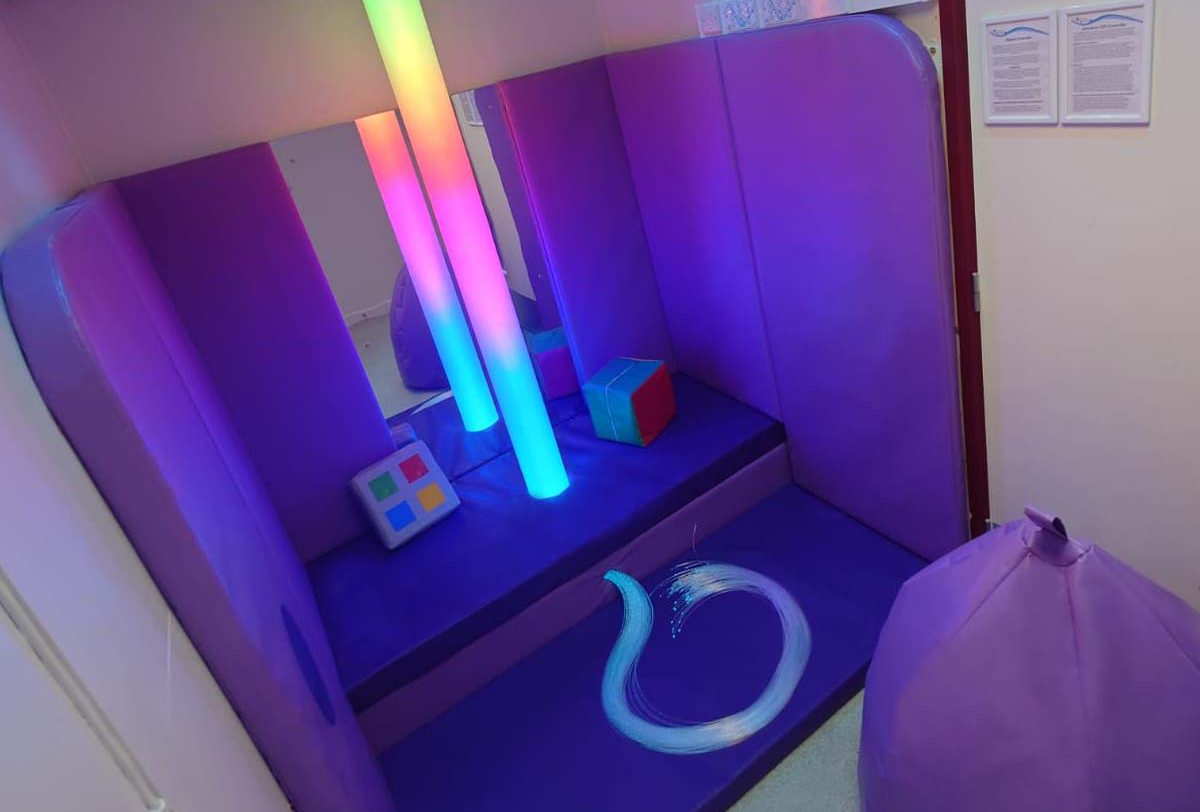
The truth? You don’t need a large, purpose-built suite to create meaningful sensory experiences. Some of the most effective school sensory rooms we’ve designed fit into corners of classrooms, spare offices, corridors or multi-use rooms.
With thoughtful planning and the right equipment, a small space can deliver just as much impact as a larger installation. It’s not about square footage, it’s about smart design.
Unlock the Potential of Your Current Space
1. Utilising Pre-existing Space
Before assuming you need to build something new, it’s worth taking a closer look at what you already have. Many schools are sitting on underused or overlooked spaces that, with a bit of rethinking, can become highly effective sensory environments.
Ask simple but important questions:
- Is there a corner of a classroom that isn’t being fully utilised?
- Are there rooms or areas that sit empty at certain times of the day?
- Could a storage space be reorganised to free up a usable room?
Often, the opportunity isn’t about finding more space, it’s about using existing space more intentionally.
With a little re-thinking, everyday areas such as cloakroom areas, library zones, hallway stretches, and classroom nooks can be reimagined as sensory-rich spaces that support regulation, engagement and calm without requiring extra rooms or major renovations.
By spreading sensory-friendly spaces throughout the setting, you create a more inclusive environment where support is always nearby, rather than confined to a single room. You don’t always need a brand-new space for your school sensory room – just a new perspective on the one you have.
2. Go Vertical, Not Horizontal
When space is limited, the most effective design shift is to stop thinking about the floor and start thinking about the walls.
In smaller rooms, floor space is incredibly valuable. Filling it with sensory equipment can quickly make an area feel cramped, restrictive and overstimulating. Using vertical space allows you to create a sensory-rich environment while keeping the room open, accessible and easy to navigate.
Wall-mounted sensory equipment is a simple but powerful way to achieve this. It keeps key features at eye level, reduces trip hazards and maintains clear floor space for movement, seating, or additional activities.
Effective vertical sensory equipment can include:
- Wall-mounted bubble / borealis tubes for calming visual stimulation without a bulky base.
- Interactive LED Panels that encourage engagement without taking up floor space.
- Tactile and Activity Panels that support hands-on exploration in a compact footprint.
- Fibre Optic Curtains that add visual and tactile sensory input without crowding the room.
- Wall Projections that create immersive experiences with minimal physical equipment.
Ultimately, going vertical allows you to do more with less – maximising both the impact and the usability of your school sensory room without compromise.
3. Make It Mobile
Not every school has the luxury of dedicating a full room exclusively to sensory use and in many cases, that’s simply not practical. This is where mobility becomes a powerful solution.
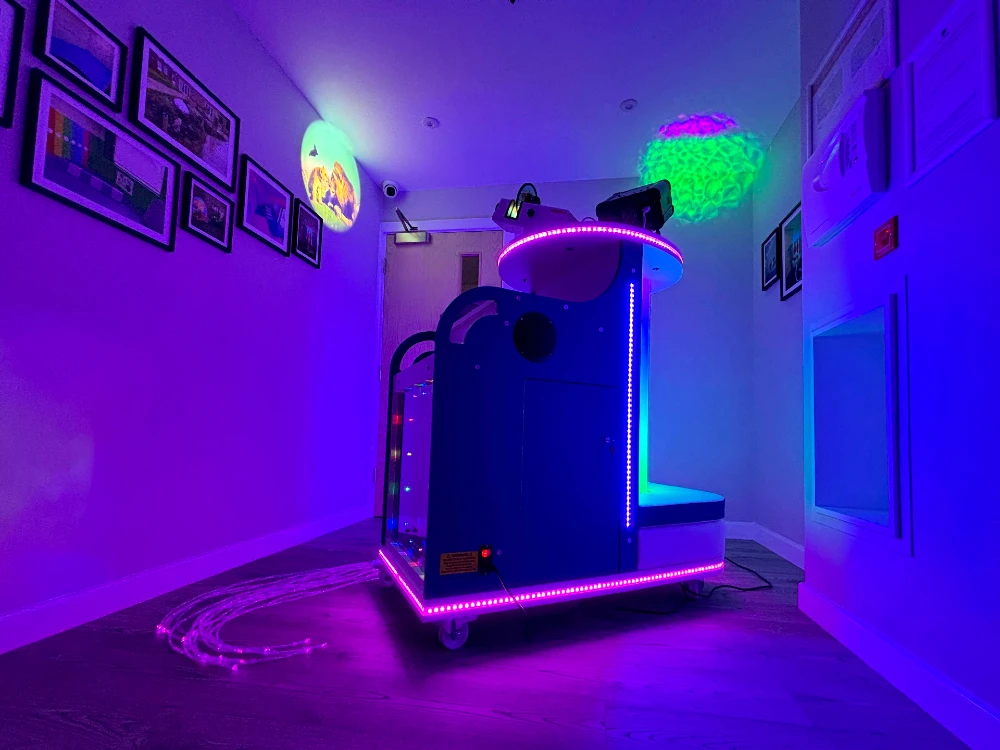
Portable sensory setups allow schools to bring the benefits of a sensory environment into any space, exactly when it’s needed. A standard classroom, library corner or even a shared hall can be quickly transformed into a calming, engaging school sensory room often in just a few minutes. This flexibility is especially valuable in busy school settings where rooms serve multiple purposes throughout the day.
Mobile sensory units offer several key advantages:
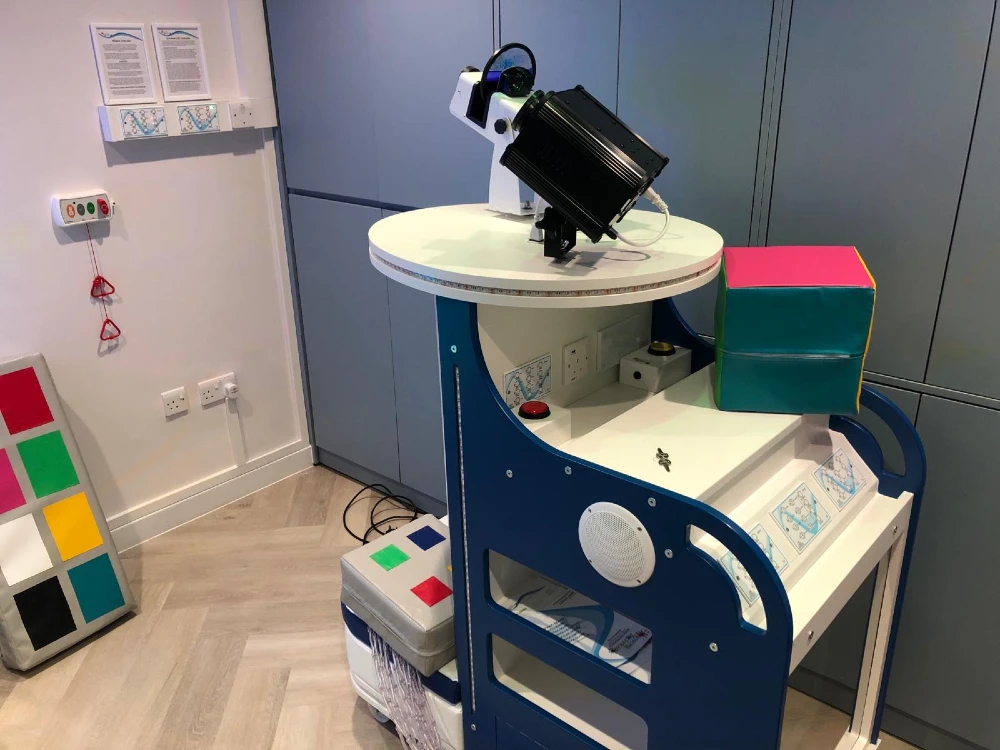
- Quick transformation – create a sensory-friendly space on demand without permanent changes.
- Shared access – equipment can be easily moved between classrooms or departments, maximising use and value.
- Efficient storage – everything can be packed away neatly, keeping spaces clutter-free and functional.
Solutions such as a portable sensory trolley provide a high-quality sensory experience without requiring fixed installation. They allow staff to tailor environments to individual student needs while maintaining the versatility of existing spaces.
Choose Smart, Space Saving Equipment
1. Choose Multi-Functional Items
When space is limited, every piece of sensory equipment should be intentional to enhance the benefits for the varied users accessing. Rather than filling a room with single-purpose items, opt for resources that provide multiple forms of sensory input at once. For example:
- Interactive Bubble Tubes & Borealis Tubes – provide visual tracking, calming regulation and cause-and-effect learning, all within a single engaging feature.
- Soft Padded Seating – offer deep pressure input for sensory regulation while creating a safe, cosy space for relaxation or focus.
- Interactive Wall Panels – combine fine motor skill development, cognitive challenges, and hands-on engagement in one versatile installation.
Multi-functional items not only reduce clutter and make the most of limited floor space, they also maximise the therapeutic and educational impact of each piece. By carefully choosing sensory equipment that serves multiple purposes, schools can create rich, adaptable sensory environments without overcrowding the room. This approach also supports flexibility, allowing spaces to meet diverse student needs throughout the day.
2. Prioritise Corner Designs
Choosing equipment designed specifically for compact environments allows you to make the most of underutilised areas without overwhelming the room.
Corner installations in particular are excellent for:
- Creating cosy, calming zones – providing safe, contained spaces for relaxation or decompression.
- Enhancing room flow – keeping central floor areas open for movement.
- Maximising underutilised space – turning awkward corners into functional sensory areas.
- Supporting multiple functions – combining seating, tactile panels and lighting in one compact area.
Design For Impact, Not Clutter
1. Keep It Focused
A small school sensory room doesn’t need to be packed with every possible piece of equipment – in fact, too much can quickly become overstimulating and counterproductive. The key is to define a clear purpose for the space and select resources that directly support that goal.
Ask yourself:
- Is the area intended for calming and self-regulation?
- Is it designed for interactive engagement and skill development?
- Will it need to serve for both?
Once the purpose is established, choose only equipment that aligns with that objective. For example, a calming zone might prioritise soft mood-lighting, low-stimulation visuals and relaxing soundscapes, while an interactive engagement area could focus on multi-sensory panels, cause-and-effect tools or sound-based activities. If you are looking to create a multi-use space, then you can select sensory equipment that can be flexible and adapt to both needs upon control.
By keeping the design focused, even a small room can have a powerful impact. A well-curated space often provides more meaningful sensory support than a larger area filled with distractions, ensuring students can engage fully with the environment without feeling overwhelmed.
2. Use Lighting Strategically
Sensory Lighting is one of the most powerful and versatile sensory tools and it takes up virtually no floor space. In small rooms, thoughtful lighting can completely transform the atmosphere, creating a calming, engaging or immersive environment with minimal equipment.
Options such as projected effects, LED wall panels, colour-changing uplighters or fibre optic features can be tailored to suit the purpose of the space. Soft, controllable lighting can:
- Reduce anxiety – creating a gentle, reassuring environment for students.
- Improve concentration – supporting focus during activities or learning.
- Create immersive environments – turning a compact area into a rich sensory experience.
- Support emotional regulation – helping students self-soothe and manage sensory input.
In small or multi-use spaces, lighting can act as the “feature” of the room, providing significant sensory impact without taking up valuable floor space. By using lighting strategically, schools can enhance engagement and regulation while keeping the room open, functional and visually balanced.
3. Hide the Functional, Highlight the Sensory
In small sensory spaces, clutter and exposed equipment can not only feel visually overwhelming, they can also create safety hazards. Cables across the floor, loose storage items or poorly positioned control panels increase the risk of trips, bumps or accidental damage. Thoughtful design keeps these functional elements discreet while maintaining a safe environment.
Effective strategies include:
- Wall-mounted control panels – keep devices accessible without obstructing movement or creating trip hazards.
- Concealed wiring – hides cables from view and reduces the risk of accidents.
- Integrated storage solutions – store equipment safely when not in use while maintaining a clean, open floor space.
By keeping functional elements out of sight and securely installed, small rooms feel calmer, more organised and safer for students and staff. In compact spaces, simplicity and careful planning amplify both impact and safety, ensuring the focus remains on the sensory experience rather than potential hazards.
Final Thoughts: Design Smart, Not Big
A powerful sensory space isn’t defined by its size. It’s defined by how effectively it supports the needs of the people using it. With the right approach, even the smallest room can become a calm, engaging and highly functional school sensory room that makes a meaningful difference to students’ daily experience.
That’s why a thoughtful, tailored design process is so important. We offer bespoke design consultations that look beyond the surface of a space to understand how it truly functions. By assessing room dimensions, layout challenges, user needs and intended outcomes, we create fully customised solutions that maximise every inch.
This can include made-to-measure wall padding, fitted soft furnishings and carefully selected multi-functional sensory equipment all chosen to work efficiently within compact or multi-use environments. The goal is always the same: to create a space that feels intentional, uncluttered, and perfectly aligned with its purpose.
Because no two schools, spaces or students are the same, a one-size-fits-all approach simply doesn’t work. Your school sensory room should reflect the unique needs of its users – supporting regulation, engagement and wellbeing in a way that feels natural and effective.
Ready to Transform Your Space?
If you’re working with limited space but want to achieve maximum impact, the right design can make all the difference.
Get in touch with our team to book a bespoke design consultation and discover how we can help you create a safe, engaging and truly tailored sensory environment no matter the size.
Small space. Smart design. Real impact.