Why Safety Padding is Important for Neurodiverse and Disabled Individuals
DFG-Funded Safety Padding is becoming an increasingly important part of modern housing adaptations. When most people hear the term housing adaptations, they immediately think of ramps, stairlifts or wet rooms. While those changes are incredibly important, they are only part of the picture.
For many neurodiverse and disabled individuals (particularly those with autism, adhd or profound and multiple learning difficulties (PMLD)) safety risks inside the home can look very different.
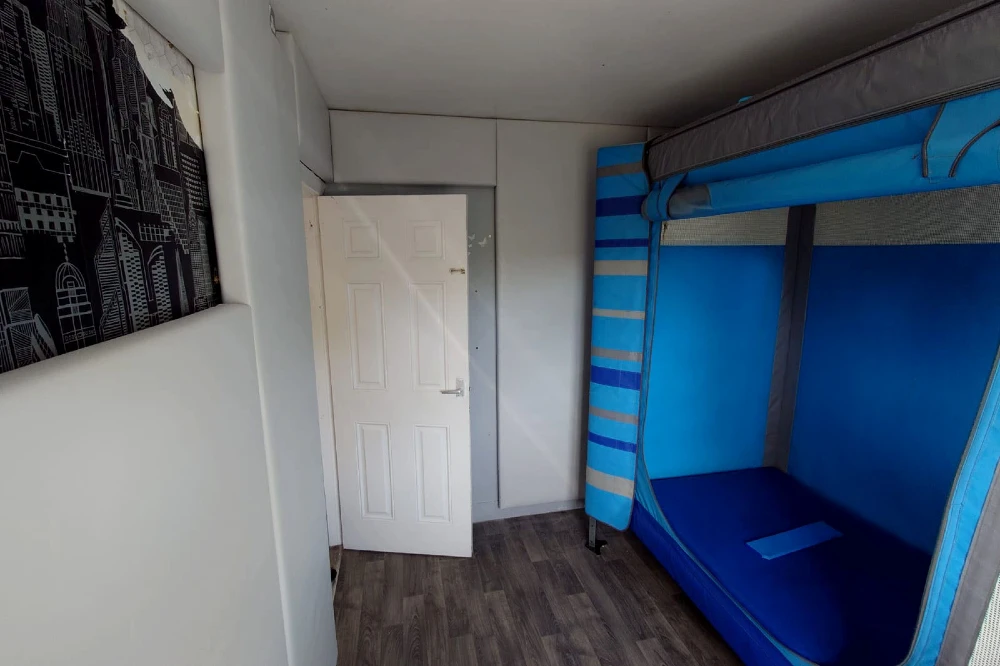
It’s not always about moving safely from one room to another. Often, it’s about being safe within the space itself. In moments of distress, sensory overload, emotional dysregulation or seizures, ordinary architectural features within the home can present very real risks. What appears to be a typical bedroom or living area can quickly become an environment where head injuries, fractures or repeated accidents occur.
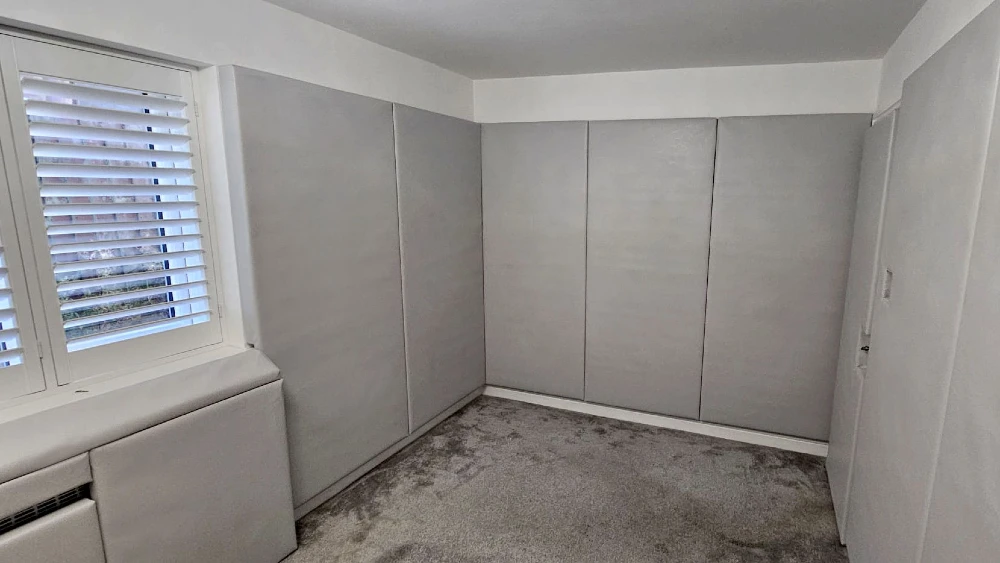
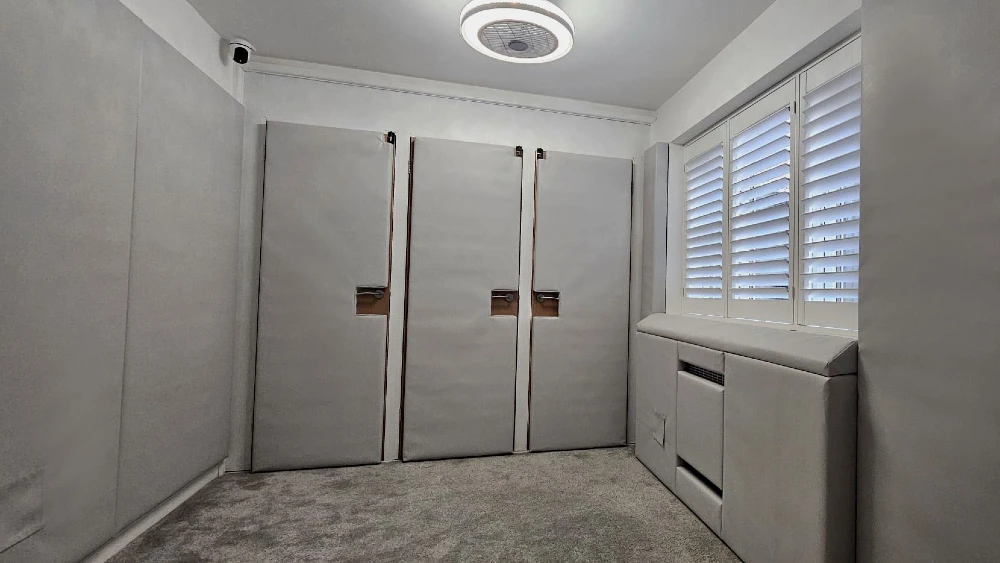
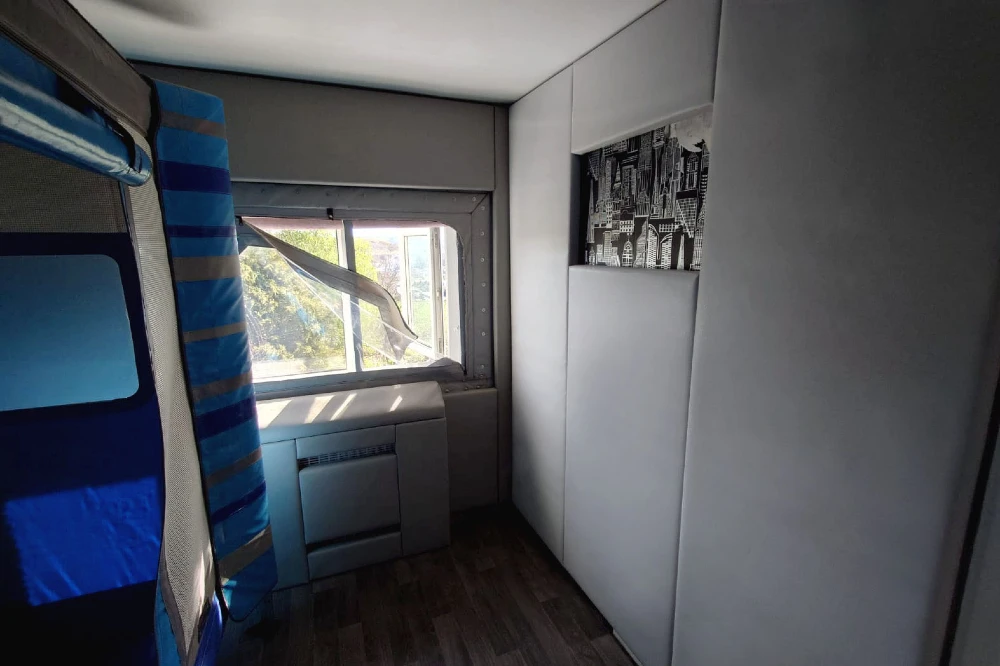
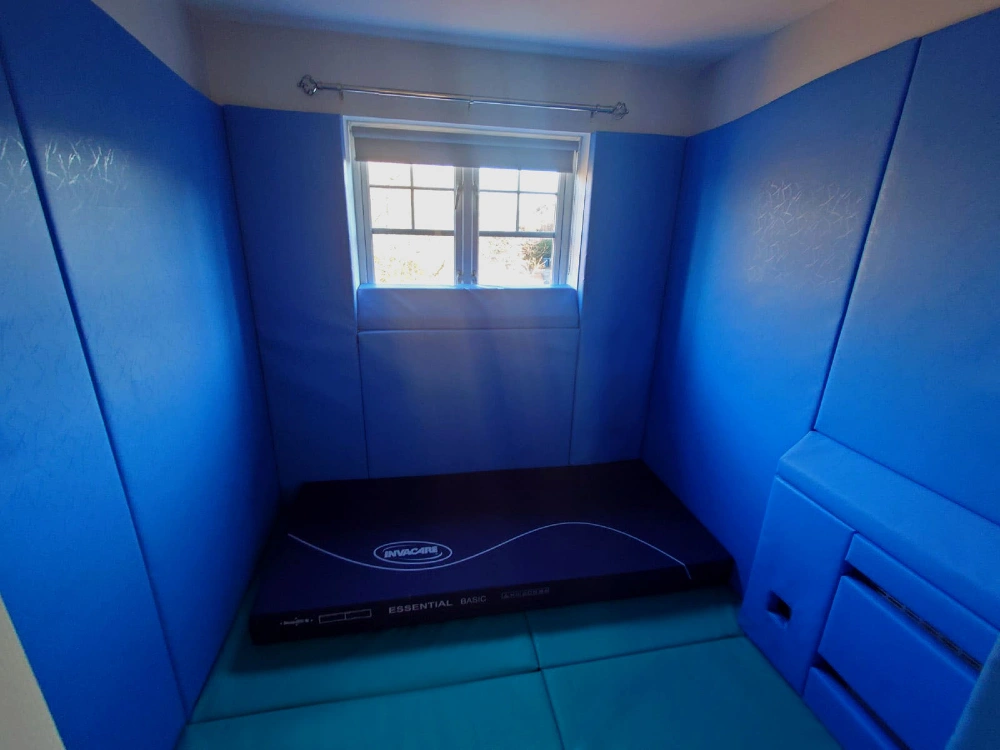
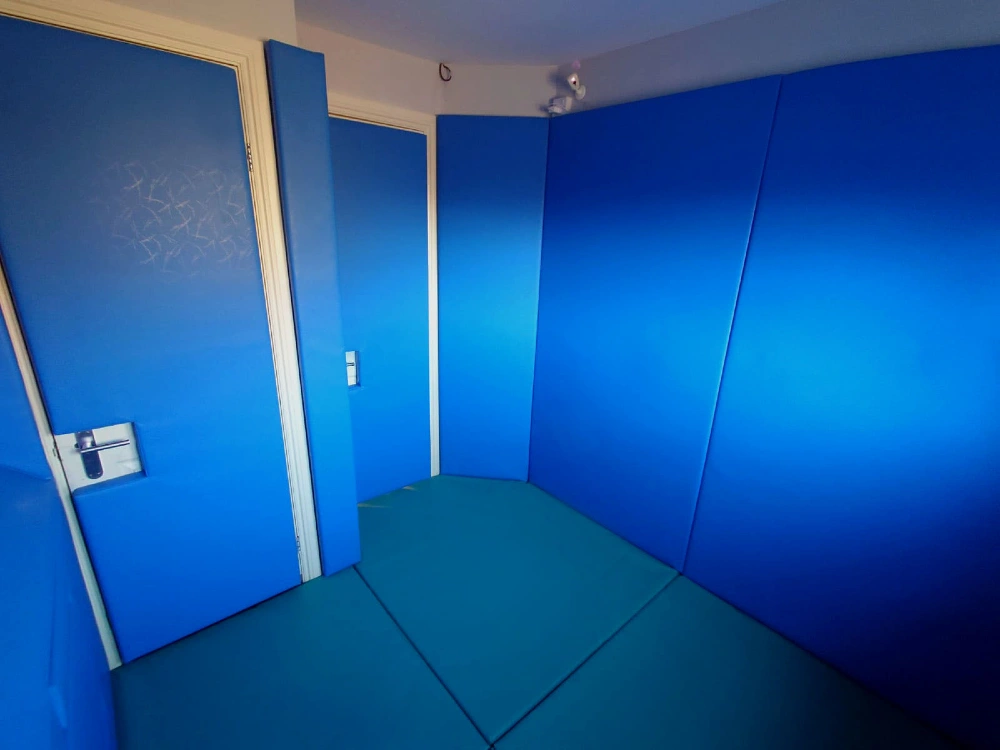
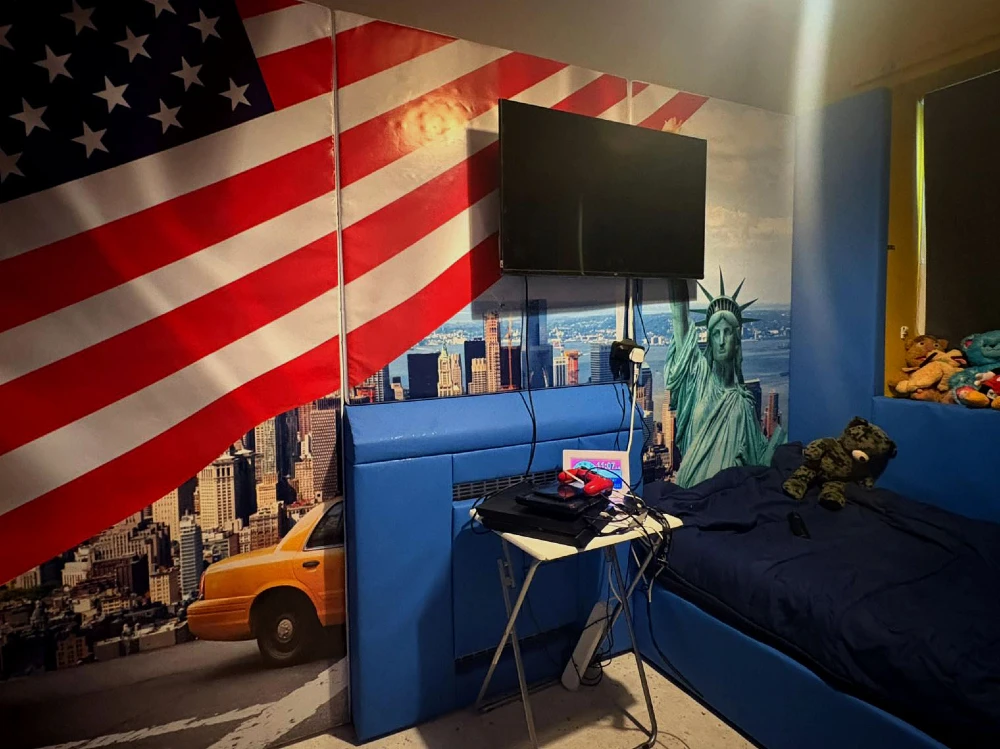
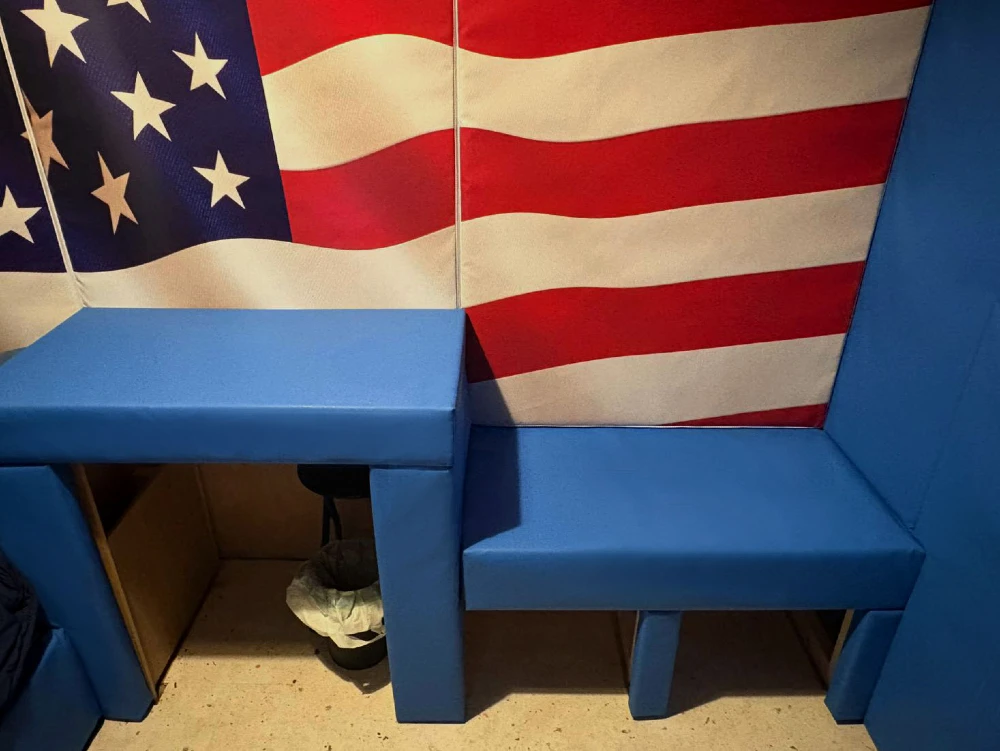
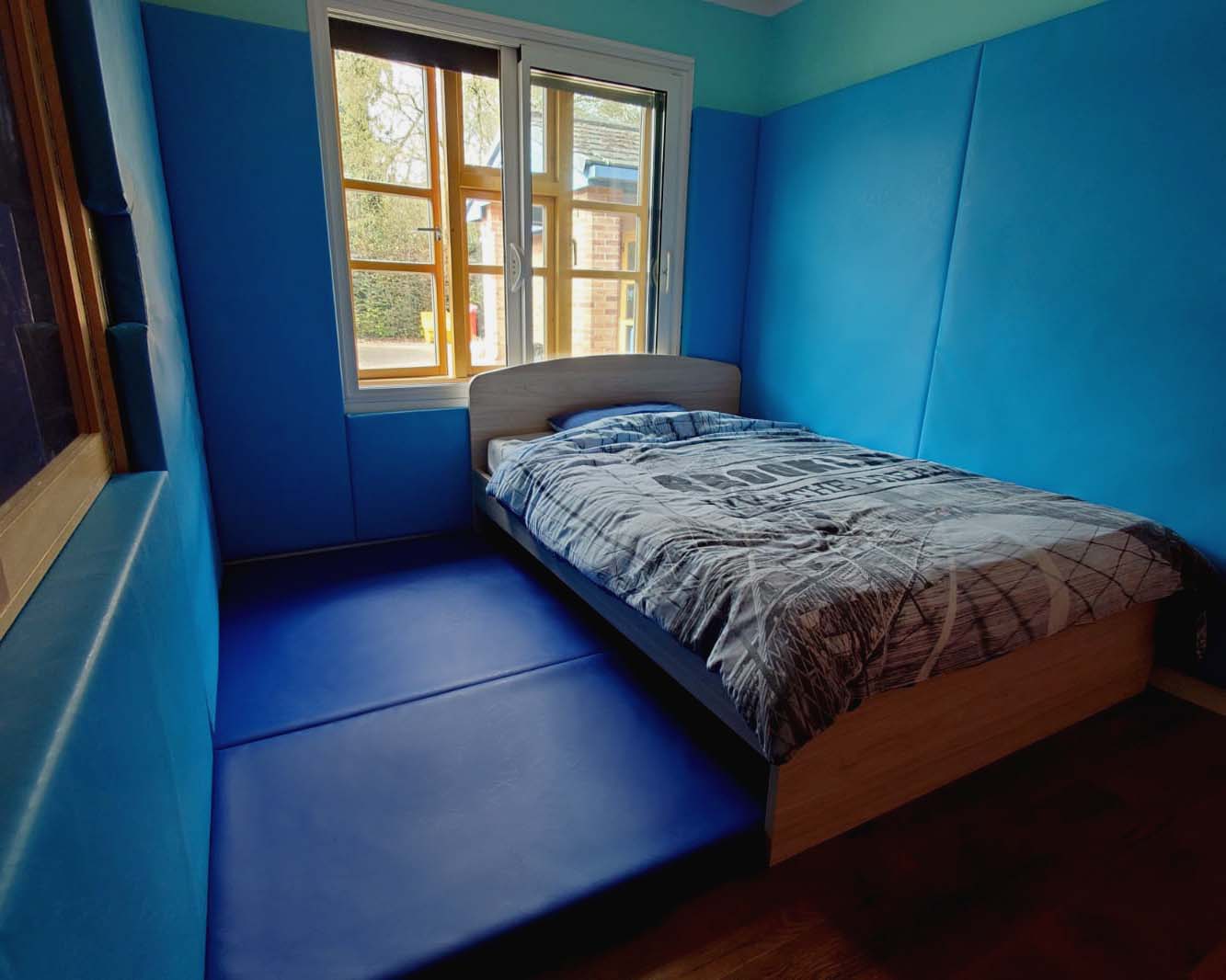
At Sensory Technology, we support families, Occupational Therapists and residential providers who require more than accessibility solutions – they need bespoke protective environments. Through professionally manufactured wall padding, floor padding and structural protective padding, homes can be adapted to significantly reduce injury risk while preserving dignity, comfort and a sense of normality.
In many cases, these autism adaptations and safety-led modifications may be supported through the Disabled Facilities Grant (DFG), helping families and residential settings create safer, more sustainable environments without facing overwhelming costs.
What Is the Disabled Facilities Grant (DFG)?
The Disabled Facilities Grant (DFG) is a UK government-funded grant provided by local authorities to help pay for essential housing adaptations that make a home safer and more suitable for a disabled person to live in. It supports people of all ages and disability types ( including those neurodiverse conditions) whether they own their home or rent privately or through a housing association.
Most people familiar with housing adaptations think of DFG funding for stairlifts, level-access showers or ramps. But the scope of DFG housing adaptations is broader than many realise. It can also be used for work that:
- Reduces injury risk.
- Protects structural elements of the home.
- Creates safe rooms or specialised spaces.
- Supports DFG autism adaptations.
- Addresses behavioural safety needs as part of holistic adaptations.
Under the legislation, local authorities are required to provide a Disabled Facilities Grant (DFG) where the proposed works are assessed as both necessary and appropriate to meet the needs of a disabled occupant, and reasonable and practicable to undertake at the property. This assessment is typically carried out by an Occupational Therapist, who identifies and specifies the adaptations needed to ensure the individual can remain safe and appropriately supported within their home.
Because the grant is administered locally, the exact application and assessment process can vary by area. However, the core aim remains the same: enabling disabled people to live safely and independently in their own homes. Through DFG-funded safety padding and other bespoke solutions, families and residential providers can access support for adaptations that go well beyond basic access improvements – including specialist protective padding and environmental modifications tailored to individual needs.
How does DFG-Funded Safety Padding Improve Home Safety?
Most homes are designed for comfort and practicality, not for high-impact behaviours or complex safety needs. In properties supporting neurodiverse or disabled individuals, particularly those experiencing dysregulation, seizures or self-injurious behaviours, everyday structural features can pose significant risks. These are completely standard elements in any home – yet in certain circumstances, they can become serious impact points.
We regularly see concerns linked to:
- Plasterboard or solid walls.
- Hard flooring such as laminate, tile or concrete subfloors.
- Door frames, hinges and handles.
- Exposed radiators and pipework.
- Window frames and glazing
- Bedframes and rigid headboards.
- Sharp corners, skirting boards and window sills.
During periods of emotional distress, sensory overload, behavioural escalation or seizures, these hard surfaces can result in:
- Head injuries.
- Fractures or broken bones
- Severe bruising and lacerations.
- Repeated A&E visits.
- Ongoing structural damage to the property.
For families and residential providers, this creates a constant state of worry. Repairs become routine and injury prevention becomes reactive rather than proactive.
Specialist protective wall padding, reinforced door protection and professionally installed floor padding in residential homes are designed to soften impact and help prevent injuries. Rather than reacting after something happens, these solutions help make the space safer from the start.
How Does Specialist Protective Padding Work?
When people hear the word “padding”, they often picture temporary foam mats or gym-style panels. But in high-risk residential and care environments, effective protection requires much more than that.
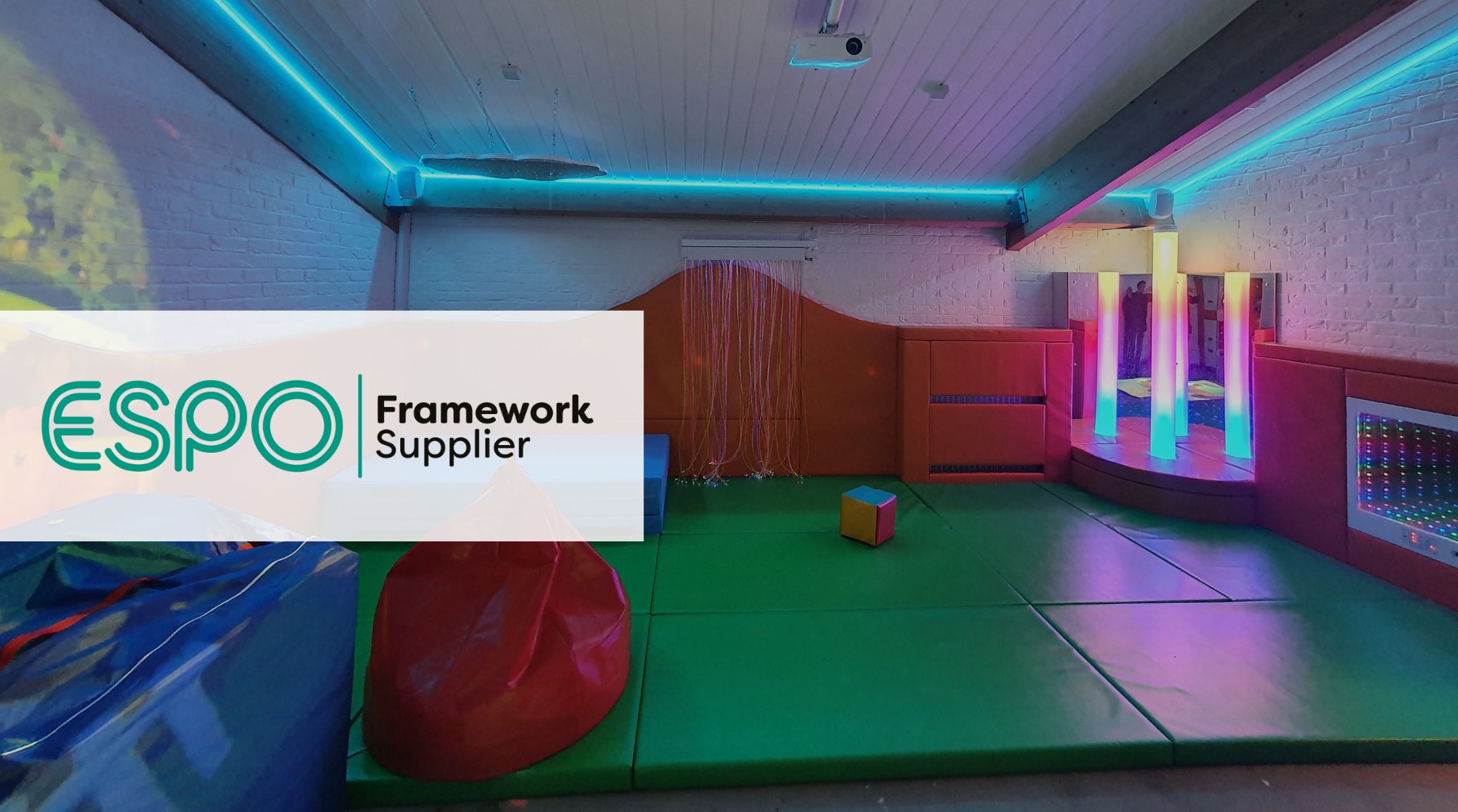
At Sensory Technology, we manufacture and install professional protective padding systems specifically designed for residential homes, specialist schools and care settings. Our solutions are built not only to reduce injury, but to stand up to daily use in demanding environments.
We provide made-to-measure systems tailored to each individual room, surface area and user requirement. No two spaces are the same, and neither are the people using them. That’s why every installation is carefully measured, designed and manufactured to ensure full coverage of identified impact points.
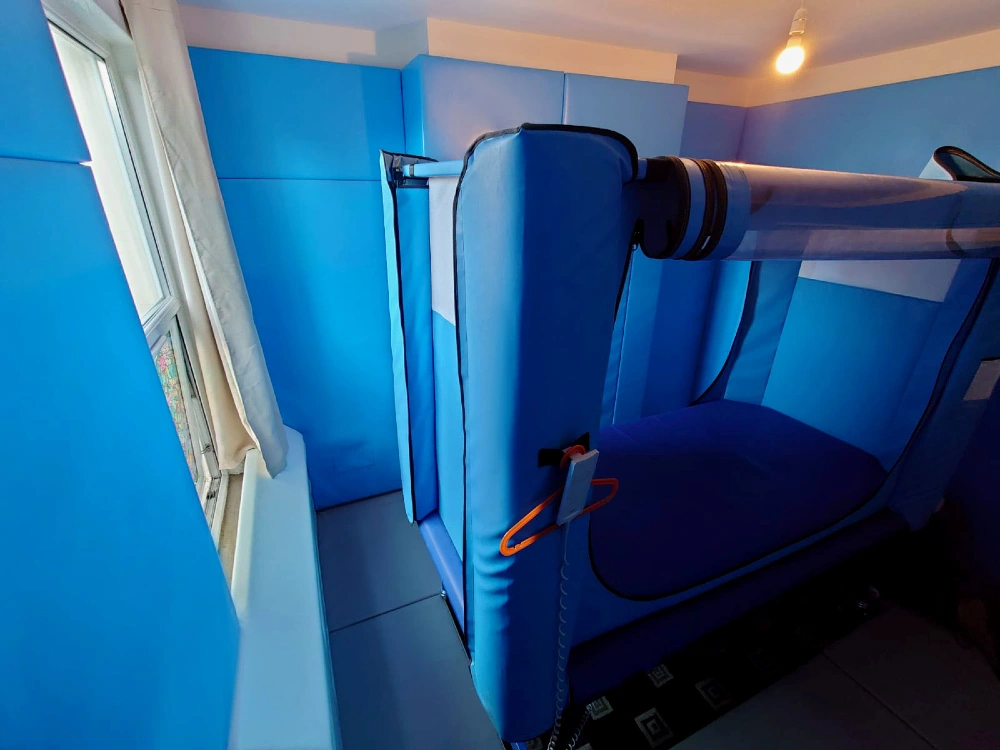
Our padding is:
- Manufactured in-house for full quality control
- Made using fire-retardant foam and vinyl
- Phthalate free
- Finished with UV-resistant covers
- Machine sewn for durability and strength
- Available with MDF-backed or fully encased options
- Shock and impact absorbing
- Easy to clean and hygienic
- Securely fixed in place
- Designed for high-use environments
Rather than relying on temporary or removable products, our systems are designed for long-term safety and professional installation. This ensures the padding doesn’t just soften surfaces – it becomes part of the structure of the room itself.
For families and providers applying for DFG safety padding funding, this level of professional specification and installation is often essential. Local authorities and Occupational Therapists typically require durable, compliant, made-to-measure systems that address identified risks properly – not temporary solutions.
How to Apply for DFG-Funded Safety Padding – At a Glance
If you’re applying for a Disabled Facilities Grant (DFG), the process is usually structured and guided by your local authority.
To begin, you can contact your local council’s housing or adaptations team to request a DFG assessment. An Occupational Therapist (OT) or trained assessor may visit your home to identify specific needs and risks, helping to determine what adaptations are necessary and appropriate to improve safety and independence, such as wall padding or safe room features.
The OT’s / assessors recommendations, together with evidence like incident reports or medical input, support your application. You then may need specialist quotations and specifications for the recommended work to submit with your application. Once the council receives a complete application, they are generally expected to make a decision within six months, and if approved, the adaptations can be professionally installed. Throughout the process, your local authority should be able to explain each step and offer guidance on paperwork and timelines.
If you’re unsure where to begin, your local authority is always the best starting point. Occupational Therapists, case managers and home improvement agencies can also provide guidance throughout the process.
We’re always happy to provide technical information and quotations to support your application, helping ensure the adaptations recommended are practical, compliant and designed for long-term safety.
Useful Links for Support & Guidance
GOV.UK – Disabled Facilities Grants overview: details what a DFG is and how it works.
GOV.UK – How to apply for a Disabled Facilities Grant: explains the application process in simple terms.
Disability Rights UK – Disabled Facilities Grants Resource: offers a comprehensive guide to eligibility, application, and what the grant can cover.
Adapt My Home – Step-by-Step DFG Application Guide: a practical breakdown of what to expect at each stage.
Considering DFG-Funded Safety Padding?
Whether you are a parent, Occupational Therapist, case manager or residential care provider, our team can provide expert guidance, detailed specifications and professional installation for protective padding and sensory environments tailored to your needs. Contact us today.