
Dementia touches the lives of millions of people around the world, bringing challenges that go beyond memory – it can also affect emotions and behaviour. Feelings like anxiety, restlessness or withdrawal are common, and these changes can make everyday life harder for both residents and the people who care for them. While traditional care is important, holistic approaches can play a valuable role in supporting the emotional and behavioural needs of people living with dementia.
This is where sensory rooms come in. These purpose-built spaces use lights, sounds, textures and other gentle stimuli to help people feel calm, engaged and able to explore their senses in a safe and accessible environment. In this blog, we’ll take a closer look at how sensory rooms can support emotional wellbeing and positive behaviour – and why they’re making such a meaningful difference in dementia care.
Understanding Dementia and its Challenges
In the UK, around one million people are currently living with dementia, and that number is expected to grow to 1.4 million by 2040 as the population ages.
While memory difficulties are often the first thing people think of, dementia also affects everyday abilities such as planning, decision‑making, language and judgement. It can change how a person understands and responds to their environment, making familiar tasks feel confusing or overwhelming. People living with dementia may also experience changes in mood and behaviour – they might feel anxious, restless, withdrawn or easily frustrated. Some may seem unusually irritable or lose interest in things they once enjoyed, while others may have trouble recognising loved ones or expressing themselves.
Traditional care such as routines, supervision, medication and support plans plays an important role in helping people with dementia live safely and comfortably. But dementia affects each person differently, and these approaches don’t always address the full range of emotional and behavioural experiences people face. That’s why person‑centred, holistic strategies are so important: they look beyond clinical symptoms to create environments and experiences that help people feel calm, connected and understood.
Sensory Rooms in Dementia Care Settings
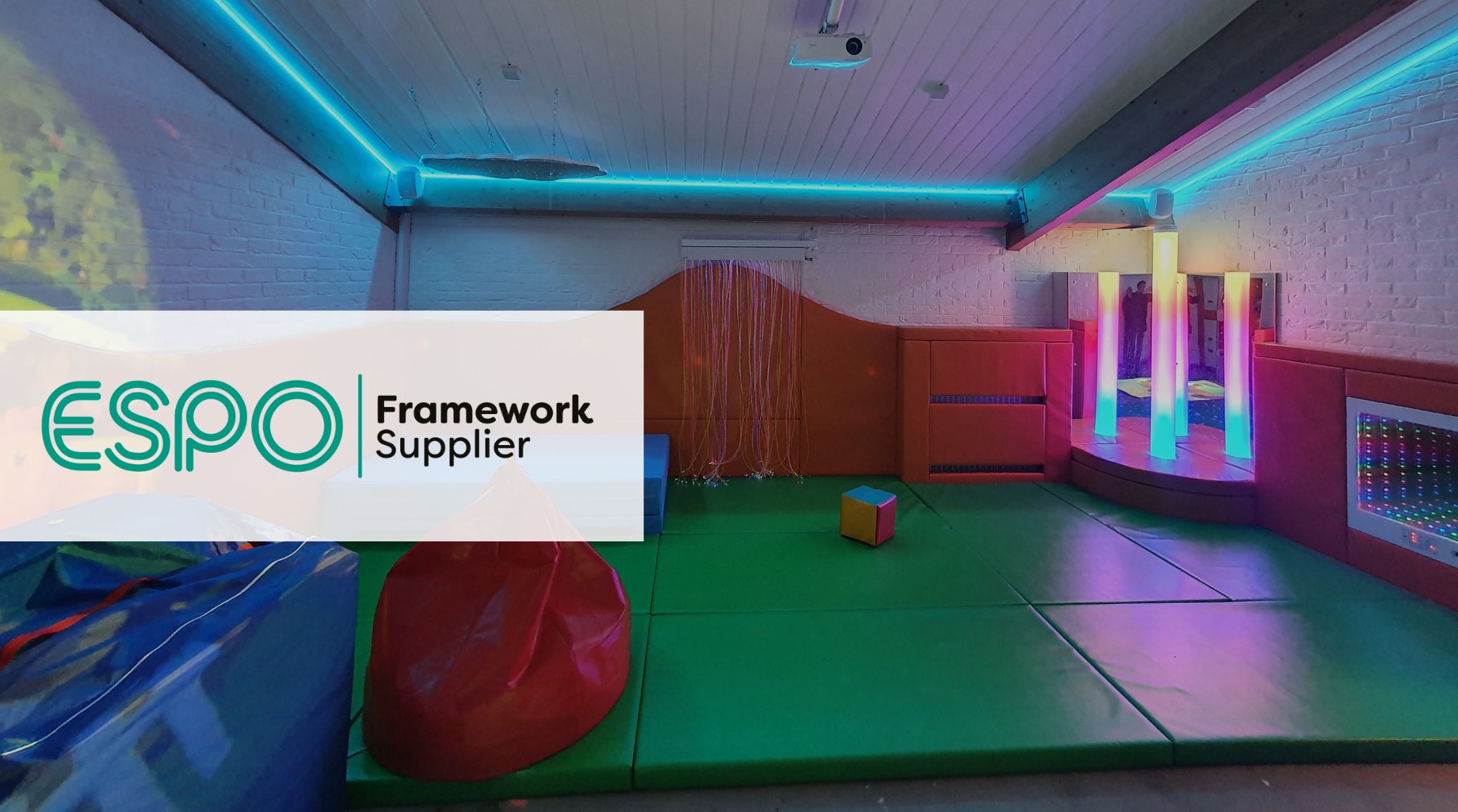
Sensory rooms in dementia care are intended to engage the senses to promote calm, comfort and connection. They offer residents an environment where they can relax, explore and interact at their own pace, helping to support emotional wellbeing and reduce stress.
Sensory rooms in dementia care often include:
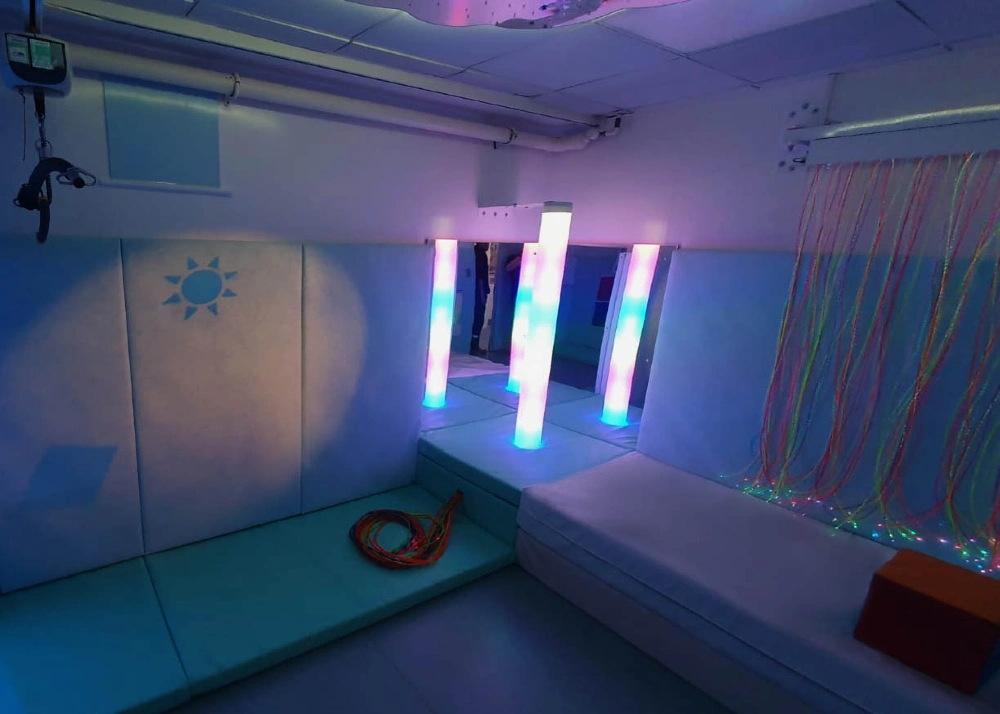
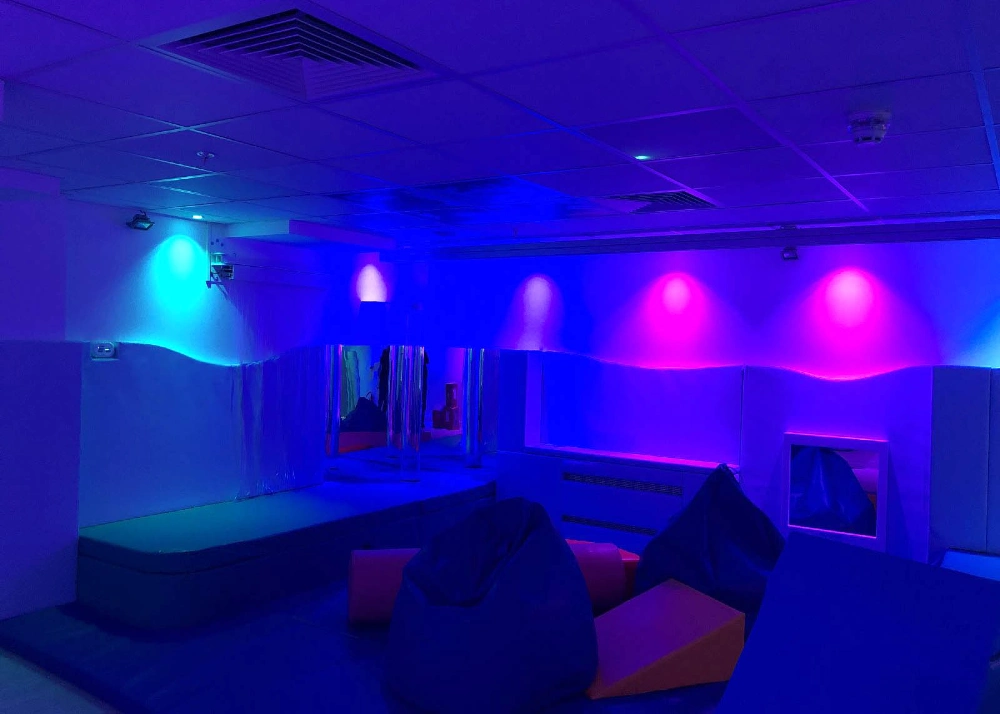
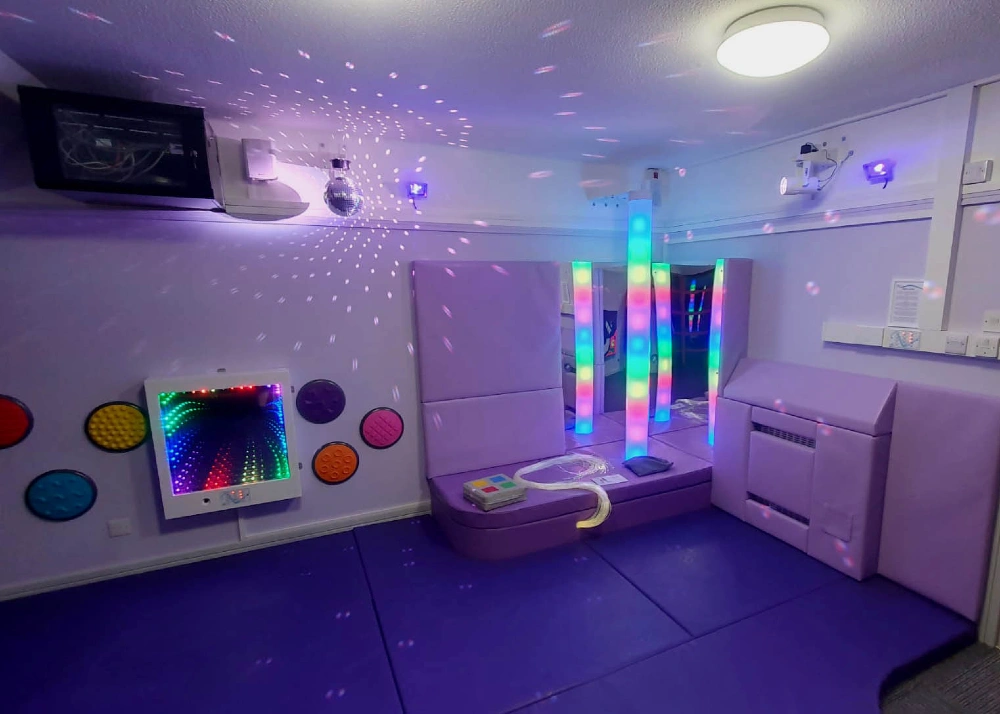
- Sensory Lighting and Soft Colours: A soft, soothing colour palette throughout protective padding and furnishings, and colour-changing mood lighting to facilitate a calming atmosphere.
- Textures and Tactile Patterns: Introducing a variety of textures in a dementia care sensory room can help stimulate memory and familiarity. Items such as wool, velvet, buttons, or zippers can spark memories and create a sense of comfort. Tactile activities also encourage focus and interaction, supporting cognitive engagement as residents explore, sort and handle different objects.
- Sounds and music: Gentle melodies, soothing nature sounds or soft white noise can help create a calming atmosphere in a dementia care sensory room. Personalised music and sound can also evoke positive memories, improve mood and reduce feelings of anxiety or agitation. Engaging with sound also encourages attention and interaction, providing a comforting and emotionally supportive experience for residents.
- Aromatherapy: Familiar and comforting scents are another helpful tool in recalling past memories and providing a sense of reassurance for people living with dementia. Scents like lavender, citrus or vanilla can promote relaxation, reduce anxiety and create a soothing environment. Engaging with a sense of smell can also stimulate emotional responses and enhance overall wellbeing, making residents feel more connected and at ease.
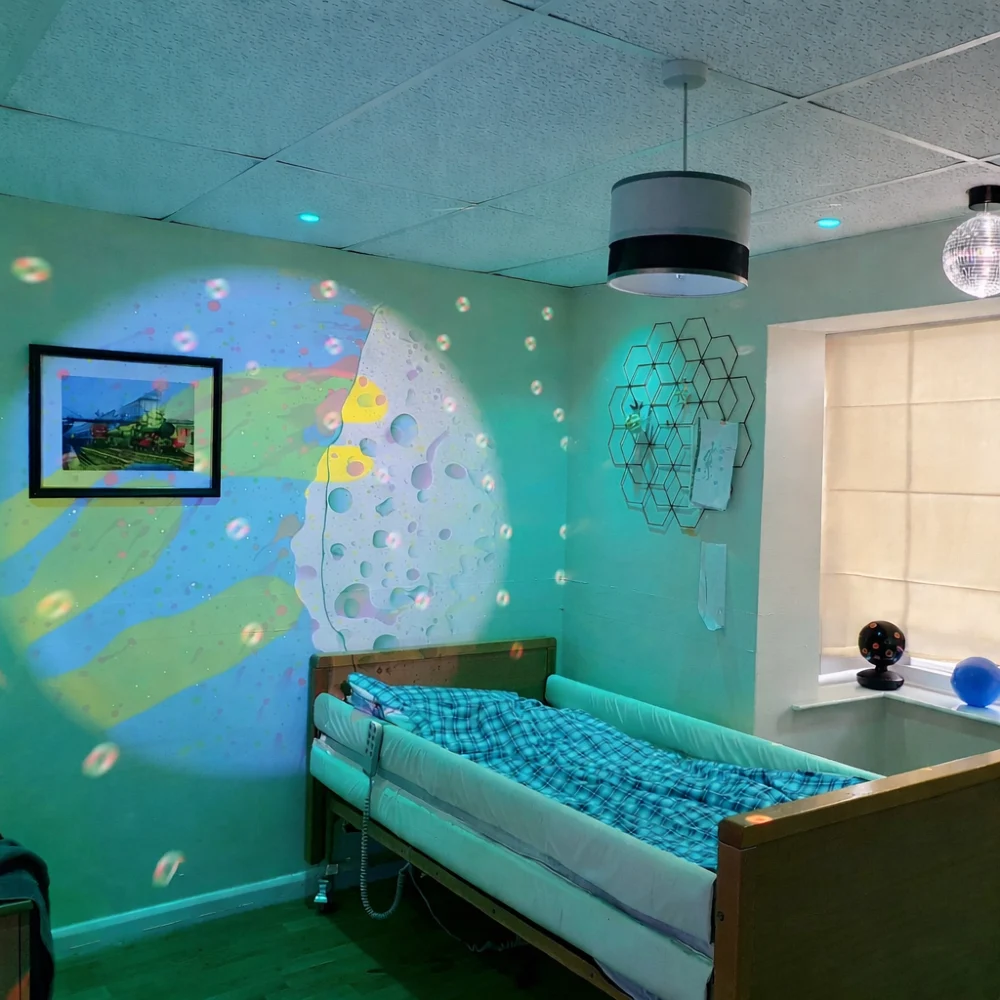
- Interactive Equipment: Interactive sensory equipment such as bubble tubes, LED panels and interactive projections provide engaging, hands-on experiences that stimulate curiosity and encourage interaction. These sensory tools invite residents to explore, manipulate and respond to their environment which results in positive cognitive engagement, focus and social connection.
The purpose of these rooms isn’t clinical treatment – it’s about enhancing quality of life, supporting emotional wellbeing and creating a safe, comforting space for people living with dementia.
The Emotional Benefits of Sensory Rooms in Dementia Care
Sensory rooms offer more than just a calming environment. They can have a meaningful impact on the emotional wellbeing of people living with dementia. By engaging the senses in gentle, purposeful ways, these spaces help residents feel relaxed, happy and connected.
Reducing Anxiety and Heightened Emotions
Sensory Rooms in dementia care use carefully controlled stimuli such as soft lighting, gentle sounds and tactile objects to create a calming environment. This can help reduce feelings of anxiety or stress, providing residents with a sense of peace and security.
Enhancing Mood
Music, colours and tactile activities can facilitate joy and comfort, helping to lift spirits and promote positive emotions in sensory rooms in dementia care. These sensory experiences can also trigger pleasant memories, fostering moments of happiness and connection.
Encouraging Relaxation
Dementia care sensory rooms offer a safe, soothing space where residents can unwind and take a break from day-to-day stress or moments of overwhelm. The calming environment supports relaxation, helping individuals feel more comfortable and at ease.
Supporting Emotional Expression
For residents who find it difficult to communicate verbally, sensory rooms provide alternative ways to express feelings. Through touch, sound and interactive experiences, individuals can convey emotions, connect with their environment and engage in meaningful self-expression.
The Behavioural Benefits of Sensory Rooms in Dementia Care
Beyond emotional support, sensory rooms can also positively influence behaviour. They can greatly help reduce challenging behaviours, encourage participation and support residents in interacting more confidently with their environment and others.
Reducing Agitation and Disruptive Behaviour
Sensory rooms create a calming environment that can help prevent heightened emotional states or aggressive outbursts. Sensory lighting and equipment present residents with a safe resource to regulate emotions and respond more calmly to daily challenges.
Encouraging Engagement and Participation
Interactive elements in dementia care sensory rooms such as projections, lighting and textures invite residents to explore and take part in activities. This increased engagement can help reduce feelings of boredom or restlessness and promote a sense of purpose.
Promoting Social Interaction
Group sensory activities can spark conversation, laughter and shared enjoyment. By providing opportunities for connection, sensory rooms can help residents feel more socially involved and less isolated.
Supporting Independence
With the addition of protective padding, soft furnishings and user-controls, residents can explore the sensory room and interact with equipment at their own pace. This freedom encourages confidence and autonomy, allowing individuals to feel in control of their experiences and fostering a greater sense of self-reliance.
Implementing Sensory Rooms in Dementia Care Facilities
To get the most out of sensory rooms, it’s important to consider thoughtful design and careful implementations.
- Well-Designed
The space should be safe, easily accessible and adaptable to meet the needs and mobility levels of different residents. Comfortable seating, clear pathways and calming layouts help create a welcoming and supportive environment.
- Staff-Supported
Sensory rooms can be made easier to manage with user-friendly control systems that allow caregivers or supervisors to quickly set up and personalise experiences for individual residents or group sessions. Using maintenance-free equipment, such as LED-based features or having clear maintenance plans in place, adds extra peace of mind and ensures the room is always ready to provide a safe and engaging experience.
- Bespoke To Your Goals and Requirements
Tailoring experiences to individual preferences and requirements makes sensory activities more comforting and engaging. Whether it’s favorite music, familiar textures or preferred scents, personalisation helps residents feel safe, understood and provides greater holistic results.
Whether it’s a fully dedicated sensory room, a cosy corner or a small portable setup, any sensory space can make a meaningful difference. With thoughtful planning and the right tools, sensory environments, big or small, can become a powerful way to enhance quality of life for people living with dementia.
Looking to incorporate sensory experiences into your residential dementia care setting? Contact our team of experts today for a free bespoke design and consultation.