Children’s Mental Health, Belonging and the Need for Safe Spaces
Long before children can name or understand their emotions, their environments are already shaping how they feel. For many children, particularly those experiencing anxiety, depression, emotional dysregulation or additional needs such as autism, ADHD and SEMH (social, emotional and mental health needs), everyday environments can feel overwhelming, unpredictable and unsafe.
Recent research highlights just how urgent this issue has become. As of 2025, 1 in 5 young people now have a probable mental health problem, up from 1 in 9 in 2017. Mental health challenges also tend to begin early, with 50% of all mental health problems starting by age 14 and 75% by age 24. Yet traditional clinical pathways often involve long waiting lists and high thresholds for support, leaving many children without timely help – sometimes for months or even years.
Feeling calm, secure and understood is fundamental to emotional wellbeing. This is why safe, designated spaces matter so much. These are places where children can step away from pressure, regulate their emotions and experience a genuine sense of belonging.
Children’s Mental Health Week 2026 reinforces this through the theme “This is My Place”, highlighting the importance of environments that feel familiar, supportive and designed with children’s emotional needs in mind. Sensory spaces play a powerful role in creating that sense of safety and belonging, offering children a trusted place to calm, reset and regain control of their emotions.
In this blog, we explore how sensory spaces support children’s mental health, how thoughtfully designed equipment encourages emotional regulation and why familiar, accessible environments are essential for children’s wellbeing.
Sensory Processing and its Link to Mental Health
Sensory processing is how the brain receives, interprets and responds to information from the world around us including sight, sound, touch, movement and body awareness. For many children, this process happens seamlessly, allowing them to engage comfortably with their surroundings. For others, sensory input can feel overwhelming, unpredictable or overstimulating, which can significantly affect how they feel and behave.
When sensory experiences become challenging, everyday situations such as a brightly lit classroom, a noisy restaurant or a busy shopping centre can trigger stress, anxiety or frustration. Some children may seek additional sensory input through movement or fidgeting, while others may withdraw as a coping mechanism.
These responses are not limited to sensory processing differences or neurological conditions alone. Difficulties with sensory regulation are closely linked to emotional wellbeing. Research shows that sensory challenges can increase stress, reduce concentration and impact social interaction, all of which may contribute to longer-term mental health difficulties if left unsupported.
Understanding sensory processing is important for all children. Emotional responses and behaviour often reflect how well an environment meets a child’s sensory needs. By recognising this, adults can help children develop self-regulation skills, manage stress and feel more confident in everyday situations.
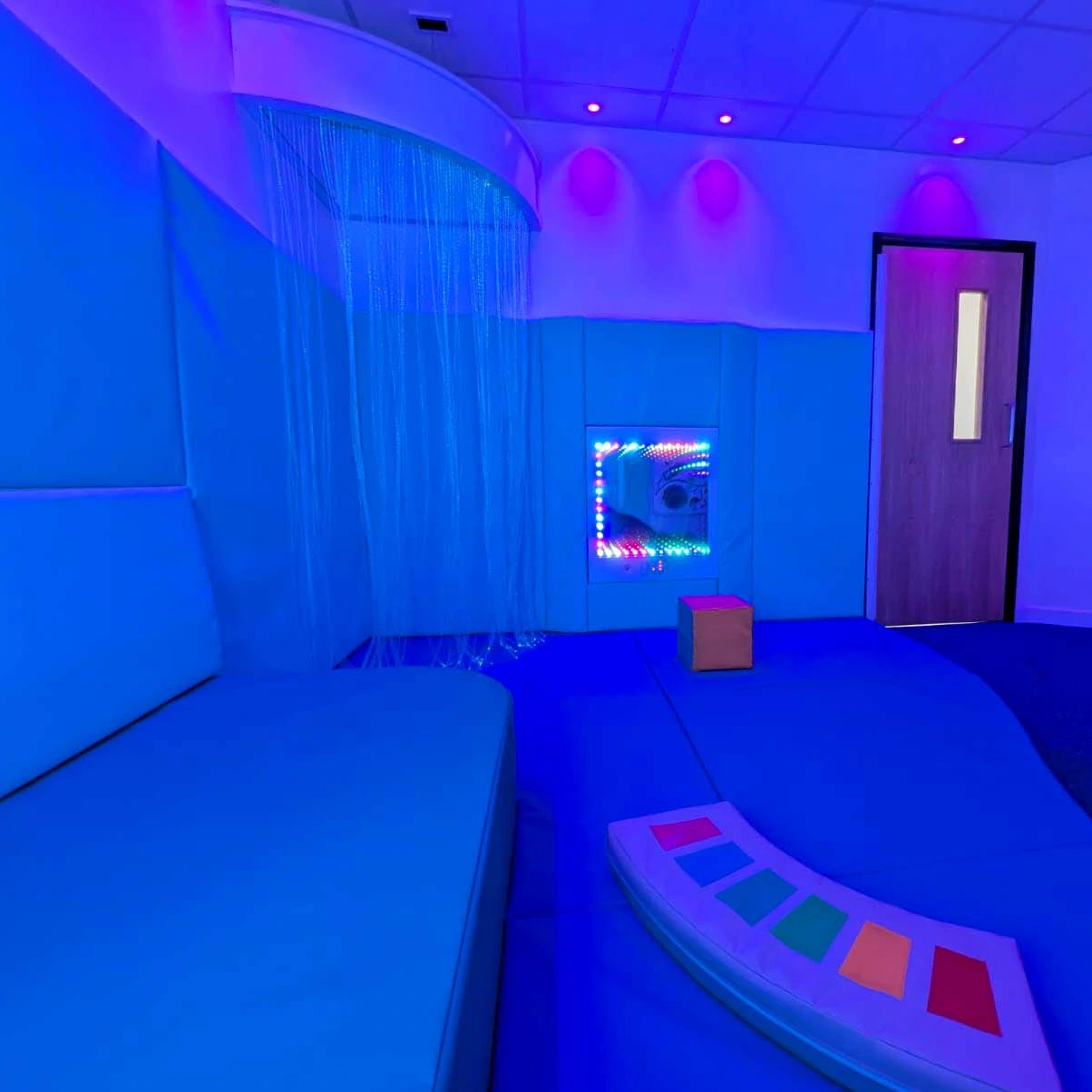
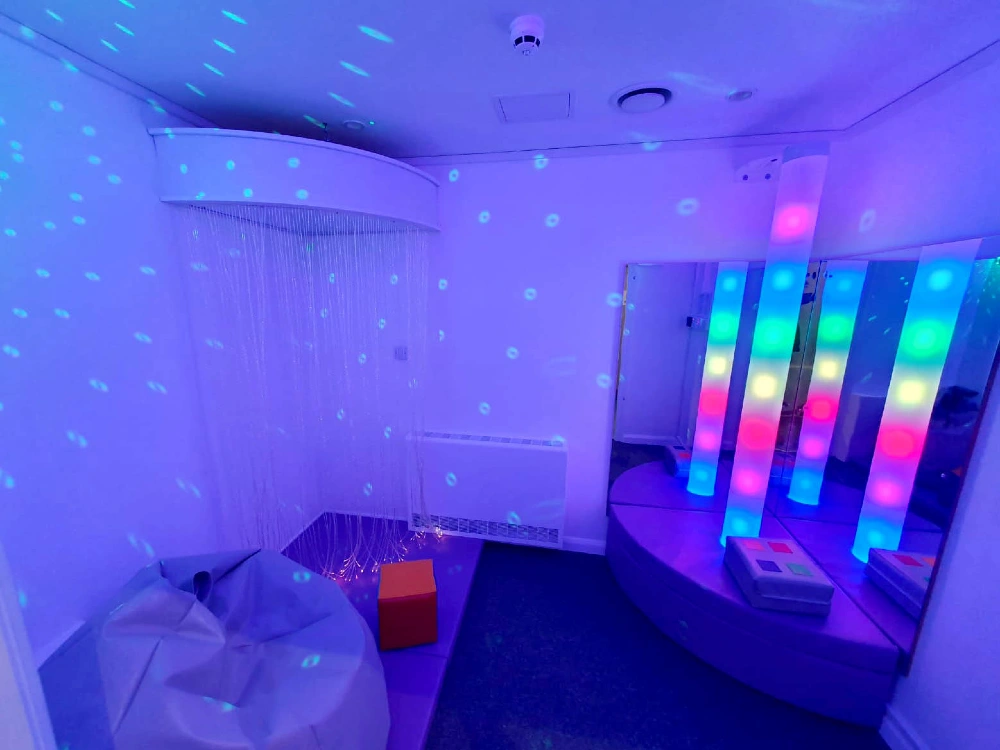
This is where sensory spaces and equipment become so valuable. Environments designed with controlled, predictable sensory input give children the opportunity to regulate their emotions safely. From soft play and tactile resources to gentle lighting and quiet zones, sensory spaces support emotional safety, independence and wellbeing providing children with tools to manage stress before it escalates.
Inclusion Through Accessibility: Sensory Spaces Across Multiple Settings
Children’s mental health needs do not exist in isolation or within a single setting. They extend across the school day, beyond the classroom and into daily life. Support should not be limited to occasional interventions or crisis moments; it needs to be embedded into children’s everyday environments.
When sensory spaces are only available in one location, children may struggle to manage overwhelming emotions for the rest of their day. However, when children encounter consistent, accessible sensory environments whether in classrooms, wellbeing hubs, playgrounds or community spaces they are better able to build emotional resilience and confidence across different settings.
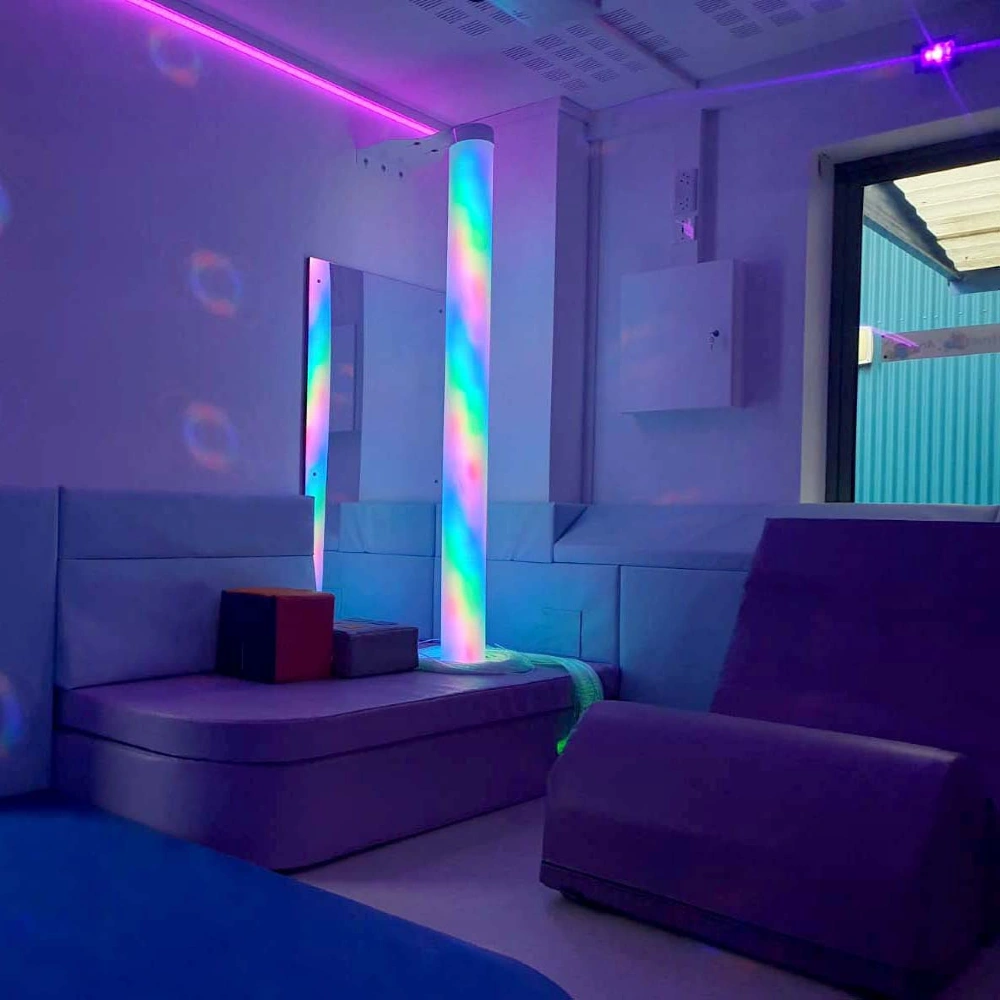
In practice, inclusion means broadening our understanding of what a sensory space can be. This might include:
- Calm corners within classrooms offering predictable, low-arousal sensory input.
- Dedicated sensory rooms or wellbeing hubs in specialist or alternative provision.
- Quiet zones in playgrounds or corridors for self-regulation.
- Community or youth hubs designed as inclusive, low-stimulation environments.
Accessible sensory spaces also help to normalise emotional support and reduce stigma. When children can independently choose to use these spaces, they gain a sense of control over their wellbeing. Familiarity and consistency allow children to recognise their own needs and apply self-regulation strategies with growing confidence.
How Sensory Equipment Supports Emotional Regulation and Wellbeing
Sensory equipment is far more than play; it is a practical tool that helps children understand, manage and regulate their emotions. Thoughtfully designed environments give children opportunities to self-soothe, build confidence and feel in control, supporting children’s mental health in a proactive and meaningful way.
Soft Play and Proprioceptive Tools
Soft furnishings, protective padding and weighted equipment provide deep pressure input, which is calming and grounding for many children. These resources help reduce anxiety, support body awareness and offer a safe outlet for energy, allowing children to regulate before emotions escalate.
Tactile and Fine Motor Equipment
Fidget tools, tactile panels and fine motor activities engage the sense of touch in predictable and enjoyable ways. They can improve focus, reduce restlessness and encourage positive sensory-seeking behaviours while supporting fine motor development.
Lighting and Visual Features
Adjustable, low-arousal lighting helps reduce visual stress and overstimulation. Being able to control brightness and colour creates calm, predictable environments that support concentration and emotional safety.
Sound and Auditory Control
Noise is a common source of stress for many children. Quiet zones, acoustic panels and gentle background sounds can help regulate auditory input, offering children space to think, breathe and reset. Even small changes in sound levels can significantly reduce anxiety.
Movement and Vestibular Equipment
Swings, balance beams and gentle motion equipment provide controlled movement that can either calm or energise, depending on a child’s needs. These experiences support focus, reduce tension and help children regulate emotions through enjoyable sensory input.
When combined thoughtfully, these elements transform environments into safe, predictable spaces where children can practise self-regulation independently and develop long-term coping strategies.
Sensory Rooms as Proactive Mental Health Support for Children
Sensory rooms are often associated with moments of crisis, but their value extends far beyond reactive support. Used proactively, they offer daily opportunities for regulation, self-awareness and emotional growth.
Evidence shows that when children have control over sensory input in structured environments, they are better able to focus, engage and regulate their emotions. Sensory rooms provide safe, predictable spaces where children can practise these skills regularly, supporting long-term mental wellbeing.
Importantly, sensory spaces benefit all children, not only those with diagnoses. They help children manage stress, sustain attention and navigate sensory input, making them a vital part of a holistic approach to mental health.
This proactive support is especially crucial given the rising demand for mental health services and the long waits many children face. While access to specialist care may take time, sensory spaces provide immediate, accessible support that helps children feel safe and regulated in the moment.
By integrating sensory rooms across schools, community hubs, care settings and even homes, we create emotional reset zones – spaces where children can pause, recognise their needs and regain control while waiting for or alongside other forms of support.
Where Every Child Can Feel Seen, Safe and Included
Children’s Mental Health Week 2026 reminds us of the importance of giving children spaces they can rely on – places to calm, reset and feel in control. Sensory rooms and accessible wellbeing spaces offer practical, everyday support that helps children develop the skills to manage stress and navigate challenges throughout childhood and beyond.
As educators, parents and communities, we share a responsibility to nurture children’s emotional wellbeing. By creating inclusive, sensory-friendly environments, we can ensure that every child has a place they recognise, trust and feel safe in.
For guidance, practical ideas and resources to support children’s mental health, visit Place2Be and join the effort to give every child a space they can truly call their own.