As the financial year wraps up, managing school budgets can become more challenging. Every school feels the pressure to use funding wisely before the deadline – whether you’re in mainstream education, part of a MAT managing trust-wide priorities or a special school supporting pupils with complex SEN needs.
Rather than seeing EOFY spend as a last-minute rush, it’s an opportunity to make smart, strategic investments that genuinely improve specialist units. Sensory resources, in particular, are a high-impact, well-justified way to use remaining funds – supporting regulation, engagement and wellbeing in mainstream classrooms as well as specialist settings.
With a thoughtful approach, end-of-year spend doesn’t just clear a budget line, it can transform provisions where it matters most.
What Makes SEN Provision a Smart Use of EOFY School Budgets?
Investing in sensory rooms and sensory equipment, is a smart way to make that money count for all pupils, whether in mainstream or specialist settings.
Here’s why it works:
- Better learning and behaviour: Supports regulation, inclusion and engagement across the school.
- MAT-wide value: Centralised buying avoids duplication, delivers consistency and makes the budget go further.
- Specialist impact: Sensory spaces can be tailored for complex needs, giving staff tools that really make a difference.
- Long-term investment: Not consumables – they benefit pupils, cohorts, and staff for years.
Thoughtful EOFY spend doesn’t just use the schools budget, it transforms provisions where it matters most.
How Can Schools Maximise Remaining Funds to Support SEN Needs?
EOFY school budgets offer a powerful opportunity to create lasting benefits for pupils, staff and school communities in mainstream, specialist and multi-school settings. Strategic investment in SEN resources delivers far more than short-term spend, supporting regulation, engagement and learning for years to come.
Here are some practical ideas schools might consider to make the most of their budget:
- Creating a dedicated regulation or sensory space in a classroom or underused room.
- Adding zoning within an existing SEN room to cater further for evolving needs and abilities.
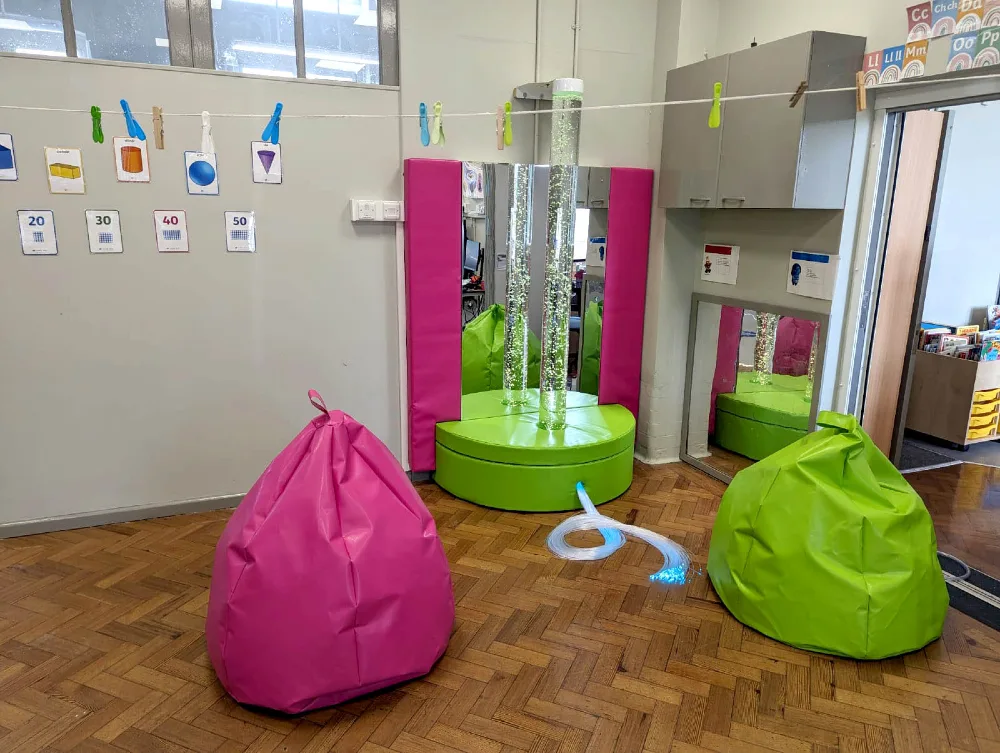
- Creating a dual purpose space that can be used as both a classroom and calming sensory area for self-regulation.
- Introducing portable sensory solutions where space is limited.
- Introducing adaptive, multi-sensory equipment to support a range of EHCP targets.
For MATs, additional options to maximise trust-wide impact could be:
- Installing identical sensory spaces across multiple schools
- Investing in shared portable equipment that can move between sites
These ideas can be adapted to suit your setting whether it’s mainstream schools, special schools or multiple schools across a trust. Thoughtful planning means EOFY funds can create benefits that last far beyond the end of the year.
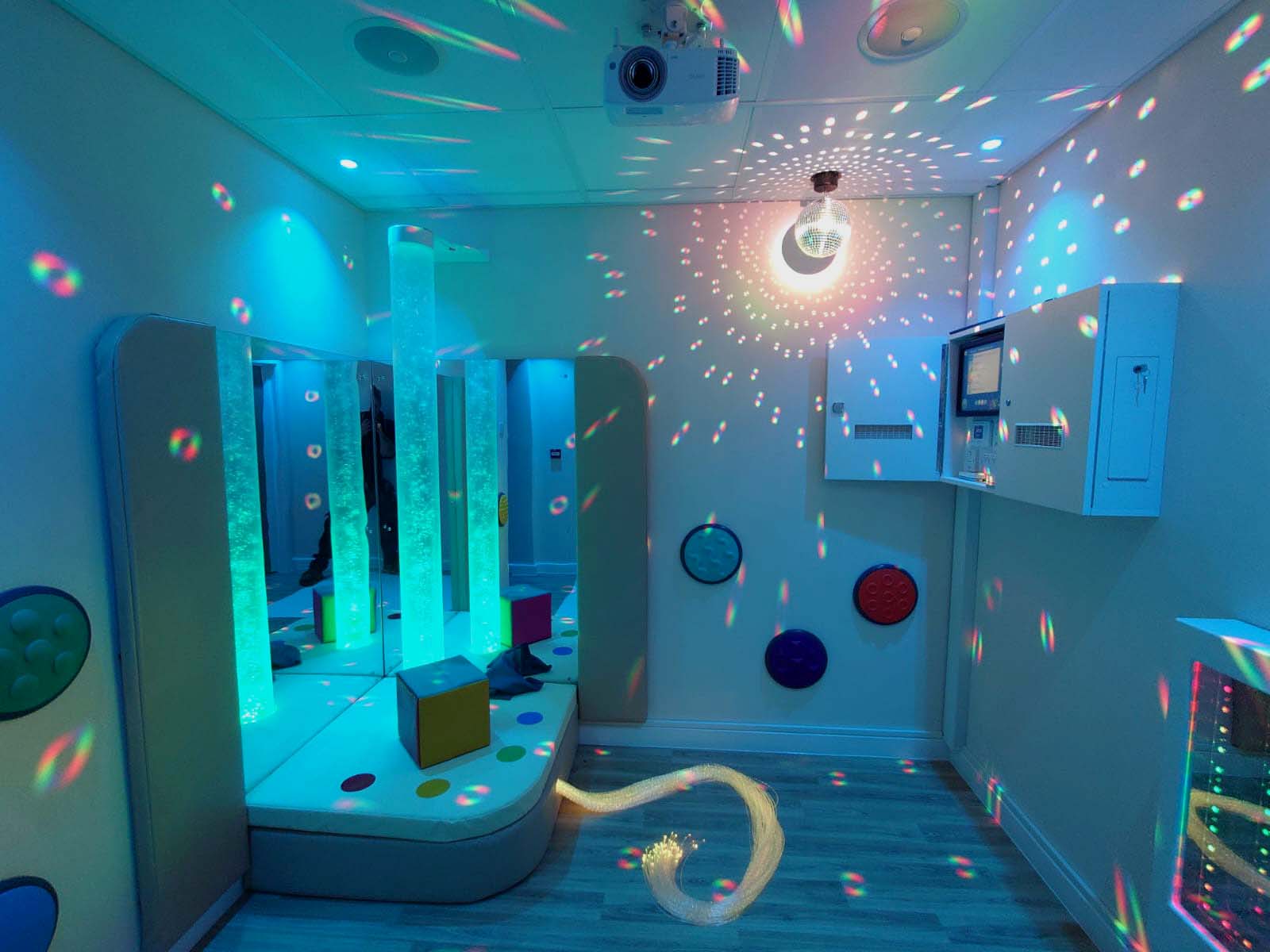
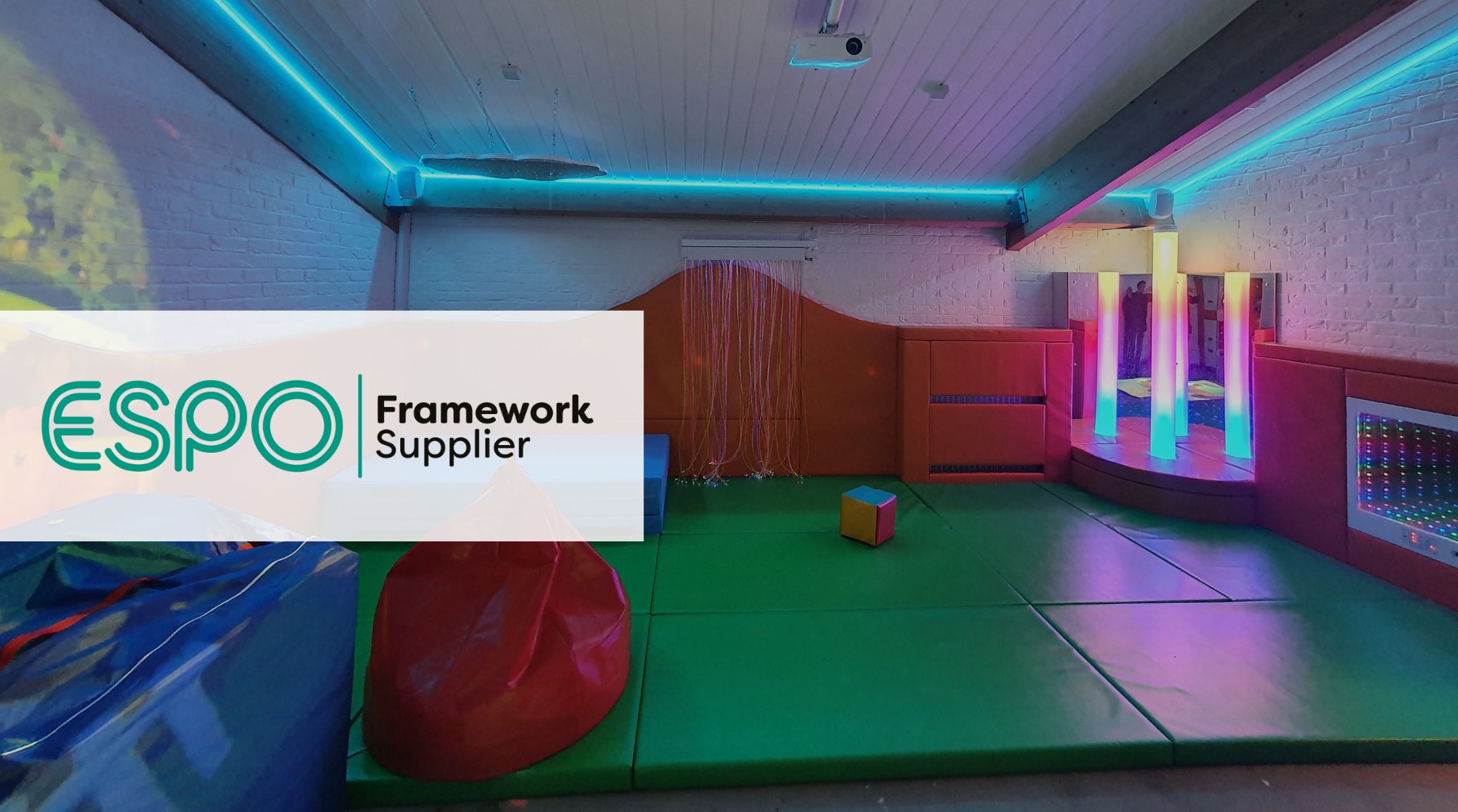
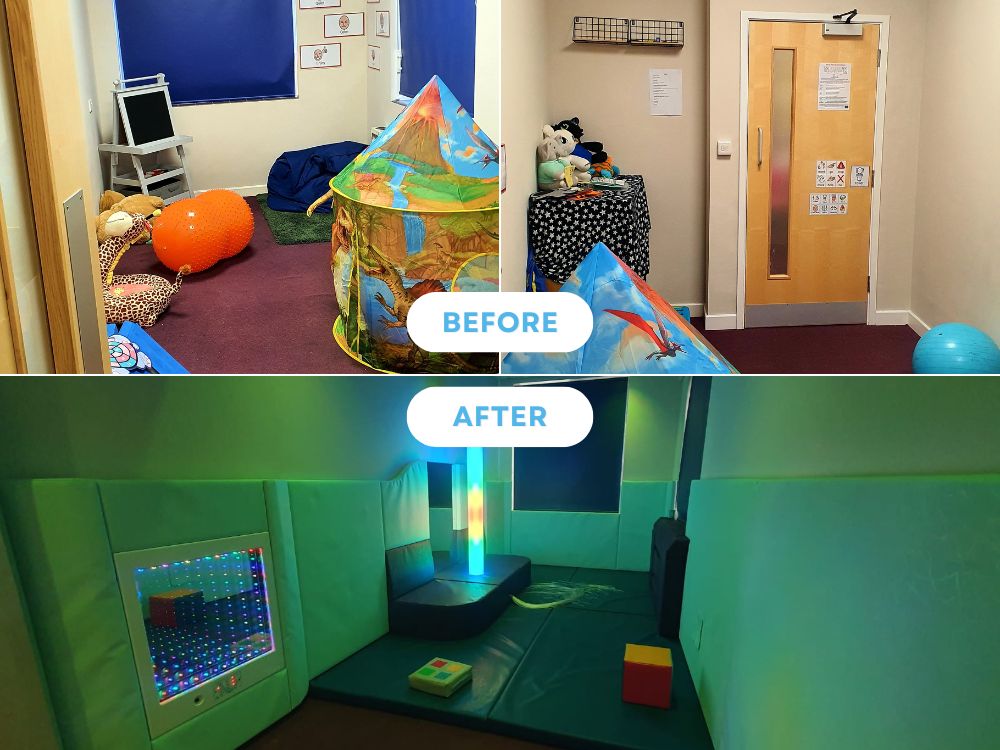
Image 1: Primary School Dual Purpose Sensory Room and Classroom / Image 2: Upgrade of Existing Sensory Room
How Can Schools Plan Installations Within Their EOFY Budget?
Whether you’re upgrading a single school or rolling out provision across multiple academies, clear communication and realistic planning are key.
A few points to keep in mind:
- Typical EOFY timelines: Single-site projects can sometimes be delivered relatively quickly (depending on scale of the room and equipment), while multi-school installations naturally take longer.
- Realistic delivery before year-end: Installers may be able work within tight deadlines, but it’s important to be realistic about what can be achieved and before the financial year closes.
- Get quotations in advance: Requesting quotes early helps you align installation schedules with your preferred dates (such as half-term or summer holidays) and ensures timelines are feasible.
- Preparation matters: Having layouts, measurements and any special requirements ready helps things move faster.
- Early conversations are helpful: Even late in the year, reaching out to your installer or manufacturer allows planning for smooth delivery and reduces last-minute stress.
Planning ahead, even in the final months of the financial year, increases the chance of meeting deadlines, improves installation quality and ensures your investment has maximum impact.
How Can Schools Protect Their EOFY Investment?
When investing your end-of-financial-year budget in sensory provision, the cost of installation is just the beginning. To maximise the long-term value of your investment, it’s also important to plan for ongoing maintenance and extended warranty coverage.
Why Sensory Maintenance Matters:
Durability and safety: Sensory equipment is used frequently and by a variety of pupils, sometimes with complex needs. Regular checks ensure everything stays safe and functional.
Prevent unexpected costs: Small repairs or component wear are inevitable; scheduling maintenance reduces the risk of emergency replacement.
Sustained educational impact: Well-maintained equipment ensures that students can consistently benefit from the sensory room, supporting regulation, learning, and inclusion.
How We Can Support Your EOFY Planning
End-of-year budgets and trust-level funding can really make a difference when used thoughtfully – and we’re here to help make that easier.
We work with mainstream schools, ARPs, LSCs, resource bases, specialist units and special schools to provide sensory solutions that support inclusion, regulation and engagement. Whether it’s:
- Upgrading an existing space.
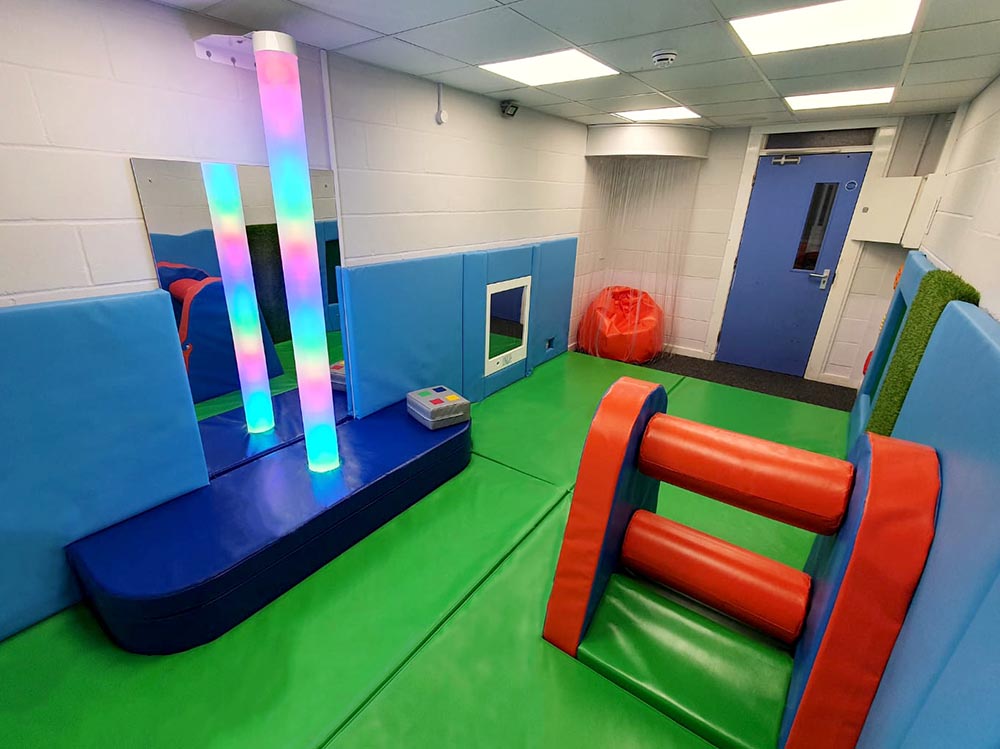
- Creating a new sensory or regulation area.
- Adding portable equipment for shared use.
- Supporting multi-school projects across a MAT.
We can offer practical guidance, share ideas and help plan installations so your schools budget has the greatest long-term impact.
Even small investments, when planned carefully, can make a real difference for pupils, staff, and the wider school community – and we’re happy to support schools every step of the way.