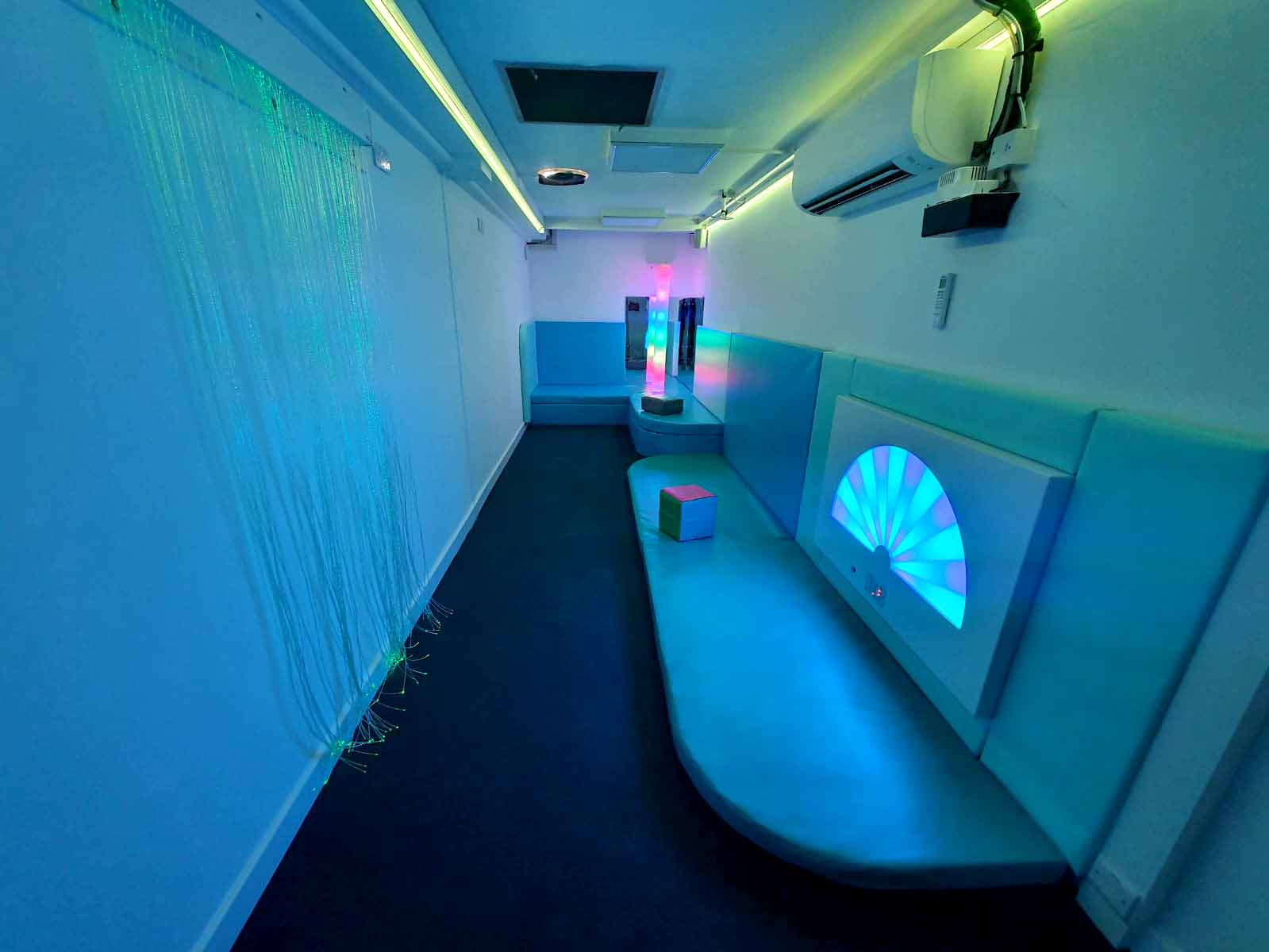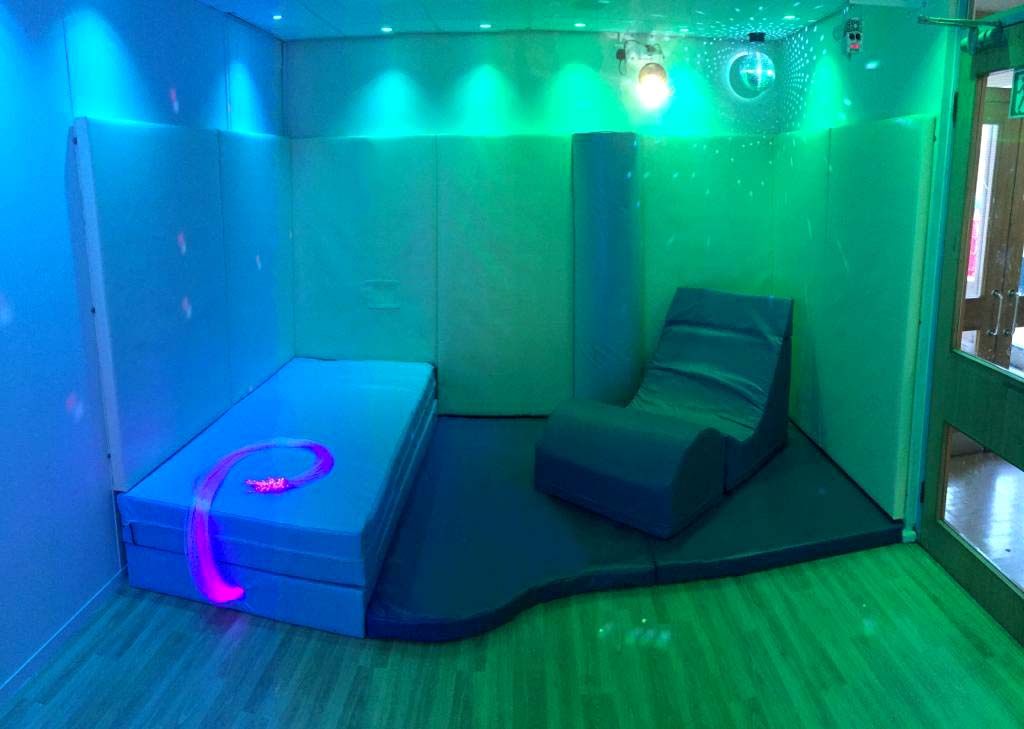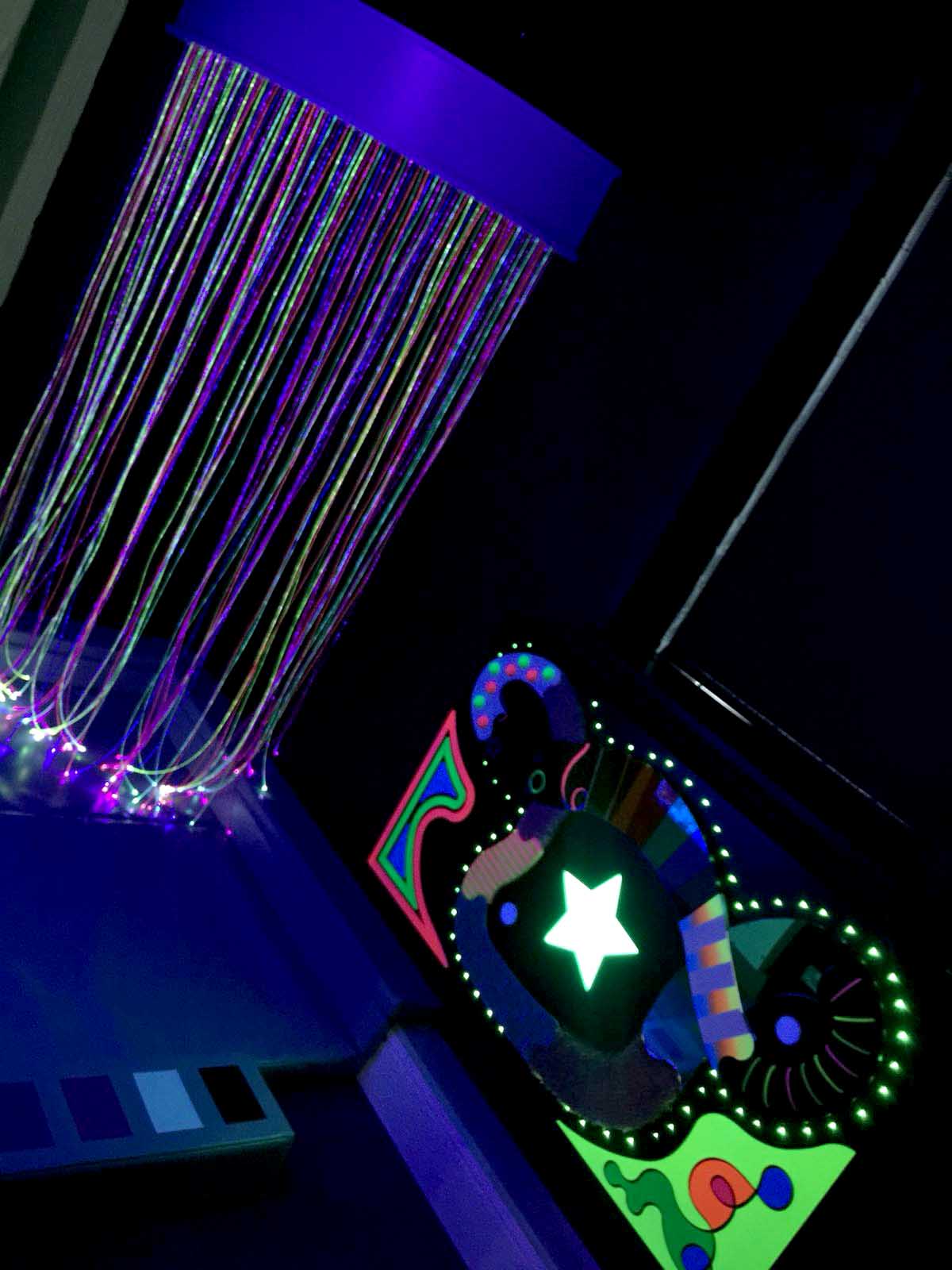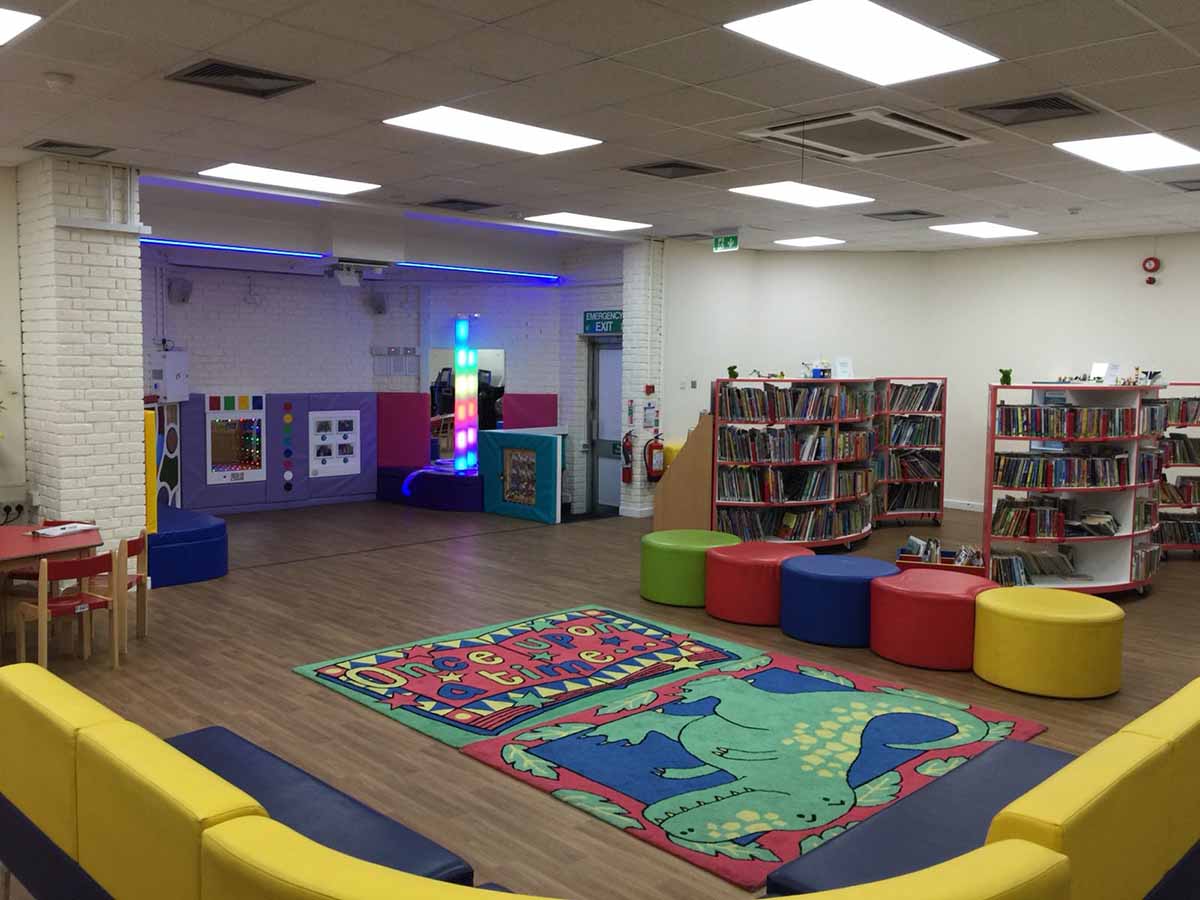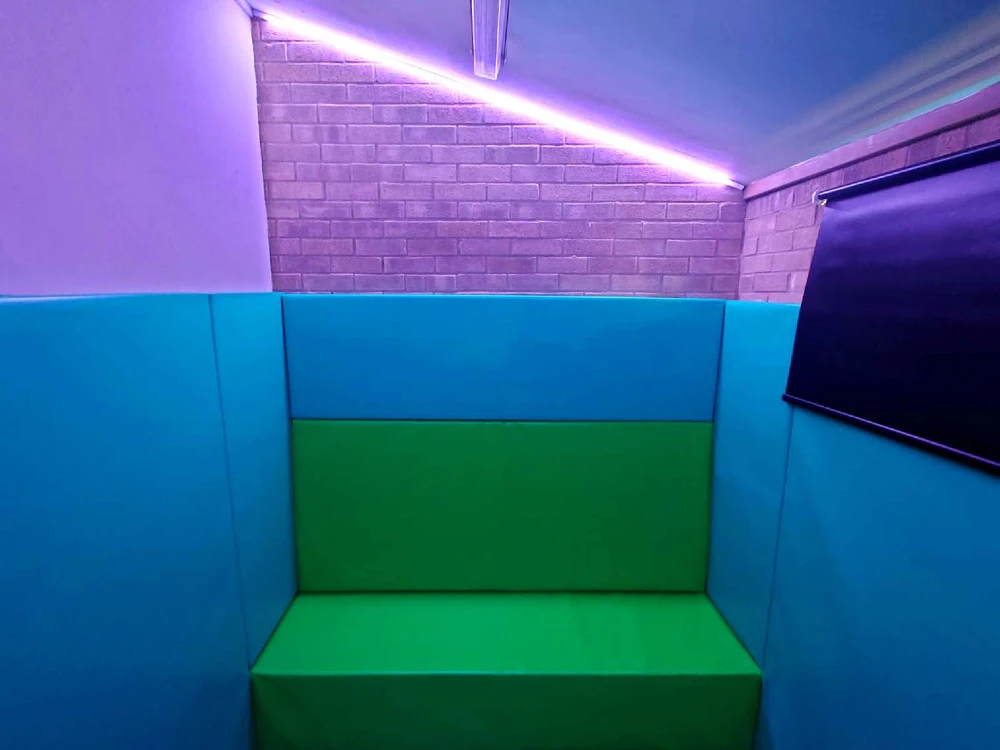
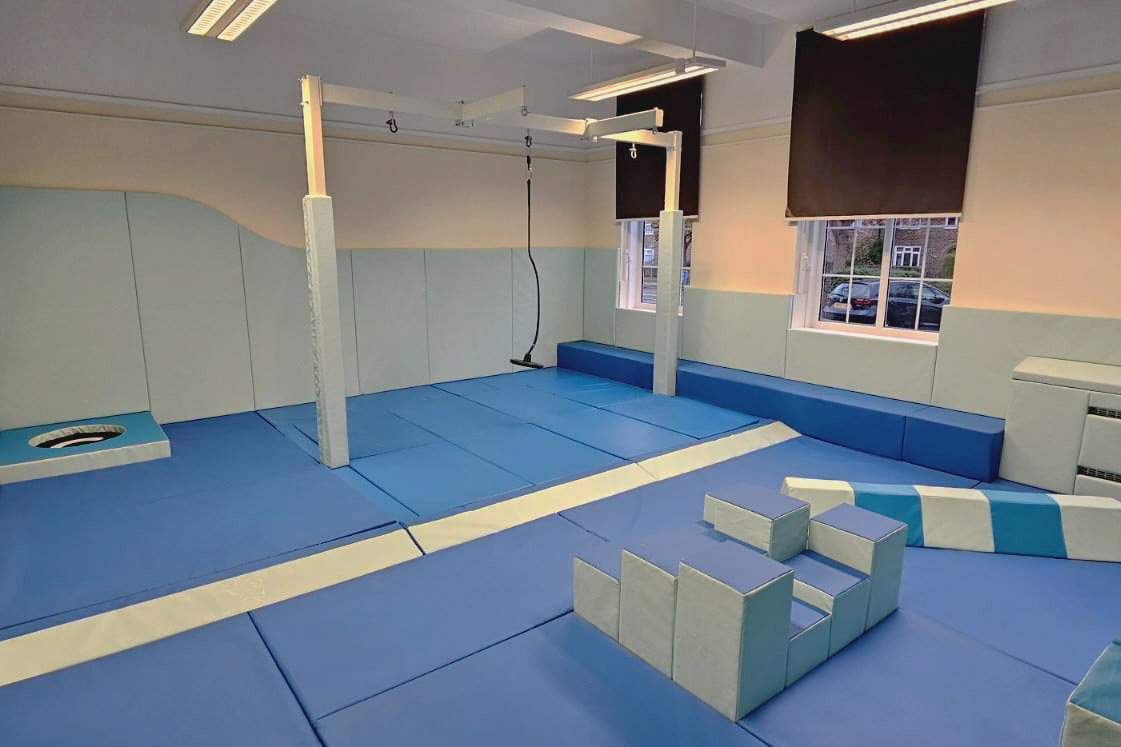
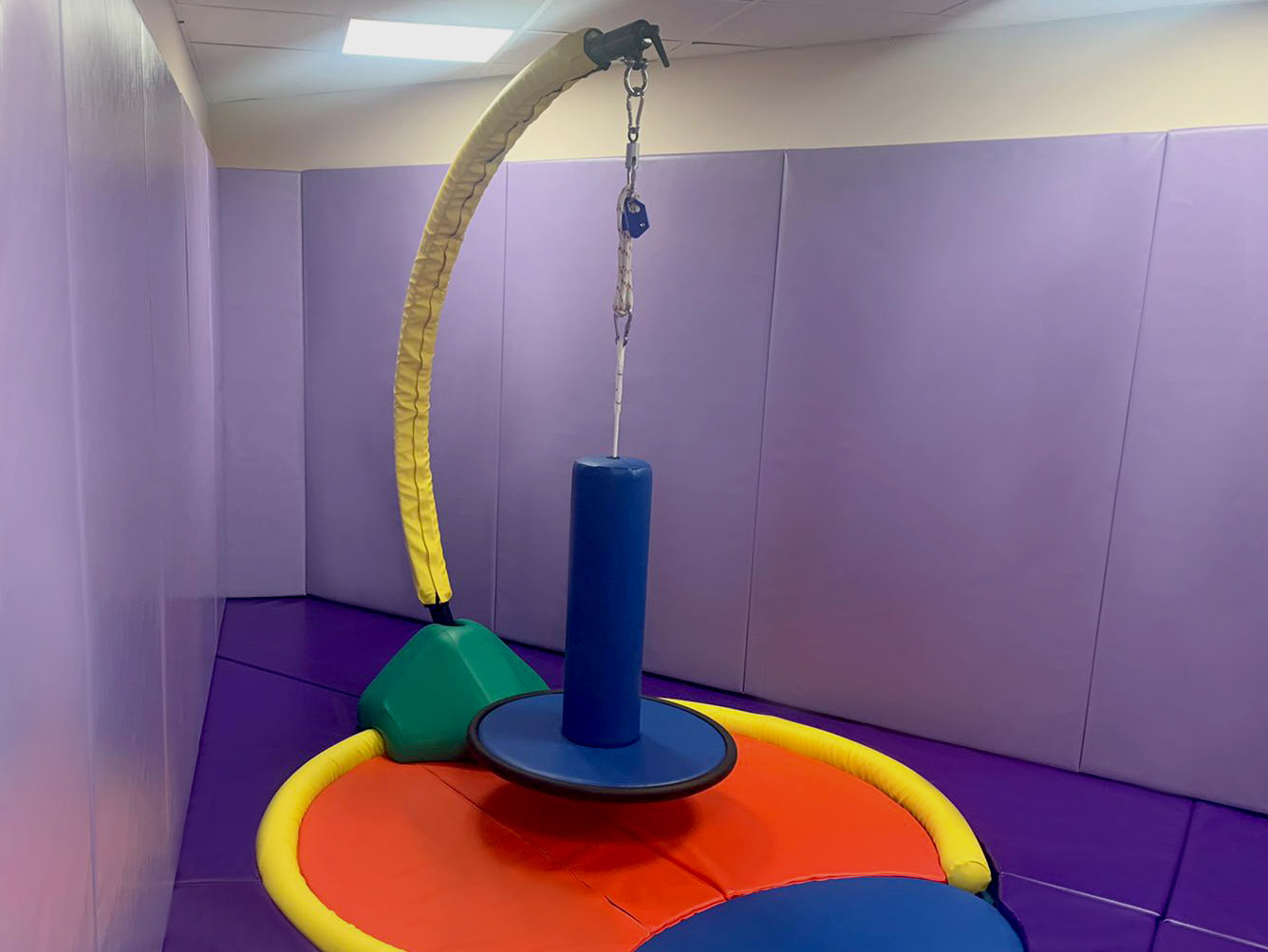
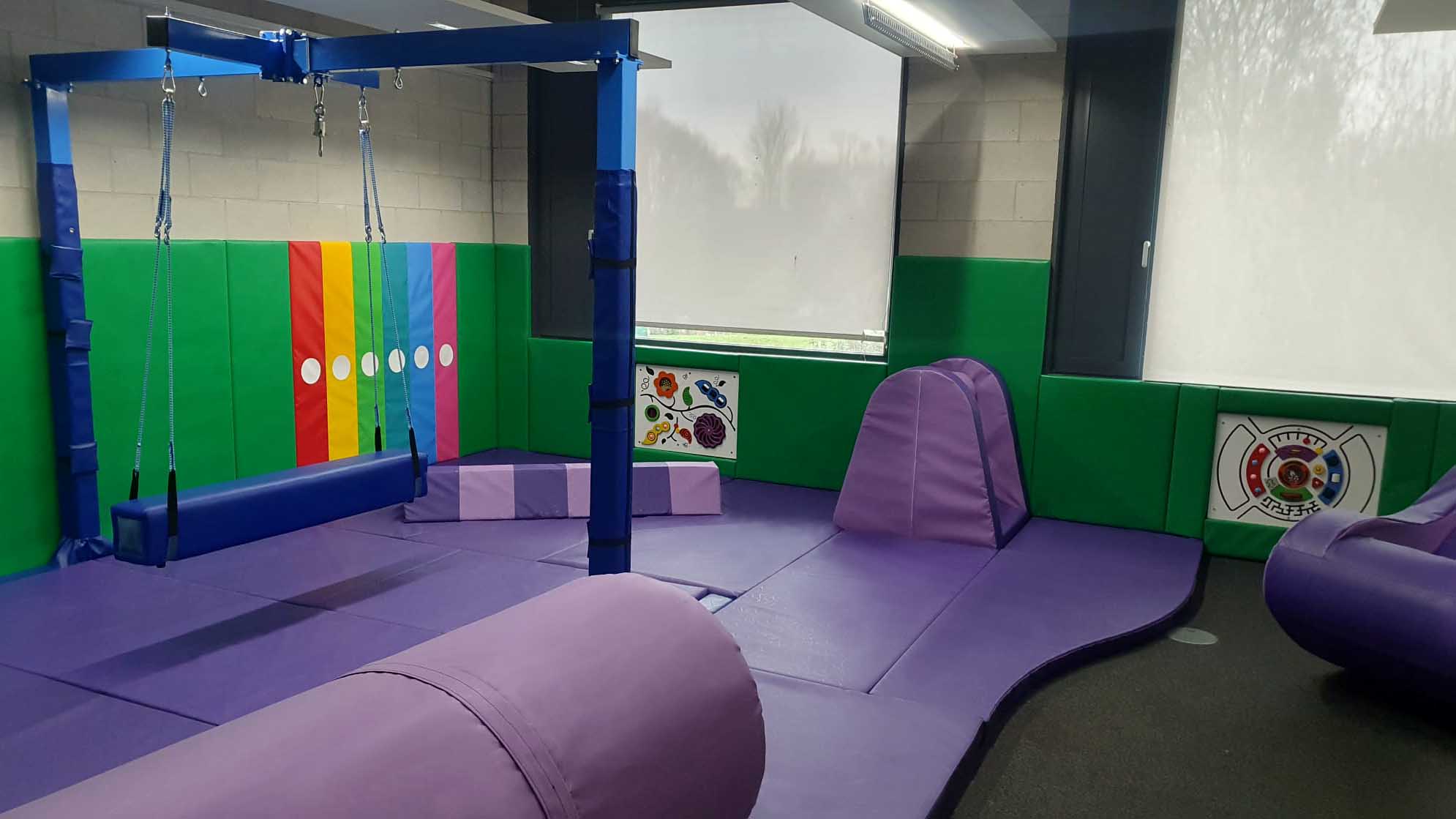
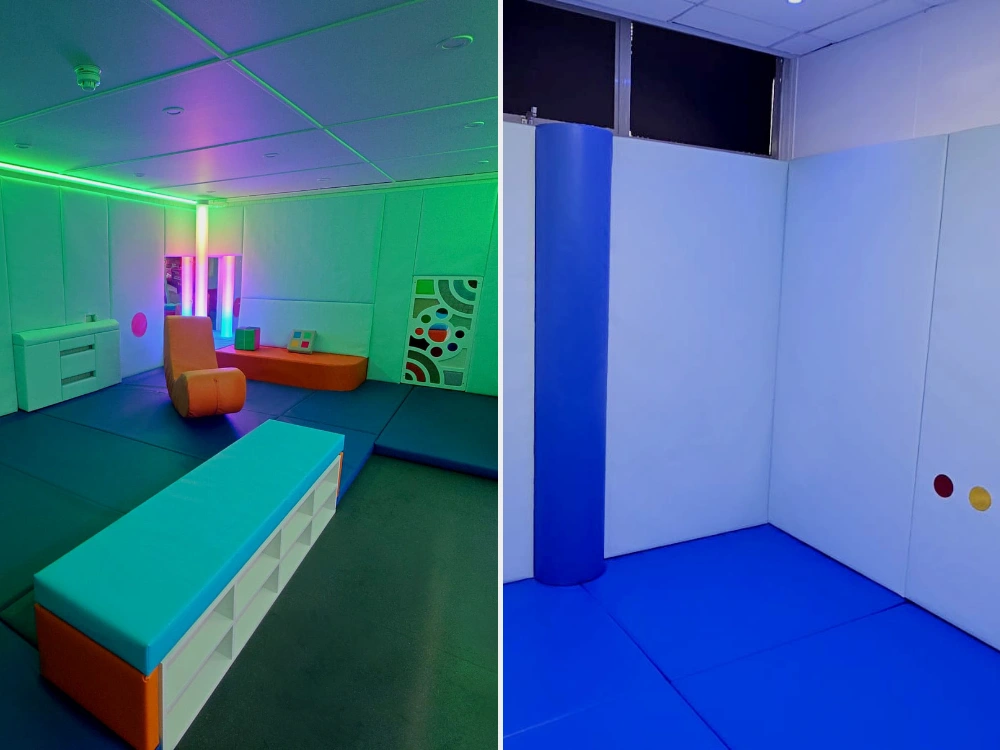
Spaces specifically designed to offer controlled sensory experiences that promote regulation, focus, and skill development. Flexible to suit a variety of room sizes, user needs and budgets.
Sensory Integration is the brain’s natural process of receiving, organising and interpreting information from our senses such as touch, sound, movement, sight and smell to help us respond appropriately to the world around us. It plays an essential role in how we learn, move, focus and manage our emotions each day.
When sensory processing is well-balanced, we can engage with our environment smoothly and comfortably. However, for some individuals, this process can be more challenging. That’s where Sensory Integration Therapy and purpose-built Sensory Integration Rooms come in.
A Sensory Integration Room is a dedicated space equipped with tools and resources that encourage safe, therapeutic exploration of the senses. By providing controlled experiences, ranging from gentle tactile input to active movement, these rooms help users understand, manage and respond to sensory stimuli more effectively.
Sensory Integration Rooms are carefully designed to meet the unique needs of each user, whether in educational, therapeutic or healthcare settings. By combining thoughtfully selected equipment with structured activities, Sensory Integration Rooms support emotional regulation, improve focus and attention and foster confidence and independence. They offer a safe environment where individuals can explore sensory experiences at their own pace, building skills that carry over into everyday life.
Explore the benefits of soothing sensory environments for a range of users.
Structured interaction with sensory integration equipment helps users interpret and integrate sensory input more effectively, supporting adaptive responses in daily life.
By engaging with tactile, vestibular, proprioceptive and visual stimuli in a safe and guided way – users can develop better coordination, self-regulation and problem-solving skills. The core skill developments can carry over into school, work and social settings.
Through targeted vestibular and proprioceptive activities, users can improve their balance, coordination, body awareness and motor planning.
These exercises also promote posture control, bilateral coordination and smooth, purposeful movements which contribute to greater independence and functional ability.
Engaging in therapeutic sensory tasks supports emotional control, reduces anxiety and improves attention and engagement. Regular sensory experiences help users recognise triggers, manage reactions and build resilience in challenging or overstimulating environments.
Successfully completing sensory activities encourages self-esteem, promotes a sense of accomplishment and motivates continued participation. These experiences also support the development of social skills, helping users communicate, cooperate and engage positively with others in group or community settings.
Ready to take the next step?
One of our experienced Sensory Advisors will be in touch. Listening to both your requirements and budget, before creating your FREE sensory environment design and proposal.
No Pushy Salespeople and No Obligation.
A Sensory Integration Room is commonly used within occupational therapy to support individuals who benefit from structured sensory input. It provides a controlled environment where users can engage in sensory-based activities to improve regulation, movement and functional skills.
These rooms can be accessed by children and adults with sensory processing difficulties – including individuals with autism spectrum disorder (ASD), ADHD, developmental delays or learning disabilities. Occupational Therapists use Sensory Integration Rooms to support skills such as self-regulation, balance, coordination, motor planning and body awareness, which are essential for daily activities and participation.
In educational and healthcare settings, Sensory Integration Rooms also support individuals with emotional regulation challenges, anxiety, attention difficultie, or neurological and physical needs, either as part of structured occupational therapy sessions or short-term regulation strategies.
Oakridge School provides a supportive and inspiring learning environment for pupils from nursery to junior age. To enhance its inclusive provision, we we worked with …
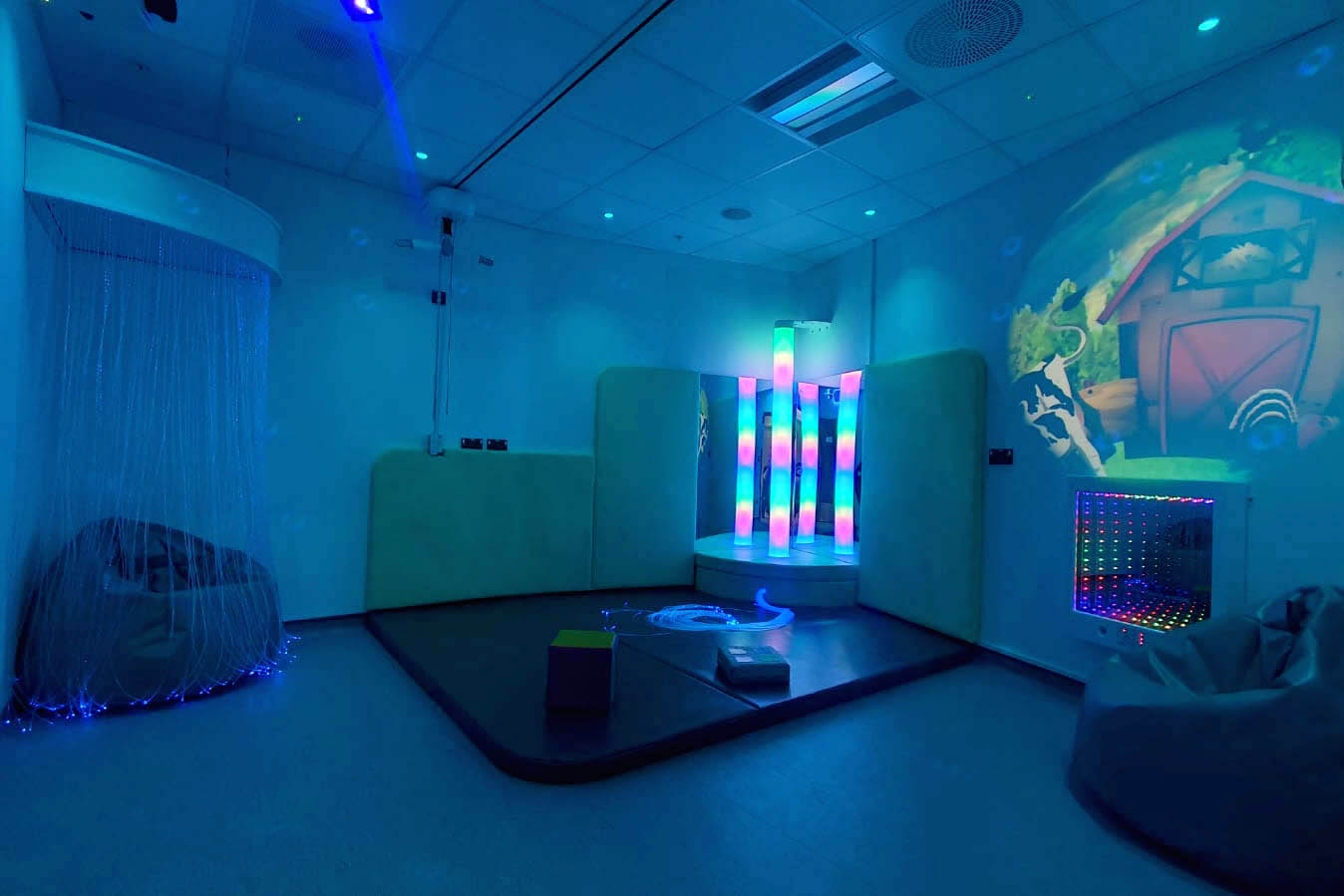
The Grange University Hospital, located in Cwmbran, Wales and managed by Aneurin Bevan University Health Board, offers assessment and treatment for people with learning disabilities. …
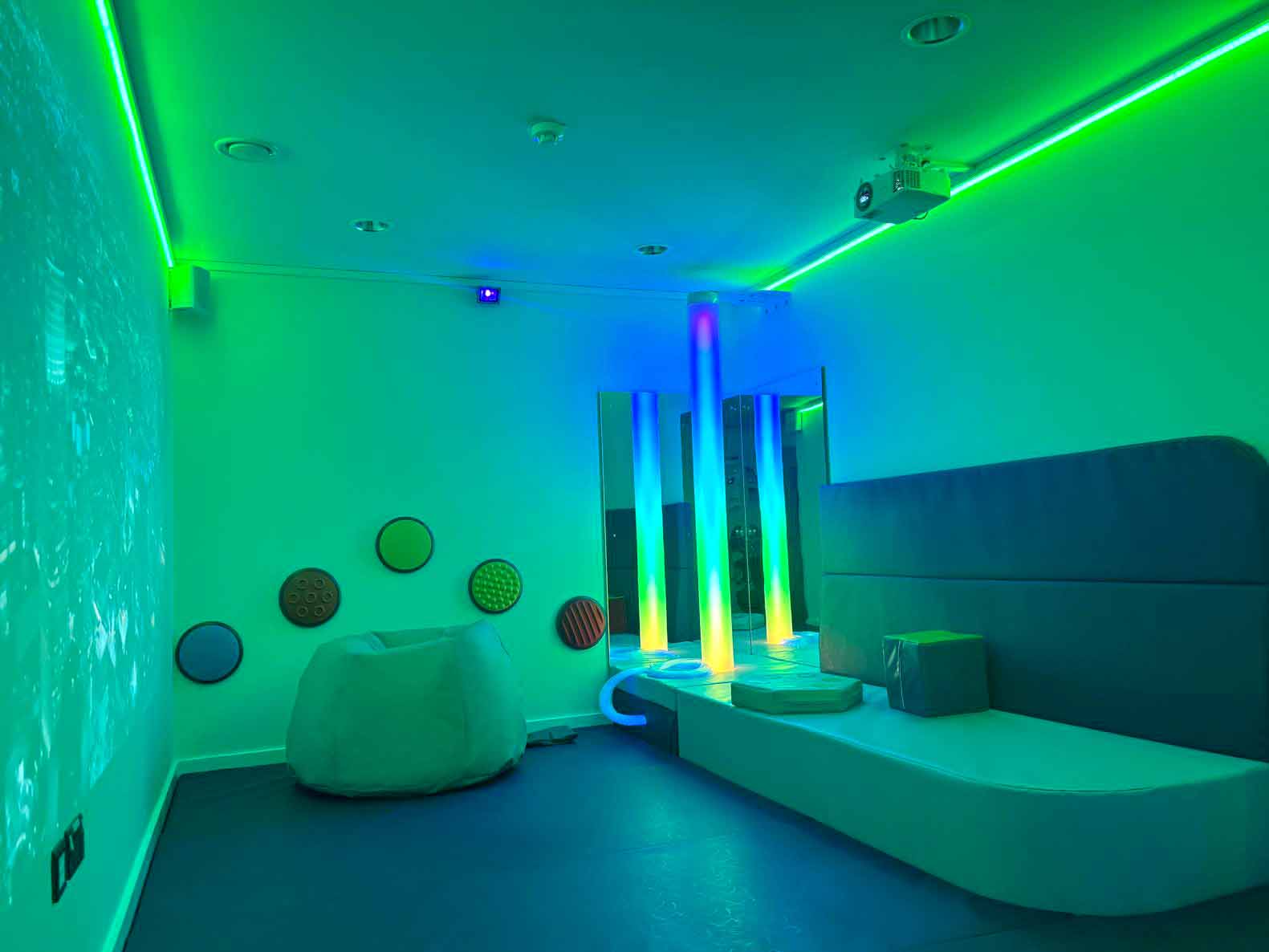
Dovers Green Primary School based in Surrey, focuses on creating a caring environment where children can grow in confidence and independence as they move forward …
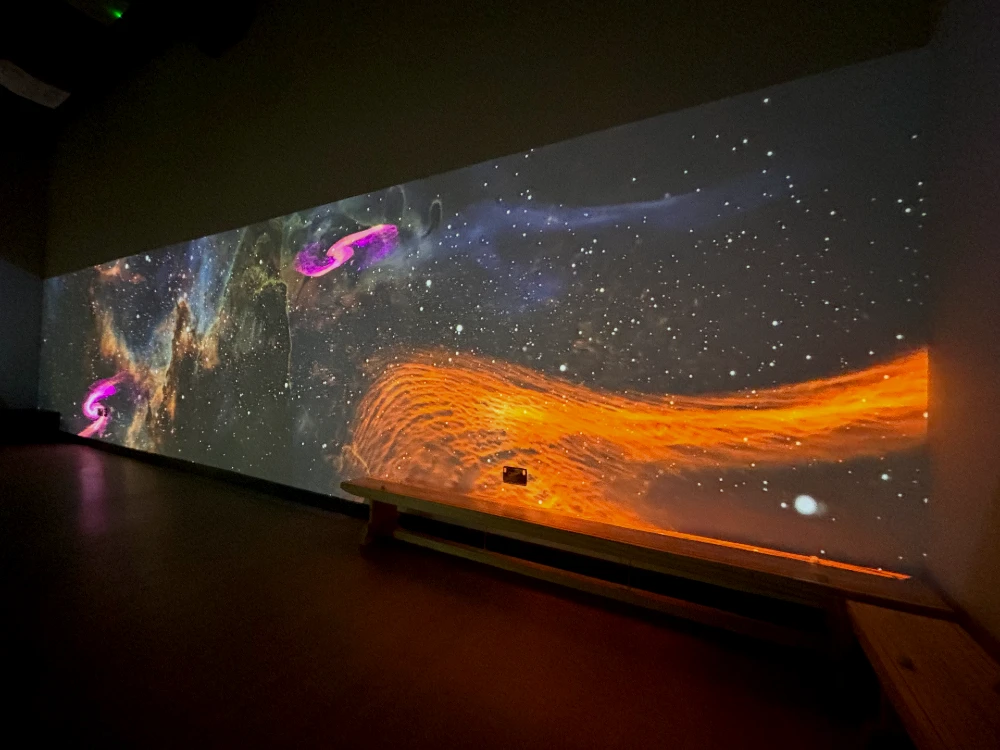
Lisburne Special School in Stockport, serving 214 primary pupils with complex learning needs, opened a new state-of-the-art facility in 2024 to transform SEND education. As …
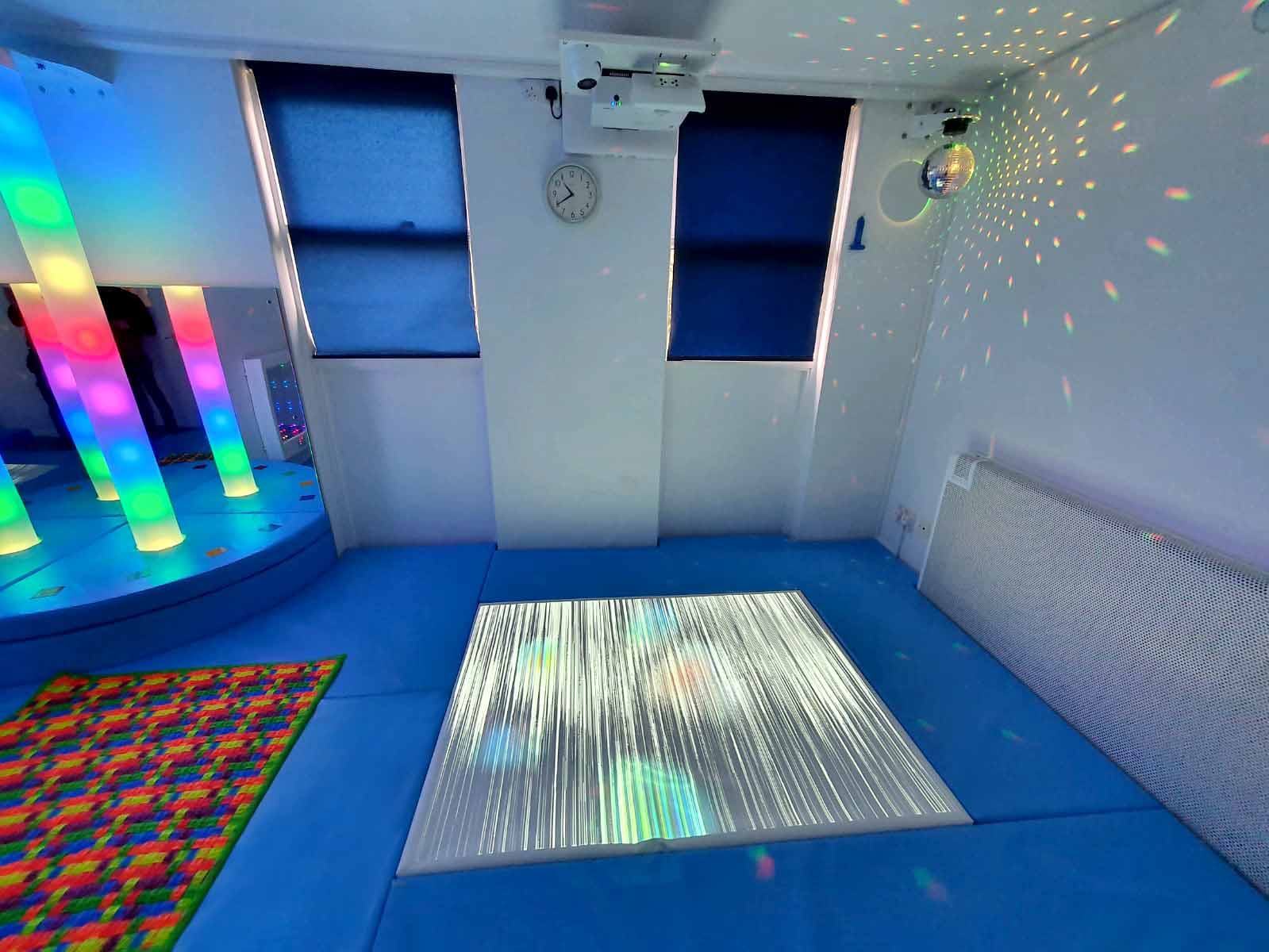
Oakridge School provides a supportive and inspiring learning environment for pupils from nursery to junior age. To enhance its inclusive provision, we we worked with …
The Grange University Hospital, located in Cwmbran, Wales and managed by Aneurin Bevan University Health Board, offers assessment and treatment for people with learning disabilities. …
Dovers Green Primary School based in Surrey, focuses on creating a caring environment where children can grow in confidence and independence as they move forward …
Lisburne Special School in Stockport, serving 214 primary pupils with complex learning needs, opened a new state-of-the-art facility in 2024 to transform SEND education. As …